
Christmas Day Dining? Top Restaurants Taste Test
The holiday season brings a unique culinary opportunity that many overlook: discovering exceptional restaurants that remain open on Christmas Day. While countless families huddle around home-cooked meals, sophisticated diners seek out establishments that transform the festive occasion into an elevated gastronomic experience. Christmas dining at select restaurants offers a curated escape from kitchen duties, allowing you to savor meticulously crafted menus while immersing yourself in professionally curated ambiance and service.
Finding the right Christmas Day restaurant requires understanding which establishments maintain their doors open during this traditionally quiet holiday. Beyond mere availability, discerning diners must evaluate the quality of cuisine, the thoughtfulness of holiday-specific menus, and whether the dining experience justifies stepping away from traditional home gatherings. This comprehensive taste test explores premier restaurants that excel at Christmas service, examining their culinary approaches, signature dishes, and the sensory experiences they deliver.
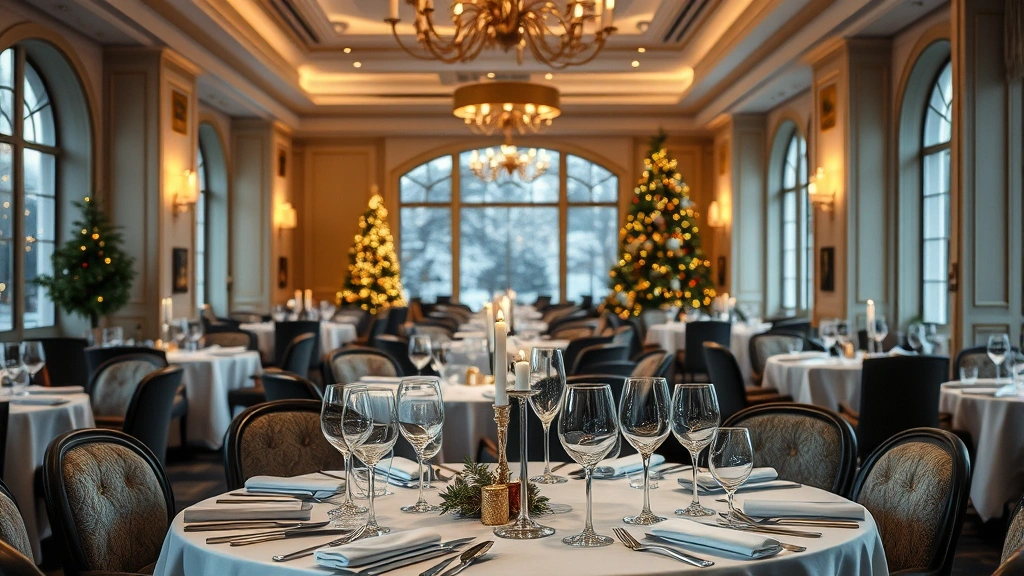
Understanding Christmas Restaurant Availability
Christmas Day dining presents unique challenges for restaurant operations. Unlike Thanksgiving or New Year’s Eve, Christmas sees reduced demand as most diners celebrate at home. However, this scarcity creates opportunity for discerning palates seeking refined culinary experiences. Hotels with attached restaurants frequently remain operational, recognizing that travelers and locals seeking alternatives require dining venues during the holiday.
The restaurants that choose to open on Christmas typically fall into several categories. Luxury hotels maintain fine dining operations as part of their guest services commitment. High-end independent restaurants with devoted followings often schedule special Christmas services, understanding their clientele’s appreciation for exceptional cuisine. Additionally, many establishments offering international cuisines—particularly those serving diaspora communities—remain open, as Christmas holds different cultural significance in their traditions.
Understanding availability requires advance planning. Unlike regular dining, Christmas Day reservations demand booking weeks in advance, often during November when restaurants confirm holiday schedules. Many establishments implement fixed-price menus rather than à la carte options, ensuring kitchen efficiency while delivering premium experiences. The tasting menu format becomes particularly prevalent, allowing chefs to showcase their most ambitious preparations and innovative flavor combinations.
Fine Dining Establishments Worth the Reservation
Premier fine dining restaurants that open on Christmas Day represent the apex of holiday culinary experiences. These establishments invest significant resources into creating memorable occasions, employing their most skilled personnel and designing special menus that celebrate seasonal ingredients and festive traditions.
Luxury hotel restaurants consistently deliver exceptional Christmas Day experiences. The Michelin-starred properties within prestigious hotel groups maintain rigorous standards throughout the holiday period, often featuring tasting menus that rival their regular service offerings. These venues typically present multi-course experiences ranging from eight to twelve courses, each preparation thoughtfully constructed to showcase distinct flavor profiles and culinary techniques.
The sensory progression of fine dining Christmas menus follows deliberate architectural principles. Opening courses typically feature lighter preparations—perhaps delicate oysters with champagne beurre blanc, or silky foie gras mousse with brioche tuile—designed to awaken the palate. Mid-course selections progress toward richer, more complex flavors: perhaps a perfectly seared scallop with brown butter emulsion and crispy prosciutto, or an elegant beef tartare with truffle oil and quail egg yolk.
Main course preparations showcase the kitchen’s technical mastery and ingredient sourcing. Expect pristine proteins prepared with precision: turbot with beurre blanc and seasonal vegetables, duck breast with cherry gastrique and potato purée, or aged beef with truffle-infused jus. These centerpiece dishes balance richness with refinement, delivering satisfaction without heaviness. The accompanying vegetables—often prepared with techniques rivaling the protein—demonstrate the kitchen’s commitment to vegetable-forward sophistication.
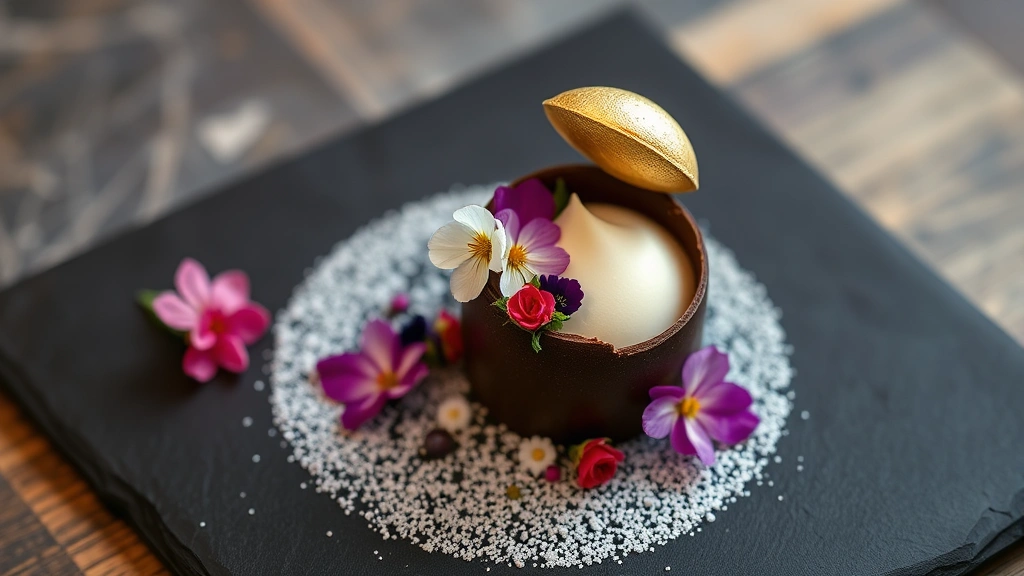
Dessert selections at Christmas fine dining often incorporate festive elements while maintaining elegant restraint. Rather than heavy traditional puddings, expect refined preparations: dark chocolate sphere with champagne mousse, citrus-forward tarte tatin with vanilla bean ice cream, or delicate panna cotta with berry compote. These conclude the tasting experience on elevated notes, leaving lasting impressions of sophistication rather than excess.
Upscale Casual Options for Relaxed Holiday Celebration
Not every Christmas diner seeks the formality of haute cuisine. Upscale casual establishments provide sophisticated alternatives, delivering excellent food in relaxed environments where celebration feels less ceremonial and more genuinely festive.
Contemporary American restaurants with strong local followings frequently open on Christmas, understanding that holiday dining encompasses diverse preferences. These venues offer comfortable seating, attentive service, and menus that balance creativity with approachability. You might encounter perfectly executed roasted chicken with seasonal root vegetables, herb-brined turkey breast with cranberry gastrique, or prime rib with horseradish cream—preparations that feel celebratory without pretension.
The advantage of upscale casual Christmas dining involves atmosphere. These restaurants typically maintain warmer, more intimate environments than formal fine dining. Fireplaces crackle with genuine flames, holiday decorations feel tasteful rather than theatrical, and service balances attentiveness with unobtrusive presence. The culinary focus remains on ingredient quality and technical execution, but presentation emphasizes comfort alongside sophistication.
Wine pairings in casual upscale settings demonstrate remarkable thoughtfulness. Sommeliers curate selections that complement holiday fare without requiring extensive wine knowledge. A Burgundy Pinot Noir might accompany duck preparations, while a Sancerre or Albariño pairs elegantly with seafood-focused offerings. These selections enhance flavors through careful consideration of tannin structure, acidity, and aromatic profiles rather than imposing unnecessary complexity.
International Cuisines Open on Christmas Day
Christmas’s religious significance remains primarily Christian in Western traditions, meaning non-Christian culinary traditions often maintain regular operations during December 25th. This reality creates exceptional opportunities for exploring diverse cuisines during the holiday season.
Chinese restaurants frequently remain open on Christmas, serving communities for whom December 25th represents an ordinary business day. The opportunity to experience refined Chinese cuisine—whether Sichuan preparations with their numbing Sichuan peppercorn complexity, Cantonese dim sum with delicate har gow and siu mai, or sophisticated Peking duck with its crackling skin and tender meat—provides excellent alternatives to traditional Western holiday fare.
Japanese restaurants, particularly those offering omakase experiences, may maintain Christmas Day service. The precision and artistry of sushi preparation, the umami depth of miso-based broths, and the delicate balance of seasonal fish preparations deliver sensory experiences fundamentally different from Western holiday traditions. Fresh uni with its creamy, oceanic richness, perfectly aged otoro with its buttery texture, and carefully prepared nigiri showcase technical mastery and ingredient reverence.
Indian restaurants often remain operational, offering the complex spice profiles and layered flavors that distinguish exceptional Indian cuisine. The warming spice blends of tandoori preparations, the creamy depth of properly made paneer tikka masala, and the aromatic complexity of biryani provide comfort alongside sophistication. These cuisines’ emphasis on spice balance, slow cooking, and flavor development creates deeply satisfying experiences.
Mediterranean establishments—Greek, Spanish, Italian, and Lebanese restaurants—frequently open on Christmas, celebrating culinary traditions rooted in regions where holiday customs differ from Northern European practices. Fresh seafood preparations with olive oil and lemon, slow-braised lamb with herbs, and vegetable-forward mezze selections offer lighter alternatives to heavy traditional Christmas fare.
Evaluating Holiday Menus and Tasting Experiences
Assessing Christmas restaurant menus requires understanding how establishments approach holiday dining. Superior restaurants design special menus that balance festive tradition with culinary innovation, rather than simply offering regular menus with minor adjustments.
Look for menus incorporating seasonal ingredients at peak flavor. December’s produce availability—including citrus fruits, root vegetables, mushrooms, and hardy greens—should feature prominently. Quality establishments source Brussels sprouts at their sweetest, select pomegranates bursting with juice, and procure mushrooms with concentrated umami depth. These seasonal choices aren’t merely aesthetic; they reflect ingredient-driven philosophy where flavor guides composition.
Examine how restaurants approach protein selection. Premium establishments often feature multiple protein options—perhaps seafood, poultry, and beef—allowing diners to choose based on preference and appetite. Look for descriptions indicating preparation method and accompaniments. A description reading “pan-seared halibut with brown butter emulsion, crispy sage, and roasted parsnips” communicates technical approach and flavor direction more effectively than generic descriptions.
Wine pairing considerations significantly impact Christmas dining experiences. Establishments offering optional wine pairings demonstrate commitment to complementary flavor experiences. These pairings should progress logically through the menu, with lighter wines accompanying early courses and fuller-bodied selections accompanying richer preparations. A restaurant’s pairing selections reveal their sommeliers’ understanding of flavor architecture and ingredient interaction.
The progression of a tasting menu matters enormously. Exceptional restaurants follow culinary logic: opening preparations should stimulate appetite, mid-course selections should build flavor intensity, main courses should deliver satisfaction, and desserts should provide elegant conclusions. Menus lacking thoughtful progression often feel disjointed, with courses competing for attention rather than building coherent narratives.
Consider how restaurants incorporate festive elements without sacrificing sophistication. Subtle holiday touches—perhaps a delicate spiced element in a dessert, or a garnish incorporating seasonal herbs—enhance festive atmosphere while maintaining culinary integrity. Excessive holiday theming often masks mediocre technique; truly exceptional restaurants prove their confidence through subtle sophistication.
Making Your Christmas Reservation
Securing exceptional Christmas dining requires strategic planning and understanding restaurant booking procedures. Unlike regular reservations, Christmas service demands advance commitment from both diners and establishments.
Begin researching restaurants by mid-November, identifying establishments matching your preferences and budget. Check restaurant websites for holiday menu announcements, noting which venues offer Christmas service. Many restaurants announce holiday menus and reservation policies in early November, providing sufficient booking window for planning.
When contacting restaurants, inquire about specific offerings: Are they serving tasting menus exclusively? Do they offer à la carte options? What wine pairings are available? Do they accommodate dietary restrictions? Quality establishments willingly discuss these details, understanding that transparency builds confidence in the dining experience.
Consider the total experience beyond food. Examine restaurant locations, parking availability, and estimated travel time. Evaluate ambiance descriptions—do you prefer formal elegance or casual sophistication? Examine service standards; establishments maintaining consistent excellence year-round typically deliver exceptional Christmas service.
Make reservations as early as possible, recognizing that premium time slots (6:00-8:00 PM) fill quickly. Earlier seatings (5:00-6:00 PM) or later options (9:00 PM+) may offer greater availability while delivering identical culinary experiences. Confirm reservation details in writing, including party size, any special occasions, and dietary requirements.
Prepare for the experience by reviewing menus beforehand, noting dishes that particularly appeal to you. This preparation enhances appreciation, allowing you to recognize technical achievements and flavor combinations more fully. Understanding a chef’s approach to ingredients and techniques deepens your engagement with the meal.
If exploring new restaurants, consider reading recent reviews from Michelin Guide or consulting World’s 50 Best Restaurants for perspective on establishments’ reputations and achievement levels. These authoritative sources provide baseline understanding of quality expectations.
Remember that Christmas dining represents a deliberate choice to celebrate differently. Approach the experience with openness to discovery, appreciation for the kitchen’s efforts, and patience with the deliberate pacing that fine dining requires. The most memorable Christmas meals occur when diners embrace the occasion’s special nature and engage fully with the culinary experience presented.
For those considering preparing elements at home to complement restaurant dining, exploring best homemade pasta recipes or best sauce recipes for pasta might inspire pre-dinner appetizers or post-meal light fare. Similarly, vegetarian pasta recipes provide options for accommodating diverse dietary preferences when planning multi-course holiday celebrations.
Understanding that Christmas dining extends beyond restaurant visits, easy homemade pasta sauce guides and easy Asian dinner recipes offer alternatives for those preferring home preparation or seeking to complement restaurant experiences with thoughtfully prepared components.
The culinary world recognizes that Christmas dining encompasses tremendous diversity. Whether you select fine dining tasting menus, upscale casual experiences, or international cuisines, the common thread involves seeking excellence, appreciating skilled preparation, and celebrating through food. The restaurants opening on Christmas Day understand this philosophy, dedicating themselves to creating memorable occasions through refined cooking and attentive service. By approaching Christmas dining with informed expectations and genuine appreciation for culinary craft, you’ll discover that stepping away from traditional home cooking occasionally creates opportunities for experiences that enrich rather than diminish holiday celebration.
FAQ
Which restaurants typically remain open on Christmas Day?
Hotels with fine dining restaurants, upscale independent establishments with devoted followings, and restaurants serving international cuisines often remain open. Luxury properties, particularly those in major metropolitan areas, maintain Christmas service as part of their commitment to guests. Research specific establishments in your area, as availability varies significantly by location and individual restaurant philosophy.
Should I expect higher prices on Christmas Day?
Yes, Christmas Day dining typically commands premium pricing. Many establishments implement fixed-price tasting menus rather than à la carte service, reflecting the specialized staffing, ingredient sourcing, and planning required for holiday operation. Expect to pay 20-40% more than regular pricing, though this accounts for extended preparation, premium ingredient selection, and enhanced service standards.
How far in advance should I book Christmas dinner?
Ideal booking occurs in early-to-mid November, when restaurants confirm holiday schedules and announce special menus. Popular establishments often fill completely by late November. If you haven’t booked by December 1st, contact restaurants directly to determine remaining availability; earlier seatings or weekday options may still be available when weekend prime times are booked.
Can restaurants accommodate dietary restrictions on Christmas?
Quality establishments willingly accommodate dietary requirements when notified in advance. Communicate restrictions clearly during reservation booking, providing specific details about allergies versus preferences. Restaurants planning tasting menus can prepare alternative courses; however, advance notice remains essential. Never assume accommodations without explicit confirmation.
What should I wear to Christmas restaurant dining?
Dress codes vary by establishment. Fine dining venues typically require business casual minimum; many expect formal attire. Upscale casual restaurants may accept smart casual. When making reservations, inquire about dress code expectations, ensuring your preparation matches the venue’s standards and your own comfort preferences.
Are wine pairings worth including with Christmas menus?
Wine pairings significantly enhance tasting menu experiences when offered by knowledgeable sommeliers. Quality pairings complement each course’s flavors, enhancing rather than overwhelming. If cost is a concern, consider pairings for select courses rather than the entire menu, or ask sommeliers for wine recommendations you can purchase separately.


