
Is Chipotle Worth the Hype? A Food Blogger’s Honest Review
Chipotle Mexican Grill has become a cultural phenomenon, with locations spanning across North America and beyond. Yet in recent months, the chain has faced significant challenges, including chipotle closing restaurants and navigating quality concerns that have sparked heated debates among food enthusiasts. After multiple visits and careful palate analysis, I’m here to break down whether this fast-casual giant truly deserves its devoted following or if the hype has overshadowed reality.
As someone who has spent years exploring flavor profiles and analyzing culinary techniques, I approached Chipotle with both curiosity and skepticism. The promise of customizable bowls, fresh ingredients, and bold Mexican-inspired flavors is undeniably appealing. However, the execution, consistency, and current business challenges paint a more complicated picture than the marketing suggests. This review examines every element—from ingredient quality to seasoning balance to the broader implications of recent operational struggles—to help you decide if Chipotle deserves a place in your regular dining rotation.
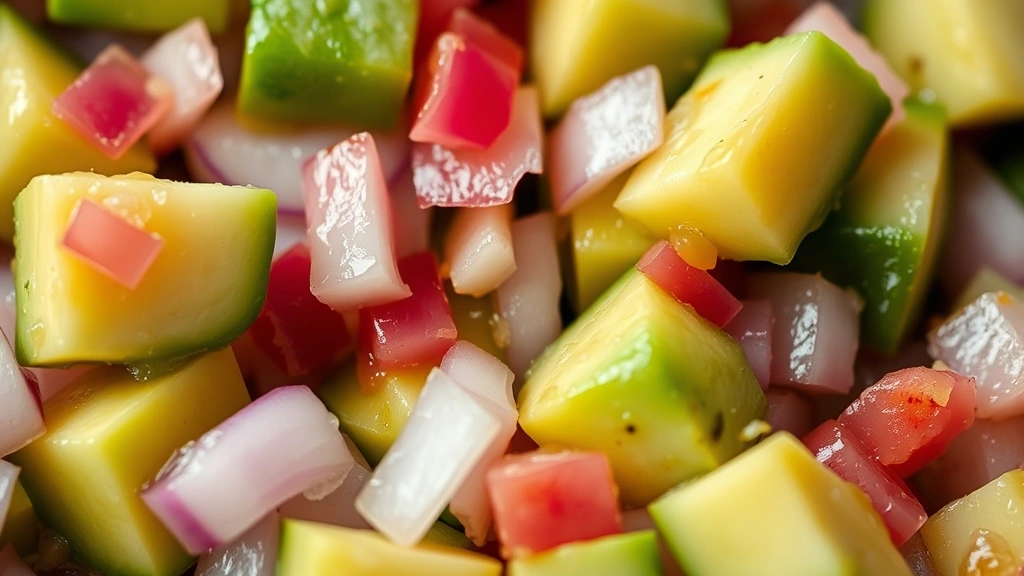
The Foundation: Ingredient Quality and Sourcing
Any serious food critique must begin with foundational elements: the ingredients themselves. Chipotle has built its brand on the promise of quality sourcing, emphasizing terms like “food with integrity” and highlighting commitments to responsibly raised meats and organic options. During my tastings, I evaluated the sensory characteristics of each component.
The rice presents a clean, slightly buttery profile with individual grain definition—competent execution, though not exceptional. The black beans deliver earthiness with a subtle cumin undertone, creating a stable flavor base. However, the pinto beans demonstrate inconsistency; some visits yielded creamy, well-seasoned legumes, while others produced mushy, underseasoned versions that dragged down the overall composition.
Protein quality varies significantly. The carnitas showcase tender, properly rendered pork with smoky-charred edges that hint at careful temperature control. The barbacoa presents deeper, more complex flavors with notes of citrus and mild heat. Conversely, the chicken—their most popular protein—often tastes bland and slightly dry, lacking the juiciness that defines premium poultry. The steak demonstrates adequate tenderness but minimal seasoning complexity, suggesting reliance on salt rather than layered flavor development.
The fresh vegetables warrant particular attention. Lettuce maintains crisp texture and clean taste. Tomatoes vary seasonally but generally provide adequate acidity. The corn salsa strikes an interesting balance between sweetness and subtle lime brightness, though the cilantro-lime rice that accompanies it sometimes overwhelms rather than complements. This is where Chipotle’s promise of freshness occasionally conflicts with operational reality—peak freshness requires impeccable supply chain management, and consistency across hundreds of locations creates inevitable variability.
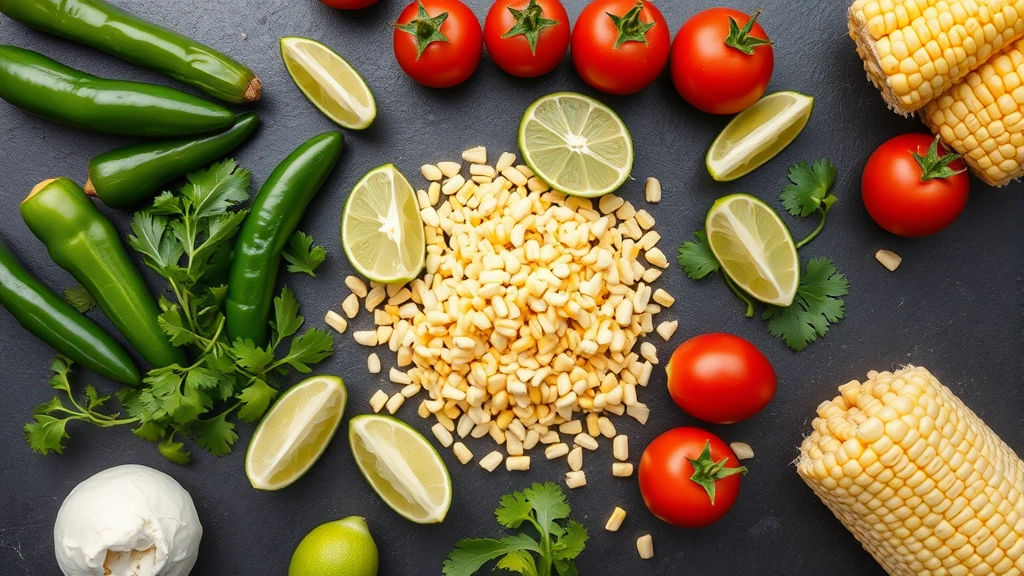
Flavor Analysis: Where Chipotle Succeeds and Stumbles
The sensory experience of Chipotle breaks down into distinct flavor categories, each worthy of analysis.
Successful flavor profiles: The hot salsa demonstrates genuine heat complexity, moving beyond simple capsaicin burn to include habanero fruitiness and jalapeño grassiness. The corn salsa offers refreshing brightness. Chipotle-honey vinaigrette dressing provides unexpected depth with balanced sweet-savory dynamics. The guacamole, when properly prepared, delivers creamy richness with adequate lime and salt balance.
Problematic areas: The queso presents a significant disappointment—it tastes artificial and overly thick, lacking the smooth, melting quality of properly made cheese sauce. The sour cream sits neutral and uninspiring, missing opportunities for subtle tang that could enhance overall composition. Most critically, the seasoning philosophy appears conservative, prioritizing safety over boldness. Even when requesting extra salt or requesting bold flavor techniques similar to those in Asian cuisine, the baseline seasoning rarely achieves the depth that transforms good ingredients into memorable meals.
The hot salsa represents Chipotle’s most successful flavor achievement, yet even this pales compared to artisanal salsas found at authentic Mexican establishments. The difference lies in cooking time—true depth requires extended simmering and careful spice toasting, practices incompatible with fast-casual operational demands. This fundamental tension defines Chipotle’s flavor ceiling: excellent ingredients constrained by assembly-line preparation.
The Customization Factor
Chipotle’s greatest strength lies in customization. The ability to build precisely what you want appeals to diverse palates and dietary preferences. I tested numerous combinations:
- Protein-focused bowls with double carnitas and minimal carbohydrates
- Vegetarian compositions emphasizing beans and salsa layering
- Macro-balanced combinations suitable for paleo-aligned eating approaches
- Flavor-forward bowls maximizing fresh vegetables and salsas
This flexibility genuinely matters. For someone following specific dietary protocols or seeking portion control, Chipotle delivers genuine value that traditional restaurants cannot. The transparency of ingredient selection—watching your bowl assembled before your eyes—builds confidence in quality and hygiene.
However, customization also reveals inconsistency. Two identical orders from the same location on different days yielded noticeably different flavor profiles, suggesting portion variability and individual preparation differences. This unpredictability undermines the premium positioning that justifies Chipotle’s price point.
Pricing and Value Proposition
A typical Chipotle bowl costs $8-$10 for basics, escalating to $12-$14 with premium proteins like carnitas or barbacoa. Add guacamole, and you’re approaching $16-$18. For this investment, you receive approximately 800-1000 calories of food, which mathematically represents reasonable value—roughly $0.02 per calorie.
Yet value transcends mathematics. Compared to casual dining restaurants offering full table service, cocktails, and atmosphere, Chipotle’s pricing feels premium for fast-casual execution. The quality gap between a $14 Chipotle bowl and a $16-$18 restaurant entrée narrows considerably when considering preparation sophistication and flavor development. This positioning challenges their market credibility, particularly among discerning food enthusiasts willing to invest slightly more for demonstrably superior experiences.
The guacamole upcharge particularly frustrates serious food lovers. Avocado costs remain reasonable, and preparation requires minimal labor. Charging extra for this essential ingredient suggests profit optimization superseding culinary philosophy. This contrasts sharply with establishments offering comprehensive protein preparations without itemized additions.
The Elephant in the Room: Chipotle Closing Restaurants
Recent news of Chipotle closing restaurants cannot be ignored when evaluating the brand’s current trajectory. These closures reflect several concerning issues: operational inefficiencies, labor challenges, and potential quality control problems that have damaged consumer confidence.
Food safety incidents have historically plagued the chain, creating perception gaps between their marketing promises and execution realities. When a company emphasizes “food with integrity” yet faces repeated contamination concerns, the credibility erosion extends far beyond individual incidents. Each closure represents a location where management couldn’t maintain operational standards, raising legitimate questions about the franchise model’s viability and whether corporate oversight adequately supports individual locations.
From a consumer perspective, these closures suggest the business model faces fundamental challenges. If Chipotle cannot maintain profitability and quality simultaneously across their existing footprint, expansion into new markets seems premature. The focus should return to perfecting operations at remaining locations, yet the pressure to maintain growth often prevents necessary consolidation.
These challenges directly impact the “worth the hype” calculation. A brand losing locations and facing operational questions presents greater risk than established competitors with stable operations and consistent execution. Loyalty to a declining brand carries implicit uncertainty about future availability and quality maintenance.
How Chipotle Compares to Alternatives
The fast-casual Mexican space includes competitors like Qdoba, Moe’s Southwest Grill, and numerous independent establishments. Through comparative tastings, distinct differences emerged.
Versus Qdoba: Qdoba offers slightly more adventurous flavor options and includes some items free that Chipotle charges for (like guacamole at certain locations). However, their execution consistency lags behind Chipotle’s, and ingredient quality appears marginally lower. The choice between them depends on whether you prioritize baseline quality (Chipotle) or value optimization (Qdoba).
Versus independent Mexican restaurants: This comparison reveals Chipotle’s fundamental limitations most clearly. Authentic establishments achieve flavor depths that assembly-line operations cannot replicate. Hand-rolled tortillas, slow-cooked meats, and recipes refined across generations create experiences that transcend Chipotle’s capabilities. However, these establishments rarely offer the customization, speed, or price predictability that Chipotle provides.
Versus homemade preparations: For quality-conscious eaters, preparing bowls at home using principles from low-carb cooking approaches or bold seasoning techniques yields superior results at lower cost. With access to quality proteins and fresh ingredients, home cooks can achieve flavor complexity that Chipotle’s operational constraints prevent.
The Verdict: Is It Worth the Hype?
After comprehensive analysis, Chipotle occupies a paradoxical position: genuinely valuable for specific use cases, yet overrated relative to the hype surrounding it.
Chipotle deserves consideration if:
- You prioritize customization and dietary control
- You seek convenient, relatively healthy fast-casual options
- You value speed and price predictability
- You appreciate transparency in ingredient selection
- You’re traveling and seeking reliable quality across locations
Chipotle disappoints if:
- You pursue sophisticated flavor development and complexity
- You expect premium pricing to correlate with premium execution
- You value consistency across visits
- You’re concerned about corporate stability and food safety history
- You’re willing to invest slightly more for demonstrably superior alternatives
The hype surrounding Chipotle reflects strong brand marketing rather than culinary superiority. They’ve successfully positioned themselves as a quality alternative to traditional fast food, which they genuinely are. However, conflating “better than McDonald’s” with “worth the premium pricing” represents a categorical error.
The current moment—with chipotle closing restaurants and operational challenges mounting—presents an opportune time for critical reassessment. The brand’s trajectory suggests potential contraction, making it less certain as a reliable dining option. For food enthusiasts seeking consistent excellence, exploring alternatives or preparing customized meals at home using techniques that prioritize flavor development may yield more satisfying results.
My recommendation: Chipotle merits occasional visits for convenience and customization, particularly when traveling or seeking quick healthy options. However, positioning it as a destination worthy of regular patronage or premium pricing seems increasingly difficult to justify, especially given current operational concerns and the availability of superior alternatives.
FAQ
Is Chipotle actually healthy?
Chipotle offers transparent nutritional information and customization enabling healthier choices. A vegetable-focused bowl with beans and salsa provides approximately 600 calories with good fiber and protein. However, portions can escalate quickly with additions, and sodium levels run higher than home-prepared equivalents. Chipotle represents a better fast-casual option than many competitors, though not inherently “healthy” without thoughtful customization.
Why is Chipotle closing restaurants?
Multiple factors contribute to closures, including operational inefficiencies, labor challenges, food safety concerns affecting brand confidence, and profitability pressures. The fast-casual model’s thin margins require exceptional execution, which Chipotle hasn’t maintained consistently across all locations. Corporate restructuring often involves closing underperforming units to improve overall financial health.
How does Chipotle compare to authentic Mexican restaurants?
Authentic establishments achieve greater flavor complexity through extended cooking times, traditional techniques, and generational recipe refinement. Chipotle excels in convenience, customization, and consistency relative to their operational model, but cannot replicate the depth of properly prepared traditional cuisine. They serve different purposes in the dining landscape.
Should I pay extra for guacamole at Chipotle?
This depends on your priorities. Guacamole adds nutritional value (healthy fats) and flavor enhancement, making it worthwhile if you enjoy avocado. However, the upcharge seems excessive relative to ingredient costs. Preparing guacamole at home costs significantly less, making it worth considering if you frequent Chipotle regularly.
Is Chipotle’s meat quality actually better than competitors?
Chipotle’s carnitas and barbacoa demonstrate superior quality to most fast-casual competitors, showing better seasoning and texture. However, they don’t approach traditional restaurant standards. The chicken, their most popular protein, often disappoints relative to expectations. Quality varies by location, suggesting inconsistent preparation protocols.
Can I trust Chipotle’s food safety practices now?
Chipotle has implemented enhanced food safety protocols following previous incidents. However, the history of contamination issues creates legitimate caution. Their current practices appear more rigorous than many competitors, but the brand’s track record warrants careful consideration, particularly for immunocompromised individuals.


