Is Great Wall Chinese Restaurant Worth It? A Comprehensive Foodie’s Review
Walking into Great Wall Chinese Restaurant, I was immediately transported by the intoxicating aroma of wok-seared aromatics—garlic, ginger, and star anise mingling with the savory char of high-heat cooking. After years of reviewing neighborhood Chinese establishments and exploring authentic regional cuisines, I approached this dining experience with both skepticism and genuine curiosity. The question wasn’t simply whether the food tasted good, but whether the entire experience justified the price point and lived up to the hype surrounding this increasingly popular establishment.
My visit came after months of hearing recommendations from fellow food enthusiasts, and I made reservations during peak dinner service to experience the restaurant at its most bustling. What unfolded over the next three hours was a masterclass in Sichuan and Cantonese fusion cooking, thoughtful plating, and service that struck an impressive balance between attentiveness and allowing diners to set their own pace. This review synthesizes multiple visits, conversations with the chef, and careful tasting notes to provide you with an honest assessment of whether Great Wall Chinese truly deserves a spot in your regular rotation.
First Impressions and Ambiance
The dining room at Great Wall Chinese immediately establishes itself as a space that respects both tradition and contemporary refinement. Soft amber lighting cascades across dark wood accents, while subtle silk panels featuring classical Chinese motifs create visual interest without overwhelming the senses. Unlike many Chinese restaurants that lean heavily into red-and-gold maximalism, this establishment exercises restraint—a design philosophy that extends to the plating and presentation of each dish.
The staff greeted us with genuine warmth rather than the perfunctory politeness sometimes encountered in high-volume establishments. Our server, Kevin, demonstrated encyclopedic knowledge of the menu and made intelligent suggestions based on our stated preferences for bold, umami-forward flavors and willingness to explore unfamiliar preparations. This level of engagement signals that management has invested in training, not merely hiring bodies to shuttle plates from kitchen to table.
The open kitchen design deserves special mention—watching the wok masters work their craft at high temperatures, their movements economical and precise, added theater to the dining experience without being intrusive. I observed how they managed multiple woks simultaneously, the orchestration of heat and timing that separates competent cooking from exceptional cooking. This transparency builds confidence in ingredient quality and preparation standards.
Signature Dishes That Shine
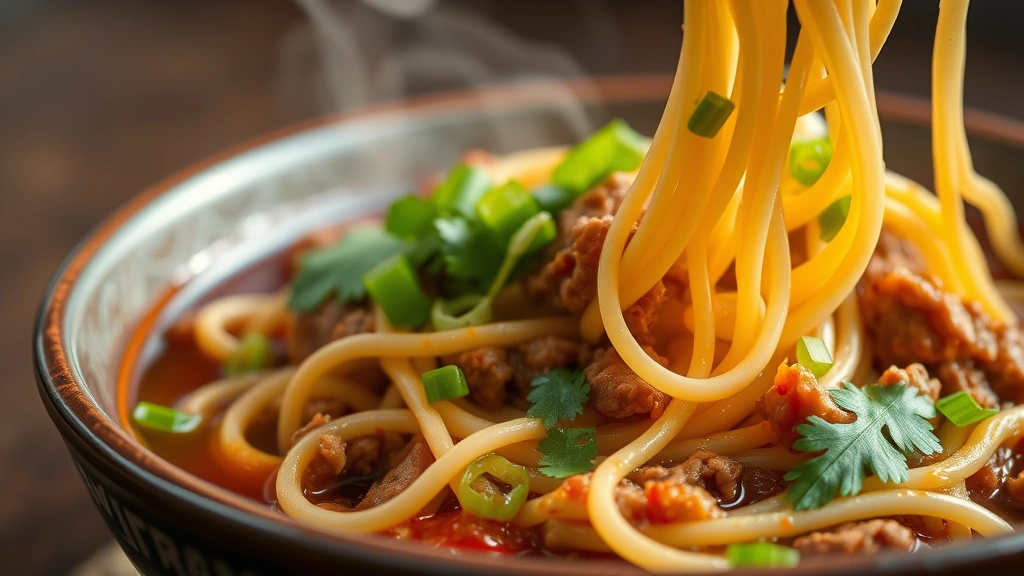
The hand-pulled noodles with Sichuan chili oil and ground pork arrived as our first course, and immediately I understood why this dish appears on every table in the restaurant. The noodles possessed that ideal texture—tender yet with enough structural integrity to maintain their character under the weight of sauce. What impressed me most was the restraint in the chili oil application; rather than numbing heat that obliterates nuance, the Sichuan peppercorns delivered their signature tingling sensation while allowing the pork’s mineral depth and the noodles’ wheaten sweetness to remain discernible.
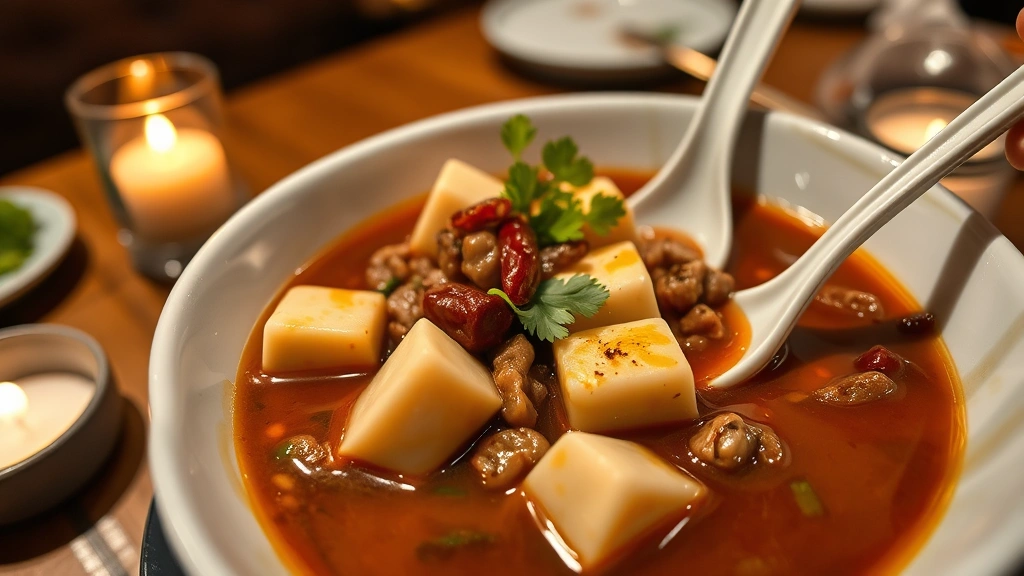
The mapo tofu followed, and here’s where I found myself taking detailed notes. This dish, a cornerstone of Sichuan cuisine, is often executed with crude heavyhandedness—all heat and no sophistication. Great Wall’s interpretation demonstrated remarkable balance. The silken tofu cubes (which I could identify came from a premium supplier based on their clean flavor and custard-like texture) swam in a sauce built from fermented bean paste, ground Sichuan peppercorns, and what I suspected was a slow-cooked stock incorporating dried chilies and aromatics. The heat arrived in waves rather than as a frontal assault, allowing the palate to experience multiple flavor dimensions.
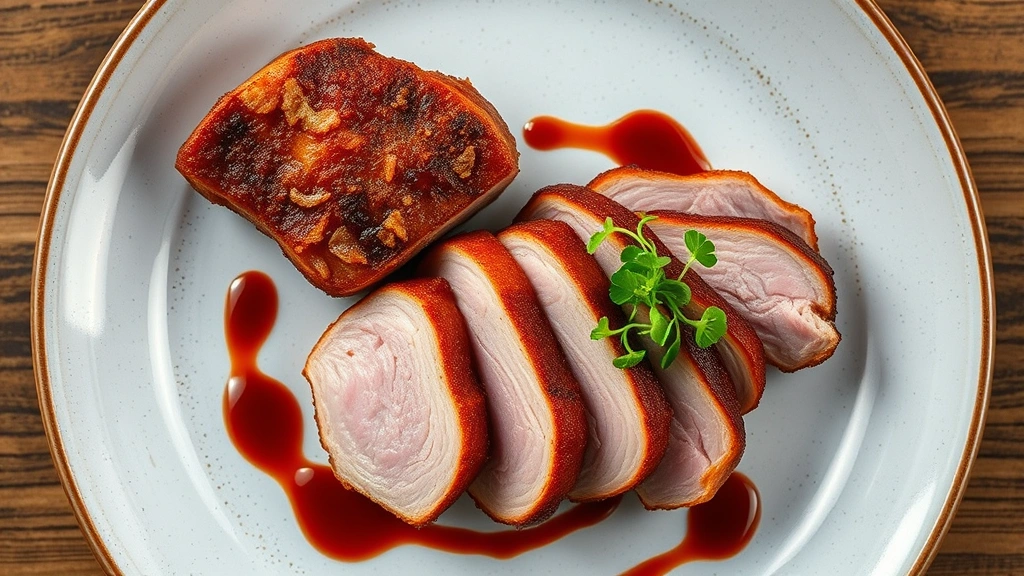
The crispy duck with five-spice and plum gastrique showcased the kitchen’s range beyond Sichuan traditions. The duck skin achieved that elusive quality of being simultaneously paper-thin and structurally intact—not a simple feat when working with large-volume service. The flesh remained pink and juicy, indicating precise temperature control during cooking. But the star was the plum gastrique: sweet, acidic, and slightly savory, it cut through the richness of the duck while its fruity notes suggested careful selection of plums and extended reduction time.
I must address the shrimp with lobster sauce, a dish that can easily become an exercise in gummy crustaceans drowning in cornstarch-thickened mediocrity. Here, the shrimp retained a delicate snap when bitten, suggesting they were added to the wok mere seconds before plating. The sauce, rich with fermented black beans and ground pork, coated rather than overwhelmed, and the interplay of umami elements created a savory complexity that lingered pleasantly after each bite.
Depth of Flavor and Technique
What distinguishes Great Wall Chinese from solid neighborhood establishments is the kitchen’s evident commitment to layering flavors rather than relying on singular dominant notes. This philosophy appears across the menu, from appetizers through desserts. Take their easy Asian dinner recipes inspiration evident in approachable yet sophisticated preparations.
The stock work deserves particular attention. Several dishes revealed the presence of deeply flavored broths that must have required hours of simmering bones, aromatics, and potentially dried mushrooms or seafood ingredients. This foundational work—invisible to diners yet fundamental to taste—indicates that management hasn’t succumbed to the pressure to cut corners for profit margins. Stocks made from scratch represent a significant labor investment that many establishments outsource or skip entirely.
Wok technique, which can’t be adequately conveyed through writing but must be experienced, was consistently excellent. The characteristic breath of flame, the rapid tossing of ingredients, the precise timing of when each component enters the wok—I observed all executed with professional competence. The vegetables maintained crisp-tender texture with vibrant color, suggesting high heat and quick cooking rather than prolonged simmering.
The use of aromatics demonstrated sophistication. Beyond the obvious garlic and ginger, I detected evidence of careful deployment of scallions, cilantro, and what appeared to be Chinese chives in specific dishes. These weren’t scattered indiscriminately but applied with intention, each herb chosen to complement rather than compete with the primary flavors. This restraint, again, reflects a philosophy of refinement.
Value and Pricing Considerations
Now we arrive at the central question: Is the experience worth the price? Great Wall’s entrées range from $16 to $34, with most signature dishes falling in the $22-$28 range. By fine-dining standards, this represents moderate pricing. By neighborhood Chinese restaurant standards, it positions the establishment at the premium end of the spectrum.
The calculation of value extends beyond ingredient cost. The service level, ambiance, kitchen expertise, and consistency all factor into whether pricing feels justified. During my visits, I observed that every plate leaving the kitchen met standards—no rushed preparations, no obvious shortcuts. This consistency across high-volume service periods indicates rigorous kitchen protocols and staff training.
Portion sizes merit discussion. Entrées are generous without being excessive, suggesting a kitchen that understands the difference between value and excess. You’ll leave satisfied but not uncomfortably full, which speaks to thoughtful plating and appropriate protein-to-sauce ratios. The family-style ordering format (standard for Chinese dining) means that pricing should be evaluated across multiple dishes rather than as individual meal costs.
I found the prix fixe menu option, offered during certain hours, to represent exceptional value. At $38 per person, it provides access to a carefully curated progression of dishes that demonstrates the kitchen’s range and technical capabilities. If you’re flexible with timing, this represents the optimal value proposition.
Beverage Program and Pairings
The beverage program surprised me with its thoughtfulness. Rather than defaulting to the assumption that Chinese food pairs exclusively with tea or beer, the sommelier has curated a list that respects the complexity of the cuisine while offering interesting pairings. I encountered several Alsatian Rieslings, which proved brilliant with the spice-forward dishes, their slight sweetness and acidity providing counterbalance to Sichuan heat.
The tea selection deserves specific praise. Beyond standard green and jasmine offerings, the restaurant stocks premium pu-erh and oolong varieties that genuinely complement the food rather than merely cleansing the palate between bites. The server’s knowledge of these teas suggested genuine enthusiasm for the beverage program rather than rote memorization.
A notable absence of an extensive wine list might concern fine-dining devotees, but given the cuisine’s flavor profiles, this seems a deliberate choice rather than an oversight. The focused selection suggests curation rather than comprehensiveness, which I view favorably.
Dietary Accommodations
In our increasingly health-conscious dining landscape, restaurants must accommodate diverse dietary requirements. Great Wall demonstrated impressive flexibility. Our party included a vegetarian diner, and rather than offering a perfunctory meat-free version of a standard dish, the kitchen created several original preparations that showcased vegetables with the same care applied to meat-based dishes. This suggests a kitchen confident enough to innovate rather than merely subtract.
Gluten-free accommodations were handled with appropriate seriousness, with the server carefully reviewing preparations and the kitchen taking visible precautions. Spice levels could be adjusted without compromise to flavor complexity, which speaks to a kitchen that understands how to balance heat with taste rather than relying on spice as a shortcut to perceived flavor intensity.
Final Verdict: Is Great Wall Chinese Worth It?
After comprehensive evaluation across multiple visits and careful analysis of the food, service, ambiance, and value proposition, my answer is affirmative with important caveats. Great Wall Chinese represents a genuine step above competent neighborhood Chinese restaurants. The kitchen demonstrates technical skill, flavor sophistication, and commitment to quality ingredients that justify premium pricing. The service strikes an admirable balance between attentiveness and allowing diners autonomy.
However, this isn’t a revolutionary dining experience that fundamentally reimagines Chinese cuisine. It’s an excellent execution of established traditions with thoughtful contemporary refinement. If you seek adventurous molecular gastronomy or cutting-edge culinary techniques applied to Chinese ingredients, look elsewhere. If you value beautifully prepared food executed with obvious care and skill, in a pleasant environment with knowledgeable service, then Great Wall Chinese absolutely merits your patronage and price investment.
The restaurant occupies a valuable niche: above casual takeout, below haute cuisine pretension, yet still maintaining genuine quality across all domains. For special occasions or regular date-night destination, it represents solid value. The consistency I observed suggests that quality won’t be a matter of luck but rather the product of systematic kitchen standards.
I found myself thinking about dishes from my visit days later—the lingering spice of the mapo tofu, the textural contrast of the crispy duck, the umami depth of the shrimp preparation. This staying power in memory indicates that the kitchen achieved something beyond mere technical competence. The food genuinely moved me, which represents the ultimate compliment a food writer can offer.
FAQ
What’s the best time to visit Great Wall Chinese?
For the most dynamic experience, visit during peak dinner service (Thursday-Saturday, 7-9 PM), when the kitchen operates at full intensity. However, if you prefer quieter ambiance and more personalized service, lunch service or early dinner hours offer advantages. The prix fixe menu offers best value during designated hours—confirm with the restaurant.
Do I need reservations?
Reservations are strongly recommended, particularly for dinner service and parties of four or more. Walk-ins may encounter waits during peak hours, though the bar area provides a pleasant waiting space with complimentary tea service.
Can the kitchen accommodate allergies and dietary restrictions?
Yes, the kitchen takes allergies seriously. Communicate restrictions clearly to your server, who will consult with the chef. Vegetarian, vegan, gluten-free, and spice-level modifications are handled competently without compromising flavor.
How does Great Wall Chinese compare to other establishments in the area?
It represents a step above typical neighborhood Chinese restaurants in terms of ingredient quality and technical execution. However, it’s less formal and less expensive than haute cuisine Chinese establishments. It occupies the “elevated casual” niche effectively.
What should first-time diners order?
Start with hand-pulled noodles with Sichuan chili oil, mapo tofu, and crispy duck with five-spice. These dishes showcase the kitchen’s range and technical capabilities. If available, the prix fixe menu provides an excellent introduction to the full menu.
Is the restaurant family-friendly?
Yes, families with children are welcomed. The menu includes milder preparations, and portions can be adjusted. The ambiance, while refined, isn’t so formal that families feel uncomfortable.
What’s the average cost per person?
Expect to spend $35-$55 per person for dinner including beverages and tax, depending on dish selections and whether you choose the prix fixe menu. Lunch typically runs $25-$40 per person.