Houston Restaurant Week stands as one of Texas’s most anticipated culinary events, transforming the city’s dining landscape into a playground for food enthusiasts and casual diners alike. This biannual celebration invites patrons to experience world-class cuisine at accessible price points, with participating establishments curating special tasting menus that showcase their culinary prowess. During these designated weeks, Houston’s restaurant scene pulses with creative energy as chefs push boundaries, test innovative flavor combinations, and demonstrate why this vibrant city has become a serious contender in America’s gastronomic hierarchy.
Throughout my extensive tastings during Houston Restaurant Week, I’ve discovered that the true magic lies not merely in discounted dining, but in the opportunity to witness culinary artistry at its finest. Each plate tells a story of ingredient sourcing, technique refinement, and the chef’s personal philosophy. The restaurants participating in this event represent Houston’s incredible diversity—from elevated French bistros to cutting-edge fusion concepts, from traditional steakhouses to innovative vegan establishments. What unites them is an unwavering commitment to excellence and a desire to share their culinary vision with the broader community.
Standout Appetizers and First Impressions
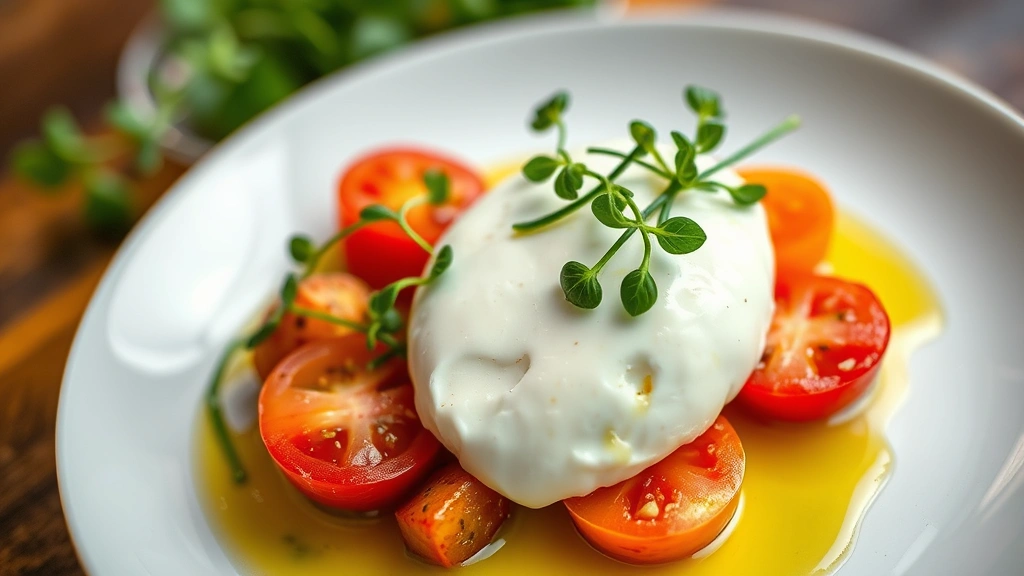
The opening course sets the tone for an entire dining experience, and Houston’s Restaurant Week participants understand this fundamental principle. I encountered appetizers that demonstrated remarkable restraint alongside others that embraced boldness with confidence. One particularly memorable starter featured a delicate composition of burrata cheese, heirloom tomatoes, and basil oil—a seemingly simple arrangement that revealed layers of complexity with each bite. The tomatoes had been selected at peak ripeness, their natural sweetness amplified by slow dehydration, while the basil oil provided an herbaceous whisper that elevated the entire plate.
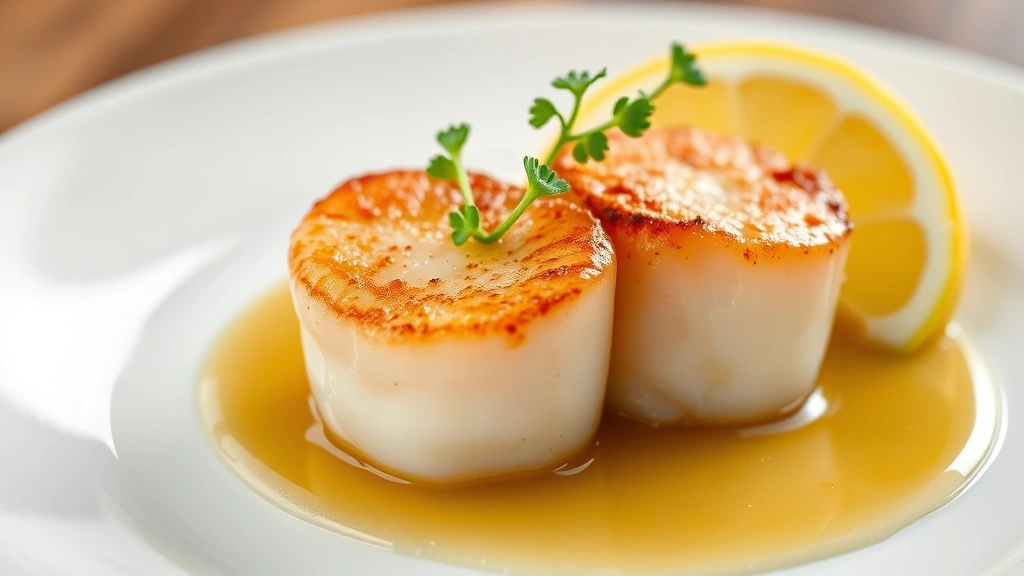
Another standout appetizer showcased the chef’s technical mastery: a seafood crudo featuring day-boat scallops, thinly sliced and arranged with surgical precision. The scallops possessed that prized buttery texture that only comes from impeccable sourcing and immediate preparation. They were accompanied by a citrus emulsion infused with yuzu and white miso, creating an umami-forward sauce that complemented the delicate sweetness of the raw mollusk. Microgreens and edible flowers provided visual interest without overwhelming the palate, demonstrating the chef’s understanding that restraint often speaks louder than excess.
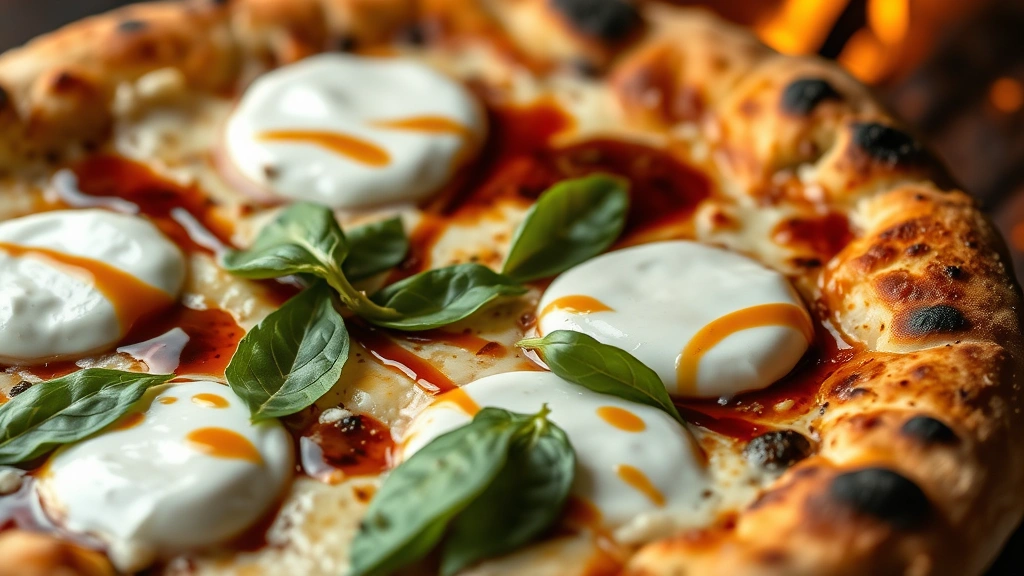
For those seeking warmth and comfort, several restaurants offered innovative takes on bread-based starters. I was particularly impressed by a crispy bread course featuring house-made focaccia alongside a whipped burrata and herb butter that reminded me why understanding garlic bread fundamentals matters even at the highest culinary levels. The focaccia demonstrated exceptional dough handling, with an impossibly crispy exterior giving way to an airy, open crumb structure. The olive oil infused into the dough sang with Tuscan notes, suggesting the chef’s commitment to ingredient quality extends to pantry staples that lesser establishments might overlook.
Fried preparations appeared frequently throughout the week, and when executed with precision, they offered textural contrasts that elevated simple ingredients. One restaurant presented crispy calamari that shattered between the teeth, revealing tender flesh within, accompanied by a charred lemon aioli and jalapeño threads that provided brightness and heat. The cooking temperature had been controlled with such precision that the squid achieved perfect doneness without any rubbery texture—a technical accomplishment that speaks to kitchen discipline and experience.
Exceptional Entrée Experiences
The main course represents the centerpiece of any tasting menu, and Houston Restaurant Week showcases entrées that range from classical preparations to avant-garde interpretations. I experienced a beef dish that exemplified modern steakhouse philosophy: a perfectly aged ribeye, seared until a mahogany crust formed, then finished in a wood-fired oven that imparted subtle smokiness. The meat itself possessed that distinctive mineral quality that only comes from proper dry-aging, where enzymatic breakdown creates concentrated beef flavor. It was served alongside a bone marrow custard that seemed almost decadent in its richness, paired with charred brassicas and a red wine reduction that had been built from beef stock and aged wine, creating depth and complexity.
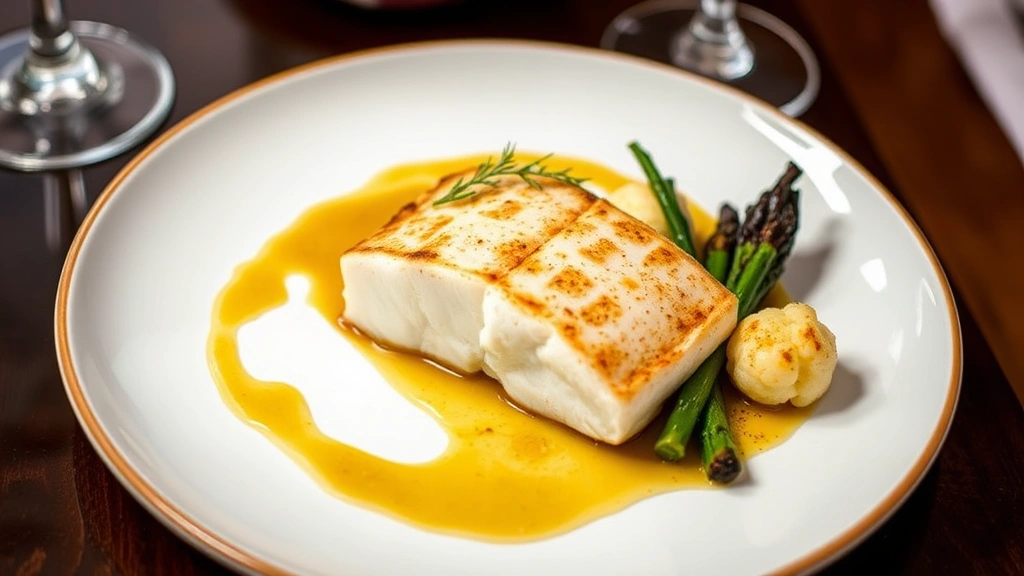
For seafood enthusiasts, several restaurants offered preparations that honored the pristine quality of their proteins. A halibut dish I encountered featured a perfectly cooked fillet with skin crisped to shattering texture, resting on a bed of cauliflower purée infused with brown butter and sage. The sauce—a beurre blanc enhanced with white miso—created umami resonance that made the delicate fish sing. The plate demonstrated the chef’s understanding that seafood requires finesse rather than heavy-handed saucing, yet still demands flavor complexity that elevates it beyond simplicity.
Vegetable-forward entrées represented perhaps the most innovative preparations. One particularly creative dish featured roasted carrots as the main component, treated with the same respect typically reserved for premium proteins. The carrots had been slow-roasted until their natural sugars caramelized, creating an almost meaty texture and concentrated sweetness. They were accompanied by a carrot top chimichurri, carrot seed brittle, and a fermented carrot vinaigrette—demonstrating how a single ingredient could be explored across multiple preparation techniques and flavor profiles. This approach aligns beautifully with the principles outlined in vegetable-forward cooking techniques, where ingredient quality and preparation method determine success.
Pasta courses appeared in several menus, and their execution revealed the depth of technical knowledge present in Houston’s culinary community. One standout featured hand-rolled tagliatelle dressed with a bolognese that had simmered for over twelve hours, allowing the meat to break down completely into the sauce. The result was a silky, luxurious coating that clung to the pasta with remarkable cohesion. Fresh Parmigiano-Reggiano was shaved tableside, its crystalline crunch providing textural contrast. This preparation reminded me why understanding pasta sauce fundamentals remains essential even in elevated culinary contexts.
Desserts That Define Indulgence
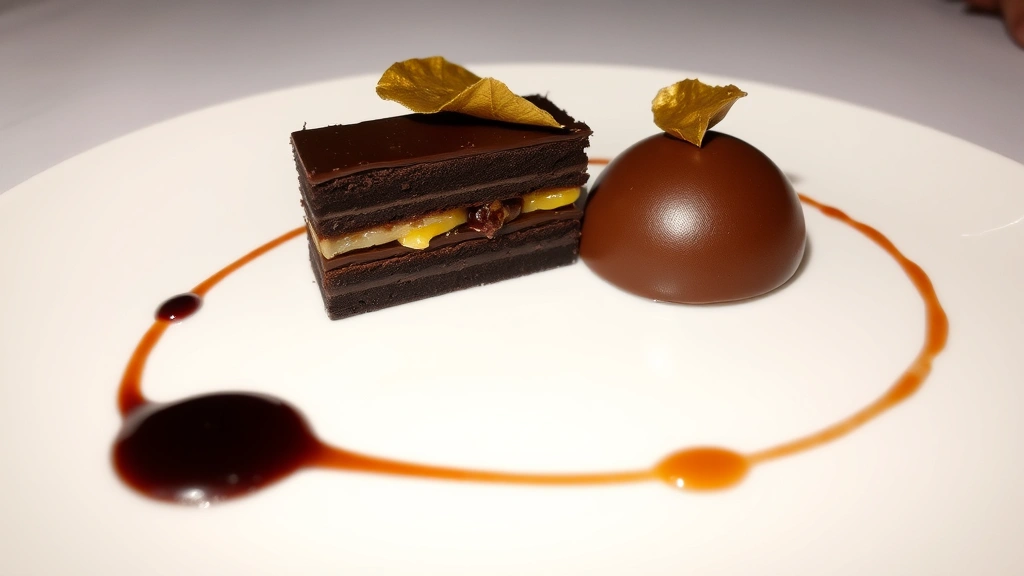
The final course offers an opportunity for chefs to showcase their pastry skills and creative vision. Houston Restaurant Week desserts ranged from classical techniques executed with precision to innovative creations that challenged conventional flavor combinations. One chocolate dessert particularly impressed me: a dark chocolate torte with an inner layer of passion fruit curd, topped with a chocolate cremeux and edible gold leaf. The bitterness of the chocolate created perfect counterpoint to the tart passion fruit, while the texture progression from dense cake to silky cremeux provided sensory interest.
A citrus-forward dessert featured a Meyer lemon curd tart with a deconstructed meringue—dots of torched meringue providing sweetness and textural contrast against the bright, acidic filling. The pastry crust had been made with brown butter, imparting a subtle nutty flavor that enhanced rather than competed with the lemon. Candied lemon peel provided additional texture and bitter-sweet notes that sophisticated palates would appreciate.
For those seeking lighter finales, several restaurants offered fruit-based desserts that celebrated seasonal produce. A summer berry composition featured fresh berries arranged with a berry coulis, vanilla panna cotta, and crispy tuile cookies that shattered delightfully. The restraint demonstrated here—allowing the fruit’s natural flavors to shine rather than burying them under sweetness—reflects a mature culinary philosophy that prioritizes ingredient quality above all else.
Savory-sweet preparations also appeared, demonstrating the experimental nature of Houston’s culinary scene. One memorable dessert featured miso caramel paired with vanilla ice cream and crispy pretzel elements, creating a sophisticated sweet-salty-bitter balance that lingered long after the final spoonful.
Beverage Pairings and Cocktail Creativity
The beverages accompanying each course deserve their own attention, as skilled sommeliers and bartenders elevated the dining experience through thoughtful pairings. Wine pairings demonstrated deep knowledge of both the dishes being served and the wines themselves. I encountered a Burgundy pairing with a delicate seafood course that seemed counterintuitive until the wine’s subtle earthiness proved the perfect foil for the dish’s briny notes. Another pairing featured an orange wine—a white wine fermented on its skins—alongside a vegetable-forward course, creating aromatic complexity that traditional white wines might not achieve.
Cocktail programs at participating restaurants showcased impressive technical skills and flavor creativity. One establishment offered a drink featuring house-made bitters infused with charred citrus, paired with an aged rum and herbal liqueur. The flavor profile evolved as the drink warmed and the ice melted, demonstrating the bartender’s understanding that a cocktail is a dynamic experience rather than a static creation. Another standout featured clarified milk punch—a technique requiring patience and precision—combined with bourbon and spiced elements that created a silky, luxurious mouthfeel.
Non-alcoholic options demonstrated equal creativity, with several restaurants offering zero-proof beverages that displayed sophisticated flavor development. A house-made cordial featuring herbs and spices proved that complexity doesn’t require alcohol, while a sparkling tea-based drink offered refreshment without sacrificing interesting flavor notes.
Hidden Gems Worth Discovering
While established fine dining institutions participated prominently in Houston Restaurant Week, some of the most exciting discoveries came from lesser-known establishments eager to showcase their culinary vision. One neighborhood restaurant I visited demonstrated that exceptional food doesn’t require fine dining formality. The chef’s tasting menu featured bold flavors and creative presentations while maintaining an approachable, welcoming atmosphere. This approach aligns with the philosophy of restaurants that balance quality with accessibility, proving that fine dining and casual dining represent points on a spectrum rather than absolute categories.
An Italian restaurant focusing on regional specialties offered a menu that celebrated lesser-known dishes from specific Italian regions. Rather than relying on familiar classics, they prepared hand-made pastas using traditional techniques passed down through generations. Their commitment to authentic preparation, sourcing Italian ingredients directly from producers, demonstrated that respect for culinary tradition can coexist with contemporary plating and presentation. This experience reinforced why exploring Italian restaurant options remains endlessly rewarding.
A Southeast Asian fusion restaurant demonstrated how cultural influences could be woven together with intelligence and restraint. Rather than creating a confused mishmash of flavors, the chef had carefully selected techniques and ingredients that genuinely complemented each other. A dish combining Thai flavor profiles with French technique and Japanese ingredient sensibilities created something entirely new while honoring each culinary tradition represented.
Chef Philosophies and Kitchen Techniques
Through conversations with participating chefs, I gained insight into the philosophies driving their culinary visions. Many emphasized the importance of relationship-building with suppliers, describing how knowing the farmers and purveyors behind their ingredients creates accountability and ensures quality. One chef spoke passionately about visiting farms personally, understanding growing conditions, and timing harvests to capture ingredients at peak ripeness. This commitment extends beyond simple ingredient sourcing into a philosophy of food systems awareness.
Technical precision emerged as a common thread among all participating chefs. Many mentioned the importance of understanding the science behind cooking—how temperature affects protein structure, how salt timing influences flavor development, how acid brightens and balances dishes. Several referenced resources like the American Culinary Federation, which emphasizes continuing education and technical mastery. This commitment to understanding the “why” behind techniques distinguishes professional chefs from home cooks who simply follow recipes.
Sustainability and ethical sourcing represented important considerations for many participating establishments. Chefs discussed their efforts to minimize waste, utilize whole animals and plants, and support local producers whenever possible. One chef described a comprehensive nose-to-tail philosophy that elevated every part of an animal to the same level of respect, creating dishes from parts that lesser kitchens might discard. This approach demonstrates how ethical considerations and culinary excellence can reinforce rather than conflict with each other.
The importance of plating and presentation emerged repeatedly in conversations, with chefs explaining how visual appeal primes the palate and creates anticipation. Many described how they approach plating as an extension of the dish’s flavor story, using colors, heights, and negative space to communicate their culinary intentions. This understanding that eating involves all senses—not merely taste—reflects sophisticated culinary thinking that elevates food beyond mere sustenance.
Understanding fundamental techniques like bread-making emerged as important even in fine dining contexts, with several chefs describing how they personally oversee bread production or work closely with dedicated bread makers. The belief that bread quality affects the entire dining experience demonstrates how attention to detail extends to components that casual diners might overlook.
FAQ
What is Houston Restaurant Week and when does it occur?
Houston Restaurant Week is a biannual culinary event that invites diners to experience prix fixe menus at participating restaurants. Typically occurring in January and July, the event features special menus at reduced price points, allowing broader access to fine dining establishments. The exact dates vary yearly, so checking the official Houston Restaurant Week website ensures you have current information.
How are the price points structured during Houston Restaurant Week?
Most participating restaurants offer three-course prix fixe menus at set price points—typically ranging from $33 to $67 depending on the establishment’s level. Some restaurants may offer additional options or wine pairings at supplementary costs. The pricing structure aims to provide value while allowing restaurants to maintain quality standards.
Should I make reservations in advance?
Absolutely. Popular restaurants book their entire week within days of the event announcement. Making reservations as early as possible ensures you secure tables at your preferred establishments and dining times. Many restaurants use OpenTable or their own reservation systems for bookings.
Can I customize the prix fixe menus?
This varies by restaurant. Some establishments offer flexibility with their menus, accommodating dietary restrictions or preferences, while others present fixed selections. When making reservations, mention any dietary needs or allergies, and the restaurant will communicate what accommodations they can provide.
Are beverages included in the prix fixe price?
Typically, beverages are separate from the prix fixe menu price. Wine pairings, cocktails, and other drinks usually involve additional costs, though some restaurants may include wine pairings as part of their offering. Check the specific restaurant’s details for clarity.
What makes Houston Restaurant Week special compared to dining outside the event?
During Restaurant Week, chefs often create special menus specifically for the event, allowing them to showcase signature dishes and experimental preparations. The prix fixe format encourages diners to try establishments they might not otherwise visit, and the concentrated participation creates a city-wide culinary celebration. It’s an excellent opportunity to experience high-quality cooking at more accessible price points.