Is Jalisco’s Salsa the Best? Customer Reviews and Flavor Analysis
When dining at a Jalisco Mexican restaurant, the salsa arrives before the main course—a crucial first impression that sets the tone for your entire meal. For decades, Jalisco-style salsa has captivated palates across North America, earning passionate devotion from food critics and casual diners alike. But what makes this particular regional variation so exceptional? Is it truly the best, or does that distinction remain subjective? Through comprehensive customer reviews and sensory evaluation, we’ll explore the complex layers of flavor, texture, and tradition that define authentic Jalisco salsa.
Jalisco, Mexico’s vibrant western state, boasts a culinary heritage steeped in fresh ingredients and time-honored preparation methods. The region’s salsa represents more than a condiment—it embodies generations of flavor expertise, careful ingredient selection, and an intuitive understanding of how heat, acid, and umami harmonize on the palate. Whether you’re a dedicated salsa enthusiast or exploring Mexican cuisine for the first time, understanding what makes Jalisco’s version distinctive will deepen your appreciation for this foundational dish.
Defining Jalisco Salsa: Regional Characteristics
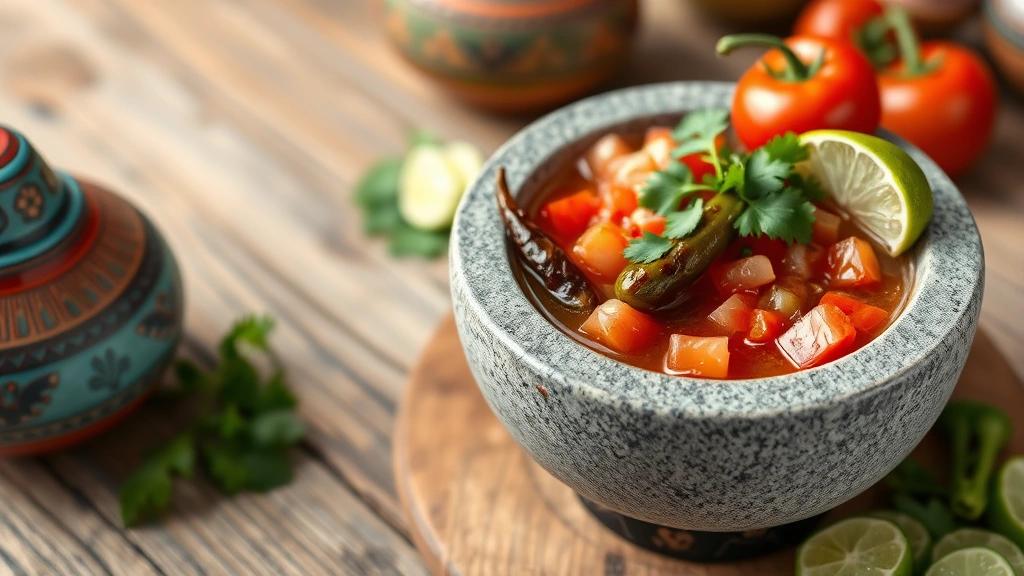
Jalisco salsa distinguishes itself through a careful balance of fresh tomatoes, charred chiles, and bright acidic notes that dance across your palate without overwhelming it. Unlike heavier, more tomato-forward preparations from other regions, Jalisco’s version celebrates individual ingredient clarity while maintaining remarkable cohesion. The salsa typically features a medium viscosity—neither too chunky nor overly smooth—allowing each component to announce itself distinctly.
The region’s geographical advantages cannot be overstated. Jalisco’s climate produces exceptionally flavorful tomatoes with natural sweetness that requires minimal additional seasoning. The volcanic soil contributes mineral complexity, while consistent sunshine ensures optimal ripeness. This terroir advantage means that Jalisco salsas often taste more vibrant and alive than versions made with inferior produce.
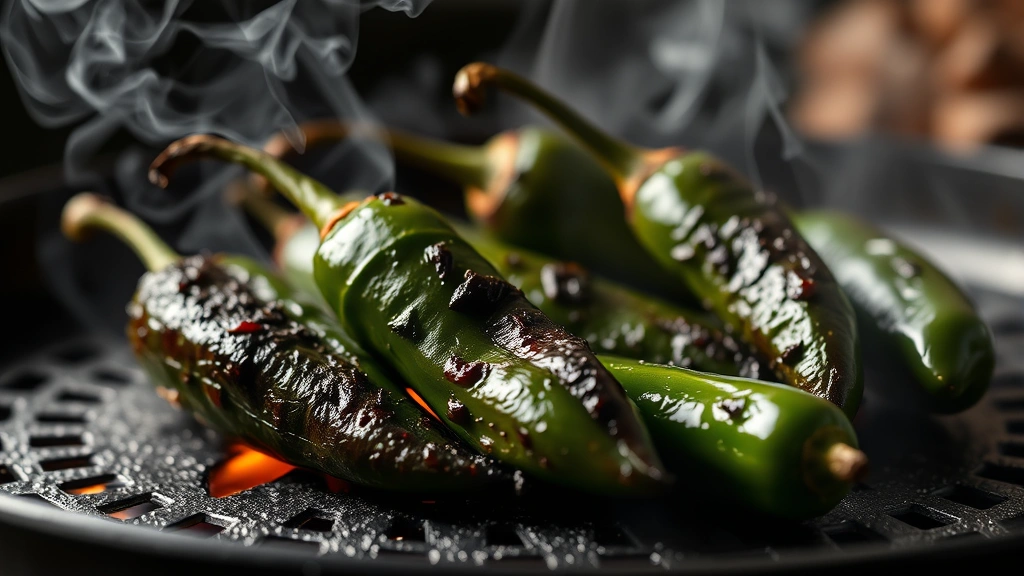
Charring plays a pivotal role in Jalisco-style preparation. Whether using jalapeño peppers, serranos, or a combination, authentic versions incorporate direct flame exposure that creates smoky undertones and slightly bitter notes. This controlled bitterness acts as a flavor anchor, preventing the salsa from becoming one-dimensional. The charring process also slightly softens the chile’s raw bite, making the heat more approachable while maintaining its distinctive character.
The Flavor Profile: What Makes It Distinctive
Tasting a properly prepared Jalisco salsa reveals a sophisticated flavor architecture. The initial impression is bright and fresh, with tomato acidity stimulating salivary glands and awakening taste receptors. Within seconds, charred chile heat emerges—not aggressive or lingering, but present and respectful. The middle palate reveals subtle sweetness from both tomatoes and roasted chiles, while cilantro and lime juice provide herbal brightness and additional acidity.
What separates exceptional Jalisco salsa from mediocre versions is the absence of harsh chemical notes and the presence of what food scientists call “umami depth.” The combination of tomatoes and roasted chiles creates natural glutamates that trigger savory satisfaction. This umami foundation explains why Jalisco salsa pairs so seamlessly with tortilla chips, tacos, and grilled proteins—it enhances rather than overwhelms complementary flavors.
The heat level in authentic Jalisco salsa typically registers between 2,500 to 8,000 Scoville Heat Units, depending on chile selection and preparation. This moderate range allows diners to enjoy the salsa repeatedly without palate fatigue. Unlike some regional preparations that build heat intensity progressively, Jalisco salsa delivers relatively consistent warmth throughout the tasting experience.
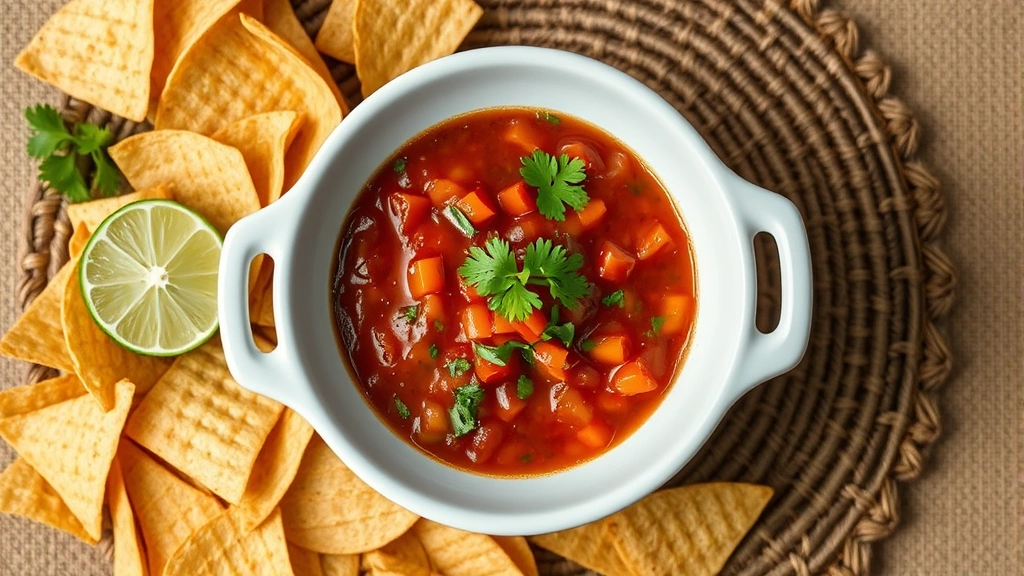
Texture contributes significantly to the overall experience. The slight chunkiness provides satisfying mouthfeel and visual appeal, while maintaining enough cohesion for easy chip scooping. This textural balance requires careful knife work and timing—over-processing creates an undesirable paste, while insufficient blending results in disconnected components.
Customer Reviews and Testimonials
Diners consistently praise Jalisco salsa for its authenticity and flavor balance. One frequent reviewer noted: “The moment the salsa arrived at our table, I could tell this wasn’t mass-produced. The fresh cilantro aroma hit first, followed by that perfect char on the peppers. It tasted like someone’s grandmother made it in her kitchen.” This sentiment repeats across numerous reviews—customers recognize and appreciate the handcrafted quality.
Professional food critics have devoted considerable attention to Jalisco-style preparations. The International Association of Culinary Professionals has recognized several restaurants specializing in authentic Jalisco cuisine, with salsa quality frequently cited as a distinguishing factor. Critics emphasize that exceptional salsa requires restraint—knowing when to stop adjusting seasoning demonstrates true culinary confidence.
Temperature consistency receives praise from observant diners. “The salsa arrived at room temperature, not cold like some places serve it,” one reviewer commented. “This allowed the flavors to express themselves fully. I could taste the individual components without numbing my palate.” This detail reflects understanding of how temperature affects flavor perception and ingredient interaction.
Home cooks attempting to recreate the experience often struggle with replicating the charred depth. “I’ve tried making this at home probably fifty times,” another reviewer shared. “I can get close, but there’s something about the restaurant version that I can’t quite capture. It’s probably the quality of their chiles and the precise charring technique.” This honest assessment highlights why professional preparation remains superior for most home cooks.
Consistency emerges as another praised element. Regular customers note that their favorite restaurants maintain remarkable flavor consistency across multiple visits. “I’ve been coming here for three years, and the salsa tastes exactly the same every time. That’s incredibly difficult to achieve,” one loyal diner observed. This consistency reflects rigorous ingredient sourcing and standardized preparation protocols.
Ingredient Quality and Sourcing
The foundation of exceptional Jalisco salsa rests entirely on ingredient quality. Restaurants earning the highest customer reviews prioritize sourcing practices that ensure peak freshness and flavor. Many establishments work directly with local suppliers or maintain relationships with specific farms known for superior produce.
Tomato selection requires particular attention. The best Jalisco salsas use vine-ripened tomatoes harvested at optimal maturity—not the pale, mealy specimens common in supermarkets. These tomatoes possess natural sugars that balance acidity and create the rounded, complete flavor profile that distinguishes Jalisco-style preparations. Some restaurants source heirloom varieties that offer additional flavor complexity.
Chile sourcing presents its own challenges. Jalapeños and serranos vary considerably in heat level and flavor intensity depending on growing conditions and harvest timing. Experienced restaurants develop relationships with suppliers who understand their specific needs and can provide consistent quality. Some establishments even source fresh chiles from Jalisco itself, ensuring authenticity and optimal flavor.
Cilantro quality directly impacts the final product. Fresh, vibrant cilantro with no yellowing or wilting contributes bright, grassy notes that elevate the entire preparation. Restaurants that receive daily cilantro deliveries maintain superior quality compared to those using older stock. The herb’s delicate nature means that proper storage and rapid usage remain essential.
Lime juice should always be fresh-squeezed immediately before use. Bottled lime juice introduces metallic or preserved flavors that compromise the salsa’s brightness. This seemingly small detail separates authentic preparations from shortcuts, and discerning customers consistently notice the difference.
Onion selection matters more than many realize. White onions contribute sharpness and pungency, while some preparations incorporate red onions for subtle sweetness. The onion’s quality affects how its flavors integrate with other components. Raw onion should provide bite without overwhelming the palate or creating unpleasant aftertastes.
Traditional Preparation Methods
Authentic Jalisco salsa preparation begins with flame work. Whether using a gas stovetop or traditional comal (griddle), direct flame exposure to chiles creates the characteristic smoky depth. The cook must monitor the chiles carefully—sufficient charring develops flavor, but excessive burning introduces acrid, unpleasant notes. This requires experience and intuition that cannot be rushed.
Some traditional preparations use a molcajete (stone mortar and pestle) for grinding rather than blending. This method gently crushes ingredients while maintaining texture and preventing oxidation that can occur with electric processing. The molcajete’s rough surface aerates the salsa minimally, preserving bright flavors and preventing browning.
Timing and sequencing matter considerably. Most authentic preparations combine charred chiles with raw tomatoes, allowing the heat to slightly soften the tomatoes while maintaining their fresh quality. Cilantro and lime juice are incorporated at the very end to preserve their volatile aromatic compounds. Salt is added judiciously, with tasting and adjustment occurring throughout the process.
Temperature control extends beyond the charring phase. After preparation, allowing the salsa to rest briefly at room temperature enables flavors to meld and develop. Some chefs prefer serving salsa immediately for maximum brightness, while others advocate brief resting periods for improved flavor cohesion.
Batch sizes remain relatively small in quality-focused establishments. This ensures that each batch receives individual attention and adjustment. Large-batch preparation introduces consistency challenges and makes it difficult to respond to ingredient variations.
How It Compares to Other Regional Salsas
Mexican cuisine encompasses numerous regional salsa styles, each reflecting local ingredients and culinary traditions. Jalisco’s version distinguishes itself through several key characteristics when compared to alternatives.
Compared to Oaxacan preparations, Jalisco salsa emphasizes brightness and fresh ingredient character rather than complex chile blending. Oaxacan salsas often incorporate multiple chile varieties and sometimes include dried chiles, creating deeper, more layered heat. Jalisco versions celebrate singular chile purity and fresh tomato clarity.
When evaluated against Yucatán-style salsas, Jalisco preparations are less heavily influenced by habanero heat and citrus intensity. Yucatán versions often feature lime and orange juice, creating tropical brightness that differs considerably from Jalisco’s more straightforward approach.
Compared to northern Mexican salsa preparations, Jalisco versions tend toward more refined, balanced heat rather than aggressive chile intensity. Northern regions sometimes emphasize raw, uncooked preparations that highlight individual ingredient freshness over integrated flavor development.
Jalisco salsa versus salsa roja (red sauce): While both feature tomatoes and chiles, salsa roja often incorporates cooked elements and sometimes includes garlic in larger quantities. Jalisco preparations typically emphasize fresh, raw components combined with flame-charred chiles—a distinct preparation philosophy.
The distinction extends to texture and presentation. Jalisco salsa maintains moderate chunkiness, while some regional variations trend toward either completely smooth purees or very chunky preparations. This textural middle ground appeals to broader audiences while maintaining authentic character.
Where to Find Authentic Jalisco Salsa
Identifying restaurants serving genuinely authentic Jalisco salsa requires attention to several indicators. Look for establishments that emphasize regional Mexican cuisine rather than Americanized adaptations. The best date night restaurants near me often feature authentic preparations, as diners seeking special occasions prioritize quality.
Restaurants displaying visible salsa preparation areas—where you can observe the charring and mixing—demonstrate confidence in their methods. This transparency indicates pride in the process and willingness to showcase technique.
Staff knowledge provides important clues. Servers and hosts who can discuss ingredient sourcing, preparation methods, and flavor characteristics demonstrate restaurant commitment to authenticity. Questions about chile varieties, tomato sources, or preparation timing should elicit informed responses.
Customer longevity serves as a reliable indicator. Restaurants maintaining loyal customer bases across multiple years typically deliver consistent quality. Long-term success in competitive markets requires maintaining standards that justify repeat visits.
Reviews mentioning specific flavor notes—charred pepper depth, fresh cilantro brightness, balanced heat—suggest genuine tasting experiences rather than generic praise. Detailed customer observations indicate customers with palate awareness and experience evaluating food quality.
Pricing can indicate quality commitment. Establishments using premium ingredients and maintaining rigorous preparation standards necessarily charge higher prices than those cutting corners. While not always a perfect indicator, unusually low prices sometimes suggest shortcuts in ingredient quality or preparation care.
Location within or near established Mexican communities often correlates with authenticity. Restaurants operating in neighborhoods with significant Mexican populations face pressure from knowledgeable customers to maintain traditional standards.
Many food enthusiasts also explore best Italian restaurants near me to compare how different culinary traditions approach foundational dishes, which provides valuable perspective on salsa quality standards.
FAQ
Is Jalisco salsa actually the best, or is this subjective?
Salsa preference ultimately remains personal, but Jalisco’s regional style has earned widespread recognition from food critics, culinary professionals, and experienced diners. Its balanced flavor profile, ingredient quality emphasis, and traditional preparation methods create objective quality markers. However, individual preferences for heat level, texture, or specific flavor notes will naturally vary. The best salsa is ultimately the one that brings you genuine pleasure and satisfaction.
Can I make authentic Jalisco salsa at home?
Yes, though achieving restaurant-quality results requires attention to ingredient sourcing and technique. Focus on obtaining the freshest, highest-quality tomatoes and chiles available. Invest in a proper charring method—a gas stovetop or grill works well. Use a molcajete if possible, though a food processor works adequately. Most importantly, taste constantly and adjust seasoning gradually. Many home cooks find that their results improve significantly with repeated attempts as they develop intuition for proper seasoning balance.
What makes Jalisco salsa different from other Mexican salsas?
Jalisco salsa emphasizes fresh ingredient clarity combined with controlled charring that adds smoky depth without overwhelming the palate. The balance between heat, acidity, and sweetness differs from other regional styles. Preparation methods tend toward simplicity—fewer ingredients treated with care rather than complex blending of multiple chile varieties. The result is a salsa that tastes bright, balanced, and respectful of individual ingredient character.
Why is temperature important when serving salsa?
Temperature affects flavor perception and ingredient interaction significantly. Cold salsa numbs taste receptors and suppresses aromatic compound volatility, muting the bright, fresh qualities that distinguish quality preparations. Room temperature salsa allows full flavor expression and permits proper appreciation of subtle notes. Some diners prefer slightly warm salsa, which further enhances aromatic perception.
How should I evaluate salsa quality when dining out?
Assess the aroma first—quality salsa should smell fresh and vibrant with distinct cilantro and chile notes. Observe the texture and appearance; proper consistency should be moderately chunky with visible herb pieces. Taste it plain before adding it to other dishes. Note the flavor progression—initial brightness, developing heat, and lingering notes. Consider whether individual ingredients remain distinct or whether they blend into an undifferentiated mass. Quality salsa should taste fresh, balanced, and complex without being overwhelming.
Can restaurant-quality salsa be mass-produced?
While some larger operations maintain quality standards, authentic Jalisco salsa truly benefits from small-batch preparation. Mass production introduces challenges with flavor consistency, oxidation prevention, and ingredient freshness maintenance. The best salsa remains a product of careful attention to detail, ingredient quality, and preparation timing—factors that scale poorly. Small-batch producers can adjust for ingredient variations and maintain the handcrafted quality that distinguishes exceptional salsa.
What’s the difference between salsa and pico de gallo?
While both feature similar ingredients, they differ in preparation and texture. Pico de gallo remains entirely raw with distinct, chunky pieces and no blending or integration of flavors. Salsa involves some degree of mixing and flavor blending, often incorporating cooked elements like charred chiles. Salsa typically achieves more flavor cohesion and unified taste experience, while pico de gallo celebrates individual ingredient distinctness. Some preparations blur these lines, but the distinction generally holds true in traditional Mexican cuisine.


