Best Colombian Dishes: Local Restaurant Reviews & Authentic Culinary Guide
Colombia’s culinary landscape represents one of South America’s most underrated gastronomic treasures, offering a remarkable fusion of indigenous traditions, Spanish colonial influences, and Caribbean coastal flavors. When searching for restaurante colombiano cerca de mi, you’re embarking on a sensory journey through regional specialties that have been perfected over centuries, each dish telling stories of Colombia’s diverse geography—from high-altitude Andean valleys to lush tropical coasts. The nation’s food culture celebrates community, tradition, and the extraordinary quality of its agricultural bounty, particularly its world-renowned coffee, tropical fruits, and premium proteins.
This comprehensive guide explores the essential Colombian dishes you must experience, provides authentic restaurant recommendations, and delves into the flavor profiles that make Colombian cuisine distinctly memorable. Whether you’re seeking comfort in a steaming bowl of ajiaco or craving the crispy perfection of empanadas, understanding what defines authentic Colombian dining will transform how you appreciate this magnificent culinary tradition.
Signature Colombian Dishes Explained
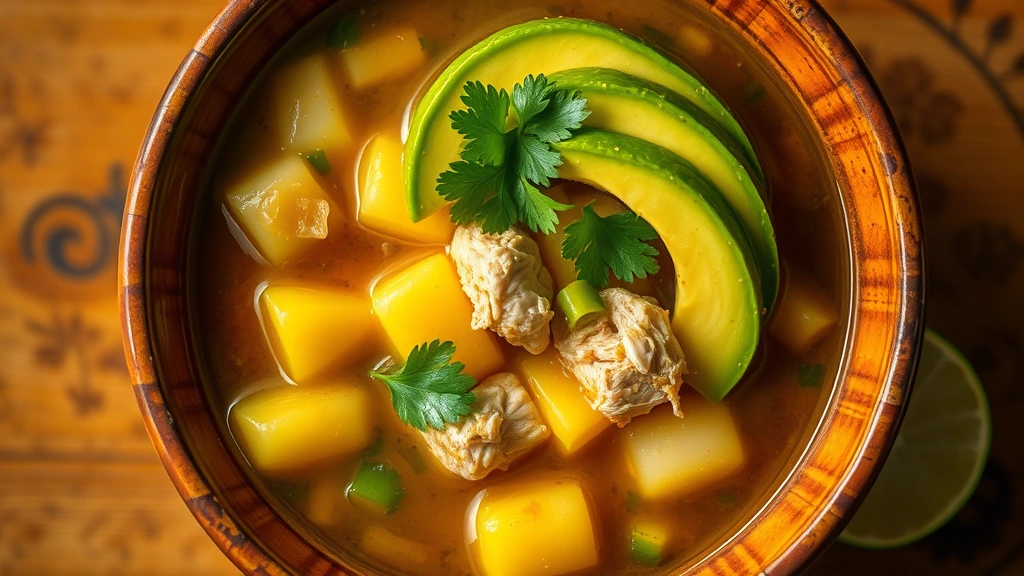
Colombian cuisine centers around several iconic dishes that represent the nation’s culinary identity. Ajiaco, perhaps Colombia’s most beloved national soup, exemplifies the complexity achievable through seemingly simple ingredients. This hearty preparation combines three distinct potato varieties—large yellow potatoes, white potatoes, and small red potatoes—each contributing different textures and subtle flavor dimensions. The broth, enriched with chicken, corn, and regional herbs, develops a deep, comforting character that warms from the inside. The addition of avocado slices, fresh cilantro, and lime juice at the table allows diners to customize their experience, creating layers of brightness against the creamy, earthy base.
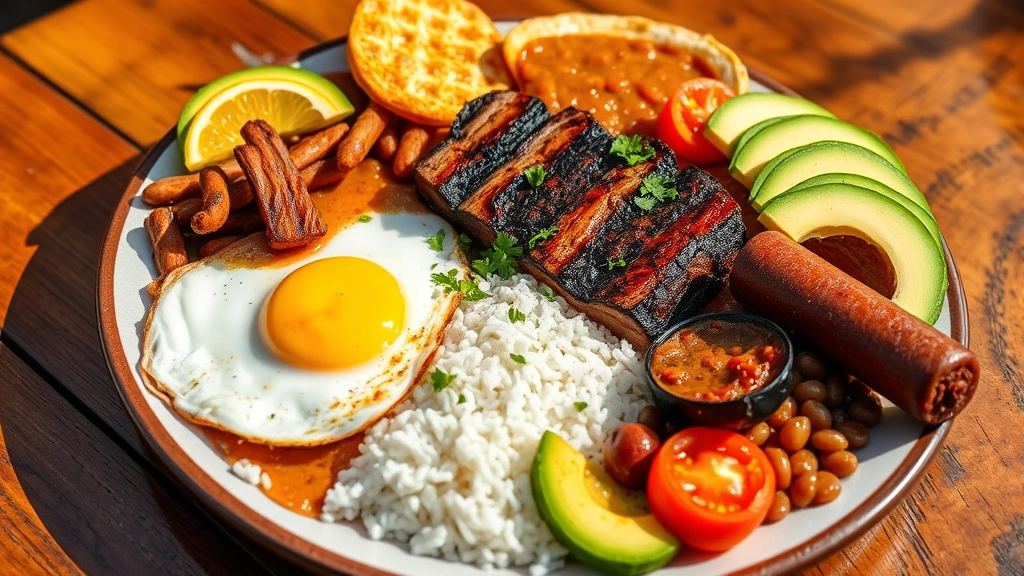
Bandeja Paisa, originating from the Antioquia region, represents Colombian abundance on a single plate. This mountainous composition includes grilled meat, crispy chicharrón (fried pork belly), chorizo, blood sausage, a fried egg, white rice, beans, arepa, avocado, and fresh tomato slices. The textural contrast proves revelatory—crispy against creamy, tender against firm—while the interplay of smoky, salty, and fresh flavors creates an unforgettable experience. This dish demands appreciation for unapologetic indulgence and celebrates the resourcefulness of mountain communities.
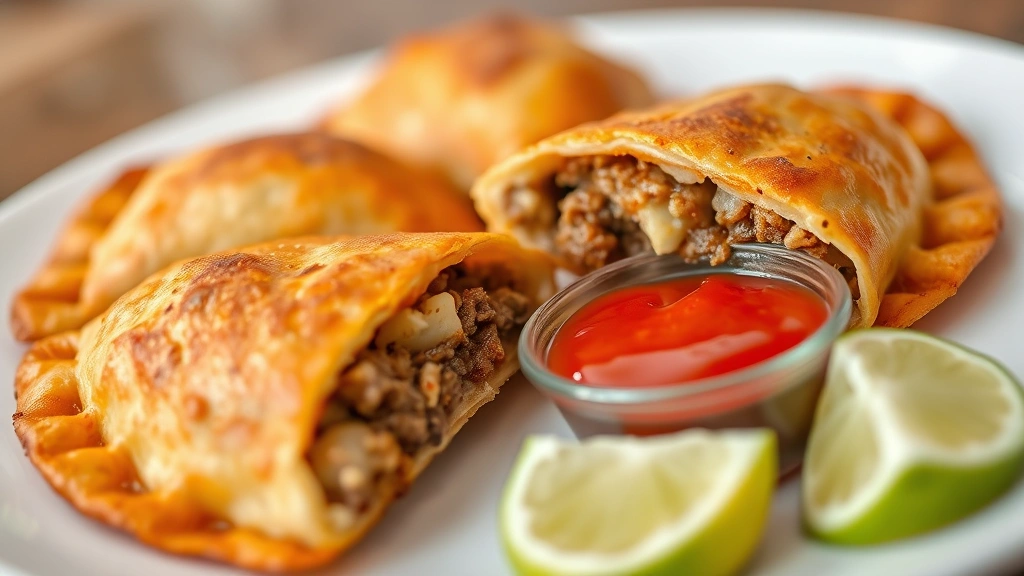
Empanadas showcase Colombian mastery of handheld comfort. These golden-fried pastries encase seasoned beef, potato, and sometimes cheese, creating a crispy exterior that yields to a savory, slightly spiced interior. The masa (dough) achieves a delicate crispness through careful frying technique, while the filling balances umami richness with subtle heat. Served with ají picante (hot sauce) or lime-infused dipping sauces, empanadas represent street food elevated to art form. Learn more about paleo-friendly dinner options if you’re seeking lighter preparations.
Ceviche Colombiano differs from its Peruvian counterpart, featuring fresh fish or shrimp cured in lime juice and combined with tomatoes, onions, cilantro, and occasionally coconut milk for richness. The acidic cure transforms raw seafood into tender, flavorful bites while the tropical fruit notes from lime juice create brightness. Coastal regions prepare this dish with remarkable freshness, often incorporating local white fish varieties that flake delicately when cured properly.
Sancocho represents Colombian peasant cooking elevated to comfort food status. This thick stew combines meat (typically beef or chicken), plantains, yams, cassava, corn, and aromatic vegetables in a slow-cooked preparation that develops profound savory depth. The starch vegetables break down slightly, thickening the broth naturally while contributing subtle sweetness. Regional variations introduce different proteins and vegetables based on local availability, making sancocho a living tradition that adapts across Colombian geography.
Arepa, the beloved cornmeal cake found throughout Colombia, deserves special attention as both vehicle and standalone delicacy. This golden disc, made from masa (corn dough), can be filled with cheese, shredded meat, or beans, or served simply with butter and avocado. The exterior achieves a slight crust while the interior remains tender and subtly sweet. Arepas appear at every meal, from breakfast through dinner, representing the foundation of Colombian eating culture.
Regional Specialties Worth Discovering
Colombia’s diverse geography creates distinct regional cuisines, each reflecting local ingredients and cultural traditions. The Caribbean Coast emphasizes seafood, coconut, and tropical fruits. Dishes like arroz con coco (coconut rice) and fresh fish preparations showcase the region’s maritime bounty. The use of coconut milk creates creamy, aromatic dishes that taste of salt air and tropical abundance. Coastal restaurants near you may offer ceviches and seafood cocktails that capture this essence.
The Andean Region, including Bogotá and surrounding highlands, favors hearty potato-based dishes reflecting high-altitude agriculture. Beyond ajiaco, this region produces exceptional papa rellena (stuffed potatoes) and chorizo preparations that have earned international recognition. The cooler climate traditionally preserved meats through smoking and curing, creating distinctive flavor profiles.
The Pacific Coast combines African, indigenous, and Spanish influences into unique preparations. Dishes feature plantains, coconut, and seafood in combinations found nowhere else in Colombia. The region’s isolation historically created distinct culinary traditions that deserve exploration.
The Coffee Region (Eje Cafetero) centers around Medellín and Armenia, offering mountain cuisine featuring locally-raised pork, fresh vegetables, and bean preparations. The cooler climate produces exceptional vegetables like cabbage and green beans that appear in regional specialties. Explore low-carb dinner recipes incorporating similar vegetables for home preparation.
The Eastern Plains (Llanos) celebrate cattle ranching with grilled meat traditions. Asado (grilled meat), often served with arepas and fresh cheese, represents the region’s pastoral heritage. The preparation emphasizes meat quality and simple cooking techniques that honor the protein.
Amazon Region cooking incorporates unique indigenous ingredients including various fish species, jungle fruits, and foraged items rarely found elsewhere. This frontier cuisine represents ancient food traditions adapted for tropical rainforest living.
Finding Authentic Colombian Restaurants Near You
When searching for restaurante colombiano cerca de mi, several factors distinguish authentic establishments from tourist-oriented venues. Authenticity indicators include family ownership, Spanish-language menus (or at minimum, Spanish as primary language), and kitchen staff with Colombian heritage. Look for restaurants decorated with Colombian art, flags, or photographs indicating genuine cultural connection rather than generic Latin American aesthetics.
Menu authenticity reveals itself through inclusion of regional specialties and seasonal variations. Legitimate Colombian restaurants feature multiple ajiaco preparations, various arepa fillings, and regional dishes like bandeja paisa or sancocho. The presence of less-known dishes like mondongo (tripe stew) or lengua (beef tongue) indicates serious culinary commitment rather than simplified menus designed for unfamiliar palates.
Ingredient quality distinguishes exceptional Colombian restaurants. Premium establishments source Colombian products including authentic areparina (corn flour), imported cheeses, and fresh cilantro. The use of proper plantain varieties and appropriate potato selections demonstrates commitment to authentic preparation. Some restaurants maintain relationships with Colombian suppliers, ensuring ingredient authenticity.
Preparation techniques matter significantly. Authentic Colombian cooking involves time-intensive processes—slow-cooked stews, hand-made empanadas, and fresh arepa preparation. Restaurants rushing these preparations compromise flavor development. Ask about preparation times; legitimate Colombian restaurants never hurry their cooking.
Beverage programs reveal cultural authenticity. Genuine Colombian restaurants feature Colombian coffee, often prepared as café con leche (coffee with hot milk) for breakfast. Look for fresh fruit juices (jugos naturales), horchata, and traditional beverages indicating serious cultural engagement. Discover fish recipe preparations that complement Colombian seafood traditions.
Service style reflects Colombian hospitality values. Family-owned restaurants typically feature warm, personalized service with staff happy to discuss dishes, preparation methods, and regional origins. They welcome questions about ingredients and cooking techniques, viewing education as part of the dining experience.
Atmosphere considerations include communal dining traditions, family groups sharing meals, and multi-generational clientele. Authentic Colombian restaurants serve as community gathering spaces where regulars feel like extended family. The volume level typically runs higher than formal establishments, reflecting the social, celebratory nature of Colombian eating culture.
When visiting restaurante colombiano cerca de mi, arrive with appetite and curiosity. Colombian portions reflect abundance and generosity; expect generous servings. The meal pace follows Colombian tradition—leisurely, conversational, and unhurried. Embrace the rhythm rather than rushing; dining represents cultural participation, not mere food consumption.
Explore roasted vegetable preparations common in Colombian side dishes, and consider vegetarian options for plant-based Colombian dining experiences.
The Colombian Dining Experience
Understanding Colombian dining culture enhances restaurant appreciation. Meal timing follows a distinctive pattern: breakfast (desayuno) features arepas, fresh fruit, and café con leche; lunch (almuerzo) represents the main meal, typically consisting of soup, protein, rice, beans, and vegetables; dinner (cena) tends toward lighter fare like arepas, empanadas, or patacones (fried plantain slices). This rhythm reflects agricultural traditions and work patterns developed over generations.
The social dimension of Colombian dining cannot be overstated. Meals represent family bonding, community connection, and cultural transmission. Restaurant visits often involve extended family groups, multiple generations sharing tables, and lengthy conversations interspersed with eating. The experience values relationship-building over efficiency, creating dining occasions that last hours.
Flavor appreciation in Colombian cuisine emphasizes balance rather than intensity. While spice appears in dishes, heat never overwhelms other flavors. Instead, dishes balance savory umami, subtle sweetness from vegetables and starches, bright acidity from lime and cilantro, and creamy richness from fats. This restraint allows diners to appreciate multiple flavor layers rather than experiencing palate-numbing heat.
Customization traditions appear throughout Colombian dining. Ajiaco arrives with separate plates of avocado, cilantro, and lime for individual adjustment. Arepa fillings allow personal selection. Condiment tables feature various sauces enabling flavor modification. This approach respects individual preferences while maintaining dish integrity, reflecting Colombian values of hospitality and accommodation.
The beverage culture emphasizes natural drinks and coffee. Agua de panela (unrefined cane sugar water with lime), fresh fruit juices, and herbal teas appear alongside meals. Colombian coffee, served strong and black or as café con leche, accompanies breakfast and frequently concludes meals. This beverage tradition reflects the nation’s agricultural heritage and cultural identity.
Dessert traditions include flan, tres leches cake, and fresh fruit preparations. Many Colombian restaurants offer simple fruit plates or traditional sweets reflecting regional specialties. Desserts tend toward moderate sweetness, allowing appreciation of ingredient quality rather than sugar intensity.
Traditional Beverages & Pairings
Colombian Coffee deserves extensive discussion given its global reputation. The nation’s high-altitude growing regions produce beans with exceptional complexity—fruity notes, chocolate undertones, and balanced acidity. Authentic preparation involves strong brewing and serving in smaller cups than typical American coffee. The ritual of sharing coffee represents hospitality and friendship in Colombian culture. Pair rich, savory dishes with bold coffee for complementary flavor intensity.
Agua de Panela, made from unrefined cane sugar dissolved in hot water with lime and sometimes ginger, offers refreshing sweetness with subtle tartness. This traditional drink appears at breakfast and provides afternoon refreshment. The subtle molasses notes complement savory morning arepas and fried foods beautifully.
Fresh Fruit Juices (Jugos Naturales) showcase Colombia’s tropical abundance. Jugo de guanabana (soursop juice) offers creamy, slightly tart notes. Jugo de lulo provides tropical brightness. Jugo de mora (blackberry juice) delivers deep fruit flavor. These fresh preparations, often blended with water or milk, provide natural refreshment and complement spiced or rich dishes through their brightness.
Horchata, made from rice flour, almonds, and spices, offers creamy, subtly sweet comfort. This traditional beverage appears throughout Colombian dining and pairs beautifully with fried foods and desserts, cutting richness with its mild sweetness.
Colombian Beer has developed significantly in recent years. Local breweries produce lagers and craft beers that pair excellently with Colombian cuisine. The carbonation and mild bitterness complement fried foods and rich stews while providing palate cleansing between bites.
Chicha, a traditional fermented corn beverage, appears in some traditional establishments, offering earthy, slightly sour notes reflecting pre-Hispanic traditions.
Discover additional culinary insights about beverage traditions and food pairings throughout the world.
FAQ
What makes Colombian cuisine distinct from other Latin American cuisines?
Colombian cuisine emphasizes balanced flavors, fresh ingredients, and time-intensive cooking techniques. While other Latin American cuisines often feature intense spice or bold flavors, Colombian cooking celebrates ingredient quality and subtle complexity. The extensive use of potatoes, corn, plantains, and beans reflects the nation’s agricultural heritage. Regional diversity creates multiple distinct culinary traditions within Colombia, unlike more homogeneous national cuisines.
How spicy is authentic Colombian food?
Authentic Colombian cuisine features moderate heat levels. While ají picante (hot sauce) accompanies many dishes, the base preparations rarely include intense spice. Heat comes from optional condiments rather than incorporated into dishes, allowing diners to control spice levels. This approach respects ingredient flavors rather than masking them with heat.
What should I expect regarding portion sizes at Colombian restaurants?
Colombian restaurants serve generous portions reflecting cultural values of abundance and hospitality. Expect meals substantially larger than typical American restaurant servings. Many diners share dishes or request takeaway containers. The abundance represents respect and care for guests rather than expectation of complete consumption.
Are Colombian restaurants vegetarian-friendly?
While Colombian cuisine traditionally centers around meat and seafood, vegetarian options exist. Arepas can be filled with cheese or beans; many restaurants prepare bean-based dishes. However, vegetarian diners should communicate preferences clearly, as traditional Colombian cooking often uses meat or animal products for flavor. Some restaurants accommodate special requests willingly, particularly family-owned establishments.
How do I identify an authentic Colombian restaurant in my area?
Look for family ownership, Spanish-language menus, Colombian staff, and regional specialties beyond basic offerings. Authentic restaurants feature ajiaco variations, multiple arepa preparations, and less-common dishes like mondongo. Ask about ingredient sourcing and preparation times; legitimate establishments never rush Colombian cooking. Visit during lunch hours when authentic restaurants serve their core clientele rather than tourists.
What regional Colombian dishes should I prioritize experiencing?
Start with ajiaco and bandeja paisa to understand Colombian flavor foundations. Explore regional specialties based on your location: coastal ceviche, Caribbean coconut rice, Andean potato dishes, and coffee region preparations. Each region offers distinct culinary traditions worth discovering. Ask restaurant staff about their regional origins and signature preparations reflecting their heritage.
How important is coffee to Colombian dining culture?
Colombian coffee represents cultural identity and hospitality. The ritual of sharing coffee bonds people and concludes meals meaningfully. Understanding proper Colombian coffee preparation—strong, served in small cups, often with hot milk—enhances appreciation of dining traditions. Coffee appears throughout the day, from breakfast through evening social gatherings.
What beverages pair best with Colombian meals?
Fresh fruit juices provide brightness complementing rich dishes. Colombian beer offers carbonation for palate cleansing. Coffee concludes meals traditionally. Agua de panela provides refreshing sweetness. These beverages reflect local traditions and agricultural abundance rather than imported options. Selecting traditional beverages enhances cultural immersion and supports local businesses.