Vegan Restaurant Picks: Food Critic’s Top Choices
The vegan dining landscape has undergone a remarkable transformation over the past decade, evolving from a niche offering of simple salads and vegetable sides into a sophisticated culinary movement that rivals traditional fine dining establishments. As a food critic who has spent countless hours evaluating restaurants across diverse cuisines and price points, I can confidently say that the best vegan restaurants today are not merely accommodating dietary preferences—they’re pushing the boundaries of flavor, technique, and creativity in ways that captivate even the most devoted omnivores.
What distinguishes exceptional vegan restaurants from mediocre ones is their unwavering commitment to understanding the fundamental principles of taste and texture. The most accomplished chefs in this space recognize that removing animal products requires a deeper knowledge of umami, fermentation, and layered flavor development. These culinary artists have mastered the art of coaxing extraordinary depth from plant-based ingredients through innovative preparation methods, bold seasoning strategies, and a genuine passion for their craft.
Throughout my career, I’ve discovered that the finest vegan establishments share common characteristics: impeccable sourcing of seasonal produce, creative use of fermented ingredients, masterful execution of technique, and an atmosphere that celebrates plant-based dining rather than treating it as a compromise. In this comprehensive guide, I’ll share my curated selections of top-tier vegan restaurants, breaking down what makes each one truly exceptional and offering insights into the culinary philosophies that define contemporary vegan cuisine.
The Rise of Elevated Vegan Cuisine
The transformation of vegan dining from marginalized to mainstream represents one of the most significant shifts in contemporary gastronomy. What began as a movement rooted primarily in ethical and environmental concerns has blossomed into a genuine culinary revolution, attracting world-class chefs who view plant-based cooking as an intellectual and creative challenge worthy of their talents and expertise.
The turning point came when pioneering chefs began treating vegan cuisine with the same rigor and innovation applied to Michelin-starred establishments. Rather than simply removing animal products from traditional dishes, these culinary innovators started from first principles, asking fundamental questions about flavor development, textural contrast, and sensory satisfaction. This philosophical shift opened entirely new possibilities, leading to the discovery that plant-based cooking could be just as complex, nuanced, and deeply satisfying as any cuisine centered on animal proteins.
Today’s most celebrated vegan restaurants employ techniques borrowed from molecular gastronomy, classical French cuisine, Asian fermentation traditions, and modern culinary science. They understand that umami—that savory, mouth-filling sensation—doesn’t require meat; it can be expertly cultivated through mushrooms, miso, nutritional yeast, soy sauce, and carefully developed flavor layers. They recognize that textural variety is essential to culinary satisfaction, creating dishes that balance crispy, creamy, chewy, and delicate elements with surgical precision.
The credibility of contemporary vegan cuisine has been substantially elevated through recognition from prestigious culinary organizations and publications. Several vegan and vegan-friendly restaurants have earned Michelin stars, a validation that would have seemed impossible just fifteen years ago. This institutional recognition has attracted serious culinary talent and investment to the sector, creating a virtuous cycle of innovation and excellence.
Fine Dining Vegan Excellence
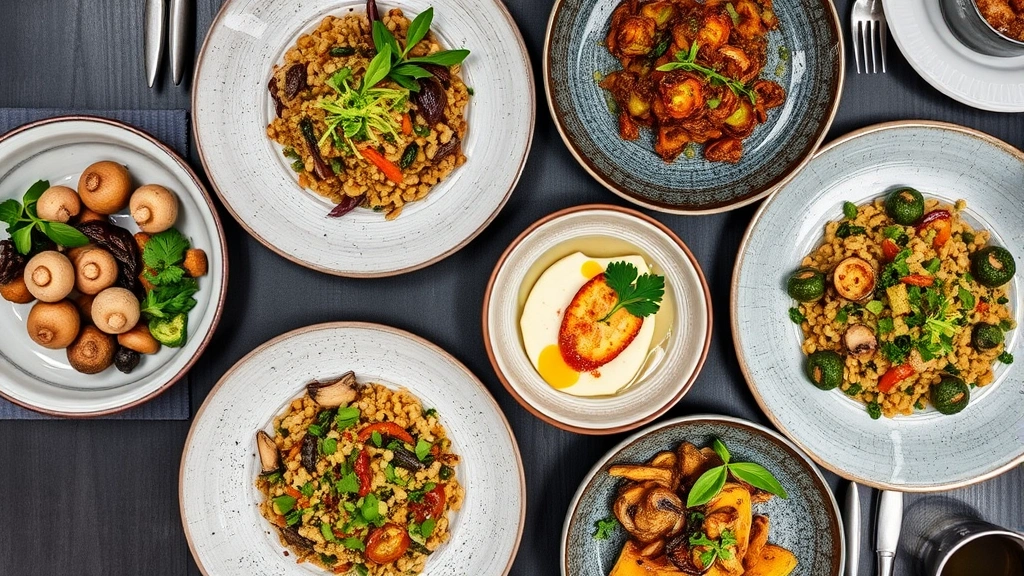
The pinnacle of vegan restaurant experiences can be found in fine dining establishments that have committed entirely to plant-based cuisine without compromising on sophistication, ambiance, or the meticulous attention to detail that defines haute cuisine. These restaurants operate with the same exacting standards as their conventional counterparts, but with the added creative constraint of working exclusively with plant-based ingredients.
What makes fine dining vegan restaurants particularly impressive is their ability to create multi-course tasting menus that maintain momentum, surprise, and satisfaction across seven to twelve courses. Each plate must demonstrate technical mastery, aesthetic beauty, and genuine deliciousness. The chef must consider flavor progression, textural variety, temperature contrasts, and the psychological pacing of the meal—all while working within the boundaries of plant-based ingredients.
The finest vegan fine dining establishments distinguish themselves through several key characteristics. First, they source ingredients with the same obsessive attention to quality and provenance that characterizes the best conventional restaurants. They work with specialty producers, foragers, and farmers who understand their vision and can provide ingredients at peak ripeness and flavor. Second, they employ classical culinary techniques alongside contemporary innovations, demonstrating mastery across multiple cooking methodologies. Third, they maintain impeccable service standards and thoughtfully designed dining environments that enhance rather than distract from the food.
The wine pairing programs at top-tier vegan restaurants deserve special mention. Sophisticated sommeliers have developed deep expertise in pairing wines with plant-based dishes, understanding how tannins, acidity, and flavor profiles interact with vegetables, grains, legumes, and creative vegan preparations. These pairings often surprise guests by demonstrating that wine and vegan food create equally compelling combinations as wine and animal protein.
When visiting a fine dining date night restaurant focused on vegan cuisine, prepare yourself for an experience that prioritizes culinary artistry and gastronomic exploration. These establishments typically offer limited seatings, extensive tasting menus, and a commitment to creating memorable experiences through food. The investment in these meals is justified by the creativity, technical skill, and genuine passion evident in every course.
Casual Vegan Gems Worth Discovering
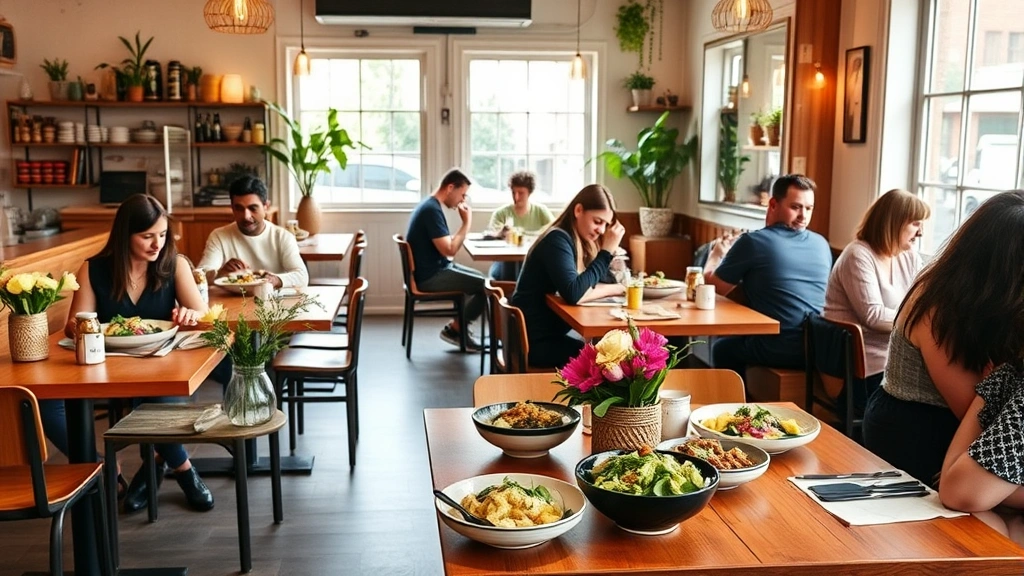
Beyond fine dining, the most exciting developments in vegan cuisine are happening in casual, neighborhood-focused restaurants that prioritize accessibility, genuine flavor, and community connection. These establishments prove that exceptional vegan cooking doesn’t require white tablecloths, formal plating, or astronomical price points. Instead, they focus on delivering delicious, satisfying food in relaxed environments where diners feel welcome regardless of their dietary orientation.
The best casual vegan restaurants understand that approachability is not antithetical to quality. They serve food that’s exciting enough to draw devoted food lovers but unpretentious enough to satisfy someone seeking simply a really good meal. Many of these establishments have discovered that vegan cuisine naturally lends itself to bold flavors, vibrant presentations, and the kind of soul-satisfying comfort that keeps customers returning regularly.
What distinguishes excellent casual vegan restaurants from mediocre ones is their commitment to flavor-building and ingredient quality despite operating with lower price points. They achieve this through intelligent menu design, strategic use of seasonality, and deep knowledge of how to maximize flavor through technique rather than expensive ingredients. A brilliant vegan burger, perfectly executed stir-fried noodles, or expertly seasoned bean-based chili can be just as memorable and satisfying as any fine dining experience.
The social aspect of casual vegan restaurants should not be underestimated. These establishments often become gathering places for their communities, attracting diverse crowds united by appreciation for excellent food. They’re ideal for restaurants open late where friends gather to share meals and conversation, or for discovering vegan cuisine if you’re new to plant-based dining.
Many casual vegan restaurants have built their reputations on specific cuisines or preparation styles. You’ll find outstanding vegan Mexican establishments, Asian fusion concepts, Mediterranean-inspired cafes, and innovative fast-casual concepts. This diversity reflects the reality that plant-based cooking is not a single cuisine but rather a philosophical approach that can be applied across virtually every culinary tradition.
International Vegan Flavors
Some of the world’s most celebrated cuisines have strong plant-based traditions that make them natural fits for vegan dining. Exploring vegan restaurants that specialize in international cuisines offers an opportunity to engage with authentic culinary traditions while discovering how different cultures have historically approached plant-based cooking.
Mediterranean cuisine, which forms the basis of many of the world’s healthiest diets, offers tremendous depth for vegan interpretation. The region’s abundant vegetables, legumes, grains, and olive oil create naturally plant-forward dishes like hummus, falafel, tabbouleh, and vegetable-based meze. The best Mediterranean vegan restaurants understand that the region’s cooking philosophy prioritizes seasonal produce, bold flavors, and time-honored techniques. These establishments often feature wood-fired ovens, slow-cooked legumes, and the kind of rustic elegance that characterizes the finest Mediterranean dining.
Asian cuisines present equally rich opportunities for vegan excellence. Chinese cooking, with its sophisticated understanding of wok technique and flavor balancing, creates exceptional plant-based dishes. Japanese cuisine, built on principles of simplicity and ingredient respect, naturally accommodates vegan cooking through dishes highlighting vegetables, grains, and fermented products like miso and soy sauce. Thai cuisine’s mastery of balance between spicy, salty, sour, and sweet creates inherently satisfying vegan dishes. Indian cuisine, with its sophisticated spice knowledge and legume-based traditions, offers perhaps the most natural and delicious vegan cooking tradition.
The beauty of exploring vegan restaurants specializing in international cuisines is that you’re often engaging with culinary traditions that have thousands of years of plant-based cooking heritage. These are not new inventions but rather authentic expressions of how different cultures have historically fed themselves. This cultural grounding adds authenticity and depth to the dining experience.
Mexican cuisine deserves particular attention for its potential in vegan cooking. The combination of beans, corn, fresh vegetables, avocados, and complex chili-based sauces creates naturally delicious plant-based dishes. The finest vegan Mexican establishments celebrate this tradition while bringing contemporary technique and creativity to classic preparations.
The Science Behind Exceptional Plant-Based Cooking
Understanding the science underlying exceptional plant-based cooking helps explain why the best vegan restaurants achieve such remarkable results. This knowledge encompasses flavor chemistry, texture development, and the physiological aspects of satiation and satisfaction.
Umami, often described as the fifth taste alongside sweet, salty, sour, and bitter, is perhaps the most critical concept in plant-based cooking. Umami comes from glutamates and nucleotides like inosinate and guanylate, compounds that signal protein and nutrient density to our brains. While traditionally associated with meat, umami is abundantly present in mushrooms, aged cheeses (in vegan restaurants, nutritional yeast and fermented products), tomatoes, soy sauce, miso, and seaweed. The best vegan chefs build dishes through layering these umami-rich ingredients, creating the savory, mouth-filling sensation that makes food feel substantial and satisfying.
Maillard reaction—the complex chemical process that creates browning and deep, complex flavors when proteins and reducing sugars are heated—occurs in plant-based cooking through different mechanisms than in meat cookery. Skilled vegan chefs understand how to achieve this reaction through careful temperature control and ingredient selection, creating the kind of deep, roasted flavors that contribute to satisfaction and perceived quality. Caramelization of vegetable sugars, the development of char on grilled vegetables, and the browning of nuts and seeds all create similar flavor complexity.
Fermentation represents another crucial tool in the sophisticated vegan chef’s arsenal. Fermented foods like miso, soy sauce, tempeh, kombucha, and naturally fermented vegetables develop complex flavors and beneficial enzymes that enhance both nutrition and taste. Many of the world’s greatest vegan restaurants employ fermentation extensively, understanding that time and microbial activity can transform simple ingredients into flavor powerhouses.
Texture is equally important as flavor in creating satisfying dining experiences. The human palate craves variety—the contrast between crispy and creamy, chewy and delicate, hot and cold. Exceptional vegan restaurants engineer dishes specifically to deliver this textural variety. A single plate might combine a crispy element (perhaps toasted breadcrumbs or fried shallots), a creamy component (maybe a cashew-based sauce or avocado), a chewy texture (grains or legumes), and something delicate (microgreens or thinly sliced vegetables). This textural symphony creates the kind of complex eating experience that keeps diners engaged and satisfied.
Research from culinary institutes and flavor science organizations has increasingly validated what the best vegan chefs have discovered through practice: plant-based cooking, when executed with knowledge and skill, can deliver all the sensory satisfaction of any cuisine. Organizations like the International Association of Culinary Professionals and culinary journalism platforms have documented this transformation through critical coverage and awards recognition.
How to Navigate Vegan Menus Like a Pro
Approaching a vegan restaurant menu with knowledge and intentionality enhances your dining experience and helps you make choices that will maximize your enjoyment. Whether you’re dining at a specialized vegan establishment or seeking plant-based options at a conventional restaurant, understanding menu language and structure provides valuable guidance.
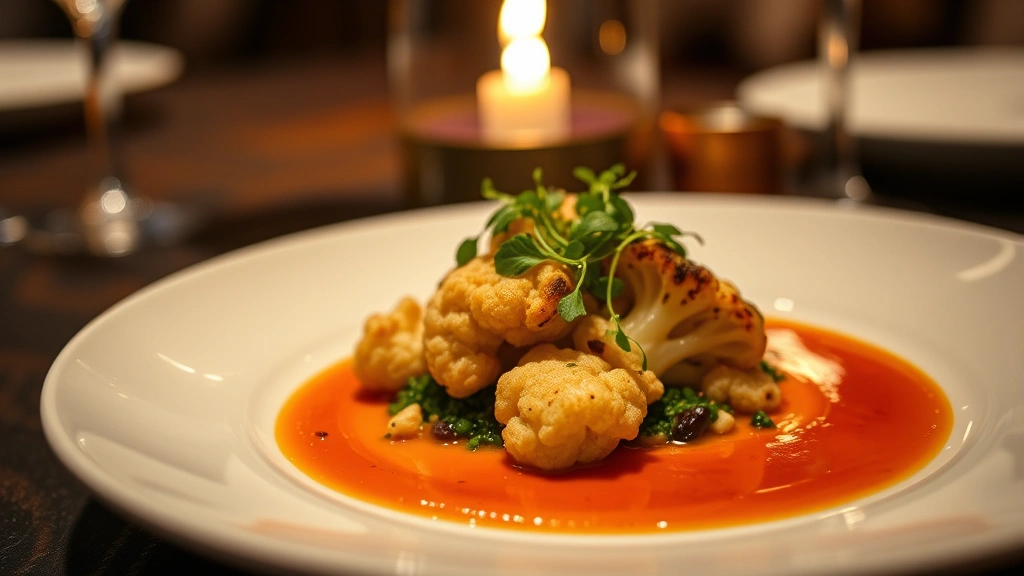
First, pay attention to how dishes are described. The most thoughtfully written vegan menus use language that celebrates the ingredients and preparation rather than emphasizing what’s absent. A menu describing a dish as “crispy cauliflower steaks with chimichurri and charred lemon” is far superior to one promising a “vegan steak substitute.” This language choice reflects the chef’s philosophical approach—whether they’re creating exciting plant-based cuisine or simply removing animal products from conventional dishes.
Look for evidence of fermentation, umami-building, and technique in the menu descriptions. Words like “miso,” “fermented,” “aged,” “charred,” “braised,” and “slow-cooked” indicate thoughtful flavor development. These techniques distinguish sophisticated plant-based cooking from simple vegetable preparations. Similarly, notice whether menus feature seasonal ingredients, suggesting that the kitchen prioritizes freshness and works with their local agricultural calendar.
Consider ordering family-style or multiple courses if the restaurant format allows. This approach lets you experience the full range of the chef’s capabilities and provides the textural and flavor variety that makes vegan dining particularly exciting. Pairing each course with different wines or beverages also enhances the experience by showing how thoughtfully prepared plant-based dishes interact with different flavors and aromatics.
Don’t hesitate to communicate with servers about your preferences and dietary considerations. The best restaurants welcome this dialogue and use it as an opportunity to guide you toward dishes that will genuinely satisfy you. Ask about preparation methods, ingredient sources, and wine pairing recommendations. Servers at quality establishments are typically knowledgeable about their menus and genuinely invested in creating positive dining experiences.
When exploring plant-based pasta preparations, notice whether the restaurant creates their own sauces or relies on commercial products. Homemade sauces that build flavor through vegetable aromatics, tomato reduction, and careful seasoning indicate a more thoughtful approach than jarred alternatives. Similarly, observe whether grain-based dishes feature properly cooked, well-seasoned grains or whether they seem like afterthoughts.
Finally, approach each meal with genuine curiosity and openness. The most memorable dining experiences come from willingness to be surprised and from engagement with what the chef is trying to communicate through their food. Even if a particular dish doesn’t perfectly suit your palate, the effort and creativity evident in well-executed vegan cuisine deserves appreciation.
FAQ
What should I expect when dining at a fine dining vegan restaurant?
Fine dining vegan restaurants typically offer multi-course tasting menus featuring 7-12 courses, each demonstrating technical mastery and creative use of plant-based ingredients. Expect refined plating, sophisticated flavor combinations, carefully considered wine pairings, and impeccable service. The meal pace is deliberate, allowing time to appreciate each course. Reservations are essential, and these experiences represent investments in culinary artistry rather than simple meals.
Are vegan restaurants suitable for non-vegan diners?
Absolutely. The finest vegan restaurants attract diverse crowds, including dedicated omnivores who appreciate excellent food regardless of its base ingredients. Many non-vegan diners find that exceptional plant-based cuisine challenges their assumptions about what makes food satisfying and memorable. The focus on flavor, technique, and creativity transcends dietary orientation.
How do vegan restaurants create umami and savory depth without animal products?
Through strategic use of umami-rich ingredients like mushrooms, miso, soy sauce, nutritional yeast, seaweed, tomatoes, and fermented products. Layering multiple umami sources creates the savory, mouth-filling sensation typically associated with meat-based dishes. Additionally, techniques like charring, caramelization, and extended cooking times develop complex flavors that contribute to perceived depth and satisfaction.
What’s the difference between vegan restaurants and restaurants with vegan options?
Dedicated vegan restaurants build their entire menu and culinary philosophy around plant-based cooking, allowing chefs to develop specialized expertise and create cohesive dining experiences. Restaurants with vegan options often treat plant-based dishes as accommodations rather than primary focus. While both can serve excellent food, dedicated vegan establishments typically demonstrate deeper knowledge and more thoughtful execution.
How should I prepare for my first vegan fine dining experience?
Approach the meal with openness and curiosity, understanding that it represents a different culinary philosophy than conventional fine dining. Arrive hungry and ready to engage with unfamiliar flavors and preparations. Communicate any allergies or strong dislikes to the restaurant in advance. Consider timing the meal when you’re not rushed, allowing adequate time to appreciate each course. Trust the chef’s vision while remaining engaged and attentive to what you’re tasting.
Where can I find the best vegan restaurants in my area?
Consult dedicated vegan restaurant guides, check reviews on platforms that filter by dietary preference, and follow local food critics and culinary writers. Many cities have active vegan dining communities with online resources and social media groups. Word-of-mouth recommendations from friends and fellow food enthusiasts often lead to hidden gems. Don’t overlook casual establishments that may not market themselves primarily as vegan but excel at plant-based cooking.