Is Chi-Chi’s Mexican Restaurant Making a Comeback?
Chi-Chi’s Mexican Restaurant once dominated the casual dining landscape, serving margaritas and sizzling fajitas to millions of hungry diners across North America. At its peak, the brand operated over 130 locations, becoming synonymous with accessible Mexican cuisine and festive atmosphere. Yet the chain’s dramatic decline—from industry powerhouse to near-complete obscurity—left many food enthusiasts wondering: could this beloved institution reclaim its former glory?
The resurgence narrative in casual dining rarely follows a straightforward path. Chi-Chi’s faced unprecedented challenges that tested the resilience of its brand identity and operational foundation. Today, whispers of revival echo through food blogs and nostalgia-driven social media communities, prompting us to examine whether the conditions exist for a genuine comeback or if we’re simply witnessing the ghost of dining trends past.
The Rise and Fall of Chi-Chi’s
Chi-Chi’s emerged in the 1970s as a beacon of festive Mexican dining, capturing the American appetite for bold flavors, generous portions, and celebratory ambiance. The chain’s signature elements—complimentary tortilla chips with salsa, oversized margaritas served in distinctive glasses, and tableside guacamole preparation—created a theatrical dining experience that transcended mere food consumption. These weren’t simply meals; they were events, occasions worthy of family gatherings, date nights, and holiday celebrations.
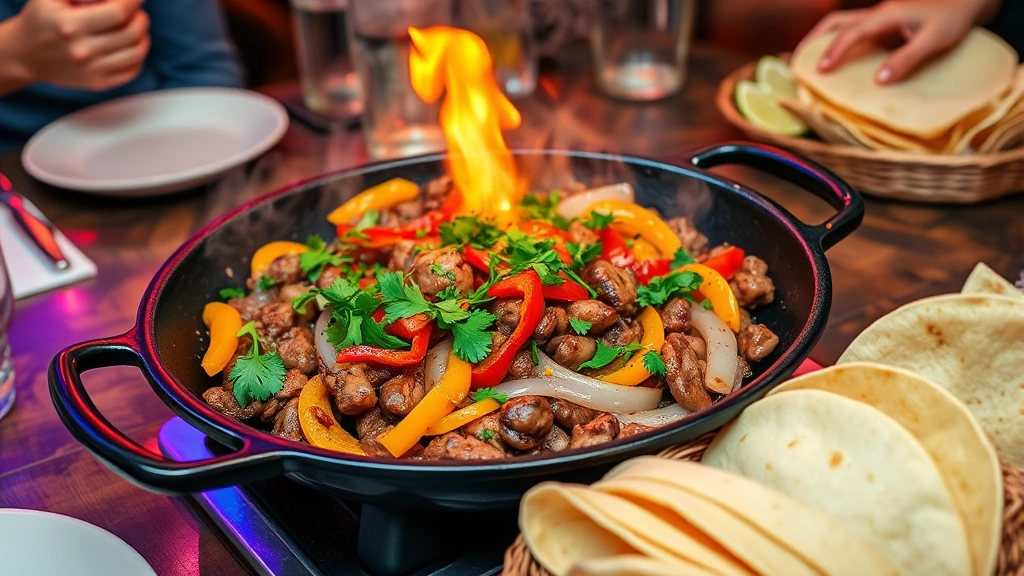
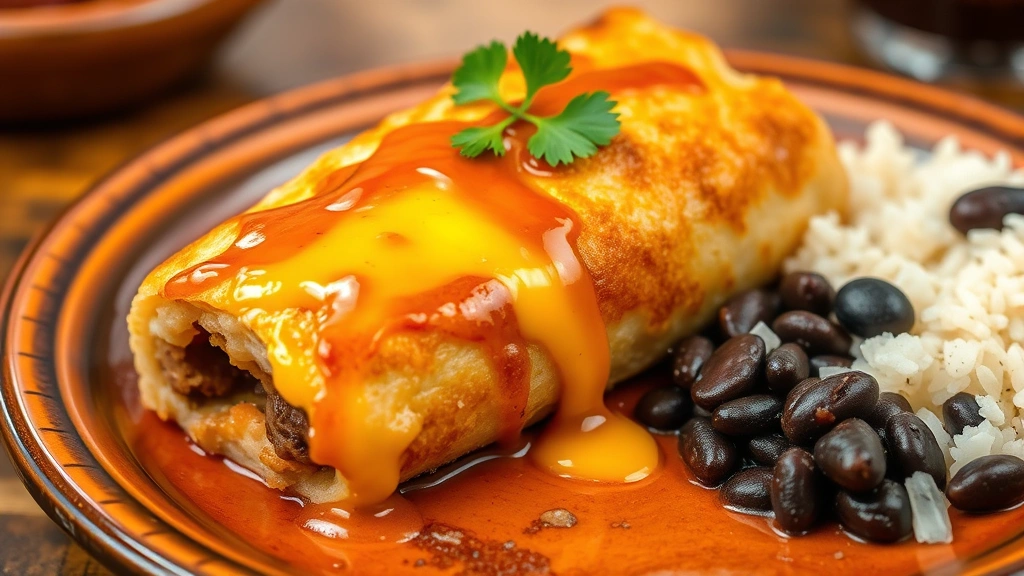
The brand’s strategic expansion through the 1980s and 1990s positioned Chi-Chi’s as a casual dining juggernaut. Locations sprouted across suburban America and into Canada, each designed to evoke festive Mexican village aesthetics with vibrant colors, rustic décor, and energetic staff. The menu balanced approachability with authenticity, offering familiar standbys alongside more adventurous offerings. Fajitas sizzled across the dining room, their aromatic presence alone worth the price of admission. Chimichangas arrived golden and crispy, their exterior shattering to reveal tender, flavorful interiors. Enchiladas arrived bubbling under blankets of cheese and sauce, each variation—from red to green to white—promising distinct flavor experiences.
What separated Chi-Chi’s from competitors was its commitment to best Mexican restaurants near me standards while maintaining mass-market appeal. The kitchen balanced accessibility with quality ingredients, creating dishes that satisfied both adventurous palates and those seeking comfort in familiar flavors.
The Hepatitis A Crisis That Changed Everything
In 2003-2004, Chi-Chi’s faced an unprecedented catastrophe that would fundamentally alter its trajectory. A hepatitis A outbreak linked to contaminated green onions served at multiple Chi-Chi’s locations across the Midwest infected over 600 people, resulting in three deaths and widespread hospitalization. The crisis devastated the brand’s reputation instantaneously.
The public health emergency triggered immediate closures, intensive investigations, and relentless media coverage that painted Chi-Chi’s as a danger to public health. Regardless of the chain’s response measures or the root cause’s complexity—a supply chain contamination issue beyond the restaurant’s direct control—consumer perception shifted irrevocably. Trust, once fractured, proved nearly impossible to rebuild in the casual dining sector where food safety represents paramount concern.
Lawsuits mounted. Sales plummeted. Franchisees faced bankruptcy. The brand’s parent company filed for Chapter 11 bankruptcy protection in 2004, setting off a cascade of closures and restructuring. What had taken decades to build collapsed within months. The hepatitis outbreak became synonymous with Chi-Chi’s, overshadowing decades of positive dining experiences and loyal customer relationships.
Current Status and Remaining Locations
Today, Chi-Chi’s operates a fraction of its former footprint. Rather than 130+ locations, the brand maintains a handful of surviving restaurants, primarily clustered in specific regions where franchise loyalists managed to weather the storm. These remaining establishments operate as shadows of their predecessors—smaller in scale, more cautious in expansion, yet determined to preserve the brand’s legacy.
The surviving Chi-Chi’s locations have become pilgrimage destinations for nostalgic diners seeking to reconnect with cherished memories. Food bloggers and casual dining enthusiasts document their visits, capturing the unchanged décor, familiar menu items, and the bittersweet sensation of visiting a once-ubiquitous chain now rendered rare. These restaurants function as living museums, preserving flavor profiles and dining experiences from an earlier era.
Interestingly, some former Chi-Chi’s locations have been repurposed under different brands or remain vacant, their distinctive architecture and interior design still recognizable to longtime patrons. The physical footprint of the chain’s decline serves as a tangible reminder of how quickly market dominance can evaporate.
The Nostalgia Factor in Modern Dining
Contemporary food culture increasingly gravitates toward nostalgia-driven experiences. Millennials and Gen X diners seek restaurants that transport them to childhood celebrations, family gatherings, and formative dining moments. Chi-Chi’s occupies a unique position within this nostalgic landscape—it represents not merely a restaurant but a cultural artifact from a specific era when casual dining chains defined American food culture.
The rise of social media has amplified nostalgia’s power in influencing dining decisions. Instagram-worthy moments at surviving Chi-Chi’s locations generate engagement, sparking conversations about the chain’s glory days and sharing memories among former regulars. This organic, grassroots enthusiasm represents genuine emotional investment in the brand’s potential revival.
When considering family-friendly restaurants near me options, many diners specifically seek venues that offer both quality experiences and cultural resonance. Chi-Chi’s, despite its challenges, maintains this appeal through accumulated brand equity and nostalgic associations.
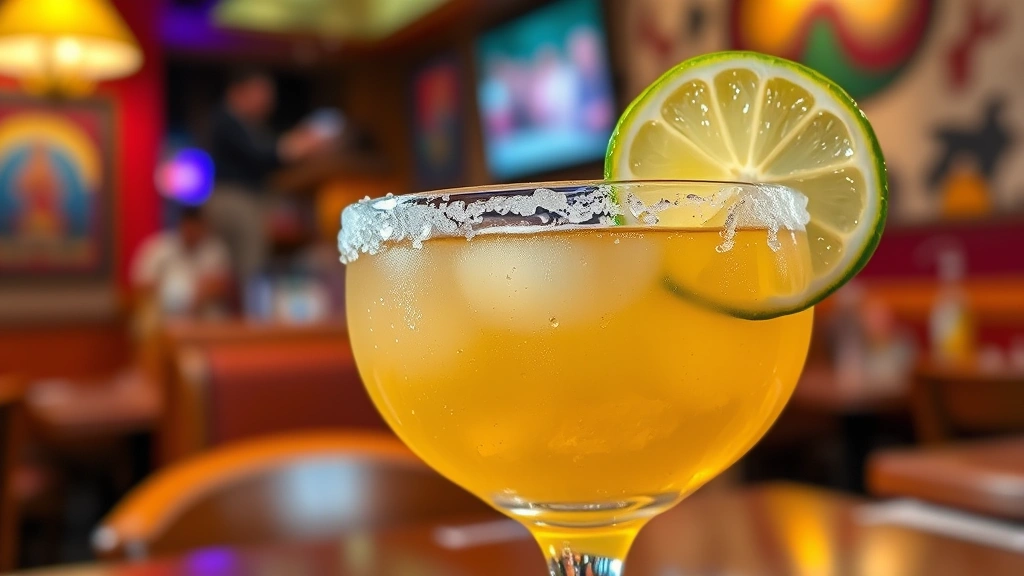
The flavor profiles themselves trigger memory and emotion. The specific blend of spices in Chi-Chi’s salsa—tangy, slightly sweet, with pronounced tomato and cilantro notes—became imprinted on millions of palates. The margarita mix, balanced with precise lime-to-tequila ratios, represented the standard against which many judged Mexican restaurant cocktails. These sensory touchstones persist in collective memory, creating powerful psychological anchors that could theoretically support a comeback narrative.
Menu Evolution and Flavor Profiles
Chi-Chi’s menu, while maintaining core signature items, has evolved modestly to accommodate contemporary dietary preferences and ingredient sourcing concerns. Modern iterations feature organic options, gluten-free preparations, and lighter fare alongside traditional indulgences. The challenge lies in balancing innovation with preservation—updating the menu enough to attract contemporary diners while maintaining the flavor profiles that built the brand’s reputation.
The sensory experience of Chi-Chi’s dining centered on bold, unambiguous flavors. Salsas delivered pronounced garlic and cumin notes. Sour cream-based sauces provided cooling counterpoints to spiced proteins. Cheese appeared generously throughout the menu, lending richness and textural contrast. Cilantro, lime, and jalapeño provided bright, acidic elements that cut through heavier components.
Contemporary Mexican cuisine trends toward authenticity and regional specificity, challenging casual dining chains to elevate their offerings. Surviving Chi-Chi’s locations must navigate this landscape carefully—honoring traditional recipes while incorporating quality improvements without alienating customers who specifically seek the familiar flavors of their childhood dining experiences.
The margarita program particularly exemplifies this tension. Classic Chi-Chi’s margaritas relied on standardized mix and consistent ratios, producing reliable, if not innovative, cocktails. Modern craft cocktail culture emphasizes fresh citrus, premium tequila, and house-made ingredients. Some surviving locations have begun experimenting with elevated margarita offerings while preserving the original recipe’s availability, essentially offering multiple tiers of the signature drink.
Comeback Prospects and Industry Challenges
Assessing Chi-Chi’s comeback prospects requires honest evaluation of market conditions, consumer behavior, and industry dynamics. Several factors argue against significant revival. The casual dining sector itself faces structural challenges—changing consumer preferences, rising labor costs, increased competition from fast-casual concepts, and the lingering impact of pandemic-era disruptions have reshaped the landscape fundamentally.
Additionally, the hepatitis outbreak’s psychological imprint persists. For many consumers, the crisis remains the primary association with the brand, creating a perception hurdle that marketing alone cannot overcome. Rebuilding trust in food safety requires sustained performance over years, not months.
Conversely, several factors support modest comeback potential. The restaurants open on Christmas Eve and holiday occasions category demonstrates continued demand for celebratory dining experiences. Chi-Chi’s occupies this space effectively, offering the festive atmosphere and family-oriented environment that holiday dining demands.
The nostalgia economy shows no signs of diminishing. Brands that successfully tap into generational memory and emotional resonance can achieve surprising longevity. Chi-Chi’s possesses authentic brand equity—not manufactured nostalgia, but genuine historical significance in casual dining culture.
For date night restaurants near me seekers, surviving Chi-Chi’s locations offer distinctive value propositions—established ambiance, proven menu items, and the novelty factor of visiting a rare surviving location. The rarity itself becomes part of the appeal.
A realistic comeback scenario would involve modest, controlled expansion rather than aggressive growth. Strategic franchising in regions with established brand loyalty, coupled with menu refinement and modernized operations, could generate sustainable growth. Digital marketing emphasizing the brand’s historical significance and nostalgic appeal would resonate with target demographics.
Industry observers, including analysts at the National Restaurant Association, note that casual dining chains with strong brand recognition and distinctive positioning can achieve surprising resilience. Chi-Chi’s possesses both attributes, though the path forward requires acknowledging past challenges while demonstrating commitment to excellence.
Flavor science research from institutions like the International Association of Culinary Professionals suggests that taste memory remains remarkably persistent. Diners who experienced Chi-Chi’s during formative years retain detailed sensory memories of specific dishes, drinks, and dining occasions. This neurological reality provides foundation for brand revival strategies centered on authentic flavor recreation.
The comeback narrative also benefits from broader cultural interest in restaurant history and casual dining nostalgia. Food media increasingly documents the rise and fall of iconic chains, creating sympathetic narratives around brands attempting resurgence. Chi-Chi’s story—from dominant market force to near-extinction to tentative revival—possesses compelling narrative arc that attracts media attention and consumer interest.
Successful comeback requires more than nostalgia, however. Modern diners expect quality ingredients, transparent sourcing, thoughtful preparation, and alignment with contemporary values. Surviving Chi-Chi’s locations that have embraced these expectations while maintaining signature flavor profiles have experienced notably stronger performance than those operating unchanged from the pre-crisis era.
FAQ
How many Chi-Chi’s locations currently operate?
As of the latest available data, Chi-Chi’s operates fewer than a dozen locations, primarily in the Midwest and scattered across other regions. The exact number fluctuates as individual franchises open or close, but the brand represents a tiny fraction of its historical footprint. Specific location information can be found through direct brand inquiry or regional dining guides.
What caused Chi-Chi’s original decline?
The 2003-2004 hepatitis A outbreak linked to contaminated green onions served at Chi-Chi’s locations across the Midwest triggered the chain’s catastrophic decline. Over 600 infections and three deaths resulted, devastating consumer confidence and triggering lawsuits, closures, and eventual bankruptcy. While the contamination originated in the supply chain rather than Chi-Chi’s operations, public perception shifted permanently.
Are Chi-Chi’s margaritas still made the same way?
Surviving Chi-Chi’s locations generally maintain traditional margarita recipes, though some have introduced premium variations. The signature margarita remains available at most locations, preserving the specific flavor profile—balanced lime, reliable sweetness, and consistent strength—that defined the brand’s cocktail program.
Can Chi-Chi’s realistically make a comeback?
A full-scale comeback to historical prominence appears unlikely given industry dynamics and market conditions. However, modest revival through strategic expansion, menu refinement, and targeted marketing directed at nostalgic consumers represents realistic possibility. Surviving locations demonstrate sustained demand from loyal customers, suggesting foundation for controlled growth.
What made Chi-Chi’s different from other Mexican restaurants?
Chi-Chi’s distinguished itself through theatrical presentation, generous portions, consistent flavor profiles, and festive atmosphere. Tableside guacamole preparation, complimentary tortilla chips with salsa, oversized margaritas, and sizzling fajita presentations created distinctive dining experiences. The chain balanced accessibility with quality, making Mexican cuisine appealing to mainstream audiences while maintaining flavor integrity.
Are there other casual dining chains attempting comebacks?
Several casual dining chains have attempted modest revivals through franchise restructuring, menu innovation, and strategic repositioning. The casual dining sector’s challenges affect all players, but brands with strong nostalgic appeal and distinctive positioning occasionally achieve surprising resilience through focused strategies and authentic brand preservation.


