Guadalajara Flavors Explored: Chef’s Insights into Authentic Mexican Cuisine
Guadalajara, the capital of Jalisco, stands as one of Mexico’s most vibrant culinary destinations, where centuries-old traditions meet contemporary gastronomic innovation. This enchanting city, often called the Pearl of the West, has birthed some of Mexico’s most iconic dishes and flavor profiles that continue to captivate food enthusiasts worldwide. The culinary heritage of Guadalajara extends far beyond simple sustenance; it represents a living tapestry of indigenous ingredients, Spanish colonial influences, and regional agricultural abundance that converge on every plate.
When exploring a Guadalajara Mexican restaurant, diners embark on a sensory journey through the city’s most celebrated culinary traditions. The distinct flavor profiles found in Guadalajara cuisine—from the smoky depths of birria to the delicate balance of citrus and chiles in ceviche preparations—tell stories of generations of culinary mastery. Professional chefs who specialize in this regional cuisine understand that authenticity demands respect for technique, ingredient sourcing, and the cultural narratives embedded within each dish. Through conversations with accomplished chefs and exploration of signature preparations, we uncover what truly defines Guadalajara’s gastronomic identity.
The Essential Elements of Guadalajara Cuisine
The foundation of Guadalajara cuisine rests upon several non-negotiable culinary principles that distinguish it from other Mexican regional cuisines. The region’s proximity to both the Pacific Ocean and mountainous terrain creates unique access to diverse ingredients—fresh seafood arrives daily while highland agriculture provides exceptional produce. Chefs at authentic Guadalajara Mexican restaurants recognize that the soul of their cuisine lies in balancing bold, complex flavors with surprising moments of delicate restraint.
The flavor profile characteristic of Guadalajara cooking emphasizes the interplay between heat, acidity, and umami depth. Unlike some Mexican regional cuisines that rely heavily on singular chiles, Guadalajara preparations often layer multiple chile varieties, each contributing distinct flavor notes. The habanero provides fruity heat, the guajillo delivers earthy undertones, and the chile de árbol contributes sharp, cutting spice. This sophisticated approach to chile selection reflects centuries of refinement and demonstrates why professional chefs dedicate years to mastering these combinations.
Seafood holds particular importance in Guadalajara’s culinary identity, given the region’s coastal access. The preparation methods favor techniques that preserve the delicate nature of fish and shellfish while infusing them with regional flavor signatures. Easy fish recipes for dinner preparations found in home kitchens often echo the professional techniques employed in renowned establishments. The marriage of fresh fish with lime juice, serrano chiles, and cilantro creates the foundation for countless preparations that showcase ingredient quality above all else.
Signature Dishes and Their Stories
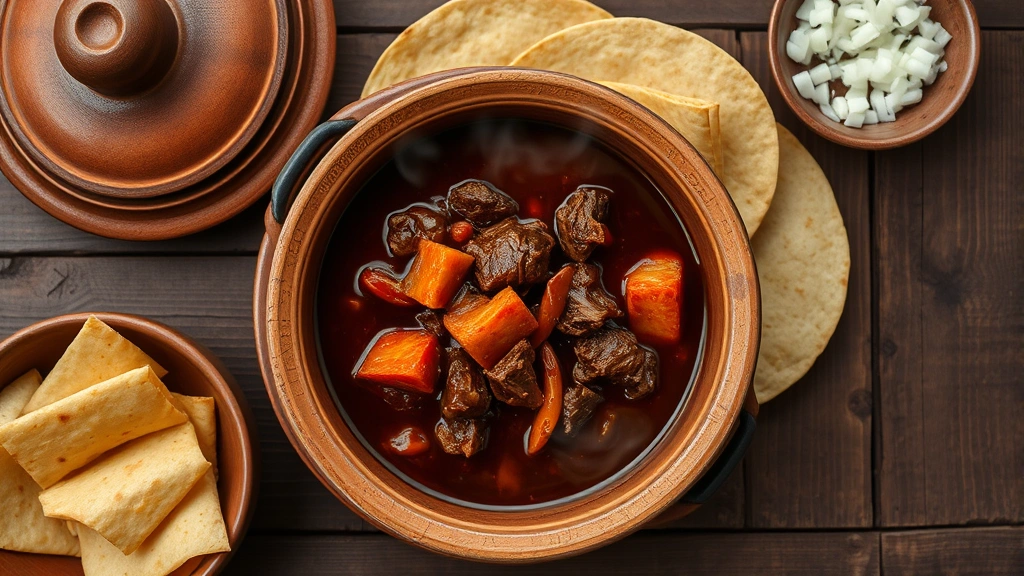
Birria stands as perhaps the most iconic dish emerging from Guadalajara’s culinary tradition, though its preparation varies significantly between chefs and family recipes. This complex stew begins with beef shank or chuck, braised slowly in a deeply flavorful consomé infused with dried chiles, vinegar, and spices. The magic of birria lies not merely in the meat’s tenderness but in the rich, nuanced broth that develops during hours of patient cooking. When chefs discuss their birria preparations, they speak with the reverence typically reserved for fine cuisine; the technique demands understanding heat control, timing, and the precise moment when flavors reach perfect harmony.
Torta ahogada represents another Guadalajara treasure—a sandwich completely submerged in a spiced chile sauce, creating a textural and flavor experience that defies simple description. The bread must possess enough structural integrity to withstand saturation while remaining palatable, the filling requires careful balance to maintain identity within the sauce, and the chile preparation itself demands expertise to achieve the proper consistency and flavor depth. Professional chefs recognize that torta ahogada cannot be rushed; each component requires individual attention before assembly.
Carne en su jugo, literally “meat in its juice,” showcases the Guadalajara philosophy of allowing ingredients to speak for themselves. Diced beef cooks in its own rendered fat alongside bacon, creating a broth that tastes like pure essence of meat. Served alongside beans, onions, and warm tortillas, this deceptively simple dish requires an understanding of temperature control, timing, and ingredient quality that separates mediocre preparations from exceptional ones. The best versions achieve a silken texture in the broth and meat so tender it dissolves on the tongue.
Chiles rellenos in the Guadalajara style present poblano peppers stuffed with cheese, dipped in egg batter, and served in a tomato-based sauce. The technique demands skill in roasting and peeling the chiles without tearing them, balancing the cheese filling’s richness, and creating a sauce that complements rather than overwhelms. When exploring delicious low-carb dinner recipes inspired by regional Mexican cuisine, the chile relleno appears frequently as a protein-forward option that maintains authentic flavor profiles.
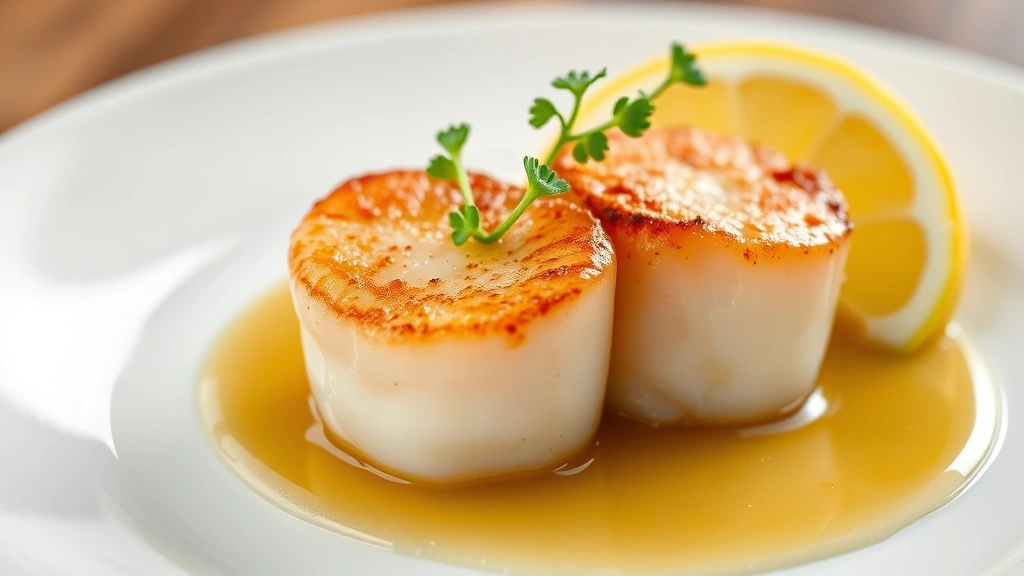
Seafood preparations showcase Guadalajara’s coastal connection through dishes like ceviche, where raw fish cures in citrus juice while acquiring its characteristic opaque appearance and firm texture. The acid denatures the proteins through chemical means rather than heat, creating a unique sensory experience. Chefs emphasize that ceviches demand obsessive attention to fish freshness, precise knife skills for uniform cutting, and understanding how acid concentrations affect the final product’s texture and flavor development.
Ingredient Selection and Sourcing
The distinction between authentic Guadalajara cuisine and imitations often comes down to ingredient selection and sourcing practices. Professional chefs understand that certain ingredients cannot be substituted without fundamentally altering the dish’s character. Fresh epazote, a pungent herb with peppery, almost gasoline-like notes, cannot be adequately replaced by dried versions or alternative herbs; it provides essential flavor complexity in bean preparations and quesadillas. Similarly, fresh corn tortillas made from masa prepared that very morning taste fundamentally different from refrigerated alternatives, affecting every dish they accompany.
Chile sourcing represents perhaps the most critical element in Guadalajara cooking. While dried chiles can be purchased year-round, understanding their flavor variations, proper storage, and optimal usage requires expertise. The guajillo chile contributes fruity, slightly sweet notes with moderate heat; the ancho provides deeper, almost chocolate-like undertones; the chipotles deliver smoky complexity. Chefs taste multiple batches before selecting suppliers, understanding that chile quality fluctuates seasonally and that proper toasting and hydration techniques unlock each variety’s full flavor potential.
Fresh produce sourcing follows seasonal patterns that reflect Guadalajara’s agricultural calendar. Tomatoes reach peak flavor during specific months, avocados achieve proper ripeness within narrow windows, and cilantro quality varies dramatically depending on growing conditions. Chefs who maintain relationships with local producers gain access to superior ingredients and the knowledge to use them at their optimal moment. This commitment to seasonal eating and local sourcing creates menus that evolve throughout the year, offering diners authentic experiences that cannot be replicated through imported or out-of-season ingredients.
The water used in cooking deserves consideration in Guadalajara cuisine, as mineral content affects flavor development in broths and sauces. Traditional preparations account for regional water characteristics, and chefs working outside Jalisco often adjust their techniques to accommodate different water profiles. This attention to seemingly minor details distinguishes professional chefs from casual cooks, demonstrating that mastery involves understanding how every component—from water minerality to chile toasting duration—contributes to the final product.

Cooking Techniques and Traditions
The cooking methods employed in Guadalajara cuisine reflect centuries of refinement and cultural knowledge passed through generations. Low, slow cooking appears throughout the regional repertoire, from birria’s patient braising to the gentle simmering of traditional mole preparations. This approach allows flavors to meld and deepen, creating complexity that cannot be achieved through quick, high-heat cooking. Chefs understand that rushing these processes produces technically cooked food that lacks the soul and depth characteristic of authentic preparations.
The use of clay cookware, particularly cazuelas and comales, holds cultural and practical significance in Guadalajara cooking. These vessels distribute heat evenly, impart subtle flavor characteristics, and connect modern preparations to centuries of tradition. While modern stainless steel and non-stick cookware offer convenience, traditional clay cooking implements remain preferred for specific preparations where their unique properties contribute to superior results. The seasoning that develops in well-used clay vessels creates a patina that influences flavor development in ways that cannot be replicated.
Grilling and charring represent essential techniques in Guadalajara cuisine, creating the smoky depth that characterizes many regional preparations. The direct application of flame to chiles, tomatoes, and onions creates caramelization and char that develop complex flavor compounds. Professional chefs understand proper flame control, knowing when to move ingredients away from direct heat and when to allow char development. This technique-specific knowledge cannot be learned from written recipes alone; it requires hands-on experience and mentorship from accomplished practitioners.
The preparation of dried chiles involves multiple steps that demand understanding and precision. Toasting dried chiles briefly over low heat awakens their flavors without burning them—a narrow window that separates optimal results from ruined ingredients. Soaking in hot water hydrates the chiles while extracting their flavors into the liquid, which becomes incorporated into sauces and preparations. The seeds and membranes must be removed with care, as they contain concentrated heat that can overpower if not properly managed. These seemingly simple steps, when executed with expertise, produce the depth and complexity that define authentic Guadalajara flavors.
Beverage Pairings and Agua Fresca Culture
Guadalajara’s beverage traditions extend far beyond tequila, though that spirit certainly plays a significant role in the region’s gastronomic identity. Agua fresca, a refreshing drink made from fresh fruits, grains, or flowers blended with water and sugar, provides the ideal accompaniment to spicy, rich foods. These beverages—whether made from watermelon and lime, hibiscus and ginger, or rice and cinnamon—offer palate cleansing properties while adding their own flavor dimensions to the meal experience. Chefs recognize that thoughtful beverage pairing elevates the entire dining experience, transforming individual components into a cohesive gastronomic journey.
Horchata, made from ground rice, almonds, or tiger nuts combined with milk and spices, provides creamy richness that balances heat from chile-forward dishes. The preparation of quality horchata demands attention to ingredient proportions, grinding techniques, and the balance between sweetness and spice. When served ice-cold alongside birria or carne en su jugo, horchata creates a textural and flavor contrast that enhances both elements. The cultural significance of horchata in Guadalajara extends beyond mere refreshment; it represents tradition, comfort, and the knowledge passed through families regarding optimal food and beverage pairings.
Tequila’s role in Guadalajara dining deserves exploration beyond stereotypes of shots and margaritas. Quality tequila, particularly aged expressions, demonstrates complexity and nuance that pairs beautifully with sophisticated food preparations. Blanco tequila’s bright, vegetal notes complement ceviche and lighter seafood preparations, while reposado and añejo expressions with their oak-aging characteristics pair elegantly with richer, chile-forward dishes. Professional chefs and tequila experts understand these pairings through experience and study, recognizing that the spirit’s terroir—influenced by volcanic soil, altitude, and agave variety—creates flavor profiles that harmonize with regional cuisine.
Michelada, a beer-based cocktail combining cerveza with lime juice, hot sauce, and spices, represents the ultimate casual beverage pairing with Guadalajara street food and casual dining. The bright acidity and refreshing qualities of beer cut through rich, spiced foods while the hot sauce addition reinforces the meal’s flavor profile. This unpretentious pairing demonstrates that sophisticated food and beverage harmony need not involve expensive or complex beverages; understanding flavor balance and complementary elements matters far more than ingredient cost.
Modern Interpretations of Classic Flavors
Contemporary chefs working with Guadalajara cuisine face the ongoing challenge of honoring tradition while incorporating modern culinary techniques and presentations. The tension between authenticity and innovation drives fascinating conversations among professional culinarians, as demonstrated by organizations like the International Association of Culinary Professionals, which explores how regional cuisines evolve while maintaining cultural integrity. Some chefs embrace molecular gastronomy techniques, deconstructing traditional dishes while preserving their essential flavor profiles. Others focus on ingredient innovation, sourcing heirloom chile varieties or forgotten traditional vegetables that add depth to familiar preparations.
The concept of paleo dinner recipes intersects intriguingly with Guadalajara cuisine, as many traditional preparations emphasize whole ingredients prepared without modern processing. Proteins prepared with minimal intervention, vegetables cooked simply with natural fats, and broths developed through long cooking processes align naturally with paleo dietary principles. Chefs interested in this intersection recognize that Guadalajara’s traditional approach to food preparation often satisfies modern nutritional philosophies without requiring modification.
Restaurant dining experiences in Guadalajara increasingly reflect a spectrum from casual, family-operated establishments serving recipes unchanged for generations to contemporary fine dining venues exploring modern interpretations. Family-friendly restaurants near me often provide the most authentic experiences, where recipes passed through generations maintain their integrity and chefs cook with the passion of personal investment. These establishments frequently lack the polish of fine dining but compensate with genuine flavor, authentic preparation methods, and the intangible quality of food prepared with cultural pride.
The rise of vegetarian restaurants specializing in Mexican regional cuisine demonstrates how plant-forward cooking can honor traditional flavor profiles while excluding animal products. Vegetable-based broths developed through long cooking with dried chiles, charred tomatoes, and aromatics create depth rivaling meat-based preparations. Cheese-forward dishes, bean preparations, and chile-based sauces showcase how Guadalajara’s flavor foundations extend naturally to vegetarian applications. Chefs working in this space understand that vegetarian cuisine need not represent compromise; instead, it offers opportunities to highlight vegetables’ inherent qualities while celebrating traditional flavor combinations.
The exploration of easy healthy snack recipes inspired by Guadalajara cuisine opens possibilities for incorporating regional flavors into contemporary eating patterns. Ceviche prepared fresh daily, chile-spiced nuts, dried fruit and chile combinations, and cheese with fresh fruit reflect how Guadalajara’s culinary traditions adapt to modern lifestyles while maintaining authentic flavor profiles. These applications demonstrate that regional cuisine’s relevance extends beyond formal dining, offering inspiration for how people eat throughout their days.

The influence of food science on understanding Guadalajara cuisine has grown significantly, with researchers at institutions like the North Carolina State University Food Science Department exploring how traditional cooking methods achieve their distinctive flavor results. Maillard reactions during chile toasting, acid-induced protein denaturation in ceviche, and collagen breakdown during long braising all represent chemical processes that create the sensory experiences diners recognize as authentic. Professional chefs increasingly study these processes not to replicate them artificially but to understand them more deeply, allowing for conscious decisions about when tradition should be honored and when modern knowledge might enhance traditional practices.
FAQ
What makes Guadalajara cuisine distinct from other Mexican regional cuisines?
Guadalajara cuisine combines coastal seafood access with highland agricultural abundance, creating a unique balance of fresh ingredients and complex flavor development. The region’s sophisticated approach to chile usage, featuring layered combinations rather than single-chile dominance, distinguishes it from other Mexican cuisines. Additionally, slow-cooking techniques that develop deep flavor complexity and the cultural emphasis on family recipes passed through generations create a distinct gastronomic identity.
How important is ingredient sourcing in authentic Guadalajara cooking?
Ingredient sourcing proves absolutely critical to authentic Guadalajara cuisine. Fresh chiles, seasonal produce, quality proteins, and traditional items like epazote cannot be adequately substituted without compromising the dish’s character. Professional chefs maintain relationships with trusted suppliers, understanding that ingredient quality directly impacts the final product’s flavor complexity and authenticity.
Can Guadalajara cuisine be adapted for dietary restrictions?
Yes, Guadalajara cuisine adapts well to various dietary approaches. The regional emphasis on whole ingredients, simple preparations, and natural flavors aligns with many modern nutritional philosophies. Vegetarian and paleo approaches both find natural expression within Guadalajara’s culinary traditions, as long as the core principle of ingredient quality and traditional preparation methods remain honored.
What cooking equipment is essential for preparing Guadalajara cuisine at home?
While modern cookware functions adequately, traditional clay vessels like cazuelas and comales contribute meaningfully to authentic preparations. A heavy-bottomed pot for braising, a comal or cast-iron skillet for toasting chiles and charring vegetables, and quality knives for precise cutting represent the essential equipment. Most importantly, understanding proper technique matters far more than possessing specialized equipment.
How should Guadalajara dishes be paired with beverages?
Agua fresca, particularly fruit-based varieties, provides ideal pairing with spicy, rich Guadalajara dishes, offering palate cleansing and complementary flavors. Horchata balances heat beautifully, while quality tequila and beer (in micheladas) represent traditional pairings. The key principle involves seeking beverages that either complement or contrast the dish’s flavor profile while respecting the regional tradition.
Where can I learn more about Guadalajara’s culinary traditions?
The Jalisco Culinario Foundation offers resources for understanding the region’s gastronomic heritage. Additionally, culinary schools and organizations like the Auguste Escoffier School of Culinary Arts offer courses exploring regional Mexican cuisines. Traveling to Guadalajara to experience restaurants and markets firsthand provides invaluable education that no written resource can fully replace.