Best Chinese Dishes? Top Restaurant Picks for Authentic Flavor
The search for the no. 1 Chinese restaurant in your area often leads to a culinary crossroads where tradition meets innovation, where centuries-old techniques dance with contemporary plating sensibilities. Chinese cuisine represents one of the world’s most sophisticated and regionally diverse food cultures, spanning thousands of years of refinement across eight major culinary traditions. When seeking exceptional Chinese dining experiences, understanding what distinguishes truly outstanding establishments from merely competent ones becomes essential for any serious food enthusiast.
This comprehensive guide explores the hallmarks of top-tier Chinese restaurants, examines signature dishes that define excellence, and reveals the characteristics that separate the best from the rest. Whether you’re craving hand-pulled noodles with silky texture, wok-seared vegetables with breath-stealing wok hei, or meticulously constructed dim sum showcasing technical mastery, knowing where to find authentic, elevated Chinese cuisine transforms your dining adventures. The journey toward discovering your perfect Chinese restaurant experience begins with understanding flavor profiles, ingredient quality, and the passionate craftsmanship behind every dish.
Signature Dishes That Define Excellence
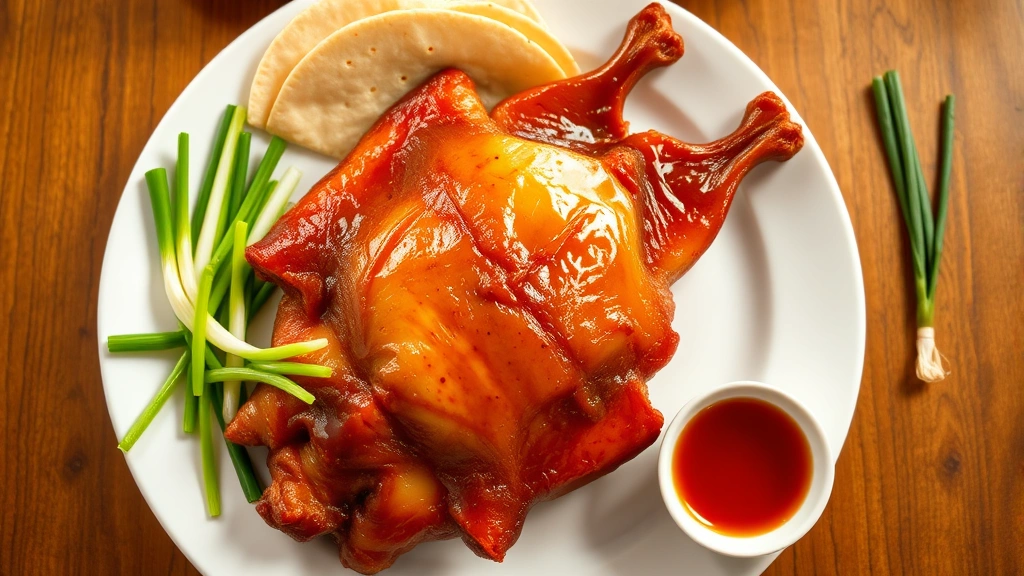
The most exceptional Chinese restaurants showcase their mastery through signature dishes that become legendary among devoted patrons. These aren’t merely menu items; they’re culinary statements that reveal a chef’s philosophy, technical prowess, and understanding of balance. Peking duck stands as perhaps the most iconic example—a dish requiring meticulous preparation spanning multiple days. The bird must be specially bred, properly hung for skin lacquering, and roasted at precise temperatures to achieve that coveted crackling exterior while maintaining succulent, tender meat beneath.
When experienced at the highest level, Peking duck arrives at your table as theater and sustenance combined. The server performs tableside carving with practiced elegance, separating paper-thin skin from meat with surgical precision. You taste the rendered fat’s richness, the skin’s shattering crispness, the meat’s delicate sweetness—all enhanced by thin pancakes, hoisin sauce’s umami depth, and julienned cucumber’s refreshing crunch. This single dish encapsulates everything that elevates a restaurant into the upper echelon: respect for ingredients, technical mastery, and understanding that dining is multisensory experience.
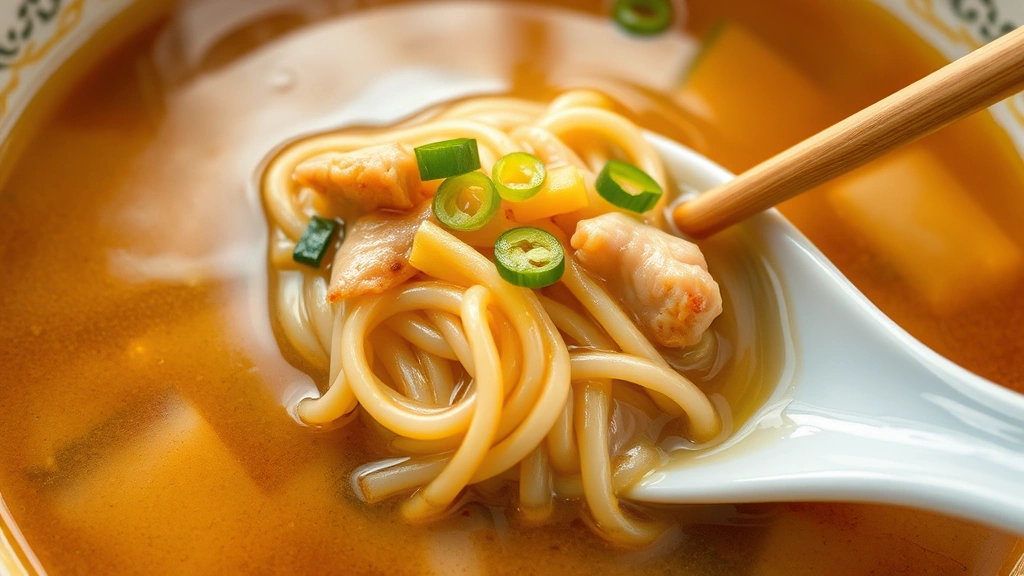
Hand-pulled noodles represent another benchmark of excellence. At truly exceptional establishments, you might witness noodle masters working dough with hypnotic repetition—stretching, folding, stretching again—until strands achieve that perfect balance between tender interior and slightly chewy exterior. These noodles possess a mouth feel that factory-produced alternatives simply cannot replicate. Served in complex broths developed through days of simmering bones, aromatics, and carefully selected proteins, hand-pulled noodles become vessels for concentrated flavor. The broth clings to each strand, coating your palate with savory depth while individual noodle texture provides satisfying resistance.
Mapo tofu showcases how family-friendly restaurants can still deliver sophisticated, challenging flavors. This Sichuan classic combines silken tofu with numbingly spiced meat sauce that triggers Sichuan peppercorn’s distinctive tingling sensation. The best versions balance heat, numbing spice, and savory depth—creating complexity that evolves across multiple bites rather than delivering simple chile burn. Restaurants excelling at this dish understand that Sichuan cuisine isn’t about maximum heat; it’s about sophisticated flavor layering where spice enhances rather than overwhelms.
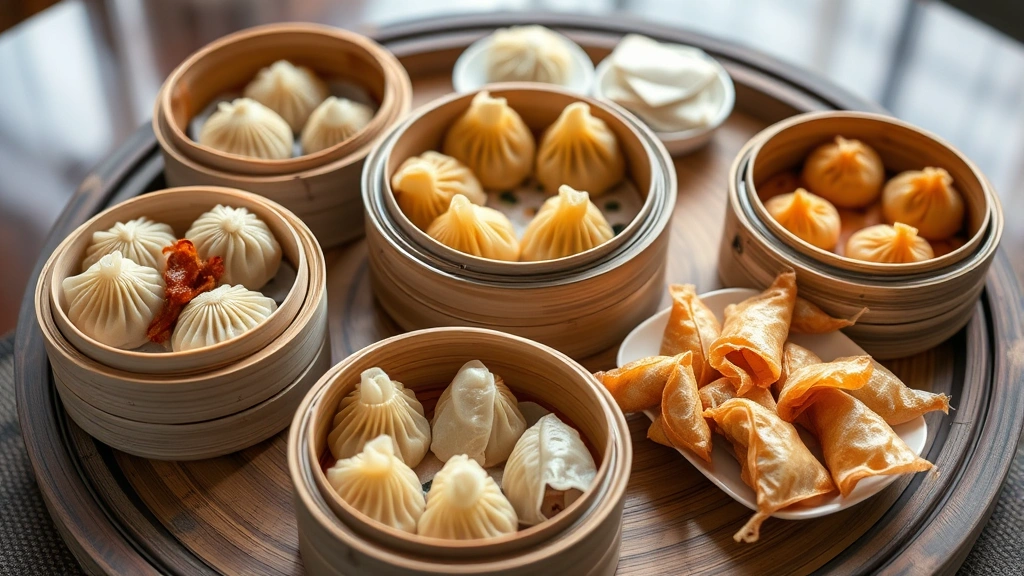
Dim sum represents perhaps the most technically demanding category of Chinese cuisine. These delicate parcels—whether steamed dumplings with gossamer-thin wrappers, crispy spring rolls with shattered exteriors, or baked char siu bao with pillowy dough—require mastery of multiple cooking techniques simultaneously. The no. 1 Chinese restaurant for dim sum maintains a dedicated kitchen where chefs hand-fold hundreds of dumplings daily, ensuring consistency and quality impossible to achieve through automation or batch preparation. Each dumpling wrapper should be so thin you can see light through it; each filling should be balanced, textured, and flavorful enough to stand alone without sauce.
Regional Chinese Cuisines Explained
Understanding regional variations proves essential when evaluating Chinese restaurants, as each tradition brings distinct philosophies and techniques. Cantonese cuisine emphasizes ingredient quality and subtle flavor development, avoiding excessive spice in favor of natural tastes and delicate balancing. Cantonese cooking prioritizes freshness, technical precision in knife work, and respect for ingredients’ inherent qualities. The regional preference for steaming and stir-frying over heavy saucing allows individual components to shine while maintaining textural contrast.
Sichuan cuisine embraces bold flavors, particularly the numbing-spicy sensation from Sichuan peppercorns combined with chile heat. This tradition doesn’t shy from intense flavors; instead, it celebrates complexity where multiple taste sensations layer and interact. Chefs working in this tradition understand how to build flavor gradually, creating dishes that reveal new dimensions as you continue eating. Best Mexican Restaurants Near Me offer different spice profiles, but Sichuan’s approach to heat differs fundamentally—it’s cerebral, building, and transformative rather than immediately overwhelming.
Hunan cuisine shares Sichuan’s love of chile peppers but applies them differently, emphasizing fresh chiles over numbing spices and developing deep, complex savory notes. Hunanese dishes often feature preserved ingredients—salted fish, cured meats, pickled vegetables—that provide umami depth and textural interest. The region’s cooking style tends toward more aggressive seasoning and bolder presentations compared to subtle Cantonese traditions.
Shanghai cuisine occupies a fascinating middle ground, incorporating influences from surrounding regions while developing its own identity. Shanghai chefs work with soy sauce as a primary flavor builder, creating dishes with deeper, richer color and more pronounced savory notes than Cantonese equivalents. The tradition embraces braising, stewing, and sauce-building techniques that create luxurious, coating flavors. Dishes like Shanghai hairy crab showcase the region’s commitment to seasonal ingredients and refined technique.
Jiangsu, Zhejiang, and other eastern traditions emphasize subtlety, seasonal awareness, and refined technique. These cuisines respect ingredients’ natural flavors while employing sophisticated cooking methods to enhance rather than mask. Chefs working in these traditions often trained through lengthy apprenticeships, learning to recognize how subtle adjustments in heat, timing, and seasoning transform dishes from competent to exceptional.
What Makes a Top-Tier Restaurant
Beyond signature dishes and regional traditions, certain standards distinguish truly excellent Chinese restaurants from adequate establishments. Ingredient quality forms the foundation—exceptional restaurants source premium proteins, fresh produce, and specialty items like premium soy sauce, aged vinegars, and authentic spice blends. They maintain relationships with trusted suppliers, often importing specific ingredients that simply aren’t available through standard restaurant suppliers.
Technical mastery represents the second pillar of excellence. This manifests through consistent execution across hundreds of dishes, proper knife skills evidenced in precisely cut vegetables and proteins, and mastery of heat control essential for wok cooking. The best chefs understand how different cooking methods—steaming, stir-frying, braising, poaching, deep-frying—transform ingredients and when each technique serves the dish optimally. They recognize that achieving proper wok hei requires specific conditions and skills, and they invest in proper equipment and training to achieve this hallmark of excellence.
Menu curation reveals a restaurant’s philosophy. Rather than overwhelming diners with hundreds of options, top establishments maintain focused menus featuring dishes the kitchen executes excellently. This approach allows chefs to perfect recipes, maintain ingredient quality, and deliver consistent excellence rather than spreading resources across mediocre breadth. Restaurants open late near me often sacrifice quality for volume, but exceptional establishments maintain standards regardless of service timing.
Staff knowledge matters profoundly. Servers at top-tier Chinese restaurants can describe dishes authentically, explain regional differences, suggest wine or tea pairings, and adjust recommendations based on dietary preferences or heat tolerance. This expertise transforms dining from transactional to educational, allowing you to deepen your appreciation for the cuisine while enjoying your meal.
Kitchen transparency and respect for tradition form another distinguishing characteristic. The finest restaurants acknowledge their inspirations, honor classical techniques while thoughtfully incorporating contemporary approaches, and never sacrifice authenticity for convenience or cost reduction. They understand that shortcuts—using pre-made stock instead of bone broth, substituting ingredients, rushing fermentation processes—inevitably compromise flavor and quality.
Ambiance and hospitality complete the picture. Exceptional restaurants create environments where you feel genuinely welcomed, where attention to detail extends from kitchen to dining room, and where service anticipates needs without hovering. The atmosphere should enhance rather than distract from the food, whether through elegant simplicity or thoughtful design that references Chinese cultural elements authentically.
The Complete Dining Experience
Seeking the no. 1 Chinese restaurant requires evaluating the complete experience rather than isolated elements. Consider how the restaurant approaches the entire journey from arrival through departure. Exceptional establishments begin with proper table settings, clean glassware, and attention to detail that signals the care applied throughout the operation. Tea service provides the first taste experience—quality tea, properly brewed at appropriate temperatures, preparing your palate for the meal ahead.
The progression of courses matters significantly in fine dining contexts. Traditional Chinese multi-course meals follow specific sequences designed to build flavor intensity gradually while allowing your palate to reset between courses. Cold appetizers open the meal, followed by soups that cleanse and prepare the palate, then escalating to richer, more complex hot dishes, with lighter fare returning as the meal concludes. This structure demonstrates sophisticated understanding of how flavors interact and how diners experience satisfaction across extended meals.
Wine and beverage programs at excellent restaurants extend beyond standard offerings. While tea remains the traditional accompaniment to Chinese cuisine, increasingly sophisticated establishments offer wine pairings that complement rather than compete with food. Baijiu—the traditional Chinese distilled spirit—appears on better wine lists, often with knowledgeable staff explaining different styles and production methods. Some restaurants develop creative non-alcoholic pairings, recognizing that excellent beverages enhance dining experiences for all guests.
Portion sizes and pricing reflect restaurant philosophy. The finest establishments recognize that quality ingredients and technical mastery command premium pricing. Rather than maximizing portions to justify costs, they serve appropriate amounts of exceptional food, understanding that diners seek quality over quantity. This approach respects both the ingredients and your digestive comfort, allowing you to fully appreciate multiple dishes without overwhelming your palate or stomach.
Your Guide to Selection
When searching for the best Chinese restaurant in your area, begin by researching reputation through multiple sources. Beyond online review aggregators, consult Serious Eats for detailed restaurant coverage and Michelin Guide for fine dining Chinese establishments. Follow food critics specializing in Chinese cuisine and consult The Culinary Institute of America for educational resources about Chinese cooking traditions.
Examine menus before visiting. Do they feature regional specialties with descriptions suggesting authenticity? Are dishes priced appropriately for ingredient quality and technique? Does the menu demonstrate focus rather than overwhelming breadth? Contact restaurants directly—questions about sourcing, preparation methods, and chef background reveal how seriously they approach their craft.
Visit during off-peak hours initially. This allows you to observe kitchen operations, assess service attentiveness, and enjoy less-rushed experiences. Ask servers about house specialties and chef recommendations. Request to meet chefs if possible—passionate restaurateurs often spend time in dining rooms. Notice how staff responds to special requests and whether they suggest modifications based on your preferences.
Order strategically during your first visit. Request a chef’s tasting menu if available, allowing you to experience the kitchen’s range. Ask for recommendations balancing familiar and unfamiliar dishes. Order at least one signature item and one regional specialty. Taste dishes at proper temperatures—some benefit from waiting moments before eating to allow flavors to develop fully.
Consider visiting multiple times before drawing conclusions. Consistency matters, and occasional off-nights happen even at excellent restaurants. Different chefs, varying ingredient availability, and kitchen staffing fluctuations affect quality. True evaluation requires multiple experiences across different meal types and seasons when possible.
Seek restaurants where International Association of Culinary Professionals members work or consult American Culinary Federation resources for chef credentials. These organizations maintain standards and provide transparency about professional accomplishments and training.
FAQ
What distinguishes authentic Chinese cuisine from Americanized versions?
Authentic Chinese cuisine emphasizes ingredient quality, balanced flavors across sweet, salty, sour, spicy, and umami dimensions, and respect for traditional techniques. Americanized versions typically feature heavier sauces, excessive sweetness, and simplified flavor profiles designed for broader palate appeal. Authentic establishments source proper ingredients, employ trained chefs, and maintain recipes honoring regional traditions.
How can I identify a restaurant’s regional Chinese specialty?
Examine menus for regional indicators. Cantonese restaurants feature dim sum, steamed preparations, and ingredient-forward dishes. Sichuan establishments emphasize Sichuan peppercorns, chiles, and bold flavors. Shanghai restaurants showcase braised dishes and soy-based sauces. Ask staff directly about their regional focus and chef background. Quality restaurants proudly discuss their culinary traditions.
Is expensive always better for Chinese restaurants?
Not necessarily. Excellent casual restaurants exist alongside fine dining establishments. Price should reflect ingredient quality, technique level, and service standards rather than ambiance alone. A humble restaurant with exceptional hand-pulled noodles might deliver better value than a fancy establishment with mediocre execution. Focus on quality indicators rather than price alone.
What’s the significance of wok hei in Chinese cooking?
Wok hei—literally “breath of the wok”—refers to the distinctive flavor developed through proper wok cooking at high temperatures. This technique requires proper equipment, training, and timing to achieve. The best Chinese restaurants prioritize wok hei development, recognizing it as a hallmark of authentic technique. Restaurants lacking proper woks or trained chefs cannot achieve this characteristic flavor.
Should I trust online reviews when finding top Chinese restaurants?
Online reviews provide useful starting points but require critical evaluation. Look for detailed reviews discussing specific dishes, preparation quality, and service standards rather than vague praise or complaints. Compare multiple review sources and weigh recent reviews more heavily than older ones. Consider reviewer expertise—food-focused reviewers provide more valuable insights than casual diners.
How does seasonal dining affect Chinese restaurant quality?
Excellent Chinese restaurants adjust menus seasonally, featuring ingredients at peak quality and freshness. Spring brings fresh vegetables and lighter preparations. Summer emphasizes refreshing cold dishes and light proteins. Autumn introduces richer flavors as harvest ingredients arrive. Winter features warming broths and preserved ingredients. This seasonal awareness reflects sophisticated cooking philosophy and ingredient respect.


