Banana Leaf Delights: A Chef-Approved Tasting Guide to Authentic Flavors
Walking into a banana leaf restaurant is like stepping into a culinary time machine where tradition meets innovation on every plate. These establishments, rooted in Southeast Asian heritage, have transformed the simple banana leaf from a mere serving vessel into a symbol of authentic, aromatic dining experiences that captivate food enthusiasts worldwide. The warm, earthy aroma that greets you at the entrance promises something extraordinary—a journey through layered spices, tender proteins, and vibrant vegetables that speak the language of generations-old recipes.
As a dedicated food tasting blogger, I’ve spent countless evenings exploring the nuanced flavors that define banana leaf cuisine. From the moment a server places a steaming banana leaf plate before you, you understand that this isn’t just a meal; it’s a sensory performance where texture, temperature, and taste work in perfect harmony. The natural chlorophyll notes from the leaf itself subtly enhance the food’s earthiness, while the traditional cooking methods—whether steaming, grilling, or slow-cooking—intensify every ingredient’s authentic character. This comprehensive guide will walk you through what makes these restaurants exceptional, how to navigate their menus like a seasoned diner, and which dishes deserve a place on your must-try list.
The Art of Banana Leaf Cooking: Understanding the Tradition
The banana leaf isn’t merely decorative—it’s functional artistry that has been perfected over centuries across Malaysia, India, Thailand, and Indonesia. When food is wrapped or served on banana leaves, the natural oils within the leaf infuse the dish with subtle aromatics while the leaf itself acts as a natural non-stick surface and steamer. This traditional approach predates modern cookware by millennia, representing a zero-waste cooking philosophy that contemporary chefs are rediscovering with reverence.
The temperature retention properties of banana leaves are scientifically fascinating. As heat penetrates the leaf, it creates a micro-environment that distributes warmth evenly, preventing hot spots while maintaining moisture. This is why fish wrapped in banana leaves emerges impossibly tender, why rice cooked this way develops a delicate nuttiness, and why curries benefit from the extended steaming process. Professional chefs at reputable Flavor Adventurer Blog-featured establishments understand these principles intimately, selecting leaves at peak freshness and preparing them with ritualistic care.
The preparation process itself demands expertise. Leaves must be briefly heated to increase pliability without compromising their structural integrity. Too much heat, and they become brittle; too little, and they crack when folded. This seemingly simple task separates competent banana leaf restaurants from exceptional ones. Expert chefs also understand that older leaves develop deeper, more complex flavors, while younger leaves offer a cleaner, brighter taste profile. The choice between them fundamentally alters the final dish’s character.
Signature Dishes That Define the Experience
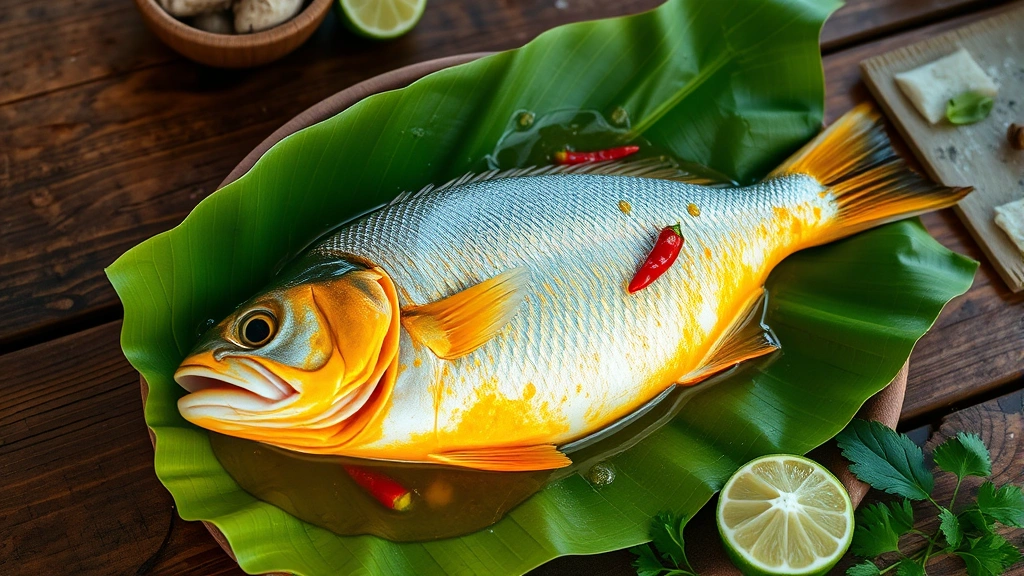
Every authentic banana leaf restaurant maintains a core collection of signature dishes that represent their culinary philosophy. Fish Wrapped in Banana Leaves stands as the quintessential banana leaf experience—typically a whole fish or fillet seasoned with turmeric, ginger, and chilies, then wrapped and steamed until the flesh flakes with ethereal tenderness. The spice paste creates a protective barrier that keeps the fish moist while infusing it with complex flavors that penetrate every fiber.
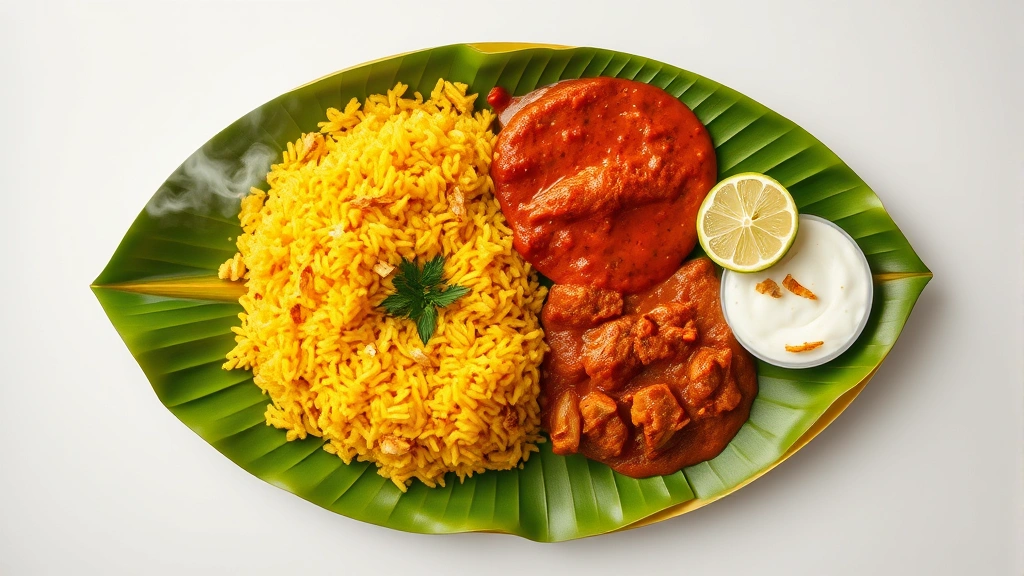
The Biryani or Fragrant Rice Dishes showcase how banana leaves can transform grain cookery. Basmati rice layered with marinated meat, caramelized onions, and whole spices, then sealed in banana leaves for slow cooking, emerges with every grain separate yet unified in flavor. The rice absorbs the meat’s essence while maintaining its individual character—a textural and aromatic masterpiece that justifies the patient cooking time.
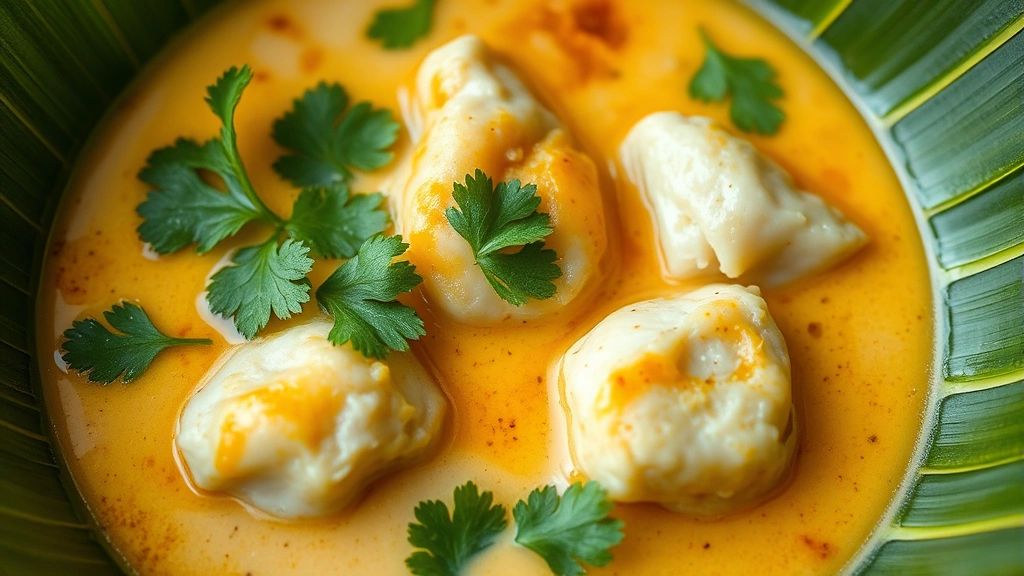
Curry-Based Preparations benefit enormously from banana leaf service. Whether it’s a coconut-based curry from Thailand, a tamarind-inflected preparation from Malaysia, or a yogurt-tempered Indian curry, the leaf’s gentle steaming action allows spices to bloom and meld. The curry’s oils seep slightly into the leaf, which then releases them back into the dish in a continuous flavor exchange that intensifies with every minute.
Don’t overlook Vegetable and Legume Dishes prepared in banana leaves. Easy Asian dinner recipes often feature simple vegetable preparations that, when elevated by professional technique, become revelatory. Eggplant steamed with miso and ginger, lentil cakes infused with curry leaves, or stir-fried greens with garlic and chilies all achieve new dimensions when the banana leaf contains their aromatics and moisture.
Desserts and Sweet Preparations present an often-overlooked category. Sticky rice wrapped in banana leaves, sweet rice cakes with coconut, or caramelized banana preparations (using the leaf itself as a cooking vessel) demonstrate the leaf’s versatility beyond savory applications. The natural sweetness of the leaf mingles with sugar-based preparations, creating subtle flavor undertones that commercial baking cannot replicate.
Flavor Profiles and Spice Mastery
Understanding the foundational spice profiles of banana leaf cuisine elevates your tasting experience from mere consumption to informed appreciation. Turmeric provides the golden foundation—earthy, slightly bitter, with warming properties that build gradually on the palate. Quality establishments use freshly ground turmeric or whole turmeric root, which offers superior flavor to pre-ground varieties that have oxidized in storage.
Galangal and Ginger create the aromatic backbone, with galangal contributing a more floral, piney character compared to ginger’s sharp, cleaning heat. These rhizomes are rarely interchangeable despite their visual similarity. Galangal’s unique compounds create cooling sensations that follow the initial heat, while ginger’s gingerol content builds warming intensity. Expert chefs layer both for complexity.
Chilies function beyond simple heat delivery. Bird’s eye chilies offer bright, fruity heat; Thai chilies provide grassy undertones; and dried chilies introduce smoky, almost chocolatey dimensions. The specific chili selection, whether fresh or dried, ground or whole, dramatically influences the dish’s flavor trajectory. Heat should build gradually, peak at mid-palate, and fade with lingering warmth rather than numbing intensity.
Coconut appears across multiple formats—fresh milk, canned cream, dried shredded, and ground paste. Each version contributes differently. Fresh coconut milk offers delicate sweetness and silky body; aged canned versions develop deeper, almost nutty flavors; dried coconut concentrates the flavor while adding textural contrast. Authentic restaurants use fresh coconut milk, which oxidizes and separates naturally, creating layers of flavor and texture.
Aromatics—Garlic, Shallots, and Onions form the flavor foundation, caramelized slowly until they develop deep sweetness and savory complexity. The quality of these base ingredients cannot be overstated. Sweet, fresh shallots from local suppliers offer superior flavor to year-old storage varieties. When cooked properly, they become almost candy-like, providing a sweet counterpoint to heat and spice.
Cilantro, Basil, and Curry Leaves introduce fresh, volatile compounds that brighten heavy spice layers. Thai basil’s anise-like qualities differ markedly from sweet basil’s floral notes. Curry leaves, often overlooked in Western cooking, offer complex citrus-like aromatics with subtle bitterness. These herbs are typically added at the finish, preserving their delicate compounds and providing textural contrast.
Acid Components—Tamarind, Lime, and Vinegar balance richness and spice. Tamarind paste offers complex fruity-sour notes with subtle sweetness; lime juice provides bright, cutting acidity; rice vinegar adds gentle sourness without harshness. The acid doesn’t simply make food sour—it enhances spice perception, cuts through rich coconut milk, and refreshes the palate between bites.
Pairing Strategies for Your Tasting Journey
Approaching a banana leaf restaurant menu requires strategic thinking about flavor progression and balance. Start with lighter, broth-based preparations to awaken the palate. A delicate fish soup with turmeric and lime cleanses the mouth while introducing foundational spice levels. This opening course should excite without overwhelming, preparing taste receptors for richer preparations ahead.
Progress to protein-forward main courses that showcase technique and ingredient quality. A perfectly steamed fish, a tender slow-cooked curry, or a fragrant biryani represents the restaurant’s core competency. These dishes deserve your full attention when palate fatigue hasn’t yet set in. Eat slowly, identifying individual spice components and how they interact.
Incorporate vegetable and legume sides to provide textural variety and palate relief. The contrast between creamy curries and crisp-tender vegetables, between rich coconut preparations and light vegetable stir-fries, creates dynamic tasting progression. These dishes often receive less attention than proteins, yet excellent restaurants treat them with equal care.
Consider temperature and texture contrast when ordering. If your mains feature soft, steamed preparations, request something with textural contrast—perhaps a crispy element or a cool accompaniment. If you’ve ordered heavily spiced curries, balance with milder, cooling dishes. This thoughtful sequencing transforms a meal into an experience rather than a series of isolated courses.
Rice and Bread Selection deserves consideration. Steamed jasmine rice, fragrant basmati, or sticky glutinous rice each interact differently with curry and sauce. Some restaurants offer best homemade pasta recipes-level expertise in grain cookery. Naan bread provides textural contrast and sauce absorption; roti offers neutral starch; banana leaf-wrapped rice adds ceremonial presentation.
Beverage Pairings enhance the experience significantly. Thai iced tea’s sweet creaminess balances spice beautifully; coconut water provides cooling refreshment; mango lassi offers yogurt’s cooling properties with fruit sweetness. Some establishments pair wines or craft beverages—lighter whites with delicate fish preparations, slightly sweet wines with coconut-based curries. Ask servers for recommendations based on your selections.
Understanding healthy salad dressing recipes principles helps you appreciate the balance in traditional condiments. Many banana leaf restaurants serve fresh herb condiments, tamarind pastes, or chili sambals alongside mains. These elements allow personalized flavor adjustment—a sophisticated approach that respects individual palate preferences while maintaining the chef’s intended base flavor.
Dining Etiquette and Restaurant Selection
Selecting an authentic banana leaf restaurant requires knowing what to look for beyond reviews and ratings. Ingredient Sourcing separates exceptional establishments from mediocre ones. Ask about the origin of key ingredients. Are they using fresh turmeric or ground? Fresh coconut milk or canned? Are spices purchased whole and ground in-house? These details reveal commitment to quality. Establishments that can discuss their suppliers confidently typically maintain higher standards.
Kitchen Visibility often indicates confidence in technique. Restaurants with open kitchens or visible preparation areas demonstrate willingness to showcase their process. You can observe how carefully ingredients are handled, how spice pastes are prepared, and whether cooking happens with the attention it deserves. Closed kitchens aren’t inherently problematic, but transparency builds trust.
Staff Knowledge matters considerably. Servers should understand their menu’s components, be able to describe flavor profiles honestly, and make thoughtful recommendations. If staff seems unfamiliar with their own cuisine, the kitchen likely shares that disconnection. Exceptional banana leaf restaurants employ servers who are enthusiastic educators, not merely order-takers.
Consider dog friendly restaurants near me options if you’re dining with companions—some establishments maintain welcoming environments for various needs. The best restaurants balance authenticity with hospitality, making diners feel genuinely welcome regardless of background or familiarity with the cuisine.
Restaurant Atmosphere should complement the food. Banana leaf cuisine benefits from warm, inviting environments that echo Southeast Asian aesthetics without becoming theme-park caricatures. Natural wood, soft lighting, and subtle cultural elements create immersion without kitsch. The space should feel like a genuine dining destination, not a tourist attraction.
Pricing and Value Assessment requires understanding what drives costs. Fresh ingredients, quality spices purchased regularly, and skilled labor command premium pricing. Suspiciously cheap banana leaf restaurants likely compromise on ingredient quality. Conversely, exorbitant pricing doesn’t guarantee quality—evaluate value by ingredient freshness, technique demonstration, and portion generosity.
Building Your Perfect Banana Leaf Feast
Creating a memorable banana leaf dining experience involves thoughtful menu construction and pacing. Start with a Palate Opener—perhaps a light soup, fresh fruit, or cooling beverage. This preparation primes your taste receptors for the complex flavors ahead. The opening should be refreshing without being filling, exciting without being overwhelming.
Follow with One Signature Protein Dish that showcases the restaurant’s core competency. Whether it’s their renowned fish preparation, celebrated curry, or signature biryani, choose the dish the kitchen executes with evident passion. This is your anchor course—the one you’ve researched, anticipated, and come specifically to experience.
Include Two to Three Complementary Sides that provide contrast and balance. If your main features rich coconut, choose a lighter vegetable preparation. If you’ve selected a spiced curry, balance with something cooling or milder. This variety prevents palate fatigue and keeps each bite interesting.
Incorporate a Starch Element thoughtfully. Steamed rice, fragrant biryani, or banana leaf-wrapped rice parcels serve functional purposes—they absorb sauce, provide neutral palate breaks, and ensure satiety. Rather than viewing starch as filler, appreciate how quality grain preparation enhances the overall experience.
Add a Condiment or Fresh Element near the meal’s end. Fresh herbs, lime wedges, raw vegetables, or house-made sambals allow personalization and refresh the palate. These elements demonstrate the kitchen’s attention to complete dining experiences rather than simply plating mains.
Finish Thoughtfully with something light rather than heavy. A sweet preparation should be delicate—sticky rice with mango, not dense cake. A refreshing beverage or fruit-based dessert cleanses the palate and provides closure without leaving you feeling uncomfortably full. The final taste should linger pleasantly rather than sit heavily.
The banana leaf restaurant experience represents culinary tradition meeting contemporary dining culture. By understanding the techniques, flavors, and strategies outlined in this guide, you transform from casual diner to informed enthusiast. Each visit becomes an opportunity to deepen your appreciation for these remarkable cuisines. You’ll notice the subtle variations between restaurants, recognize quality in ingredient selection and technique, and develop preferences for specific flavor profiles and preparations. Most importantly, you’ll understand that banana leaf dining isn’t simply about consuming food—it’s about honoring traditions, respecting culinary expertise, and experiencing cultures through their most intimate expression: the food they’ve refined across generations.