Top Charleston Eateries: Local Foodie Picks for Unforgettable Dining
Charleston, South Carolina has emerged as one of America’s most vibrant culinary destinations, where centuries-old Lowcountry traditions collide with innovative contemporary cuisine. This historic port city’s food scene pulses with creativity, from intimate fine dining establishments tucked behind cobblestone streets to bustling casual spots serving elevated comfort food. Whether you’re a seasoned food critic or a casual visitor seeking authentic flavors, Charleston’s restaurant landscape offers an intoxicating array of sensory experiences that celebrate both heritage and innovation.
The city’s culinary renaissance has been shaped by its unique geographic position, cultural diversity, and access to pristine seafood from the Atlantic and local waterways. Local chefs have built reputations by honoring traditional Lowcountry recipes while simultaneously pushing boundaries with unexpected flavor combinations and modern plating techniques. This guide explores the best restaurants Charleston has to offer, curated through the palates and experiences of dedicated local foodies who’ve spent years navigating the city’s dining scene.
Fine Dining Excellence in Historic Charleston
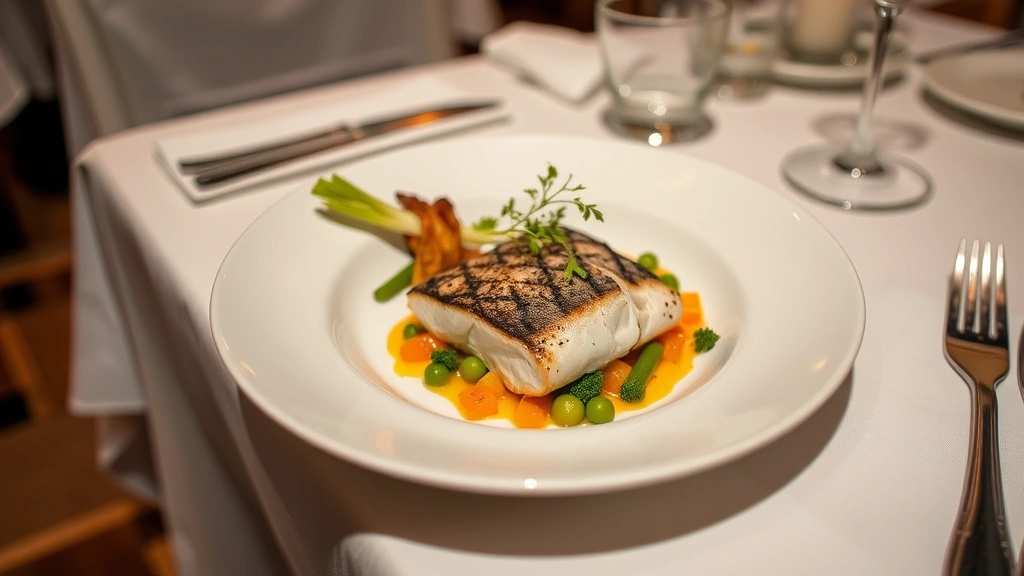
Charleston’s fine dining establishments represent the pinnacle of Southern culinary artistry, where every plate tells a story of meticulous technique and passionate ingredient selection. These restaurants command attention not through pretension, but through uncompromising commitment to flavor development and presentation. Walking into one of Charleston’s premier fine dining venues feels like entering a culinary theater where each course unfolds with dramatic precision.
The city’s most celebrated fine dining restaurants showcase what happens when talented chefs gain deep mastery over their craft. These establishments typically feature tasting menus that showcase seasonal ingredients at their peak ripeness, with wine pairings curated by sommeliers who understand the intricate relationship between food and beverage. The plating aesthetics rival museum-quality presentations, yet the food itself remains grounded in genuine flavor rather than mere visual spectacle.
What distinguishes Charleston’s fine dining scene is its refusal to abandon regional identity in pursuit of cosmopolitan credibility. Chefs working in these kitchens understand that sophistication doesn’t require erasing heritage—rather, it demands a deeper respect for tradition while exploring new interpretive possibilities. You’ll encounter dishes featuring locally-sourced shrimp, heritage grains grown in nearby farms, and foraged elements that speak to the Lowcountry’s unique ecosystem. The attention to detail extends beyond the plate to encompassing service standards that feel warm rather than stuffy, knowledgeable rather than condescending.
Many of Charleston’s top fine dining venues occupy historic buildings with architectural character that enhances the dining experience. Candlelit dining rooms with original hardwood floors and period details create an atmosphere where you feel connected to the city’s culinary past while dining on its innovative future. The menus at these establishments change frequently, sometimes daily, reflecting the chef’s response to what’s available at farmers markets and from sustainable seafood purveyors.
Seafood Specialists Worth Your Appetite
As a coastal city with a thriving fishing industry, Charleston naturally excels in seafood preparation. The best seafood restaurants here understand that pristine ingredients require minimal intervention—a philosophy that separates exceptional seafood dining from mediocre attempts. When you order flounder, she-crab soup, or locally-caught grouper at a top-tier seafood establishment, you’re tasting the essence of the Atlantic interpreted through generations of Lowcountry cooking knowledge.
Charleston’s seafood specialists maintain direct relationships with fishing boats, ensuring that what arrives at your table was swimming in local waters mere hours before. This proximity to source creates a transparency and quality that’s impossible to replicate in landlocked regions. The texture of fresh shrimp differs dramatically from frozen—the flesh maintains a delicate firmness, and when prepared simply with just butter and local sea salt, the natural brininess becomes the star ingredient.
The preparation techniques at Charleston’s premier seafood restaurants honor traditional methods while occasionally introducing contemporary touches. You’ll find classic preparations like whole roasted fish with lemon and herbs alongside more innovative approaches featuring Asian-inspired broths, Mediterranean spice blends, or unexpected vegetable pairings. The key across all preparations remains the same: respect for the ingredient’s inherent qualities.
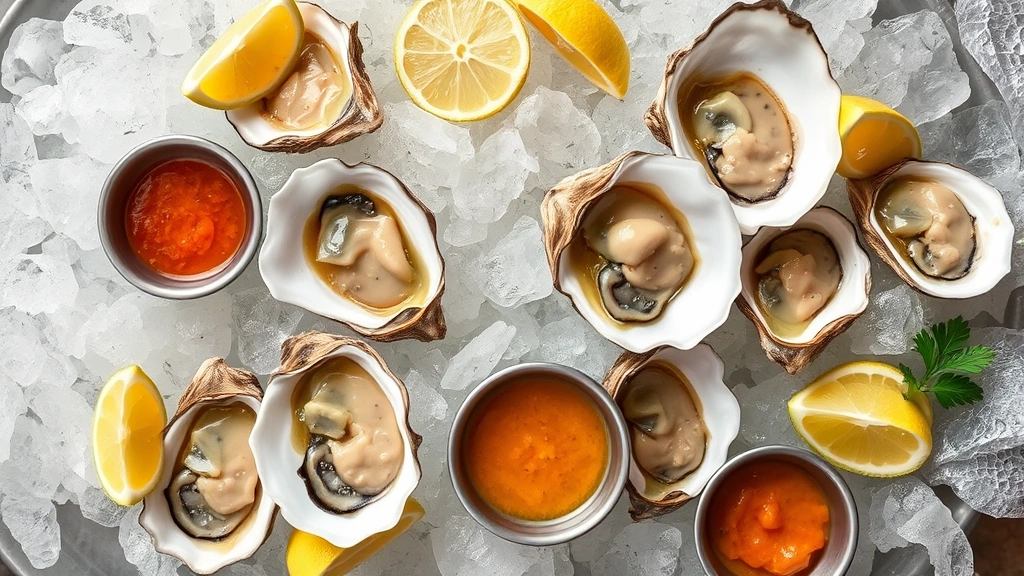
Many of Charleston’s best seafood venues feature raw bars where oysters and clams are shucked to order, allowing diners to experience the pure mineral complexity of these bivalves at their freshest. The subtle differences between oyster varieties become apparent when tasting them side-by-side—some briny and aggressive, others sweet and buttery, each reflecting the specific water conditions of their origin. This is where you develop your palate’s sophistication, learning to identify flavor nuances that separate exceptional specimens from merely adequate ones.
Casual Yet Elevated: Contemporary Comfort Food
Not every exceptional dining experience requires formal dress codes or multi-course tasting menus. Charleston’s casual-elevated restaurants prove that sophistication and approachability aren’t mutually exclusive. These establishments serve elevated versions of familiar dishes, transforming comfort food into something that satisfies both nostalgic cravings and refined palates simultaneously.
What makes casual-elevated dining work is the underlying technical skill supporting seemingly simple dishes. A burger might feature house-ground beef from a specific local farm, aged precisely for optimal tenderness, topped with housemade pickles and a sauce developed through weeks of flavor testing. A pasta dish might appear straightforward until you taste the depth of the sauce, realizing the chef has spent hours developing the base and understanding how each ingredient contributes to the overall complexity.
These restaurants typically feature intimate seating arrangements that encourage conversation and community. The atmosphere feels less like “dining out” and more like visiting a talented friend’s home kitchen, except the friend is a professionally trained chef working with premium ingredients. Service tends to be knowledgeable without being formal—servers can discuss the sourcing of ingredients and make informed recommendations without referring to notes.
Charleston’s casual-elevated venues often focus on specific cuisines or ingredient categories, allowing them to develop deep expertise. You might find a restaurant dedicated entirely to Mexican culinary traditions, where the chef has studied regional cooking techniques and sources authentic ingredients from specialty suppliers. Another might specialize in pasta-making, with a housemade pasta sauce program that changes seasonally as different tomatoes and herbs reach peak flavor.
International Flavors and Fusion Concepts
Charleston’s culinary sophistication extends well beyond Southern and seafood traditions. The city boasts excellent international restaurants representing cuisines from around the globe, many operated by chefs who trained extensively in their respective regions before bringing their expertise to Charleston.
Asian cuisine flourishes in Charleston, with restaurants offering everything from authentic Vietnamese pho with broth simmered for days to Japanese omakase experiences where sushi masters work directly with diners. Thai restaurants feature curry pastes made from scratch, balancing heat, sweetness, and aromatic complexity with precision. Korean establishments offer banchan-heavy meals where numerous small dishes create a complete flavor narrative together.
Mediterranean cuisines—Italian, Spanish, Greek, and Moroccan—have found enthusiastic audiences in Charleston. These restaurants typically emphasize olive oil quality, ingredient purity, and the technique of coaxing maximum flavor from relatively simple components. You’ll taste the difference between mass-produced olive oil and small-batch cold-pressed varieties, experience how sea salt affects flavor perception, and understand why ingredient sourcing matters as much as cooking technique.
Fusion restaurants in Charleston operate with intentionality rather than gimmickry. Successful fusion chefs understand both cuisines deeply before combining them, creating dishes that honor both traditions while creating something genuinely new. The best fusion cooking feels inevitable rather than arbitrary—you taste it and think “of course these flavors belong together,” rather than “that’s an odd combination.”
Outdoor Dining with Panoramic Views
Charleston’s temperate climate and scenic locations make restaurants with outdoor seating particularly special. Dining alfresco while overlooking the harbor, historic gardens, or tree-lined courtyards enhances the sensory experience immeasurably. The interplay of natural light on food, the sound of ambient activity, and the feeling of open air all contribute to how we perceive flavor.
Many of Charleston’s outdoor venues feature rooftop settings where you can dine under stars while enjoying the city’s skyline. Others occupy historic courtyards surrounded by brick walls and flowering plants, creating intimate garden atmospheres that feel removed from urban bustle despite being downtown. Waterfront restaurants offer the constant visual interest of boat traffic and water reflections while serving seafood at its freshest.
The best outdoor dining venues in Charleston design their menus with seasonal weather in mind. Summer menus feature lighter preparations, chilled soups, and refreshing beverages, while cooler months bring warmer, more substantial dishes. Restaurants with outdoor seating understand that weather affects how food tastes—humidity impacts spice perception, temperature affects how flavors develop on the palate, and wind influences how aromatic compounds reach your nose.
Plant-Forward and Vegetarian Excellence
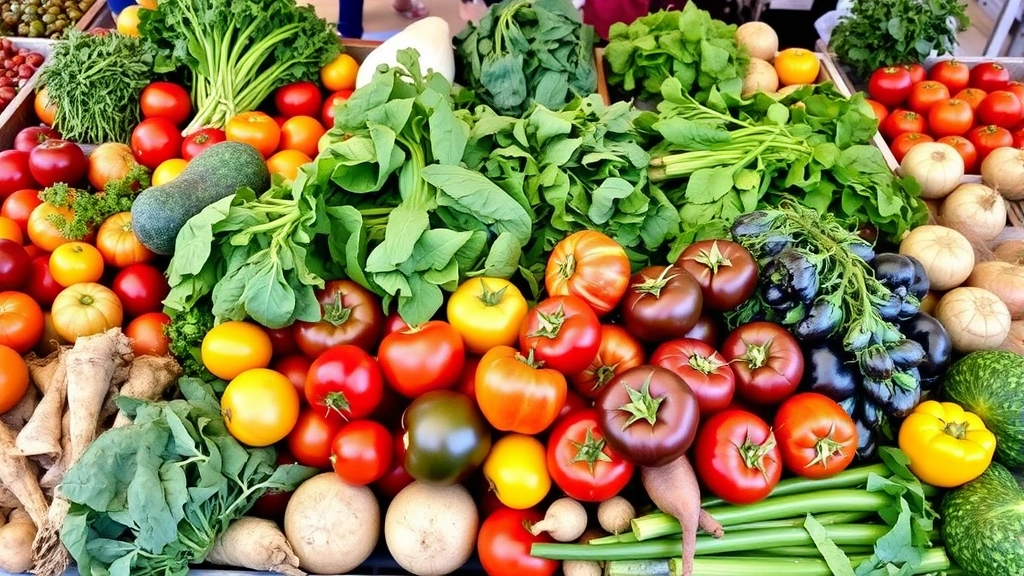
Charleston’s vegetarian and vegan restaurant scene has evolved dramatically, moving far beyond token salad options. The city now boasts establishments that treat plant-based cooking with the same technical rigor and ingredient respect as any meat-focused kitchen.
The best plant-forward restaurants in Charleston understand that vegetable-centric cuisine isn’t about limitation—it’s about opportunity. When chefs focus on vegetables as primary ingredients rather than sides, they discover depth and complexity that animal proteins alone cannot provide. A perfectly cooked beet becomes a study in earthiness and sweetness. Mushroom preparations develop umami richness rivaling meat stocks. Legumes showcase textural variety from creamy purées to intact whole specimens.
These restaurants typically emphasize seasonal eating more strongly than their omnivorous counterparts, simply because vegetables have more pronounced seasonal variations. Spring menus burst with tender shoots and young greens. Summer celebrates stone fruits, berries, and peak tomatoes. Fall brings squashes, root vegetables, and mushrooms. Winter transforms hardy greens and storage crops into deeply satisfying preparations.
Sourcing becomes paramount in plant-forward restaurants, as the absence of dominant proteins means vegetables must be exceptional. These establishments often work directly with farmers, sometimes requesting specific varieties grown precisely for culinary applications. The resulting dishes taste noticeably different from restaurants using conventional produce sources.
Hidden Gems and Neighborhood Favorites
Beyond the well-known establishments that draw tourists and out-of-town visitors, Charleston maintains numerous hidden gems that locals fiercely protect. These restaurants might occupy modest storefronts, feature minimal signage, and rely entirely on word-of-mouth reputation. The magic of discovering such places lies in experiencing food cooked without regard for trend or acclaim—purely for the joy of cooking well.
Neighborhood favorites often feature chef-owners working the line nightly, ensuring consistency and personal investment in every plate. These establishments typically have limited seating, sometimes no reservations, and menus that change based on daily market availability. The atmosphere tends toward genuine warmth—servers and hosts recognize regulars, remember preferences, and treat newcomers like future friends rather than transaction sources.
These hidden gems frequently specialize in specific cuisines or cooking styles that might not support high-volume operations but attract devoted followings. You might find a small Vietnamese restaurant run by a family whose recipes trace back generations, a Brazilian churrascaria operating from a modest space, or a restaurant with live music featuring local musicians alongside outstanding food.
Discovering these places requires local knowledge or willingness to wander off main tourist paths. Ask hotel concierges, taxi drivers, and longtime residents for recommendations. Visit neighborhoods like Folly Beach, James Island, and West Ashley where chains haven’t dominated. Read reviews on specialty food forums rather than mainstream platforms. The effort invested in finding these gems pays dividends in authentic experiences and meals that feel genuinely personal.
FAQ
What makes Charleston’s restaurant scene special compared to other Southern cities?
Charleston combines deep historical culinary traditions with contemporary innovation in ways few cities match. The city’s geographic position provides exceptional ingredient access, the population includes talented chefs drawn from around the world, and the community supports ambitious culinary experimentation. Additionally, Charleston’s tourism economy sustains numerous high-quality restaurants that might struggle in smaller markets, creating competitive excellence.
How far in advance should I book reservations at top Charleston restaurants?
Popular fine dining establishments often require reservations weeks in advance, especially during peak seasons (spring and fall). Casual restaurants typically accept walk-ins or require minimal advance notice. For special occasions, booking 4-6 weeks ahead for premier venues ensures availability. Many restaurants hold tables for walk-ins at the bar or counter, offering opportunities to dine without reservations.
What’s the best season to visit Charleston for dining experiences?
Spring (March-May) and fall (September-November) offer ideal weather and peak ingredient availability. Winter provides fewer tourists and easier reservations, though some seasonal ingredients become limited. Summer features outdoor dining opportunities but can be uncomfortably hot and humid for walking between restaurants. Restaurant Week typically occurs in January and August, offering multi-course menus at fixed prices at numerous establishments.
Are there specific neighborhoods known for exceptional restaurants?
King Street and the Historic District concentrate many established fine dining venues. Lower King Street features younger, more casual concepts. The French Quarter offers intimate neighborhood dining. James Island and West Ashley contain hidden gems frequented by locals. Folly Beach provides casual seafood with beach access. Each neighborhood offers distinct culinary personalities worth exploring.
How does Lowcountry cuisine differ from broader Southern cooking?
Lowcountry cuisine emphasizes coastal ingredients, rice-based dishes, and West African influences reflecting the region’s unique history. It features more seafood, lighter preparations, and rice as a staple grain compared to broader Southern traditions emphasizing meat and corn. The cuisine developed from combining African, European, and Native American cooking traditions specific to the coastal Carolinas and Georgia.
What resources can help identify Charleston’s best current restaurants?
The James Beard Foundation recognizes exceptional restaurants and chefs nationally. ChefsFeed connects diners with chef-recommended restaurants. The Spruce Eats provides detailed dining guides. The South Carolina Culinary Guild supports professional chefs and maintains member directories. Local food publications and blogs provide real-time updates on restaurant openings and chef movements.
Should I explore restaurants beyond the Historic District?
Absolutely. While the Historic District concentrates tourist-oriented establishments, some of Charleston’s most exciting dining happens in surrounding neighborhoods. Local foodies frequent restaurants in West Ashley, James Island, and downtown areas beyond the tourist core. These neighborhoods offer authentic community dining experiences, often with more accessible pricing and genuine local atmospheres than heavily touristed areas.