Best Pizza in Town? Chef’s Top Picks Revealed
Pizza—that universally beloved culinary creation—transcends borders, cultures, and social gatherings. Yet finding truly exceptional pizza in your neighborhood requires more than stumbling upon a crowded establishment with flashy signage. It demands understanding what separates mediocre from magnificent: the balance of crust texture, sauce complexity, cheese quality, and ingredient synergy. After consulting with renowned pizzaiolos and culinary experts, we’ve uncovered the defining characteristics that transform a simple pizza into an unforgettable gastronomic experience.
The quest for the best pizza in town isn’t merely about satisfying hunger—it’s about discovering artisanal craftsmanship, time-honored traditions, and innovative approaches to a timeless classic. Whether you’re seeking authentic Neapolitan perfection, New York-style boldness, or creative regional interpretations, understanding what makes pizza exceptional will guide your palate toward truly remarkable establishments. Our investigation into local best Italian restaurants near me has revealed hidden gems and established favorites worthy of your attention.
What Makes Pizza Truly Exceptional
Exceptional pizza exists at the intersection of precision, passion, and patience. Professional pizzaiolos understand that pizza isn’t a shortcut meal—it’s a canvas for culinary expression requiring meticulous attention to detail. The difference between average and outstanding pizza often hinges on seemingly minor factors that compound into dramatically different sensory experiences.
Consider fermentation time: traditional pizzerias allow dough to develop flavors over extended periods, sometimes 48 to 72 hours. This slow fermentation creates complex, subtle sweetness and improved digestibility that rushed doughs simply cannot achieve. The gluten network develops strength, creating that desirable combination of structural integrity and tender bite. Temperature control during fermentation profoundly affects flavor development, with cooler environments encouraging beneficial microbial activity and enzyme action.
The sourcing philosophy distinguishes remarkable pizzerias from pedestrian ones. Top establishments maintain relationships with specific flour mills, tomato producers, and cheese makers. They understand terroir—how regional growing conditions influence ingredient character. San Marzano tomatoes from volcanic soil near Mount Vesuvius taste fundamentally different from California-grown varieties, offering deeper acidity, lower seed content, and more pronounced umami notes. Mozzarella di bufala delivers creamy richness and delicate flavor that standard mozzarella cannot replicate.
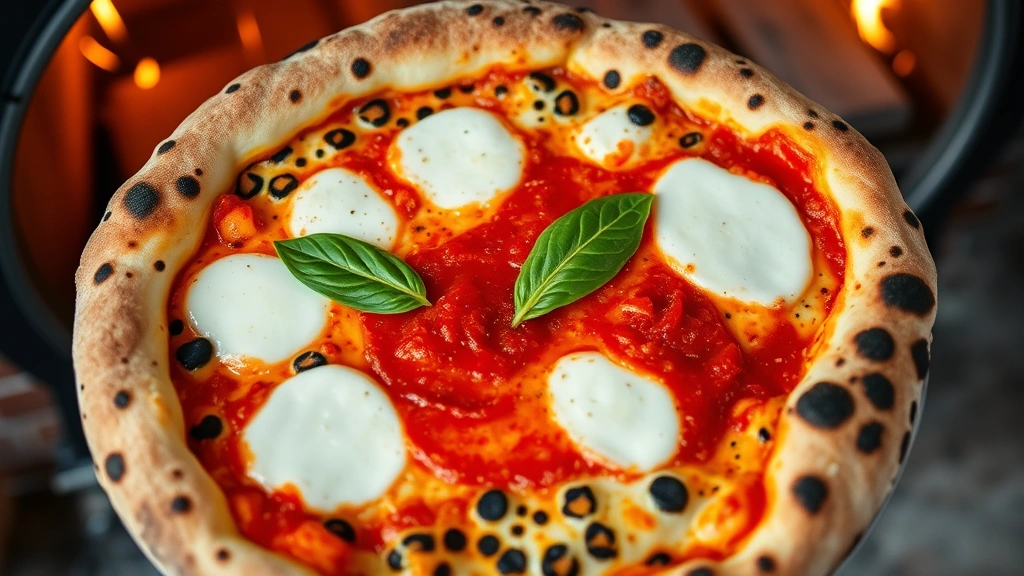
Temperature management during baking represents another critical variable. Wood-fired ovens reaching 900°F create the Maillard reaction across crust surfaces in mere minutes, developing complex char flavors while maintaining tender interiors. This rapid cooking preserves toppings’ integrity—vegetables retain color and slight crispness rather than becoming limp and oxidized. Proper hydration of dough combined with precise oven temperature creates that coveted leopard-spotted crust with irregular bubbling and crispy-yet-chewy texture.
The Foundation: Understanding Crust Craftsmanship
The crust represents pizza’s foundational element, and its quality determines whether a pie succeeds or fails. Master pizzaiolos recognize that crust development begins long before the oven, starting with flour selection and hydration ratios.
High-protein flours (13-15% protein content) develop stronger gluten networks, essential for supporting toppings and creating structural integrity. Italian Tipo 00 flour, milled to extreme fineness, hydrates differently than bread flour, requiring different water ratios and handling techniques. Experienced pizzaiolos adjust hydration based on humidity, flour age, and desired final texture—a seemingly simple dough actually involves sophisticated calculations.
Salt timing proves surprisingly important. Adding salt too early can inhibit fermentation; too late leaves pockets of undissolved crystals. Proper salt integration enhances gluten strength, improves flavor, and controls fermentation speed. Many artisanal pizzerias use sea salt, which contains trace minerals affecting both flavor and fermentation dynamics.
Olive oil selection influences crust character significantly. Extra virgin olive oils with grassy or peppery notes create distinctive flavor profiles, while milder oils allow other ingredients to shine. Oil quantity affects crust texture—higher oil content creates softer, more tender crumb, while lower oil ratios yield crispier exteriors.
The final crust texture should offer multiple sensations: crispy exterior, slightly charred spots providing bitter complexity, chewy interior with irregular air pockets, and subtle sweetness from fermented grain flavors. This combination requires precise technique, quality ingredients, and proper fermentation timing. When you discover a pizzeria achieving this balance, you’ve found something worth returning to repeatedly.
When exploring best sauce recipes for pasta, you’ll notice that similar principles apply to pizza sauce—quality ingredients and proper technique create superior results.
Sauce Mastery and Flavor Profiles
Pizza sauce occupies a delicate space: it must complement rather than overpower, provide acidity to balance richness, and offer depth without complexity that distracts from other elements. The finest pizzerias recognize sauce as an equal partner with dough and cheese, not merely a vehicle for tomato flavor.
San Marzano tomatoes remain the gold standard for serious pizzerias. Their lower seed and water content produces concentrated flavor, natural sweetness, and pleasant acidity without requiring extensive cooking. Canned San Marzano tomatoes, when sourced from reputable producers, often surpass fresh tomatoes in consistency and flavor, having been harvested and processed at peak ripeness.
Minimal processing defines excellent pizza sauce. The finest pizzerias use tomatoes, salt, and perhaps olive oil—nothing more. Some add fresh basil just before service, allowing its aromatic compounds to remain volatile and vibrant. Others incorporate garlic, but sparingly, understanding that garlic’s harsh sulfur compounds require careful management to avoid dominating other flavors.
Sauce quantity matters tremendously. Overloaded sauce creates soggy crust, mutes cheese character, and overwhelms palate with acidity. Expert pizzaiolos apply sauce with restraint, creating thin, even coverage allowing crust and cheese to assert themselves. The sauce should enhance the pizza’s overall experience, not become its dominant characteristic.
Cooking time for sauce varies between traditions. Neapolitan-style pizzerias often use raw or lightly cooked sauce, preserving bright, fresh tomato character. Other establishments simmer sauce for hours, developing deeper, more concentrated flavors. Both approaches yield excellent results when executed properly, producing different but equally valid flavor profiles.
Cheese Selection and Melting Excellence
Cheese represents pizza’s most variable element, and quality selection dramatically impacts final flavor and texture. While mozzarella remains the classic choice, understanding its nuances separates exceptional pizzerias from mediocre ones.
Mozzarella di bufala, made from water buffalo milk, delivers creamy richness, delicate sweetness, and subtle tangy notes absent in cow’s milk mozzarella. Its higher fat content creates superior melting characteristics, achieving glossy, stretchy texture without becoming oily. The flavor remains subtle, complementing rather than competing with sauce and toppings.
Fior di latte, made from cow’s milk, offers slightly firmer texture and more pronounced dairy flavor than bufala. Many pizzerias prefer fior di latte for its lower cost and slightly better performance under intense heat, though it lacks bufala’s creamy elegance.
Moisture content proves critical. Fresh mozzarella contains excessive moisture, causing weeping and creating soggy crust. Excellent pizzerias use mozzarella with lower moisture content (around 45-50%), allowing proper melting and browning without excess liquid. Some establishments stretch their own mozzarella daily, controlling moisture content and ensuring peak freshness.
Cheese application technique significantly influences results. Tearing cheese into irregular pieces rather than using pre-shredded varieties allows better melting and creates appealing visual texture. Distributing cheese unevenly, with some areas showing slight gaps, creates interesting contrast between cheese-covered and exposed crust sections.
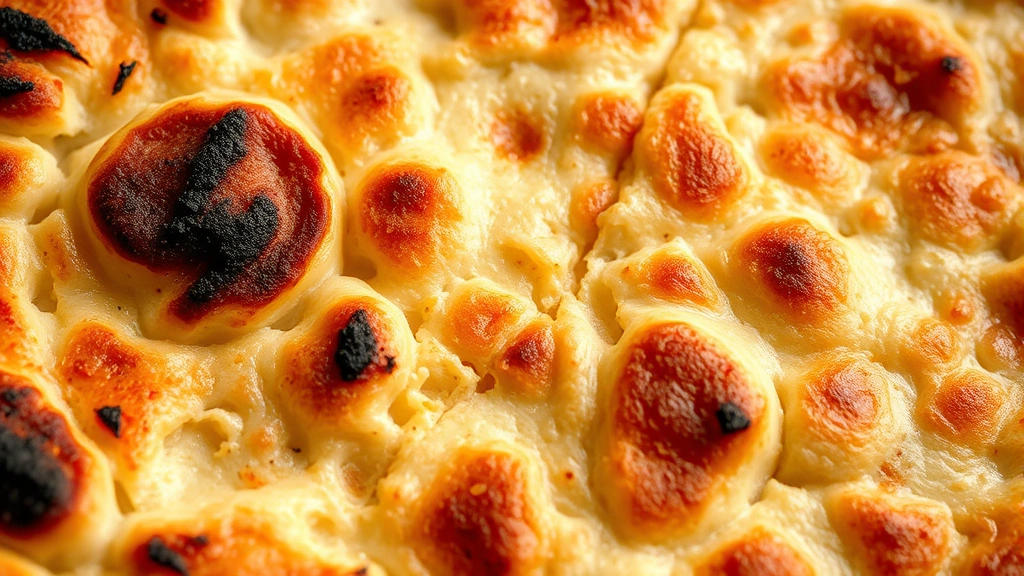
Temperature management during melting proves essential. Proper oven temperature creates slight browning on cheese surfaces, developing complex flavors through the Maillard reaction, while maintaining creamy, pliable texture throughout. Undercooked cheese remains rubbery; overcooked cheese becomes tough and develops acrid, burnt flavors.
Toppings That Elevate Your Experience
Quality toppings transform pizza from simple bread and cheese into sophisticated culinary creations. The finest pizzerias apply the same sourcing rigor to toppings as to foundational ingredients.
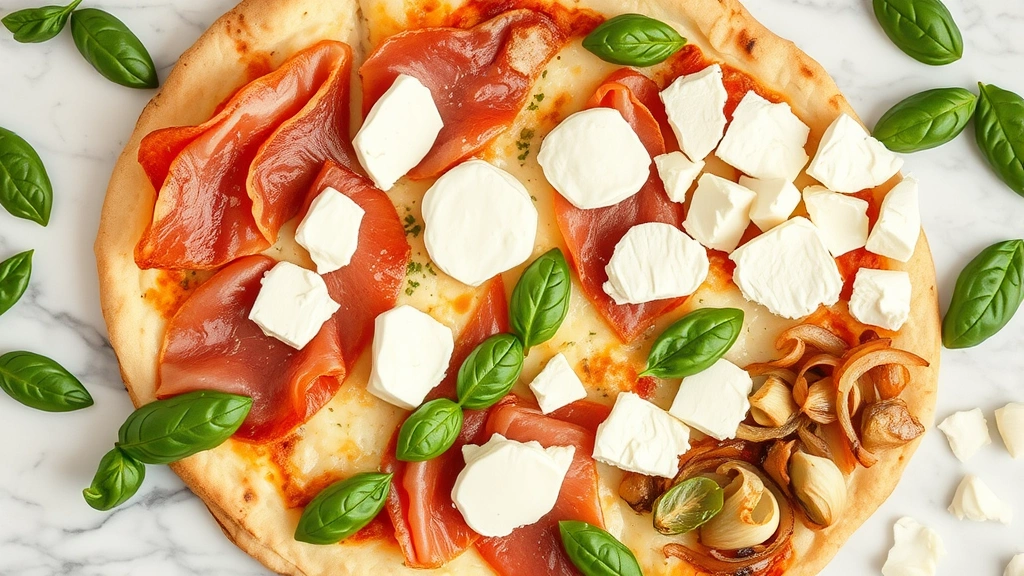
Cured meats deserve particular attention. Authentic Italian salumi—properly aged, naturally fermented, and sliced to order—deliver complex, nuanced flavors that mass-produced pepperoni cannot match. San Daniele prosciutto, Calabrese ‘nduja, and guanciale each offer distinct flavor profiles and textural characteristics. These premium meats should be sliced thin enough to crisp slightly during baking, concentrating flavors and creating textural contrast.
Fresh vegetables require careful consideration. Delicate vegetables like basil should be added post-baking, preserving aromatic volatility and bright color. Heartier vegetables like peppers, mushrooms, and onions benefit from slight pre-cooking, removing excess moisture and concentrating flavors. Roasted garlic cloves provide mellow sweetness and creamy texture absent in raw garlic.
Specialty ingredients elevate pizza beyond traditional boundaries. Truffle oil adds earthy complexity; fresh ricotta dollops provide creamy contrast to molten mozzarella; crumbled goat cheese offers tangy sophistication. However, restraint proves essential—toppings should enhance rather than overwhelm the foundational pizza elements.
Quantity control distinguishes refined pizzerias from casual establishments. Overloaded toppings create soggy, unbalanced pies where individual flavors blur together. Master pizzaiolos apply toppings thoughtfully, ensuring every bite contains balanced proportions of crust, sauce, cheese, and toppings.
Regional Pizza Styles Worth Exploring
Pizza’s diversity extends far beyond Neapolitan tradition, with regional styles offering distinct approaches and equally valid merit. Understanding these variations enriches your pizza appreciation and guides your local exploration.
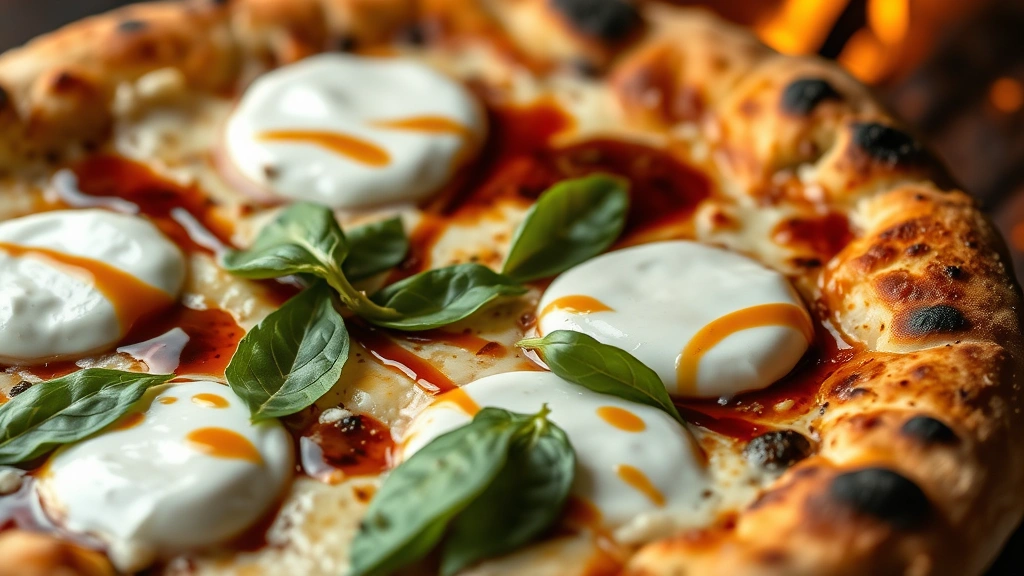
Neapolitan Pizza represents the original tradition, featuring thin crust with slight char, minimal toppings, and emphasis on ingredient quality. The San Marzano tomato, mozzarella di bufala, and fresh basil combination creates elegant simplicity. Baking occurs in wood-fired ovens at extreme temperatures for 60-90 seconds, creating distinctive leopard spotting and tender crumb.
New York-Style Pizza features larger slices, thicker crust with crispy exterior and chewy interior, and generous cheese coverage. This style emphasizes balance and substance, creating pizza suitable for quick consumption while maintaining quality. The fold factor—proper structural integrity allowing eating while walking—represents a key characteristic.
Detroit-Style Pizza showcases rectangular shape, thick and airy crust, and distinctive cheese placement with crispy, browned edges. The Sicilian influences create focaccia-like texture with satisfying chew. Toppings often include pepperoni, mushrooms, and onions, with sauce sometimes added after baking for bright acidity.
Sicilian Pizza features thick, oily, focaccia-like crust with toppings distributed sparsely. The emphasis falls on bread quality and simplicity, often featuring just sauce, cheese, and perhaps a single topping. This style prioritizes crust character above all other elements.
Roman Pizza al Taglio (by the slice) showcases rectangular format, thin-to-medium crust, and creative topping combinations. Roman pizzerias often feature 20+ topping options, encouraging experimentation and personal customization. The emphasis on quality ingredients applies equally to traditional and innovative combinations.
Exploring regional variations helps you identify which style resonates with your palate, guiding your search for the best pizza in town that matches your preferences.
How to Identify Quality Pizzerias
Discovering exceptional pizza in your area requires recognizing quality indicators that extend beyond reviews and ratings. These markers reveal pizzerias genuinely committed to pizza excellence.
Wood-Fired Ovens represent a significant investment signaling serious commitment to quality. The distinctive char development, rapid cooking, and superior crust characteristics achievable only in wood-fired ovens demonstrate a pizzeria’s dedication. While gas ovens can produce good pizza, the results differ fundamentally from wood-fired versions.
Dough Fermentation Practices reveal commitment to craft. Inquire about fermentation times—establishments using 48+ hour cold fermentation demonstrate patience and understanding of flavor development. Ask about dough resting periods and temperature control, indicating technical sophistication.
Ingredient Sourcing distinguishes serious establishments from casual operators. Pizzerias that can discuss their flour supplier, tomato source, and cheese maker display genuine commitment to quality. Relationships with specific producers indicate consistency and standards maintenance.
Menu Simplicity often correlates with quality. Pizzerias offering 5-15 pizza varieties typically focus on perfecting each option, while establishments with 40+ varieties often sacrifice consistency for novelty. Traditional pizzerias understand that mastery requires focus and repetition.
Staff Knowledge matters significantly. Pizzeria staff who can discuss ingredient characteristics, fermentation methods, and topping combinations demonstrate engagement with their craft. They should offer recommendations based on your preferences rather than simply taking orders.
Ingredient Transparency builds confidence in quality. Pizzerias displaying their flour bags, tomato cans, and cheese sources signal transparency and pride in their selections. Some establishments feature open kitchens allowing observation of pizza preparation, demonstrating confidence in their techniques.
Consistency Across Visits reveals operational discipline. Quality pizzerias maintain consistent crust texture, sauce flavor, and cheese performance across multiple visits and different pizzaiolos. Variation suggests inconsistent techniques or ingredient changes.
When exploring date night restaurants near me, consider pizzerias offering thoughtful wine pairings and refined atmospheres—indicators of comprehensive culinary sophistication.
For those interested in broader culinary exploration, investigating best Mexican restaurants near me and vegan restaurants reveals similar quality markers applicable across cuisines. The fundamental commitment to ingredient quality and technical mastery transcends specific culinary traditions.
Even easy fish recipes for dinner benefit from the same quality-sourcing principles that elevate pizza—fresh, properly handled ingredients and thoughtful preparation techniques create superior results across all culinary endeavors.
FAQ
What distinguishes Neapolitan pizza from New York-style pizza?
Neapolitan pizza features thinner crust, minimal toppings, and emphasis on ingredient quality, baked in wood-fired ovens at extreme temperatures for 60-90 seconds. New York-style pizza offers larger slices, thicker crust, and generous cheese coverage, designed for portability and substance. Both represent valid approaches with different flavor and textural characteristics.
How long should pizza dough ferment?
Quality pizza dough benefits from 24-72 hour fermentation, typically at cool temperatures (50-65°F). This extended fermentation develops complex flavors, improves digestibility, and creates superior gluten structure. Shorter fermentation times (8-12 hours) work acceptably for casual establishments, but cannot achieve the flavor complexity of properly fermented dough.
Why does pizza sauce sometimes taste bitter?
Bitterness in pizza sauce typically results from overcooking, excessive heat during fermentation, or using low-quality tomatoes. San Marzano tomatoes from reputable sources should taste sweet with pleasant acidity. Minimal cooking and proper ingredient selection prevent bitter flavors from developing.
What makes cheese brown on pizza?
Cheese browning occurs through the Maillard reaction—a chemical process when proteins and sugars combine under high heat. This browning develops complex, savory flavors and creates visual appeal. Proper oven temperature and baking duration allow cheese browning without burning or becoming tough.
Should basil be added before or after baking?
Fresh basil added before baking loses aromatic volatility and bright color due to heat exposure. Superior pizzerias add basil after baking, preserving its delicate aromatic compounds and vibrant green color. This simple technique dramatically improves basil’s contribution to the final pizza.
How can I identify authentically sourced pizza ingredients?
Ask your pizzeria directly about ingredient sources. Quality establishments proudly discuss their suppliers, flour mills, tomato producers, and cheese makers. Look for transparency about fermentation practices, sourcing regions, and ingredient specifications. Pizzerias that can discuss these details demonstrate genuine commitment to quality.
What’s the ideal thickness for pizza crust?
Ideal crust thickness varies by style: Neapolitan pizza features thin, delicate crust (about 2mm), while New York-style typically measures 4-6mm, and Sicilian-style reaches 10-15mm. The key metric isn’t absolute thickness but achieving proper balance between crispy exterior, chewy interior, and structural integrity for supporting toppings.