Old Town Gems: Best Dishes & Chef’s Pick Recommendations
Navigating the culinary landscape of historic old town districts reveals some of the most authentic and innovative dining experiences available. These establishments, often housed in century-old buildings with exposed brick and intimate atmospheres, have mastered the art of blending tradition with contemporary technique. The dishes that emerge from these kitchens tell stories of heritage, local sourcing, and passionate craftsmanship that simply cannot be replicated in modern chain establishments.
When seeking the finest culinary offerings in old town neighborhoods, understanding what makes certain dishes truly exceptional becomes paramount. Beyond mere presentation or portion size, the dishes that chefs themselves gravitate toward showcase layers of flavor, textural complexity, and the kind of execution that only comes from years of refinement. These are the plates that represent each restaurant’s identity, the ones that keep patrons returning with anticipation.
Signature Dishes That Define Old Town Excellence
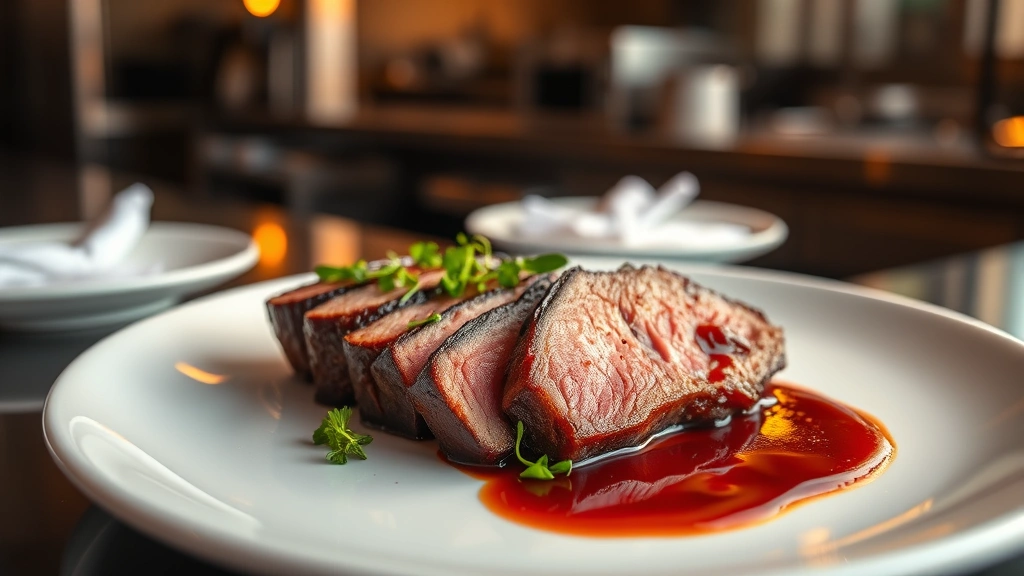
The most memorable signature dishes in old town restaurants possess an almost ineffable quality—they transcend the boundaries of their individual components to become something greater. Consider the perfectly seared duck breast that arrives with a mahogany-colored crust, its interior still pink and succulent, accompanied by a cherry gastrique that provides both acidity and subtle sweetness. The interplay between the rich, gamey duck fat and the bright cherry notes creates a sensory experience that lingers long after the plate has been cleared.
What distinguishes these signature offerings is their consistency and the obvious care invested in every element. A chef’s signature pasta dish might feature hand-rolled agnolotti filled with a delicate ricotta and herb mixture, bathed in a brown butter sauce infused with sage and finished with aged balsamic. The pasta itself achieves that ideal texture—tender yet with enough resistance to provide gentle resistance to the tooth. This textural contrast becomes the foundation upon which all other flavors build.
Seafood preparations in old town establishments often reflect the restaurant’s commitment to sustainability and freshness. A whole branzino, filleted tableside and finished with nothing more than excellent olive oil, lemon, and sea salt, demonstrates the chef’s confidence in ingredient quality. When sourced from responsible fisheries, this fish arrives with flesh that practically melts on the palate, its delicate sweetness unmarred by heavy sauces or unnecessary embellishments.
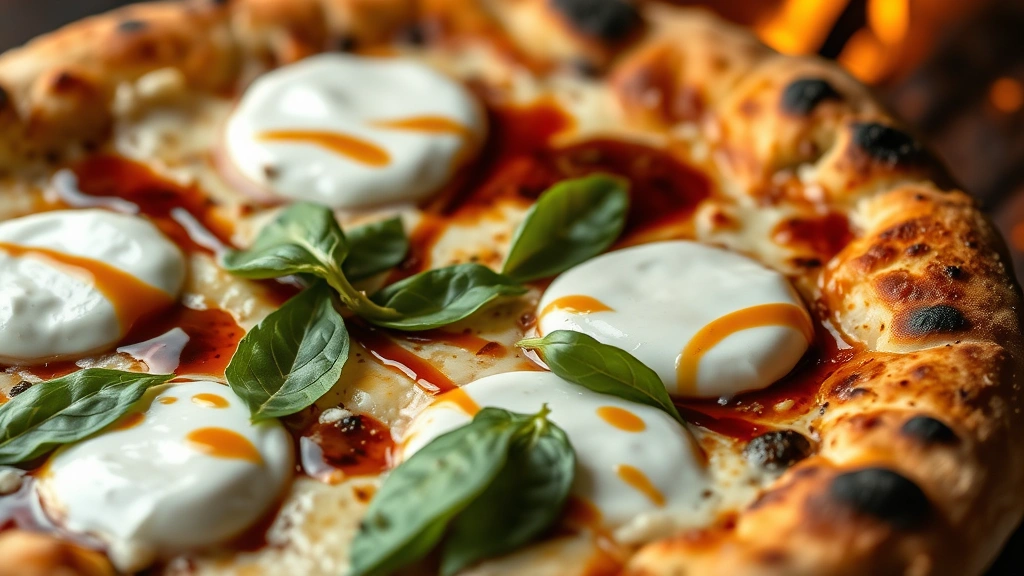
Vegetable-forward dishes have earned prominent placement on old town menus, reflecting both culinary trends and the genuine creativity of contemporary chefs. Heirloom tomato preparations showcase the incredible range of flavors available within a single fruit category—from the bright, almost citrusy notes of yellow varieties to the deep, umami-rich characteristics of dark purple specimens. When properly ripened and paired with quality burrata cheese, these dishes become studies in seasonal perfection.
Chef’s Personal Favorites and Hidden Gems
The dishes that chefs personally favor often differ markedly from the restaurant’s most popular offerings. These selections reveal what resonates with experienced palates—the dishes that demonstrate technical mastery while also providing genuine pleasure. A chef might choose a simple preparation of bone marrow with parsley salad and crostini, appreciating the mineral depth of the marrow and the way the parsley’s slight bitterness cuts through the richness.
Hidden gems in old town restaurants frequently appear as specials or off-menu offerings, available only to those who establish relationships with kitchen staff. These might include a preparation of sweetbreads that requires extensive preparation and carries significant labor costs, making it economically viable only in limited quantities. The chef’s technique transforms these often-misunderstood organs into something delicate and refined, with a texture that hovers between creamy and crispy depending on the cooking method employed.
When exploring lunch restaurants in old town areas, many establishments offer chef’s special preparations available during midday service at more accessible price points. These might include a simple but perfectly executed fish soup, built upon a foundation of slow-cooked aromatics and quality stock, finished with rouille and gruyère. The depth of flavor in such a preparation comes not from exotic ingredients but from time, attention, and proper technique.
Some of the most interesting chef’s picks emerge from collaborative tasting menus, where the kitchen demonstrates its full range of capabilities. These multi-course experiences might progress from delicate amuse-bouches through progressively richer and more intense preparations, finishing with a palate-cleansing dessert course. Each dish builds upon the previous one, creating a narrative arc that showcases the chef’s philosophy and technical range.
Many old town establishments cater to various dietary preferences, and vegan restaurants near me in historic districts have developed some genuinely exciting offerings. Creative chefs working within plant-based parameters have developed techniques for building umami depth through mushroom preparations, miso fermentation, and careful vegetable selection. A vegan tasting menu might include a beet tartare with horseradish cream and crispy chickpea garnish that surprises with its textural complexity.
Understanding Flavor Profiles and Technique
The science of flavor perception becomes particularly evident when examining how old town chefs construct their most compelling dishes. The human palate recognizes five basic taste categories—sweet, salty, sour, bitter, and umami—and the most sophisticated dishes balance these elements with precision. A perfectly balanced dish might showcase how umami from aged parmesan complements the slight bitterness of broccoli rabe, while acidity from lemon provides brightness and a touch of sweetness from caramelized garlic rounds out the composition.
Umami, that savory fifth taste, emerges as particularly important in old town cuisine where slow cooking methods and ingredient quality work in concert. Beef stocks reduced for hours develop an almost viscous body and intense flavor that cannot be rushed. When used judiciously in a sauce or gravy, this umami foundation elevates accompanying proteins and vegetables to new heights. The palate recognizes this depth and responds with genuine satisfaction.
Textural contrast represents another crucial element in the most memorable dishes. A successful preparation might layer a silky puree beneath a piece of perfectly seared protein, topped with crispy breadcrumbs or fried shallots. Each component offers different textural information to the mouth—the smoothness of the puree, the resistance of the protein’s crust, the shattering quality of the crispy element. This multi-dimensional experience engages the palate more completely than a single-texture preparation could achieve.
Temperature relationships within a single dish also demonstrate chef sophistication. A composed plate might include a warm element, a room-temperature component, and a chilled garnish, with each temperature range affecting flavor perception. Chilled elements tend to suppress sweetness perception while enhancing acidity, while warmth amplifies aromatic compounds and can make dishes taste more savory. Understanding these relationships allows chefs to manipulate perceived flavor profiles precisely.
Fermentation techniques, increasingly prominent in old town restaurants, add complexity through microbial transformation. Miso, kombucha, kimchi, and house-made pickles introduce tangy, complex notes that cannot be achieved through simple acid addition. These ingredients carry the depth that comes from time and microbial action, adding layers of flavor that sophisticated palates immediately recognize and appreciate.

Curated Dining Experiences by Occasion
Old town restaurants excel at creating dining experiences tailored to specific occasions and preferences. When considering family restaurants near me in historic districts, many establishments have thoughtfully developed menus that appeal across age groups while maintaining culinary integrity. These restaurants understand that families appreciate welcoming atmospheres, reasonable pricing, and dishes that offer broad appeal without sacrificing quality or technique.
For intimate dining, many old town establishments feature chef’s counter seating where diners can observe kitchen operations while enjoying personalized service. These seats offer front-row access to the choreography of a professional kitchen—the precision of knife work, the timing of multiple dishes coming together, the focused intensity of the team executing complex preparations. This proximity to culinary creation deepens appreciation for the finished dishes.
Those seeking restaurants open late near me in old town areas often discover establishments that transform into sophisticated cocktail and small plate venues after traditional dinner service concludes. These late-night experiences offer a different energy—more relaxed, more exploratory—allowing diners to sample multiple dishes and develop a broader understanding of the kitchen’s capabilities. A chef might offer creative preparations during late-night service that wouldn’t fit the restaurant’s standard service model.
Special occasion dining in old town restaurants frequently involves advance communication with kitchen staff. Many chefs welcome the opportunity to design custom menus for celebrations, anniversaries, or milestone moments. These bespoke experiences might feature ingredients specifically sourced to honor a guest’s heritage or preferences, creating deeply personal dining moments that transcend the typical restaurant experience.
Seasonal tasting menus represent another way old town restaurants create curated experiences. As ingredients come into peak season, chefs design menus that showcase what local farms, fisheries, and purveyors offer at their absolute best. Spring menus might emphasize delicate vegetables and lighter proteins, while fall preparations highlight earthy mushrooms, game, and root vegetables. These seasonal rotations encourage repeat visits and demonstrate the kitchen’s responsiveness to ingredient availability.
Local Sourcing and Ingredient Philosophy
The commitment to local and seasonal sourcing fundamentally shapes what appears on old town restaurant menus. When a chef establishes relationships with nearby farms, foragers, and artisanal producers, the resulting dishes carry authenticity that cannot be manufactured. A salad featuring greens harvested that morning from a nearby farm expresses vibrancy and freshness that shipped ingredients simply cannot match.
Many old town restaurants maintain active relationships with multiple purveyors, often visiting farmers markets personally or receiving regular deliveries from trusted sources. This direct connection allows chefs to influence what gets grown and produced—suggesting particular heirloom varieties, requesting specific cuts, or commissioning particular preparations. These collaborations create a web of culinary relationships that strengthens the entire local food system.
Nose-to-tail and root-to-stem cooking philosophies have found natural homes in old town establishments, where respect for ingredients and sustainability align with culinary excellence. A restaurant might feature beef cheeks braised until they achieve a silken texture, or create stocks and consommés from bones and vegetable scraps that lesser kitchens discard. These preparations require skill and patience but produce dishes of remarkable depth and character.
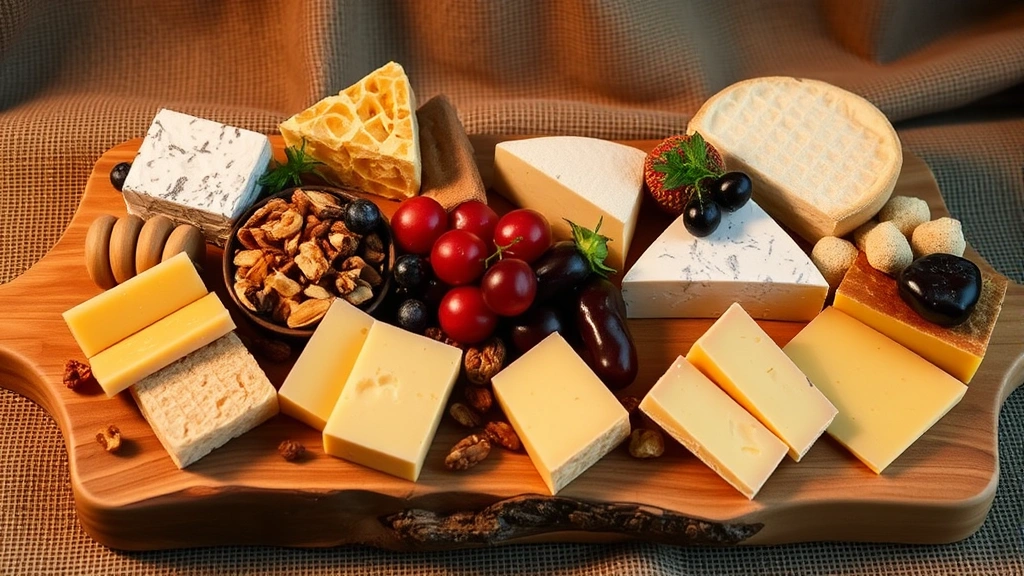
Artisanal cheese selections in old town restaurants often represent relationships with local creameries or importers specializing in small-production cheeses. Rather than featuring mass-produced varieties, these restaurants showcase cheeses with compelling stories—made by identifiable people using traditional methods. A cheese course becomes an educational experience, with knowledgeable staff explaining production methods, flavor development, and ideal serving conditions.
Bread represents another arena where old town restaurants often demonstrate commitment to quality sourcing. Many feature breads from local bakeries, sometimes even maintaining relationships with bakers to create house-specific formulations. The difference between mass-produced bread and artisanal loaves becomes immediately apparent—the superior fermentation creates complex flavor, superior crust develops through proper hydration and technique, and the crumb structure achieves the ideal balance between openness and structure.
For those interested in continuing their culinary exploration beyond restaurant dining, easy healthy snack recipes can extend the principles of quality ingredient sourcing and thoughtful preparation into home cooking. The same commitment to freshness and flavor that drives restaurant menus can inform personal culinary practice.
Understanding ingredient sourcing also enriches the dining experience itself. When a server explains that the heirloom tomatoes featured in tonight’s special came from a specific farm just outside the city, that context deepens appreciation. Diners understand they’re tasting the result of careful cultivation, proper harvesting, and thoughtful handling—not merely purchasing a commodity ingredient.
FAQ
What makes old town restaurant dishes distinctly different from chain establishments?
Old town restaurants typically feature owner-operators or executive chefs with significant personal investment in quality and consistency. These establishments source ingredients locally whenever possible, employ experienced kitchen staff trained in classical techniques, and design menus that reflect the chef’s philosophy rather than corporate directives. The intimate setting and established community relationships encourage a level of care and attention that chain operations cannot replicate. Additionally, many old town restaurants have historical significance or cultural connections that inform their menus and service styles.
How can diners identify a chef’s best work when reviewing menus?
Look for dishes that appear consistently on the menu—these represent the kitchen’s signature preparations and often showcase what the chef executes most confidently. Seasonal specials frequently highlight the chef’s creative response to ingredient availability and current inspiration. Ask servers or kitchen staff directly about their personal favorites; experienced hospitality professionals can identify which dishes best represent the restaurant’s capabilities. Dishes featuring local ingredients or featuring unusual techniques often indicate where the chef has invested particular attention and creativity.
What should diners know about pairing wines with old town restaurant cuisine?
Many old town establishments employ knowledgeable sommeliers or wine-focused staff who can guide selections based on specific dishes and personal preferences. Rather than rigid pairing rules, consider how acidity, tannin structure, and flavor intensity in wine either complement or contrast with food elements. A bright, acidic white wine cuts through rich preparations beautifully, while fuller-bodied reds provide textural contrast to delicate proteins. Don’t hesitate to ask servers about house wine selections or request recommendations based on your palate preferences.
How do old town restaurants maintain consistency across multiple services?
Consistent excellence requires standardized processes, well-trained staff, and rigorous quality control. Executive chefs typically work with sous chefs to establish detailed recipes and plating standards documented through photographs and written specifications. Regular staff training ensures every team member understands flavor profiles, portion sizes, and presentation standards. Many kitchens conduct daily tastings where leadership evaluates dishes from the evening’s service, providing immediate feedback and maintaining accountability.
What role does menu engineering play in old town restaurant success?
Menu engineering involves strategic placement and description of dishes to guide diner choices and optimize profitability. However, the best old town restaurants balance commercial considerations with culinary integrity. They might feature a signature dish prominently because it represents their identity and generates customer loyalty, even if other preparations offer higher profit margins. Thoughtful descriptions help diners understand flavor profiles and preparation methods, encouraging them to try unfamiliar dishes and trust the kitchen’s recommendations.