Paso Robles Dining: Top 5 Must-Try Restaurants
Nestled in California’s Central Coast wine country, Paso Robles has emerged as a culinary destination that rivals more celebrated food regions. The town’s vibrant restaurant scene reflects a unique blend of agricultural abundance, wine-pairing expertise, and chef-driven innovation. From farm-to-table establishments celebrating local ingredients to sophisticated wine-country fine dining, Paso Robles offers palate-expanding experiences that honor both tradition and creativity.
The dining landscape here is distinctly shaped by the region’s renowned wineries, fresh produce farms, and a community passionate about quality ingredients. Whether you’re seeking an intimate dinner paired with Paso Robles Cabernet Sauvignon or casual fare highlighting Central Coast seafood, these five restaurants represent the pinnacle of what this dynamic wine region has to offer.
1. Bistro Laurent: French Elegance Meets Wine Country
Bistro Laurent stands as Paso Robles’ most refined expression of classical French technique merged seamlessly with wine-country sensibilities. Chef Laurent Grangien’s intimate 50-seat establishment has become synonymous with sophisticated palate experiences that prioritize ingredient quality and precise execution. The restaurant occupies a charming converted historic building, its warm amber lighting and intimate booth seating creating an atmosphere that whispers rather than shouts luxury.
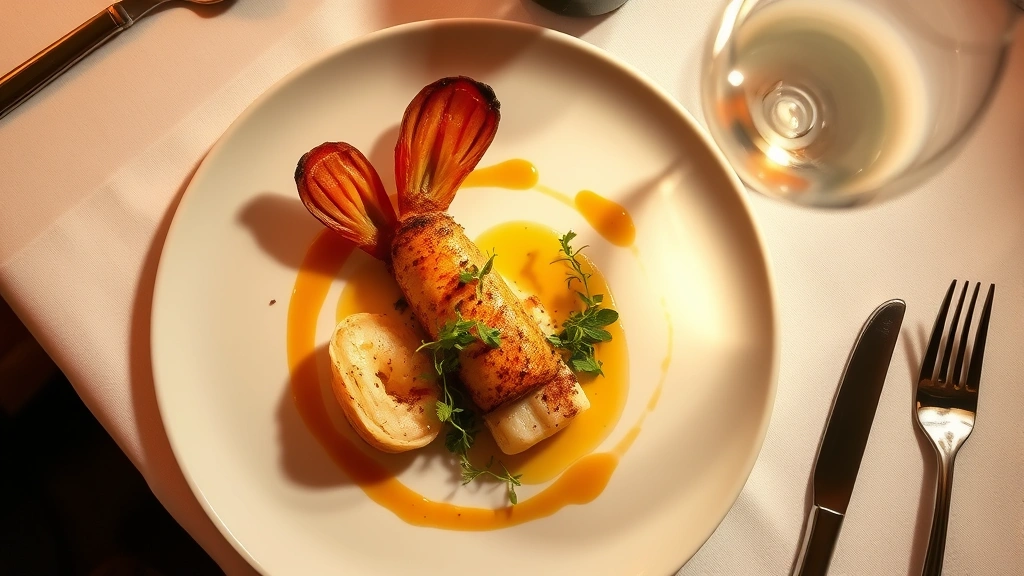
The menu shifts seasonally, a practice that reflects deep respect for ingredient maturity and availability. A signature dish features pan-seared halibut accompanied by beurre blanc infused with local herb variations—the fish’s delicate, sweet flesh contrasts beautifully against the sauce’s buttery richness and subtle acidity. The demi-glace preparations showcase classical French mother-sauce mastery, with reductions built from bone stocks simmered for hours until they achieve glossy, coating consistency that clings elegantly to proteins.
Paso Robles restaurants excel at wine pairing, and Bistro Laurent’s 300+ wine list demonstrates this expertise magnificently. The sommelier staff guides guests through selections that complement rather than overpower, understanding that a lighter Paso Robles Pinot Noir might better suit delicate seafood preparations than the region’s fuller-bodied reds. The wine program here represents a culinary education in itself, teaching diners how regional wines can elevate each course’s intrinsic flavors.
Desserts showcase French pastry fundamentals—pâte à choux, pâte brisée, and chocolate ganache prepared with technical precision. A Grand Marnier soufflé arrives at the table with its characteristic wobble, the exterior perfectly caramelized while the interior maintains cloud-like airiness. The bittersweet chocolate center provides textural contrast and flavor complexity that lingers pleasantly on the palate.
2. Thomas Hill Organics: Farm-to-Table Excellence
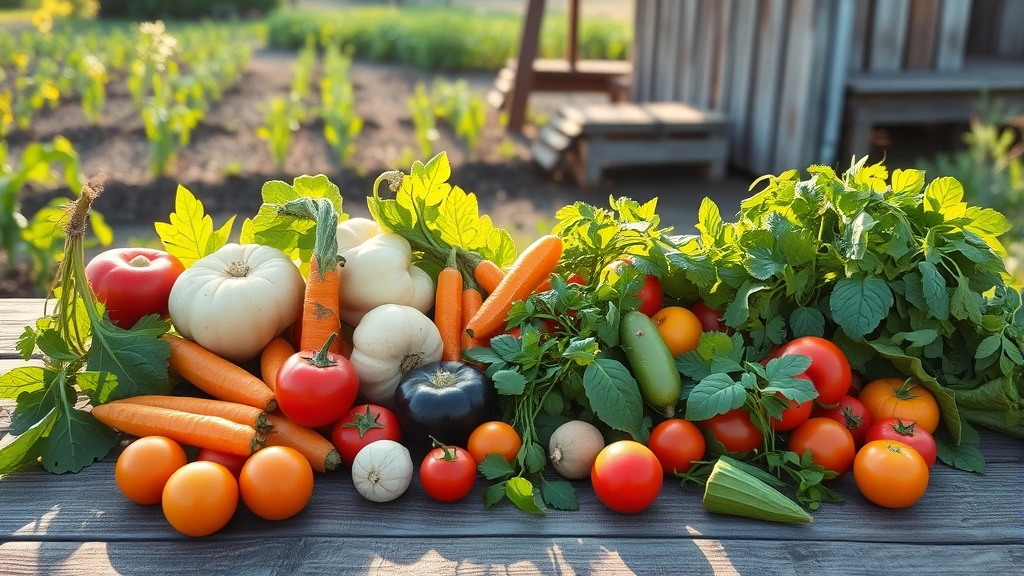
Thomas Hill Organics represents Paso Robles’ commitment to agricultural transparency and ingredient provenance. Located on the grounds of an actual organic farm, this restaurant embodies the farm-to-table philosophy with uncompromising dedication. Chef/owner Thomas Hill sources approximately 70% of ingredients from the surrounding property and trusted local farms, creating a direct relationship between soil, seed, harvest, and plate.
The dining experience here prioritizes seasonal awareness in ways that challenge conventional restaurant expectations. Rather than maintaining consistent menu offerings year-round, the kitchen pivots based on what grows optimally during each season. Spring menus feature tender young vegetables—asparagus with its grassy minerality, spring peas bursting with natural sweetness, radishes offering peppery snap. Summer brings tomatoes of extraordinary flavor complexity, stone fruits at peak ripeness, and fresh herbs at maximum potency. Fall and winter shift toward root vegetables, cruciferous preparations, and preserved elements from peak harvest seasons.
A standout preparation features wood-fired vegetables that exemplify how flame transforms humble produce into something extraordinary. Charred eggplant develops sweet, almost creamy interior flesh while its exterior blackens into crispy, bitter contrast. Roasted beets become intensely concentrated in natural sugars, their earthiness deepened by caramelization. These vegetables pair with housemade cheeses and fermented elements, creating flavor layers that demonstrate sophisticated vegetarian cuisine rivals any vegetarian restaurant near me in technique and creativity.
The bread program here deserves specific mention. Thomas Hill maintains relationships with local grain farmers, milling flour from heritage wheat varieties that offer complex, nutty flavor profiles impossible to achieve with industrial commodity grains. Sourdough fermentations extend 48+ hours, developing organic acids that enhance digestibility while creating superior flavor development. Each bite delivers tangible evidence of ingredient quality and preparation care.
Proteins, when featured, come from regional sources vetted for animal welfare and sustainable practices. Grass-fed beef from local ranches develops richer flavor compounds than grain-fed alternatives, with deeper umami notes and more complex fat profiles. The kitchen respects these ingredients’ inherent quality, often employing simple preparations—grilling, roasting, or braising—that allow natural flavors to dominate.
3. Artisan: Contemporary California Cuisine
Artisan represents modern California cuisine at its most sophisticated and playful. This restaurant celebrates technique-forward cooking that emphasizes ingredient quality without sacrificing creativity or innovation. The dining room’s minimalist aesthetic—clean lines, carefully curated art, thoughtful lighting—allows food presentation to command visual attention.
The tasting menu format here encourages culinary adventurousness. Each course presents a focused flavor narrative, building progressively through the meal. Amuse courses might feature foams, spheres, or unexpected textural elements that challenge diners’ preconceptions about familiar ingredients. A carrot preparation might arrive as a silky purée, crispy chip, and fresh juice reduction, presenting the ingredient’s multiple dimensions simultaneously.
Seafood preparations showcase Central Coast bounty with particular excellence. Local white fish preparations employ techniques like sous-vide cooking that ensure precise protein doneness while maintaining maximum moisture. The finished dish might feature the fish accompanied by brown butter emulsion, crispy skin rendered until glass-like, and microgreens offering peppery brightness. Uni (sea urchin) preparations celebrate this ingredient’s briny, buttery complexity, often served barely adorned to highlight its natural character.
The restaurant’s approach to simple seafood recipes elevated through technique demonstrates how professional execution transforms basic ingredients into extraordinary experiences. Temperature control, timing precision, and plating artistry combine to create memorable sensory moments.
Beverage programming extends beyond wine into craft cocktails and house-made sodas. Bartenders here understand flavor balance—balancing spirit characteristics against citrus acidity, sweetness, and aromatic elements. A cocktail might feature locally-produced spirits paired with Paso Robles wine elements, creating drinks that reflect the region’s identity.
4. The Stonehouse: Italian Sophistication
The Stonehouse brings refined Northern Italian tradition to Paso Robles’ dining landscape. Housed in a historic stone structure that lends its name to the establishment, this restaurant channels rustic Italian authenticity through a sophisticated lens. The kitchen honors Italian culinary principles—respecting ingredient quality, emphasizing technique, and allowing flavors to speak clearly rather than competing for attention.
Pasta preparations here represent Italian pasta-making at its highest level. Fresh egg pasta receives careful attention during preparation—dough hydration, kneading duration, and resting periods all influence final texture. Filled pastas like ravioli showcase delicate, silky sheets filled with carefully balanced ricotta, cheese, and herb combinations. The filling’s moisture content and seasoning receive precise calibration to ensure each bite delivers consistent, complex flavor. Sauces—whether butter-based, cream-based, or tomato-based—complement pasta shapes and fillings thoughtfully, never overwhelming the pasta itself.
A signature dish features handmade tagliatelle paired with a slowly-braised Bolognese sauce that has simmered for hours. The meat preparation involves multiple proteins—beef, pork, and pancetta—combined with soffritto (finely diced celery, carrot, and onion) and tomato paste. This sauce develops deep, concentrated flavor through patient cooking, with fat rendering from pancetta creating silky mouthfeel. The finished dish balances richness against acidity, with fresh Parmigiano-Reggiano providing salty, nutty counterpoint.
The wine list here emphasizes Italian selections, particularly wines from regions that share Paso Robles’ Mediterranean climate. Nebbiolo, Barbera, and Dolcetto varieties pair beautifully with the restaurant’s hearty preparations. The sommelier staff understands how regional wine and food traditions evolved together, guiding selections that create harmonious dining experiences.
Risotto preparations showcase rice cooking technique—constant stirring, gradual stock incorporation, and proper mantecatura (finishing with butter and cheese) all contribute to the characteristic creamy consistency achieved without cream. A mushroom risotto highlights seasonal fungi, their earthy umami flavors permeating each grain of rice. The final consistency should flow slightly on the plate, neither stiff nor soupy, representing the kitchen’s technical precision.
5. Panolivo: Mediterranean Coastal Flavors
Panolivo brings Mediterranean coastal traditions to Paso Robles with particular emphasis on olive oil, fresh produce, and seafood-forward preparations. The restaurant’s name itself—pan (bread) and olivo (olive)—reflects foundational Mediterranean ingredients. The dining atmosphere exudes casual elegance, with whitewashed walls, warm lighting, and an open kitchen allowing diners to observe preparation activity.
The olive oil program here deserves special attention. The restaurant sources premium extra-virgin oils from California producers and Mediterranean estates, understanding that olive oil quality dramatically impacts finished dishes. Early-harvest oils offer peppery, grassy notes with herbaceous brightness—ideal for finishing soups, dressing raw preparations, and drizzling over vegetables. Late-harvest oils develop buttery, more muted characteristics, better suited for cooking applications where subtle flavor integration matters more than assertive presence.
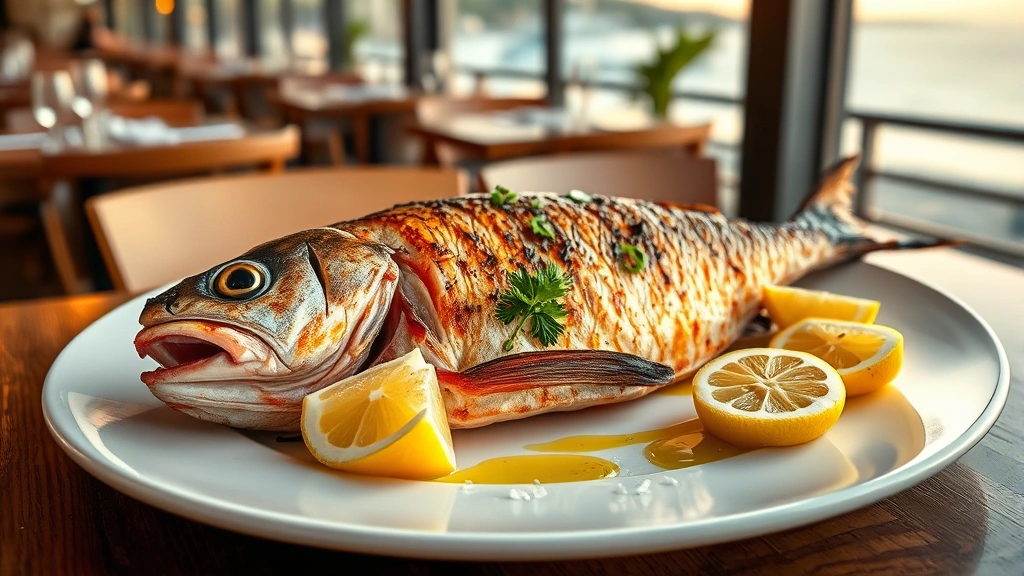
Seafood preparations honor the Mediterranean tradition of minimal intervention. A whole grilled fish—perhaps local halibut or branzino—receives gentle treatment: simple scaling, gutting, and stuffing with fresh herbs and lemon. Grilling over wood fire creates smoky complexity while the fish’s natural oils baste the flesh during cooking. The finished dish arrives simply plated with extra-virgin oil drizzle, fresh lemon juice, and perhaps a scattering of fleur de sel. This preparation method exemplifies how quality ingredients and restrained technique create extraordinary results, mirroring principles found in easy fish recipes for dinner elevated through professional execution and ingredient quality.
Vegetable preparations here celebrate seasonal produce with Mediterranean flavor combinations. Roasted eggplant receives garlic, tomato, and basil treatment—the holy trinity of Mediterranean vegetable cookery. Grilled zucchini becomes tender and slightly charred, then dressed with mint, lemon, and quality olive oil. These preparations, though simple in execution, deliver profound flavor satisfaction through ingredient quality and proper technique.
The bread service warrants mention—rustic loaves arrive warm, their crusts crackling audibly when cut. The interior crumb structure suggests proper fermentation and hydration, with irregular holes indicating wild yeast activity. Served with quality olive oil for dipping, the bread becomes a meditation on Mediterranean simplicity and ingredient excellence. Best Italian restaurants near me often feature similar bread programs, understanding that bread quality sets the tone for entire meals.
Desserts here favor fresh fruit preparations—panna cotta with berry compote, olive oil cake with citrus, granita offering palate-cleansing brightness. These finales respect Mediterranean tradition of finishing meals with lighter, refreshing elements rather than heavy, cream-laden confections.
Planning Your Paso Robles Dining Adventure
These five restaurants represent just the beginning of Paso Robles’ culinary offerings. The town’s dining landscape continues evolving, with new establishments regularly emerging to challenge and expand the region’s reputation. When planning visits, consider seasonal factors—spring and fall offer optimal weather and ingredient availability, while summer brings warm temperatures perfect for patio dining. Many of these restaurants open late near me patterns vary seasonally, so advance reservations ensure table availability.
The region’s wine offerings integrate seamlessly with these dining experiences. Rather than viewing wine as an afterthought, approach it as a co-star in your meal narrative. Paso Robles wines—particularly Cabernet Sauvignon, Zinfandel, and Syrah—offer excellent quality-to-price ratios, making wine pairing accessible without premium pricing. Many restaurants feature wine-by-the-glass programs allowing exploration without committing to full bottles.
If traveling with companions requiring dietary accommodations, several establishments excel at adaptation. Pet friendly restaurants near me options exist as well, with some establishments featuring outdoor seating suitable for dining with four-legged companions. Contact restaurants directly regarding specific requirements—most chef-driven establishments welcome the opportunity to customize experiences.
FAQ
What’s the best time to visit Paso Robles for dining?
Spring (March-May) and fall (September-November) offer ideal conditions. Temperatures are moderate, produce reaches peak ripeness, and the crowds are smaller than summer months. These seasons also coincide with harvest activities, creating festive atmosphere throughout the wine region.
Do these restaurants require advance reservations?
Absolutely. All five establishments maintain reservation-only or strongly recommend advance booking, especially weekends. Call 2-3 weeks ahead for popular times. Several offer online reservation systems through platforms like OpenTable.
Are there vegetarian options at these restaurants?
Yes, all five accommodate vegetarian diets thoughtfully. Thomas Hill Organics particularly excels at plant-forward cuisine. Others offer creative vegetable preparations as full entrées rather than afterthoughts. Communicate dietary preferences when reserving to allow kitchen preparation.
What’s the average price range for dining?
Bistro Laurent and Artisan represent fine dining pricing ($80-150+ per person before beverages). Thomas Hill Organics, The Stonehouse, and Panolivo offer mid-range pricing ($50-90 per person). Wine pairings and beverages add significant costs at all establishments.
Can I visit multiple restaurants during one trip?
Certainly. Paso Robles is compact enough for visiting 2-3 restaurants during a weekend trip. Consider spacing visits across different days to avoid palate fatigue. Each restaurant’s distinct style and approach ensures varied experiences even when dining multiple times.
What wine pairings work best with these cuisines?
Bistro Laurent pairs well with Pinot Noir and lighter reds; Thomas Hill suits natural wines and lighter varietals; Artisan complements experimental wine selections; The Stonehouse works beautifully with Italian reds; Panolivo shines with white wines and lighter reds. Sommeliers at each establishment provide expert guidance.
Are there options for late-night dining?
Most establishments close by 10 PM, typical for wine-country restaurants. Some offer earlier seatings and shorter menus. Contact directly regarding your timing preferences—the town’s dining culture emphasizes relaxed, leisurely meals rather than quick turnovers.