Nepalese Cuisine Review: Best Dishes to Try at Restaurant Nepalez
Nepalese cuisine represents one of South Asia’s most underrated culinary treasures, a harmonious blend of Himalayan mountain traditions and Indian spice mastery that creates an unforgettable gastronomic experience. At Restaurant Nepalez, diners encounter authentic flavors that transport the palate to the bustling streets of Kathmandu and the serene valleys of the Annapurna region. This comprehensive guide explores the essential dishes that define Nepalese gastronomy, examining the layered spice profiles, traditional cooking methods, and cultural significance behind each memorable bite.
The beauty of Nepalese cuisine lies in its accessibility and bold flavor combinations—dishes that balance fiery chilies with aromatic cumin, fenugreek with turmeric, and fresh cilantro with warming ginger. Whether you’re seeking unique restaurants near me or planning a culinary adventure into unfamiliar territories, Restaurant Nepalez offers an authentic entry point into this captivating food culture. The restaurant’s commitment to traditional recipes and quality ingredients ensures that every dish delivers genuine taste sensations rather than westernized approximations.
Momos: The Soul of Nepalese Street Food
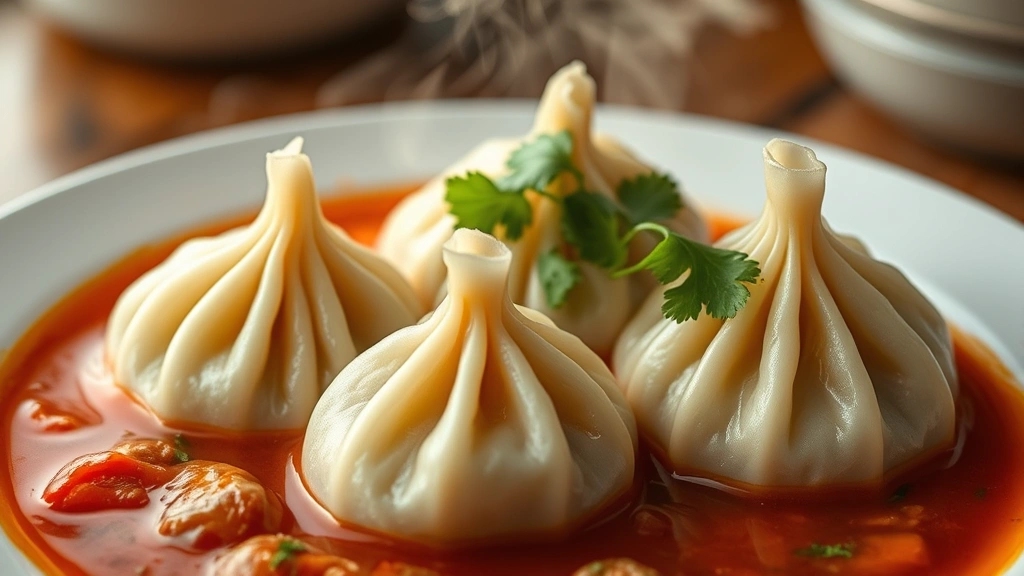
Momos represent the beating heart of Nepalese street food culture, and Restaurant Nepalez executes these delicate dumplings with remarkable precision. These hand-pleated parcels of dough encase carefully spiced fillings—whether vegetable, chicken, or paneer—creating pockets of intense flavor that burst across your palate with each bite. The wrapper itself demonstrates technical mastery; thin enough to achieve a delicate texture yet sturdy enough to contain the aromatic filling without rupturing during steaming.
The vegetable momo filling combines finely minced cabbage, onions, and fresh cilantro with a whisper of ginger and garlic, bound together with just enough moisture to create a cohesive mixture that releases subtle sweetness when bitten into. The chicken variant elevates this experience by introducing savory depth—the poultry absorbs the surrounding spices completely, creating a unified flavor profile rather than distinct ingredient notes. Each dumpling arrives steaming hot, the wrapper glistening with condensation that catches the light.
What distinguishes Restaurant Nepalez’s momo experience is the accompaniments: a fiery tomato-based achaar (pickle) that provides acidic counterpoint, and a rich meat broth that transforms simple dumplings into a complete sensory experience. The broth carries whispers of cumin and coriander, with enough body to coat the palate without overwhelming the delicate dumpling flavors. Dipping each momo into this combination creates a textural and flavor contrast that explains why momos have achieved such prominence in Nepalese food culture.
Dal Bhat: The Staple That Defines Daily Life
Dal bhat represents far more than sustenance in Nepalese culture—it embodies daily tradition, family continuity, and the philosophy of balanced nutrition developed across centuries of mountain living. Restaurant Nepalez’s interpretation honors this cultural significance while delivering exceptional flavor complexity that elevates the humble lentil preparation into something genuinely remarkable.
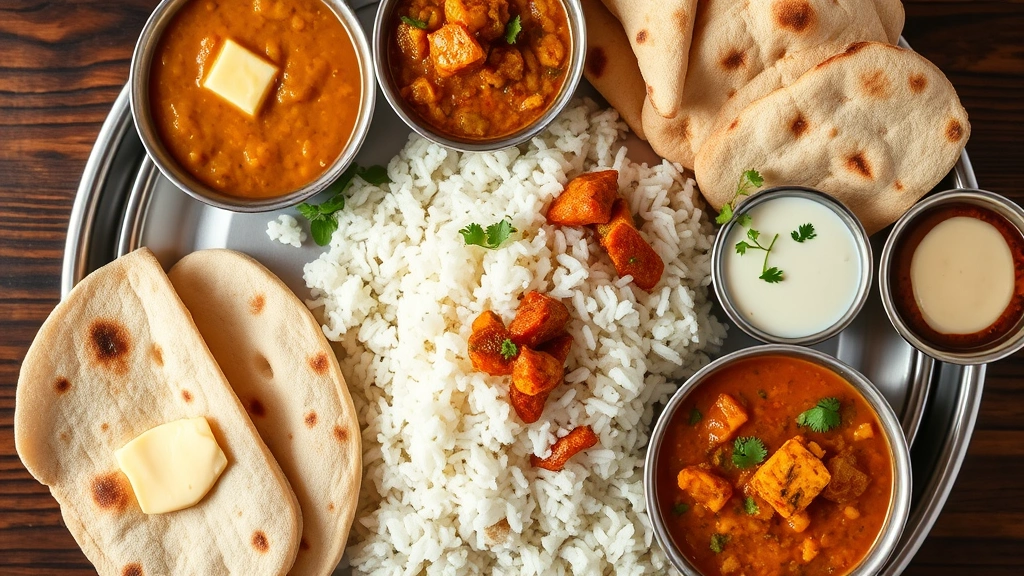
The dal itself showcases mastery of slow-cooking techniques: red lentils break down completely into a silky puree that coats the mouth with warming spice and subtle earthiness. The tempering process—where mustard seeds, cumin, and dried red chilies bloom in hot ghee before being poured into the cooked lentils—creates aromatic depth that perfumes the entire dish. A whisper of turmeric provides color and anti-inflammatory warmth, while asafetida adds a subtle umami undertone that most diners cannot consciously identify but absolutely perceive.
The bhat (rice) accompanying this dal arrives fluffy and individual-grained, cooked with whole spices like bay leaves and cardamom that infuse gentle fragrance without overwhelming the palate. Alongside these foundations, Restaurant Nepalez provides an array of vegetable curries—seasonal preparations of potatoes, spinach, or cauliflower that demonstrate the restaurant’s commitment to freshness and traditional cooking methods. The complete plate becomes a meditation on balance: the cooling rice against the warming dal, the soft starches against crispy vegetable preparations, and the complex spice layers against subtle sweetness.
This dish exemplifies why exploring easy Asian dinner recipes often leads back to these foundational preparations—their elegance lies in restraint and technique rather than ingredient complexity. The restaurant’s dal bhat proves that mastery of fundamental cooking principles creates more satisfying meals than elaborate preparations ever could.
Thukpa and Warming Noodle Soups
Thukpa emerges as the ultimate Himalayan comfort food, a soul-warming noodle soup that sustained mountain porters and trekkers for generations. Restaurant Nepalez’s version honors this heritage by constructing a broth foundation that demonstrates remarkable depth—layers of chicken or vegetable stock enriched with ginger, garlic, and aromatic spices create a base that tastes simultaneously light and substantial.
The noodles themselves arrive al dente, providing textural contrast to the silky broth without absorbing excessive liquid that would create a heavy final dish. Fresh vegetables—bok choy, carrots, mushrooms, and spring onions—maintain their individual character while absorbing enough broth flavor to feel unified with the overall composition. The addition of fresh cilantro and a squeeze of lime juice at the table allows diners to customize the final brightness and acidity level according to personal preference.
What distinguishes Restaurant Nepalez’s thukpa is the careful balance of warming spices against the soup’s essential lightness. Unlike heavier Asian noodle soups, thukpa maintains delicacy through restrained use of oil and minimal cream, allowing the broth’s natural flavors to dominate. The result feels nourishing without inducing the heaviness that sometimes accompanies soup-based meals, making it an ideal choice whether you’re seeking comfort during cold weather or a lighter course before more substantial preparations.
Tandoori Specialties and Grilled Proteins
Restaurant Nepalez’s tandoori preparations showcase the Himalayan interpretation of this cooking technique, distinct from its better-known Indian variations. The tandoor—a cylindrical clay oven that reaches extraordinary temperatures—imparts distinctive char and smokiness while cooking proteins through radiant heat rather than direct flame contact.
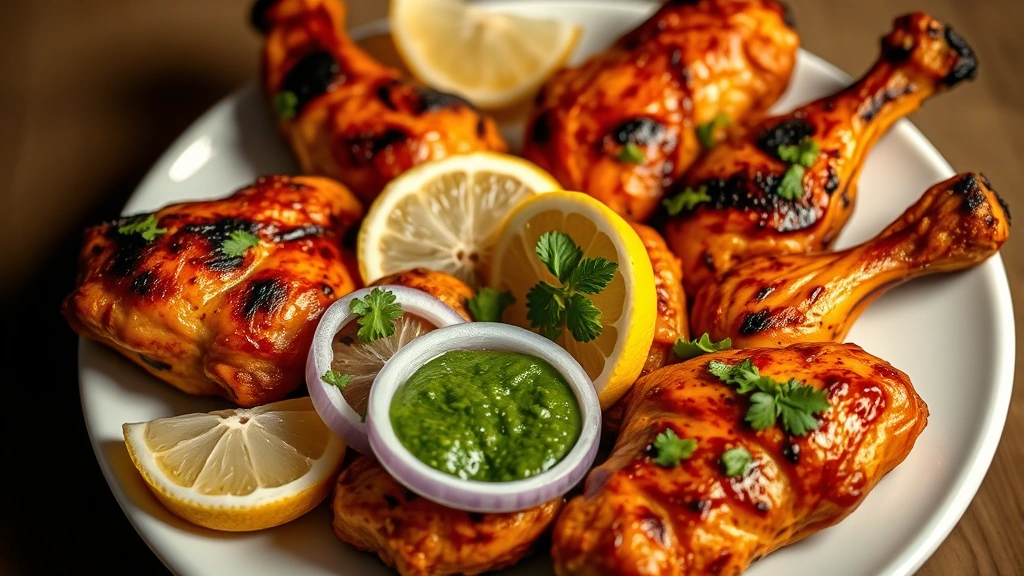
The tandoori chicken arrives with a vibrant crimson exterior, the result of yogurt-based marinades infused with Kashmiri chilies, paprika, and warming spices. Slicing into the meat reveals perfectly cooked flesh that maintains moisture despite the intense heat—a testament to proper marinating time and temperature control. The charred exterior provides textural contrast and concentrated flavor, while the interior remains tender and juicy, the marinade having penetrated deep into the protein structure.
Tandoori paneer (cottage cheese) demonstrates how this cooking technique extends beyond proteins: the cheese develops a golden-brown exterior while maintaining its characteristic squeaky texture, the heat creating subtle flavor changes without compromising structural integrity. This preparation appeals particularly to vegetarian diners seeking substantial, protein-rich options at family friendly restaurants near me.
The accompaniments prove equally essential: sliced onions provide sharp textural contrast, lemon wedges offer acidic brightness that cuts through the tandoor’s richness, and mint chutney introduces cooling herbaceous notes. These elements aren’t merely garnishes but integral components that balance the intense flavors and heat of the tandoori preparations.
Vegetarian Excellence and Seasonal Vegetables
Nepalese vegetarian cuisine deserves special recognition for its remarkable depth and sophistication—the cuisine developed strong vegetarian traditions through both Buddhist and Hindu cultural influences, creating numerous preparations that satisfy completely without animal proteins.
Aloo Gobi (potato and cauliflower curry) demonstrates this principle perfectly: potatoes cut into uniform cubes cook until just tender, their starchy sweetness providing textural foundation, while cauliflower florets maintain slight firmness that prevents the dish from becoming mushy. The spice tempering—mustard seeds, cumin, and curry leaves blooming in hot oil—creates aromatic intensity that perfumes the entire preparation. Turmeric provides color and subtle warmth, while fresh ginger and green chilies introduce brightness and heat that evolves throughout the eating experience.
Spinach preparations showcase seasonal vegetable mastery: finely chopped fresh spinach cooks down into a luxurious puree that coats the palate with mineral earthiness and subtle sweetness. When combined with paneer (fresh cheese), this preparation transforms into Palak Paneer—a dish that achieved global recognition for good reason. The contrast between creamy spinach and firm paneer cubes creates textural interest, while the combination of dairy and greens provides both nutritional completeness and flavor harmony.
Mushroom curries highlight Restaurant Nepalez’s commitment to seasonal ingredients: whatever varieties are freshest receive careful preparation that honors their individual characteristics. Button mushrooms develop savory umami depth, while oyster mushrooms contribute delicate earthiness, and shiitake varieties add concentrated fungal intensity. The cooking method—sautéing briefly to develop color before finishing in aromatic gravy—ensures mushrooms maintain textural integrity rather than dissolving into the sauce.
Breads, Chutneys, and Essential Accompaniments
Nepalese breads represent essential components of the dining experience, vehicles for scooping curries and providing textural contrast to sauced preparations. Restaurant Nepalez’s naan arrives from the tandoor with characteristic blistering and char marks, the interior remaining soft and pillowy while the exterior develops slight crispness. The bread carries subtle garlic and butter flavors without overwhelming the accompanying dishes.
Roti (whole wheat flatbread) provides a lighter alternative: thinner and less rich than naan, this preparation allows curry flavors to dominate rather than competing for palate attention. The bread’s subtle sweetness from whole grains provides gentle counterpoint to spiced dishes, while its absorbent texture makes it ideal for soaking up aromatic gravies.
Chutneys elevate the entire meal through their complexity and versatility. Cilantro chutney combines fresh herbs with green chilies, creating a bright, cooling preparation that contrasts beautifully with warming spiced dishes. Tomato-based achaar introduces tangy acidity and subtle sweetness, while mint chutney adds herbaceous cooling notes that provide palate reset between bites of rich preparations. These accompaniments aren’t afterthoughts but thoughtfully crafted components that demonstrate kitchen mastery.
When seeking outdoor seating restaurants near me, Restaurant Nepalez’s attention to bread and condiment quality becomes particularly noticeable—these elements transform casual outdoor dining into memorable culinary experiences.
Beverages and Sweet Endings
Nepalese beverages reflect the culture’s deep connections to tea traditions inherited from Indian influences while maintaining distinctive regional characteristics. Masala chai arrives perfectly spiced with cinnamon, cardamom, and ginger—warming spices that provide comfort and aid digestion after substantial meals. The preparation demonstrates careful balance: strong enough to taste substantial yet smooth enough to drink without overwhelm, with milk and sweetness integrated completely rather than appearing as separate components.
Sweet preparations at Restaurant Nepalez honor traditional recipes while maintaining restraint in sweetness levels that characterize authentic Nepalese cuisine. Kheer (rice pudding) combines basmati rice cooked until tender in sweetened milk, finished with cardamom, nuts, and occasionally saffron for color and subtle floral notes. The texture achieves perfect balance between creamy and individual-grained, with each component maintaining distinct character within the unified preparation.
Gulab Jamun (milk solid dumplings in sugar syrup) demonstrates traditional sweet mastery: the dumplings absorb syrup while maintaining structural integrity, their interior remaining creamy despite external glaze. The rose-scented syrup provides floral sweetness that feels sophisticated rather than cloying, while cardamom undertones suggest warmth and spice even in sweet preparations.
These beverages and sweets prove that exploring best Italian restaurants near me shouldn’t prevent appreciation for Nepalese culinary traditions—each cuisine offers distinctive approaches to beverage and dessert craftsmanship worthy of serious attention.
FAQ
What makes Nepalese cuisine distinct from Indian cuisine?
While Nepalese cuisine shares some spice foundations with Indian cooking, it emphasizes restraint, balance, and mountain-specific ingredients. Nepalese preparations typically use less oil and cream, incorporate more fresh herbs, and feature distinctive spice blends. The cuisine also reflects Himalayan geography through reliance on hardy vegetables, preserved ingredients, and warming preparations designed for high-altitude living. Additionally, Nepalese cooking demonstrates strong Buddhist and Hindu vegetarian traditions that create unique vegetable-forward preparations rarely encountered in Indian restaurants.
Are there vegetarian options throughout the Nepalese menu?
Absolutely—vegetarian preparations represent core components of authentic Nepalese cuisine rather than afterthoughts. Dal Bhat remains fundamentally vegetarian, while vegetable curries, paneer preparations, and legume-based dishes showcase the cuisine’s sophisticated approach to plant-based cooking. Restaurant Nepalez ensures vegetarian diners experience the full breadth of Nepalese flavors through carefully crafted vegetable preparations that satisfy completely.
How spicy is authentic Nepalese food?
Authentic Nepalese cuisine incorporates significant heat through green and dried chilies, but the spice intensity builds gradually rather than attacking the palate immediately. Most dishes achieve balance between heat and other flavor components—the warmth enhances rather than overwhelms underlying spice complexity. Diners unaccustomed to spiced food can request milder preparations, and Restaurant Nepalez accommodates preferences without compromising authenticity.
What beverage pairs best with Nepalese food?
Masala chai represents the traditional choice, its warming spices and creamy texture complementing rich curries while aiding digestion. Lassi (yogurt-based beverage) provides cooling contrast to spiced preparations. For non-traditional pairings, light beers with subtle hops complement Nepalese flavors without competing, while white wines with good acidity cut through rich gravies effectively. Water remains essential throughout the meal for palate cleansing between varied dishes.
How should first-time Nepalese cuisine diners approach the menu?
Begin with foundational dishes like Dal Bhat and Momos to understand core Nepalese flavor profiles and cooking techniques. Progress toward more adventurous preparations once comfortable with the cuisine’s spice levels and flavor characteristics. Restaurant Nepalez’s servers provide excellent guidance regarding heat levels, ingredient compositions, and traditional eating methods. Ordering multiple dishes to share creates ideal tasting experience, allowing exploration of vegetable preparations, proteins, and bread varieties simultaneously.
What cooking techniques define Nepalese preparation methods?
Slow-simmering develops deep spice layers and allows flavors to meld completely—lentils cook gradually into silky purees while curries develop complexity through extended cooking. Tempering (blooming whole spices in hot oil before adding to dishes) creates aromatic intensity fundamental to Nepalese flavor profiles. Tandoor cooking imparts distinctive char and smokiness, while steaming techniques (as with momos) preserve delicate filling flavors. These methods emphasize patience and technique over complex ingredients.
How does Restaurant Nepalez source ingredients for authenticity?
Authentic Nepalese restaurants prioritize sourcing traditional spices, specialty ingredients, and fresh produce that create genuine flavor profiles. International Association of Culinary Professionals recognizes that ingredient quality directly impacts authenticity. Restaurant Nepalez maintains relationships with specialty suppliers ensuring access to proper cardamom varieties, authentic paneer preparations, and spices blended according to traditional methods rather than commercial approximations.