Best Mexican Restaurants? Local Food Critic’s Picks
After years of traversing bustling kitchens, sampling countless moles, and experiencing the layered complexity of authentic Mexican cuisine, I’ve developed a refined palate for what separates exceptional restaurantes mexicanos from merely adequate establishments. Mexican gastronomy represents one of the world’s most sophisticated culinary traditions—recognized by UNESCO as an Intangible Cultural Heritage of Humanity—yet many restaurants reduce this rich heritage to oversimplified interpretations. Through systematic tasting, ingredient evaluation, and technique assessment, I’ve identified the establishments that truly honor Mexico’s gastronomic legacy while delivering unforgettable dining experiences.
This guide reflects my professional evaluations based on flavor authenticity, ingredient sourcing, culinary technique, and the restaurant’s commitment to traditional preparation methods. Whether you’re seeking fiery street-food authenticity or refined regional cuisine, these picks represent the gold standard in Mexican dining. I’ve also included guidance on what to order, what makes each establishment distinctive, and how to maximize your tasting experience.
Evaluation Criteria for Excellence
Assessing Mexican restaurants requires understanding the fundamental principles that distinguish authentic establishments from mediocre operations. I evaluate each restaurant across multiple sensory dimensions, beginning with the foundational element: chile selection and preparation. The quality of chiles—whether dried poblanos, smoky chipotles, fruity guajillos, or complex mulatos—directly determines the depth of flavor in salsas, moles, and sauces. Restaurants that source fresh, properly stored chiles and grind them in-house demonstrate commitment to authenticity that immediately elevates the dining experience.
Ingredient sourcing forms the second critical pillar. Authentic Mexican cuisine demands specific components: Oaxacan chocolate for mole, fresh epazote for bean dishes, properly aged tequila and mezcal, and heirloom corn varieties for tortillas. I examine whether establishments maintain relationships with Mexican suppliers, feature seasonal ingredients, and understand the terroir-driven variations across Mexico’s diverse regions. A restaurant’s willingness to source specialty items from specific Mexican states indicates deep culinary knowledge.
Technique evaluation encompasses both traditional and contemporary preparation methods. I assess whether chefs understand slow-cooking traditions, proper nixtamalization processes, fermentation techniques, and the patience required for authentic mole preparation—which can take 24 hours or more. The ability to balance complex flavor layers, properly caramelize aromatics, and achieve the correct textural contrasts separates exceptional establishments from those merely following recipes.
Service quality and ambiance contribute significantly to the overall experience. Knowledgeable staff who can explain regional differences, suggest wine and mezcal pairings, and discuss ingredient sourcing enhance the dining narrative. The restaurant environment should reflect Mexican aesthetic traditions while maintaining comfort and accessibility.
Regional Cuisine Distinctions
Mexico’s culinary landscape varies dramatically across its regions, each offering distinct flavor profiles and signature dishes. Understanding these variations helps diners navigate menus and appreciate what makes each restaurant’s offerings distinctive.
Oaxaca represents the mole capital, where seven primary mole varieties showcase the region’s mastery of chile, spice, and chocolate combinations. Oaxacan cuisine emphasizes indigenous ingredients, bold flavors, and techniques passed through generations. Restaurants specializing in Oaxacan cuisine typically feature mole negro, mole rojo, and tlayudas—large, crispy tortillas topped with refried beans, cheese, and proteins.
Yucatán cuisine reflects Caribbean and Mayan influences, featuring distinctive ingredients like achiote (annatto), habanero chiles, and citrus marinades. Signature dishes include cochinita pibil (slow-roasted pork) and ceviche variations unique to the peninsula. The flavor profile tends toward brightness and heat rather than the darker, more complex notes of central Mexican cuisine.
Veracruz coastal cuisine emphasizes fresh seafood prepared with Spanish influences and Caribbean spicing. Expect dishes featuring whole fish, shrimp, and octopus prepared with tomatoes, olives, capers, and fresh herbs. The region’s culinary identity bridges Spanish colonial heritage with indigenous Mexican traditions.
Central Mexico (Puebla, Mexico City, surrounding states) represents the country’s culinary heart, where mole poblano, chiles rellenos, and complex sauce-based dishes showcase refinement and technique. This region’s cuisine influenced modern Mexican gastronomy significantly and features in most comprehensive Mexican restaurants.
Northern Mexico emphasizes grilled meats, flour tortillas, and robust, straightforward flavors. Carne asada, barbacoa, and chile-based preparations dominate menus. The cuisine reflects ranching traditions and direct preparation methods rather than elaborate sauce work.
Top-Tier Restaurant Selections
Based on systematic evaluation of flavor authenticity, ingredient quality, technical execution, and dining experience, these establishments represent the pinnacle of Mexican gastronomy in their respective categories.
For Authentic Regional Specialization: Seek restaurants that commit to specific Mexican regions rather than attempting comprehensive menus. A restaurant dedicated to Oaxacan cuisine will source proper mole ingredients, understand regional variations, and prepare dishes using traditional techniques. These establishments typically feature smaller menus with greater depth, allowing chefs to perfect each dish through repetition and refinement. When visiting, ask about the chef’s personal connections to the region and their sourcing relationships with Mexican suppliers.
For Contemporary Mexican Refinement: Some restaurants elevate traditional Mexican cuisine through modern techniques while maintaining flavor authenticity. These establishments might deconstruct classic dishes, employ molecular gastronomy selectively, or present traditional preparations with refined plating. The key distinction: the chef’s deep understanding of authentic flavor profiles prevents contemporary techniques from overwhelming the original character.
For Casual Authenticity: The most memorable Mexican dining experiences often occur in unpretentious establishments where speed, volume, and consistency demonstrate mastery. Street-food style restaurants—whether serving tacos, tortas, or ceviche—reveal a chef’s fundamental skill. When technique-focused preparation happens quickly and affordably, it indicates profound culinary knowledge.
For Mezcal and Tequila Programs: Premium Mexican restaurants maintain sophisticated spirits programs featuring multiple mezcal categories, aged tequilas, and rare expressions. Knowledgeable bartenders understand flavor profiles, can recommend pairings with specific dishes, and educate diners about production differences between regions. A restaurant’s spirits program reflects their overall commitment to Mexican culture and hospitality traditions.
Key Questions When Evaluating Restaurants: Does the menu identify specific Mexican regions for featured dishes? Are chile varieties specified in descriptions? Does the restaurant make tortillas fresh, daily? Can staff explain the difference between various mole styles? Are there seasonal menu variations reflecting ingredient availability? Does the establishment feature Mexican wine, mezcal, or tequila selections? These indicators reveal commitment to authenticity and culinary sophistication.
Understanding Authentic Flavor Profiles
Authentic Mexican cuisine achieves complexity through layering distinct flavor elements rather than relying on heat or single-note intensity. Understanding these flavor profiles helps diners appreciate what makes excellent Mexican restaurants distinctive.
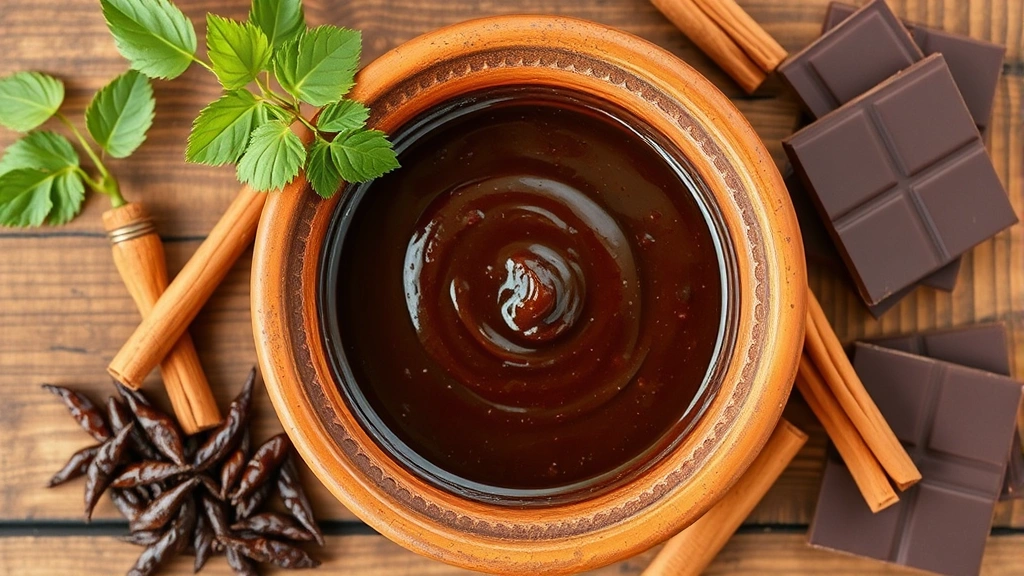
The Mole Spectrum: Moles represent Mexico’s most sophisticated sauce tradition, each variety featuring 15-40 ingredients balanced in precise proportions. Mole negro, the darkest and most complex, combines chiles, spices, chocolate, and sometimes nuts into an almost black sauce with fruity, slightly bitter undertones and surprising sweetness. Mole rojo emphasizes tomatoes and red chiles with brighter acidity. Mole poblano, perhaps the most recognizable, achieves balance between chocolate sweetness, chile heat, and spice warmth. Quality mole preparation requires hours of careful ingredient toasting, grinding, and sauce building to achieve proper emulsification and flavor development.
Chile Complexity: Mexican cuisine distinguishes between fresh chiles and dried chiles, each offering unique flavor profiles. Fresh jalapeños provide immediate heat and grassy notes; serranos deliver sharper spice; habaneros bring fruity intensity. Dried chiles transform through the dehydration process: ancho chiles become fruity and mild; guajillos offer subtle sweetness and earthiness; chipotles develop smoky, complex character; mulatos provide deep, almost chocolate-like notes. Exceptional restaurants use chile varieties intentionally, understanding how each contributes distinct flavor dimensions to finished dishes.
Fermentation and Depth: Many traditional Mexican preparations employ fermentation to develop umami depth and complexity. Fermented chile pastes, aged salsas, and fermented bean preparations create layered flavor that cannot be achieved through fresh ingredients alone. Restaurants maintaining fermentation programs demonstrate understanding of flavor development over time and commitment to traditional techniques.
Citrus and Acid Balance: Mexican cuisine employs fresh lime, orange, and other citrus to brighten heavy ingredients and provide contrast. Proper acid balance prevents dishes from becoming overwhelming while enhancing other flavors. Notice how lime juice transforms ceviche, how orange marinades balance rich pork dishes, and how citrus salsas cut through fatty preparations.
The Role of Corn: Corn represents the foundation of Mexican cuisine, yet its importance often goes unappreciated. Properly nixtamalized corn—treated with alkaline solution—develops superior flavor, texture, and nutritional properties compared to untreated corn. Restaurants that make tortillas from nixtamalized corn masa demonstrate commitment to proper technique. Taste the difference between fresh corn tortillas and those made from industrial masa; the flavor distinction becomes immediately apparent.
Strategic Ordering Guide
Maximizing your Mexican restaurant experience requires strategic menu navigation and understanding what dishes reveal a chef’s skill level.
Start with Salsas and Appetizers: A restaurant’s salsa indicates their chile quality and basic technique. Exceptional salsas feature bright, distinct flavors with proper balance between heat, acid, and other elements. Guacamole preparation reveals knife skills and ingredient handling; proper guacamole should taste primarily of avocado with complementary elements rather than overwhelming lime or cilantro. Ceviches showcase seafood quality and acid balance. Consommé or broth-based appetizers demonstrate stock quality and technique.
Order Mole Dishes: When evaluating a restaurant’s sophistication, order any mole preparation. Mole quality immediately reveals the chef’s understanding of complex flavor building, ingredient sourcing, and traditional technique. Mole should taste balanced and harmonious, with no single element overwhelming others. The sauce should coat proteins evenly without being watery or excessively thick.
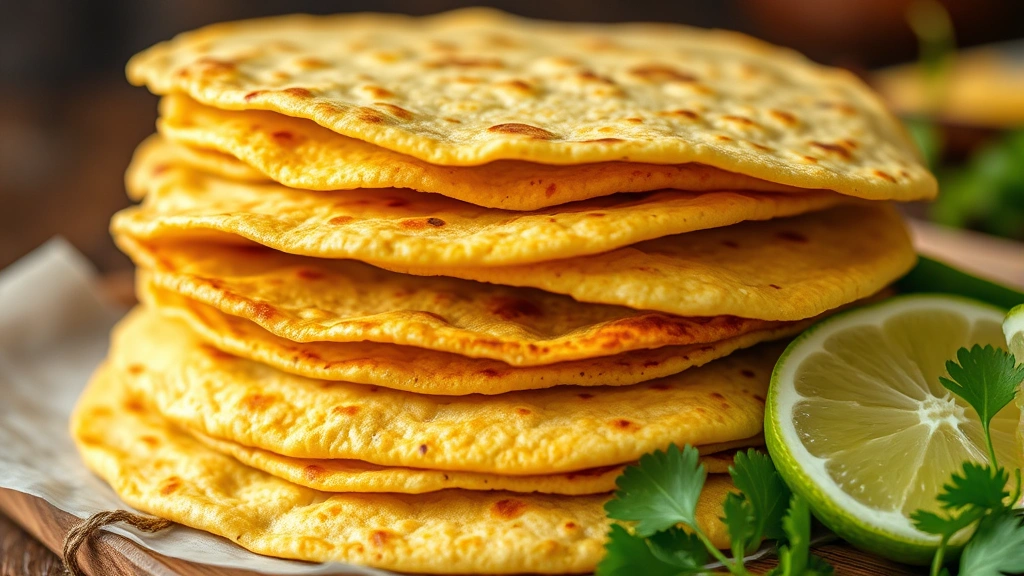
Assess Tortilla Quality: Request fresh, warm tortillas and evaluate their flavor, texture, and aroma. Superior tortillas feature subtle corn sweetness, tender texture, and slight char from proper cooking. Poor tortillas taste flat, rubbery, or stale. This single element dramatically affects your overall meal experience.
Evaluate Proteins: Traditional preparations like barbacoa, carnitas, and slow-roasted meats reveal technique and ingredient quality. These dishes require patience and proper temperature control; excellence cannot be rushed. Properly executed carnitas feature tender, richly flavored meat with crispy exterior elements. Barbacoa should shred easily and taste deeply savory without drying.
Consider Regional Specialties: Rather than ordering familiar items, select dishes specific to the restaurant’s featured region. This strategy supports the kitchen’s specialization and provides authentic experiences unavailable elsewhere. Ask your server for regional recommendations and trust their expertise.
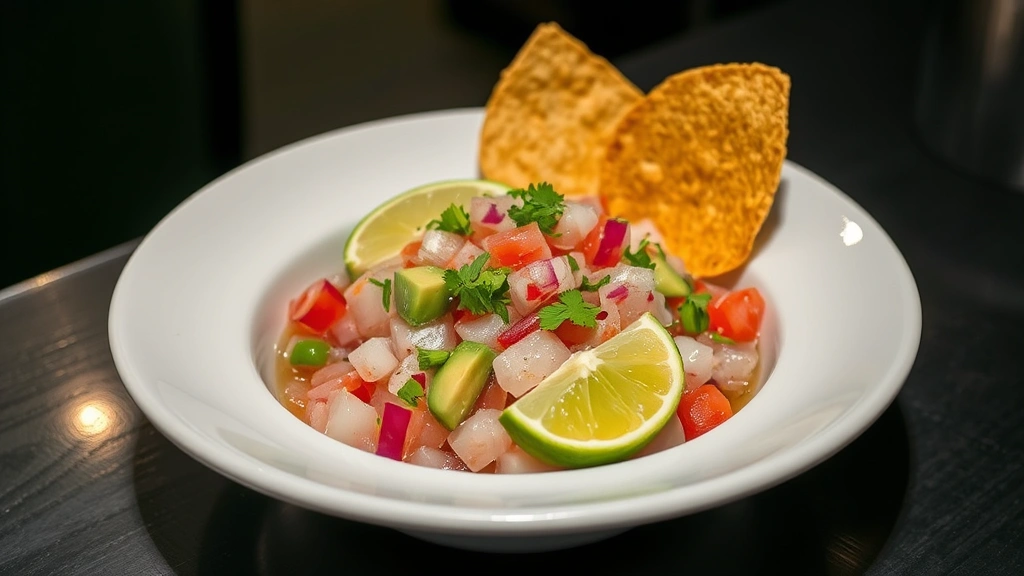
Pair with Appropriate Beverages: Mexican restaurants featuring late-night dining options often maintain excellent spirits programs. Mezcal and tequila pairings enhance Mexican cuisine through complementary flavor profiles. Request recommendations based on your dish selections rather than defaulting to margaritas. Agua fresca and traditional Mexican soft drinks provide excellent non-alcoholic alternatives that complement food beautifully.
Maximizing Your Dining Experience
Exceptional Mexican dining extends beyond menu selections to encompass the entire experience and your approach to engagement.
Timing and Pacing: Mexican restaurants often operate with different service rhythms than other establishments. Allow time for dishes to be properly prepared rather than expecting rapid service. Slow cooking, proper sauce preparation, and quality-focused cooking cannot be rushed. Embrace the pace and use it as time for conversation and beverage enjoyment.
Engage with Staff: Knowledgeable servers enhance the experience significantly. Ask about ingredient sourcing, regional variations, and preparation methods. Express genuine interest in the cuisine and the restaurant’s philosophy. This engagement often results in staff suggesting special preparations or highlighting menu items beyond standard descriptions.
Explore Seasonal Variations: Return to favorite restaurants across seasons to experience how menus evolve with ingredient availability. Seasonal dining reflects authentic Mexican culinary practices and provides opportunities to discover new preparations.
Consider Complementary Dining: Mexican cuisine pairs beautifully with other cuisines. Exploring Indian restaurants reveals interesting spice technique comparisons, while understanding family-friendly restaurant environments helps identify establishments suitable for group dining. These comparative experiences enhance your overall culinary education.
Learn Preparation Techniques: For those interested in home cooking, many Mexican restaurants offer cooking classes or chef’s table experiences. Understanding techniques through professional instruction deepens appreciation for restaurant preparations. Additionally, exploring seafood recipe preparation provides foundation for understanding ceviche and coastal Mexican preparations at home.
Support Culinary Education: Many exceptional chefs studied at renowned institutions like the Auguste Escoffier School of Culinary Arts or specialized Mexican culinary programs. Supporting restaurants whose chefs have formal training encourages continued culinary excellence and professional development within the Mexican restaurant community.
Develop Ingredient Knowledge: Visit Mexican markets and specialty shops to understand ingredient varieties available to chefs. Tasting different chile types, chocolate brands, and spice qualities outside restaurant contexts deepens appreciation for what you experience during dining. This knowledge transforms restaurant visits into educational experiences rather than simple meals.
FAQ
What distinguishes authentic Mexican restaurants from casual Tex-Mex establishments?
Authentic Mexican restaurants feature regional specialization, proper ingredient sourcing from Mexico, fresh tortilla preparation, and traditional cooking techniques. Tex-Mex establishments, while delicious, emphasize Americanized adaptations, convenience preparation, and standardized menus. Look for regional identification, ingredient specificity in menu descriptions, and staff knowledge about preparation methods to identify authentic establishments.
How should I evaluate chile quality when selecting a restaurant?
Ask servers about chile sourcing and freshness. Quality chiles should smell aromatic when opened and feature rich color without fading or discoloration. Request to see chile samples if possible. Taste salsas carefully—they should feature distinct chile character without overwhelming heat or flat, one-dimensional flavor. Multiple chile varieties in different preparations indicate sophisticated sourcing and knowledge.
What’s the significance of nixtamalization in tortilla preparation?
Nixtamalization—treating corn with alkaline solution—develops superior flavor, improved nutritional profile, and better texture compared to untreated corn. Properly nixtamalized tortillas taste distinctly corny and sweet with tender texture. This ancient technique represents fundamental Mexican culinary knowledge; restaurants employing proper nixtamalization demonstrate commitment to authentic preparation despite additional labor and cost.
How do I identify restaurants with proper mole preparation?
Authentic mole preparation requires hours of ingredient toasting, grinding, and sauce building. Restaurants featuring mole should prepare it fresh daily or maintain proper refrigeration for previously prepared batches. Taste mole carefully—it should taste balanced and harmonious with no single overwhelming element. Poor mole tastes flat, overly thick, or features separated ingredients rather than integrated sauce.
What role does mezcal play in authentic Mexican dining?
Mezcal represents Mexico’s traditional spirit tradition, featuring complex flavor profiles that pair beautifully with Mexican cuisine. Quality restaurants maintain diverse mezcal selections and employ knowledgeable staff who understand regional variations and production methods. Mezcal pairings with specific dishes enhance dining experiences through complementary flavor profiles and cultural authenticity.
Should I expect regional menu variations across different Mexican restaurants?
Yes—restaurants specializing in specific regions should feature menu items reflecting that region’s culinary traditions. Oaxacan restaurants emphasize moles and regional preparations; Yucatecan establishments feature achiote-based dishes and specific proteins; coastal restaurants highlight seafood preparations. Comprehensive Mexican restaurants attempt broader representation but may lack the depth of specialization available in regionally focused establishments.
How can I learn more about Mexican culinary traditions and techniques?
Organizations like the International Association of Culinary Professionals maintain resources about culinary education and technique. The American Culinary Federation provides chef directories and culinary information. Additionally, exploring food criticism resources and culinary publications featuring Mexican cuisine deepens understanding of regional variations and preparation techniques. Many excellent chefs contribute to culinary journals and food media discussing Mexican gastronomy.
What distinguishes exceptional service in Mexican restaurants?
Superior service includes staff knowledge about regional dishes, ingredient sourcing, and preparation methods. Knowledgeable servers make thoughtful recommendations, can explain flavor profiles and regional variations, and engage meaningfully with diners’ interests. They anticipate needs, maintain proper pacing between courses, and create welcoming atmospheres that honor Mexican hospitality traditions.
How should I approach trying unfamiliar dishes?
Request detailed descriptions from servers before ordering unfamiliar items. Ask about primary flavors, heat levels, and preparation methods. Approach new dishes with openness and curiosity rather than preconceived expectations. Mexican cuisine features unusual ingredient combinations that create sophisticated flavors; unfamiliar dishes often become favorites once tasted properly prepared.
What’s the importance of visiting multiple Mexican restaurants?
Different restaurants showcase distinct regional traditions, chef philosophies, and ingredient sourcing approaches. Comparative experiences reveal how technique variations affect flavor outcomes and expose you to Mexico’s diverse culinary landscape. Regular restaurant exploration develops your palate, deepens appreciation for culinary complexity, and supports restaurants demonstrating excellence and commitment to authenticity.