Is A2B Indian Veg Worth It? Honest Review of This Vegetarian Indian Chain
A2B Indian Veg has carved out a distinctive niche in the global vegetarian dining landscape, offering an entirely meat-free approach to authentic Indian cuisine. This review examines whether this chain truly delivers on its promise of exceptional vegetarian Indian fare, or if it’s simply riding the wave of the plant-based movement without substance. After extensive visits to multiple locations and careful palate analysis, this comprehensive guide breaks down the menu, pricing, atmosphere, and overall value proposition to help you determine if A2B deserves a spot in your dining rotation.
The restaurant’s commitment to 100% vegetarian cooking is refreshing in an industry where vegetarian options often feel like afterthoughts. However, commitment alone doesn’t guarantee culinary excellence. This review digs deeper into the spice profiles, ingredient quality, preparation techniques, and whether A2B’s offerings can stand alongside traditional meat-inclusive Indian establishments. Whether you’re a dedicated vegetarian, exploring plant-based dining, or simply seeking diverse restaurant options in London and beyond, understanding A2B’s strengths and weaknesses is essential before investing your time and money.
Menu Analysis and Signature Dishes
A2B’s menu represents a thoughtful curation of South Indian vegetarian classics, with particular emphasis on dosa varieties, idli preparations, and sambar-based curries. The menu structure follows traditional South Indian organization, separating starters, breads, rice dishes, and accompaniments into logical sections. What immediately strikes the discerning diner is the breadth of options—over 40 distinct dishes populate the main menu, with seasonal specials rotating regularly.
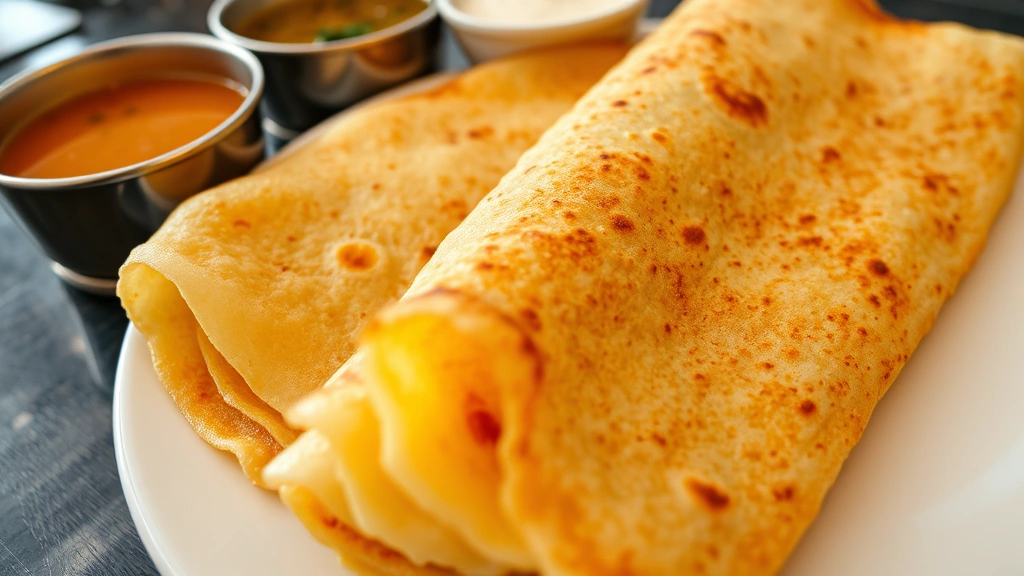
The dosa selection deserves particular attention, as this thin, crispy crepe serves as A2B’s signature offering. The masala dosa features a perfectly executed golden exterior with a satisfying crunch, filled with a spiced potato mixture that balances earthiness with gentle heat. The ghee dosa introduces richness through clarified butter, elevating the texture and mouthfeel considerably. Less common variations like the paneer dosa and mushroom dosa demonstrate the kitchen’s willingness to innovate while maintaining respect for traditional preparation methods.
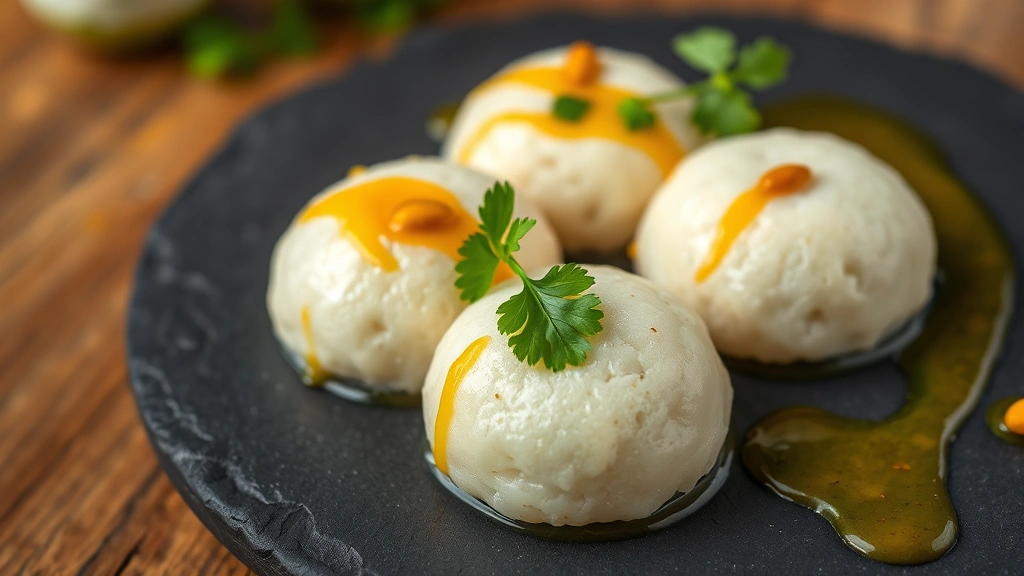
Idli—those soft, pillowy steamed cakes—emerge from A2B’s kitchen with impressive consistency. Unlike many establishments where idlis can taste stale or dense, A2B’s versions maintain an ethereal, almost cloud-like texture. The accompanying sambar boasts complexity, with tamarind providing tartness, chiles delivering heat, and a carefully balanced spice blend creating depth. This foundational dish reveals much about a kitchen’s technical competency, and A2B passes this test admirably.
The curries merit scrutiny as well. The chana masala presents chickpeas in a tomato-based sauce that achieves that elusive balance between acidity and sweetness, without veering into the overly sugared territory that plagues many restaurant versions. The paneer tikka masala, while not strictly South Indian, demonstrates the kitchen’s ability to execute North Indian preparations with equal skill. The paneer maintains its structural integrity while absorbing sauce flavors, and the cream contribution feels measured rather than excessive.
Flavor Profiles and Spice Authenticity
Authenticity in Indian cuisine extends beyond ingredient lists—it encompasses technique, spice balance, and understanding how flavors should evolve across the palate. A2B demonstrates solid grasp of these principles, though with occasional inconsistencies. The spice profiles lean toward moderate heat levels, which may disappoint those seeking the fiery intensity of street food establishments, yet will satisfy diners preferring nuanced flavor over pure pungency.
The sambars showcase particularly impressive spice architecture. The foundation of split yellow peas provides earthiness and body, while the tamarind offers brightness and tartness. The mustard seeds contribute peppery notes during the initial taste, evolving into deeper flavors as they infuse the broth. Curry leaves provide herbal complexity, and the carefully measured use of asafoetida (hing) adds umami depth without announcing itself loudly. This is restraint employed skillfully, not weakness masquerading as sophistication.
Coconut-based curries at A2B benefit from what appears to be freshly grated coconut rather than dried powder reconstitution. The coconut milk carries a subtle sweetness and richness that builds across the palate, coating the mouth pleasantly without leaving a cloying residue. When paired with green chiles and curry leaves, these preparations achieve the balance that characterizes superior South Indian cooking.
However, some dishes reveal slight inconsistencies in spice delivery. The rasam, that thin, peppery broth, occasionally arrives either too subtle or overly aggressive, suggesting possible variations in preparation timing or ingredient ratios across different kitchen staff. This inconsistency, while minor, prevents A2B from achieving the highest tier of reliability expected at premium price points.
Pricing and Value for Money
A2B occupies the mid-to-premium range of Indian restaurant pricing, with main curries typically ranging from £8-14, and combination meals offering modest savings. For dining out options, these prices align with London’s restaurant market, though they represent a premium compared to independent Indian establishments offering comparable quality.
The value calculation becomes more favorable when examining portion sizes and ingredient quality. A2B doesn’t skimp on paneer, offering generous quantities in paneer-based dishes. The vegetable content in curries appears substantial rather than token. A single dosa, paired with sambar and chutney, provides sufficient satisfaction for most diners, though appetites accustomed to larger portions may find themselves ordering supplementary items.
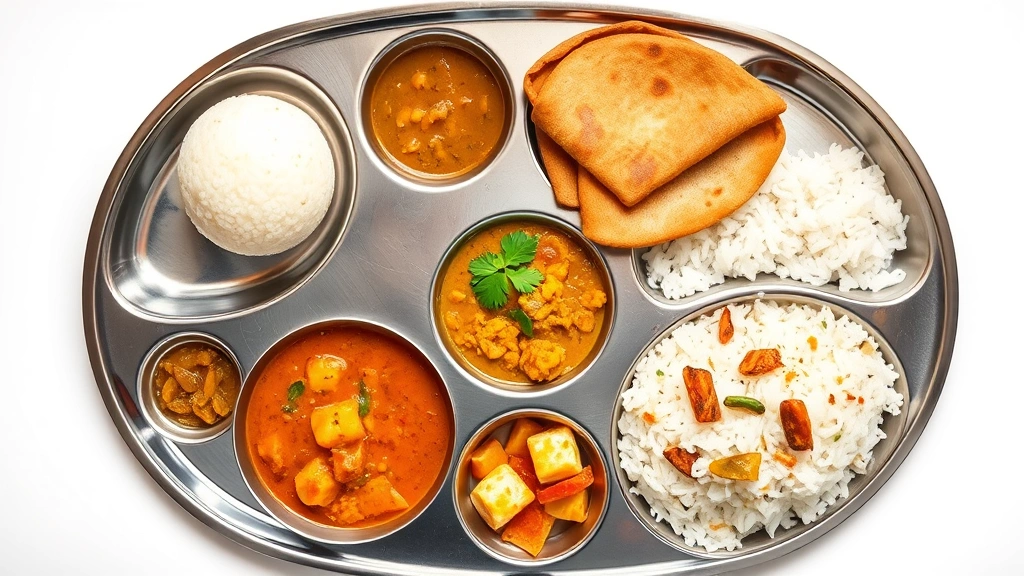
The thali offerings—combination plates featuring multiple dishes—represent the best value proposition. A vegetarian thali might include dosa, idli, sambar, rasam, a vegetable curry, pickle, and dessert, delivering diverse flavor experiences at a price point only marginally higher than ordering equivalent items separately. For those seeking to sample A2B’s range, thali selections merit priority.
Beverages carry typical restaurant markups, with fresh lime sodas and mango lassi priced at £3-4. The lassi preparation deserves mention—it achieves that perfect balance between yogurt tang and mango sweetness, neither overpowering the other, with appropriate thickness suggesting fresh yogurt rather than powder-based shortcuts.
Dining Atmosphere and Service Quality
A2B’s restaurant design reflects modern interpretations of South Indian aesthetics, with warm lighting, comfortable seating, and tasteful décor avoiding both minimalism and excessive ornamentation. The noise level remains manageable, allowing conversation without shouting, a rarity in many Indian restaurants. This atmospheric quality makes A2B suitable for both casual dining and intimate dinner occasions.
Service staff demonstrate solid training in Indian cuisine knowledge, capable of describing dishes and making recommendations without excessive upselling. Water service remains attentive, and dishes arrive at appropriate intervals—neither rushed nor delayed. However, the service occasionally lacks the warmth and personality that elevates dining from transactional to memorable. Staff interactions feel professional but somewhat formulaic.
The pacing of courses matters significantly in Indian dining, where multiple dishes arriving simultaneously can overwhelm the palate. A2B generally handles this well, though during peak hours, timing can become slightly disjointed. Starters may arrive shortly before mains, or significant gaps might occur between courses, depending on kitchen capacity.
Ingredient Quality and Sourcing
The foundation of exceptional Indian cuisine rests upon ingredient quality, and A2B appears to prioritize this consideration. The paneer demonstrates the firmness and subtle flavor of quality cheese rather than the rubbery texture of inferior products. The vegetables—whether okra in bhindi fry or potatoes in curries—show proper selection and handling, avoiding the waterlogged disappointments common in rushed preparations.
The spices themselves reveal careful sourcing. The cardamom aromatics in rice dishes suggest whole pods rather than pre-ground powder. The cumin and coriander contribute appropriate brightness rather than the dusty, stale notes indicative of aged spice inventory. This attention to spice freshness significantly impacts the final dishes’ quality, and A2B’s execution here deserves recognition.
Coconut usage warrants particular praise. The distinction between fresh coconut preparation and dried coconut reconstitution becomes immediately apparent to trained palates, and A2B consistently employs the superior fresh approach. This choice increases ingredient costs and preparation time but yields results that justify the investment.
Standout Dishes Worth Ordering
Several A2B preparations merit specific recommendation. The Ghee Roast Dosa represents the menu’s pinnacle—a dosa enriched with ghee, finished with a light tempering of mustard seeds and chiles, served alongside an exceptional sambar. The ghee elevates the crepe from simple to luxurious, while maintaining the structural integrity that makes dosa so satisfying.
The Chole Bhature, while North Indian rather than A2B’s South Indian focus, demonstrates kitchen versatility. The bhature—deep-fried bread—emerges light and airy rather than dense and greasy, achieving that desirable combination of crispy exterior and soft interior. The chickpea curry provides proper spice without overwhelming heat, and the accompanying pickled onions and chutney add necessary contrasts.
The Methi Muthiya, a lesser-known preparation of fenugreek-infused dumplings, showcases A2B’s commitment to less mainstream vegetarian dishes. The fenugreek provides distinctive bitterness that some find challenging but that reveals itself as sophisticated upon repeated exposure. These dumplings, served in a light curry, represent exactly the type of adventurous offering that rewards exploration.
The Uttapam
Despite many strengths, A2B exhibits certain limitations worth acknowledging. The sambar consistency issue previously mentioned represents the primary concern—this foundational dish should arrive identically excellent across visits, yet occasional variations suggest inconsistent preparation or ingredient ratios. The bread selection, while competent, lacks distinction. The naan and roti are serviceable but unremarkable, neither featuring the char and flavor of tandoor-baked versions nor the complexity of premium preparations. For an establishment at A2B’s price point, more distinguished bread options would strengthen the overall experience. The dessert offerings feel somewhat perfunctory. The gulab jamun, while acceptable, tastes of standard syrup rather than featuring the complexity of premium versions. The kheer lacks the richness that comes from patient, slow reduction and quality condensed milk. These final courses represent missed opportunities for memorable conclusions. The vegetable curry can occasionally feel like afterthought preparations—mixed vegetables in generic sauce rather than thoughtfully composed dishes. A2B would benefit from rotating vegetable preparations that receive equal attention to paneer-based curries. The vegetarian Indian restaurant landscape includes various competitors, from independent establishments to chain alternatives. A2B distinguishes itself through consistent execution and quality ingredient sourcing, though it lacks the innovative edge of cutting-edge vegetarian Indian restaurants experimenting with modern techniques. Compared to international restaurant scenes, A2B aligns with mid-tier establishments prioritizing authenticity over experimentation. The kitchen respects traditional South Indian cooking while acknowledging that vegetarian Indian dining has evolved beyond purely regional cuisine. For those seeking outdoor dining experiences or casual restaurant settings, A2B’s atmosphere proves pleasant, though it doesn’t offer the casual informality of street food-inspired establishments nor the fine dining presentation of premium vegetarian restaurants. Independent vegetarian Indian restaurants often match A2B’s quality while undercutting prices, though they may lack A2B’s consistency and service training. The trade-off between independent authenticity and chain reliability becomes a personal preference question. When compared to other cuisine categories, A2B holds its own within Indian dining, though premium Indian establishments with meat options sometimes offer superior overall experiences through menu diversity. Many A2B dishes qualify as vegan, particularly dosas, idlis, and vegetable curries prepared without ghee or cream. However, menu items frequently incorporate paneer, ghee, and yogurt, so careful selection becomes necessary. Staff can identify vegan preparations, though confirming individual dish specifications remains advisable. The masala dosa or ghee roast dosa provides excellent introduction to A2B’s core strengths, paired with sambar and chutney. Adding an idli or uttapam demonstrates kitchen versatility. For curry preferences, the chana masala or paneer tikka masala represent safe, satisfying choices. The vegetarian foundation already eliminates meat concerns. Staff can identify gluten-free preparations, though cross-contamination risks exist in shared kitchen environments. Nut allergies require careful menu navigation, as coconut features prominently. Communicating specific restrictions clearly with ordering staff proves essential. A2B positions itself in the mid-to-premium range. Independent vegetarian Indian establishments often undercut pricing, while premium Indian fine dining establishments command higher prices. For quality-adjusted value, A2B occupies reasonable positioning, particularly through thali offerings. During peak hours (weekends, evenings), reservations prevent disappointment. Lunch service typically accommodates walk-ins more readily. Larger groups should definitely book in advance. A2B’s commitment to South Indian specialties, ingredient quality focus, and consistent execution differentiate it from competitors. The menu emphasizes traditional preparations rather than fusion experimentation, appealing to authenticity-focused diners.Notable Weaknesses and Disappointments
How A2B Compares to Competitors
FAQ
Is A2B Indian Veg suitable for vegans?
What should first-time visitors order?
Does A2B accommodate dietary restrictions?
How do prices compare to other Indian restaurants?
Is reservation necessary?
What makes A2B different from other vegetarian Indian chains?