African Dishes Worth Tasting? Chef’s Recommendations for Authentic Flavors
African cuisine represents one of the world’s most underappreciated culinary treasures, a vast tapestry of flavors, techniques, and traditions spanning 54 nations and countless ethnic groups. From the bustling markets of West Africa to the highlands of Ethiopia, each region tells a story through its food—stories of resilience, celebration, and the deep connection between land and table. When you step into an African restaurant, you’re not simply ordering a meal; you’re embarking on a sensory journey through centuries of cultural heritage, time-honored recipes passed down through generations, and the innovative spirit of contemporary chefs honoring their roots.
The question isn’t whether African dishes are worth tasting—it’s how quickly you can secure a reservation. Expert chefs and food critics across the globe increasingly recognize African cuisine as essential to understanding global gastronomy. The continent’s culinary landscape showcases sophisticated flavor profiles built on foundational ingredients like grains, legumes, vegetables, and proteins that have sustained civilizations for millennia, combined with cooking methods that maximize taste and nutrition. Whether you’re seeking bold, aromatic spice blends or delicate, nuanced preparations, African restaurants deliver experiences that challenge preconceptions and expand palates.
Essential African Dishes Every Food Lover Must Try
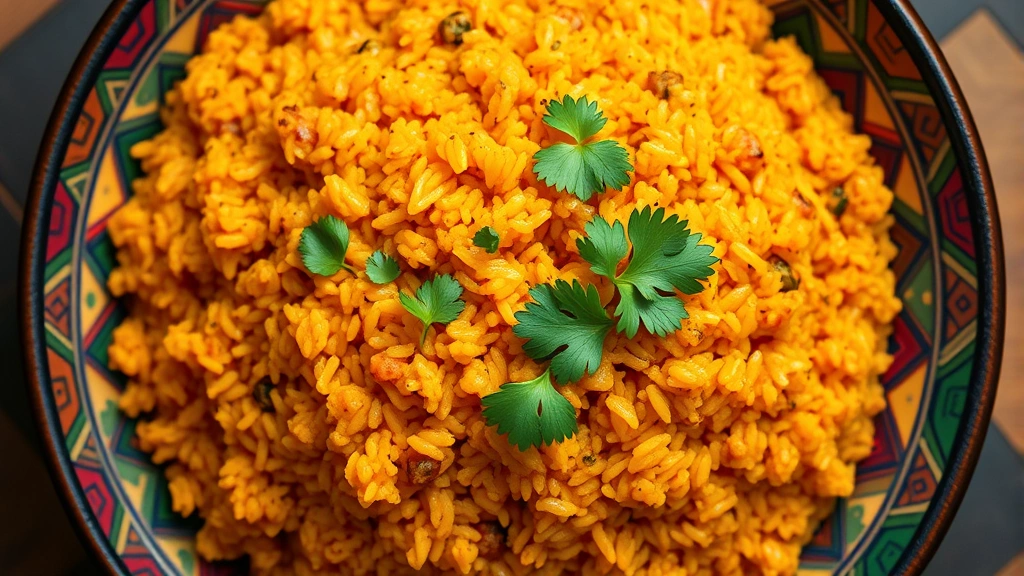
When chefs discuss the canon of African cuisine, certain dishes emerge as absolute must-haves for anyone serious about culinary exploration. Jollof rice, the beloved West African staple, deserves its legendary status—a fragrant, one-pot marvel where tomatoes, peppers, and spices create a harmonious base for fluffy grains that somehow achieve both individual texture and collective cohesion. The best versions feature a slightly caramelized bottom layer called the “socarrat,” delivering textural contrast and concentrated flavor that elevates this simple dish into something transcendent.
Ethiopian injera presents an entirely different paradigm for how bread and meal interact. This spongy, naturally fermented flatbread serves simultaneously as plate, utensil, and flavor component. The tangy complexity from weeks of fermentation creates a subtle backdrop that complements spiced stews without overwhelming them. Tasting authentic injera reveals why this preparation has remained central to Ethiopian dining for centuries—it’s functional brilliance wrapped in culinary sophistication.
Tagines from Morocco represent slow-cooking mastery, where clay vessels and low heat transform humble ingredients into deeply complex dishes. Whether exploring a chicken tagine with preserved lemons and olives or a vegetable version that showcases root vegetables and dried fruits, these preparations demonstrate how African chefs manipulate temperature, time, and technique to build layers of flavor that unfold across the palate. The sweetness of dried apricots playing against the salinity of olives and the brightness of preserved lemon creates a flavor architecture that feels both ancient and innovative.
West African peanut stews showcase how African restaurants transform simple ingredients into sophisticated dishes. Groundnuts (peanuts) contribute creamy richness and subtle earthiness that anchors complex spice profiles. These stews often feature meat or fish, though exploring vegetarian pasta recipes and plant-based preparations has inspired many chefs to create remarkable vegetable-forward versions that prove this cuisine’s versatility.
Suya, the legendary Nigerian street food, represents African cuisine’s capacity for bold, assertive flavors. These grilled meat skewers coated in a spiced peanut powder deliver immediate gratification through char, smoke, and the complex heat of chili peppers balanced against warming spices like ginger and cloves. The textural contrast between the crispy exterior coating and succulent interior meat exemplifies how African cooking prioritizes sensory experience.
South African bunny chow—a hollowed loaf of bread filled with curry—demonstrates the continent’s ability to absorb and reinvent global influences while maintaining distinct identity. The bread becomes edible vessel and flavor participant, soaking up curry while providing structural contrast. It’s casual, delicious, and utterly satisfying in ways that transcend simple categorization.
For seafood enthusiasts, exploring easy fish recipes for dinner pales beside the experience of authentic preparations at an African restaurant. Whole grilled fish with West African pepper sauces, Tanzanian coconut fish curries, and North African fish tagines showcase how proximity to oceans and waterways shaped distinct regional approaches to seafood preparation.
Regional Flavor Profiles and Culinary Traditions
Understanding African cuisine requires recognizing that the continent encompasses radically different flavor territories. West African cooking emphasizes bold spice, heat, and the interplay between savory and subtle sweetness. Palm oil provides a distinctive richness and slightly fruity undertone that appears throughout the region’s dishes. The Sahel region’s cooking reflects its geography—nomadic influences combined with agricultural abundance create preparations that travel well and sustain through harsh climates.
East African cuisine draws heavily from Indian influences brought through centuries of trade, yet maintains distinct character. Ugandan matoke (plantain dishes), Kenyan nyama choma (grilled meat), and Tanzanian coconut-based preparations showcase how geography and cultural exchange create unique regional identities. The use of coconut milk, spices like cardamom and cinnamon, and techniques borrowed from Indian cooking combine with African ingredients and sensibilities to create something entirely original.
Ethiopian and Eritrean cuisines stand apart through their unique spice blends and fermentation practices. Berbere spice—a complex mixture of chilies, fenugreek, coriander, cardamom, black pepper, cinnamon, and numerous other spices—appears throughout both cuisines, creating cohesive flavor threads across dishes. The emphasis on injera-based meals and communal dining reflects cultural values that prioritize togetherness and shared experience.
North African cooking, particularly Moroccan and Tunisian traditions, demonstrates Mediterranean influences while maintaining African identity. Spice blends like ras el hanout, the frequent use of dried fruits, and preservation techniques developed across centuries of trade create a sophisticated, nuanced palate. Moroccan cuisine particularly showcases how sweet and savory elements can coexist harmoniously—tagines with apricots and lamb, couscous with dates and almonds, pastries combining honey and meat.
Southern African cooking reflects the continent’s agricultural bounty and colonial history. South African braais (barbecues), Zimbabwean relishes, and Botswanan pap preparations emphasize grains, legumes, and proteins in straightforward but deeply satisfying preparations. The region’s wines have also influenced cooking techniques and flavor development.

The Science Behind African Spice Combinations
African chefs and food scientists have recognized for centuries what modern flavor research confirms: specific spice combinations create synergistic effects where the whole exceeds the sum of parts. The warming spices prevalent in African cooking—cinnamon, cloves, nutmeg, cardamom—contain compounds that interact with our sensory receptors in ways that amplify perceived flavor complexity. When these combine with hot chilies, the capsaicin triggers pain receptors while other compounds create cooling sensations, resulting in dynamic oral experiences that engage multiple sensory pathways simultaneously.
According to flavor science research institutions, the fermentation processes central to African cooking—whether creating injera, fermenting grains, or developing aged spice blends—generate compounds that contribute depth and umami character. These fermented elements provide the “fifth taste” that makes African dishes so craveable and satisfying. The layered complexity in African cuisine comes partly from these fermented foundations building flavor architecture that simple cooking cannot achieve.
Spice combinations like West African suya powder or Ethiopian berbere represent centuries of empirical knowledge about which compounds complement each other. Research shows that compounds in black pepper actually enhance the bioavailability of turmeric’s curcumin, suggesting that African spice traditions may have developed partly through observation of digestive effects and nutritional benefits. The International Association of Culinary Professionals increasingly recognizes African spice traditions as sophisticated flavor science deserving academic study.
The use of grinding spices fresh, rather than using pre-ground versions, maximizes volatile oil content and aromatic compounds. When you visit an African restaurant and smell the distinctive aromas wafting from the kitchen, you’re experiencing the results of spices releasing essential oils during the cooking process. These aromatic compounds directly stimulate olfactory receptors, which contribute approximately 80% of what we perceive as taste.
African cooking also demonstrates sophisticated understanding of how proteins interact with spices and heat. Slow-braising meat in spiced liquids allows spice compounds to penetrate deeply into muscle fibers, while the Maillard reaction between amino acids and reducing sugars creates new flavor compounds that couldn’t exist in the raw ingredients. This scientific principle underlies the extraordinary depth in dishes like Moroccan tagines or West African peanut stews.
Finding Authentic African Restaurants in Your Area
Locating an exceptional African restaurant requires moving beyond casual searching toward intentional exploration. The most authentic establishments often operate in neighborhoods with significant African diaspora communities, where chef expertise and ingredient sourcing reflect generations of culinary knowledge. Rather than franchises, seek family-owned operations where recipes come from personal heritage rather than corporate standardization.
Key indicators of authenticity include menus featuring regional specialties rather than pan-African homogenization, staff who can articulate the origins and preparations of dishes, and an emphasis on house-made components like spice blends, fermented condiments, and fresh breads. Authentic African restaurants typically source ingredients directly from African suppliers, ensuring access to authentic palm oil, specific varieties of chilies, and traditional grains.
When exploring options similar to searching for best Mexican restaurants near me, apply the same critical thinking toward African establishments. Read reviews that discuss specific dishes and flavor profiles rather than general ambiance commentary. Seek recommendations from food critics who specialize in African cuisine, and follow social media accounts of African chefs and food writers.
Don’t overlook the value of visiting markets serving African communities before exploring the restaurants themselves. African markets provide context for understanding ingredients, traditional preparations, and the cultural importance of specific foods. Conversations with market vendors often lead to restaurant recommendations that guidebooks miss entirely.
The International Chef Association maintains directories of restaurants specializing in African cuisine, organized by region and country of origin. This resource helps identify establishments with formal training in specific African culinary traditions rather than casual interpretations.
Vegetarian and Plant-Based African Cuisine
African cuisine offers extraordinary plant-based options that rival meat-forward preparations in satisfaction and complexity. Many traditional African diets centered on legumes, grains, and vegetables long before plant-based eating became fashionable. Exploring vegetarian pasta recipes provides inspiration, but authentic African vegetable preparations deserve equal attention.
Ethiopian misir wot (red lentil stew) demonstrates how simple legumes transform through proper spicing and technique into deeply satisfying dishes. The combination of berbere spices with finely minced onions and slow cooking creates a texture that’s simultaneously creamy and substantial. Gomen, a collard green preparation with garlic and ginger, showcases how African cooking elevates humble vegetables into memorable side dishes.
West African okra preparations, particularly in Ghanaian and Nigerian cuisines, feature the vegetable’s natural mucilaginous quality as a feature rather than flaw. Combined with tomatoes, peppers, and spices, okra creates a silky texture that complements grains perfectly. Jollof rice served alongside vegetable-forward stews provides complete nutrition through complementary proteins from combined grains and legumes.
Moroccan vegetable tagines showcase how dried fruits, nuts, and spices can create depth equivalent to meat-based versions. Chickpeas provide protein and earthiness, while preserved lemons offer brightness and complexity. These preparations align perfectly with exploring vegan restaurants near me for those interested in plant-based dining.
South African pap—a maize porridge—served with various vegetable relishes (chutneys) represents affordable, nourishing eating that has sustained populations for centuries. When prepared with proper technique and complementary vegetables, pap becomes comfort food that satisfies on multiple levels.
Bean and legume-based dishes appear throughout African cuisines—Ethiopian shiro (chickpea flour preparation), West African bean soups, and North African fava bean preparations all demonstrate the continent’s sophisticated approach to plant-based cooking. These dishes aren’t meat substitutes; they’re complete, distinct preparations with their own integrity and flavor profiles.
Many African restaurants now explicitly feature vegetarian sections, recognizing both traditional plant-based eating and contemporary dietary preferences. Requesting vegetable-forward preparations at African restaurants often yields more creative, interesting dishes than standard vegetarian options elsewhere.
Pairing African Dishes with Beverages
Beverage pairing with African cuisine requires understanding how drinks interact with bold spices, complex heat, and rich preparations. Traditional beverages offer insights into how African cultures have approached this challenge for centuries. Hibiscus tea, with its tart, floral character, provides refreshing contrast to rich, spiced dishes. The slight astringency cuts through fat while the unique flavor profile complements rather than competes with complex spice blends.
African beers, increasingly available globally, offer excellent pairing potential. These beverages often feature lower alcohol content and crisp, clean profiles that cleanse the palate between bites of heavily spiced dishes. Ethiopian tej (honey wine) pairs beautifully with Ethiopian cuisine, while West African palm wine complements rich, oily preparations through its subtle sweetness and slight effervescence.
Wine pairing with African cuisine deserves serious consideration. South African wines, particularly Chenin Blancs and certain Pinotage reds, have natural affinity with regional cuisine while also offering interesting contrast to West African and North African dishes. The key principle involves seeking beverages with sufficient acidity and character to stand up to bold spice without overwhelming delicate flavor notes.
Coffee and tea traditions throughout Africa offer post-meal options that extend the dining experience. Ethiopian coffee ceremonies represent cultural practice as much as beverage consumption, while North African mint tea provides palate-cleansing, digestive benefits after substantial meals. These traditions remind us that African dining involves more than food consumption—it encompasses cultural practice and social connection.
When exploring easy stir fry recipes at home, consider applying similar beverage pairing principles. The fundamental logic—seeking beverages with sufficient character and acidity to complement bold flavors—applies across cuisines. African restaurants often feature knowledgeable staff who can recommend specific pairings based on your meal selections.

FAQ
What makes African cuisine different from other world cuisines?
African cuisine emphasizes bold spice combinations, fermented ingredients, communal dining traditions, and deep connection between ingredients and geography. The continent’s diversity means no single “African cuisine” exists—rather, 54+ distinct national cuisines with unique characteristics. The emphasis on grains, legumes, and vegetables combined with sophisticated spice traditions creates flavor profiles distinct from other culinary traditions.
Is African food always very spicy?
While many African dishes feature heat from chili peppers, the cuisine encompasses broad spice spectrum. North African tagines often emphasize warm spices over heat, while Ethiopian preparations balance berbere spice with other elements. Restaurants typically offer options across spice levels, and many traditional dishes rely more on depth and complexity than pure heat. Communicating your spice preferences allows chefs to adjust preparations accordingly.
What should I order on my first visit to an African restaurant?
Start with widely beloved dishes like jollof rice, injera-based sampler platters, or regional specialties highlighted on the menu. Asking your server for recommendations based on your flavor preferences often yields excellent suggestions. Consider trying both familiar proteins (chicken, beef) and less common options (goat, fish) to develop comprehensive understanding of the cuisine. Many restaurants offer combination platters perfect for first-time exploration.
Can I find African cuisine that accommodates dietary restrictions?
Yes. Many African restaurants offer vegetarian options, and traditional cuisines feature numerous plant-based preparations. Communicating allergies and dietary restrictions clearly allows chefs to suggest appropriate dishes or modify preparations. The emphasis on whole ingredients and traditional cooking methods often makes African restaurants more accommodating than establishments relying on processed components.
How can I learn to cook African food at home?
Start by visiting African markets to source authentic ingredients and speak with vendors about traditional preparations. Follow African chefs and food writers on social media for recipes and technique guidance. Cookbooks focusing on specific regions provide detailed instructions and cultural context. Cooking classes offered by African restaurants or community centers provide hands-on learning from experienced practitioners. Begin with simpler dishes before attempting complex preparations requiring specialized equipment or extended cooking times.
What is the best way to experience African cuisine authentically?
Visit restaurants operated by people with personal heritage connections to the cuisines served. Dine during busy hours when kitchens operate at full capacity, ensuring freshly prepared dishes. Engage with staff about dish origins and preparation methods. Consider visiting during special events or celebrations when restaurants often feature regional specialties. Most importantly, approach African cuisine with genuine curiosity and respect for the cultural traditions and historical contexts that shaped these remarkable food traditions.
Are African restaurants becoming more common?
Yes. Growing recognition of African cuisine’s quality and sophistication has led to increased restaurant openings globally. Major cities now feature multiple establishments specializing in African cuisine, while smaller communities increasingly access authentic options. The International Culinary Institute increasingly includes African cuisine in formal chef training, suggesting continued growth and professionalization of the field.