Table of Contents
Introduction
Baking is more than just mixing ingredients and putting them in the oven; it’s an art that brings joy, comfort, and a sense of accomplishment. Have you ever imagined the simple pleasure of pulling a warm, fragrant batch of cookies or a fluffy cake fresh out of the oven? For many, the idea of baking can seem intimidating, filled with complicated recipes and precise measurements, but it doesn’t have to be that way. This guide is here to help you take the first step, turning what might seem like a daunting task into an enjoyable and rewarding hobby.
Learning to bake is a skill that appeals to all kinds of people, from those seeking a creative outlet to those who want to make delicious treats for family and friends. Baking’s popularity has surged in recent years, especially among beginners eager to gain confidence in the kitchen. Imagine the satisfaction that comes with mastering your first recipe and knowing that your hard work brings smiles and sweet moments to those around you. It is an experience that touches heart and home alike.
However, the beginning of your baking journey can sometimes feel overwhelming. New bakers often hesitate because of fears about complicated instructions, missing key tools, or failing to get the perfect texture and taste. It’s important to know that these feelings are common and that every expert baker started right where you are now. With the right guidance, basic tips, and patience, you can navigate through these initial challenges smoothly and enjoy the process as much as the final baked goods.
Baking also connects us with tradition, celebrations, and family memories. Whether you’re baking a simple loaf of bread or decorating a cake for a special occasion, you’re participating in a practice that has historical and emotional significance worldwide. The science behind baking, mixing ingredients in precise ways to trigger reactions that create delightful textures and flavors, is fascinating and accessible. This guide will demystify these processes, making baking understandable and fun with each step.
What You’ll Learn in This Guide
This comprehensive guide is designed to empower beginners with the knowledge and confidence to start baking successfully. Whether you are looking to bake for fun, create gifts, or develop new skills, this guide covers everything you need to know to begin your baking adventure.
- Basic Baking Tips and Essential Tools: Learn the fundamental tips that form the foundation for great baking, from ingredient measuring precision to oven preheating secrets, along with the key tools every beginner needs for a well-equipped kitchen.
- Simple Beginner-Friendly Recipes: Explore a selection of easy recipes chosen specifically for beginners, featuring clear, step-by-step instructions that build your confidence and ensure delicious results with minimal fuss.
- Step-by-Step Baking Process: Understand the typical stages of baking from preparation to cooling, helping you to manage your baking time and techniques efficiently for better outcomes each time.
- Common Mistakes and Troubleshooting: Discover common beginner mistakes, how to avoid them, and practical troubleshooting tips to fix problems like dense textures or uneven baking. This knowledge will save you frustration and improve your baking success.
The rest of the article will walk you through each of these topics in detail, starting with the tools you need and basic tips to get your kitchen ready. We’ll then introduce you to simple recipes that are perfect for beginners and help you build skills gradually. By breaking down the baking process into manageable steps, you’ll learn how to tackle each phase with confidence and ease. Finally, we’ll address common mistakes and provide troubleshooting advice so you can learn from any setbacks and keep improving.
By the end of this guide, you’ll not only have a collection of recipes to try but also a solid understanding of baking principles and the confidence to experiment and expand your skills. Whether your goal is to bake for everyday enjoyment or special occasions, this guide is your companion to becoming a confident baker.
Let’s get started on this exciting journey to discover the joys of baking, where every mix, measure, and moment in the kitchen brings you closer to creating delicious memories. Ready to bake with confidence? Your baking adventure begins now.
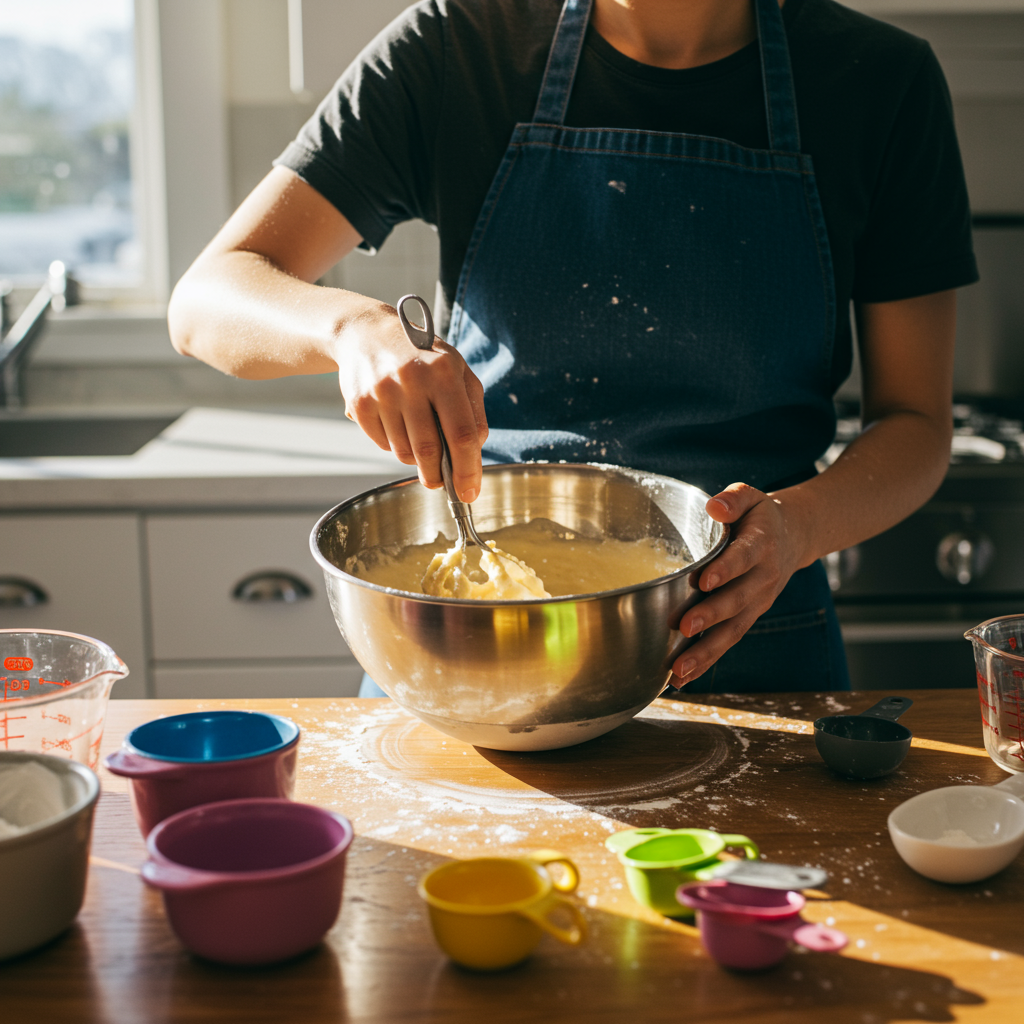
Baking is a rewarding hobby that combines creativity and science, making it an ideal skill for beginners to learn and enjoy. After understanding the basics and gathering essential tools, many new bakers find themselves excited to dive deeper into the techniques and recipes that make baking successful. This discussion will expand on beginner-friendly recipes and tips to build confidence, followed by a detailed overview of the step-by-step baking process to ensure great results every time. With the right approach and practice, even novices can produce delicious homemade baked goods that impress family and friends.
Simple Beginner-Friendly Baking Recipes
Starting with the right recipes is key to building baking confidence, especially when you’re new to the kitchen. Beginner-friendly baking recipes typically rely on straightforward ingredients, clear instructions, and forgiving techniques that allow some room for error. Classic recipes like chocolate chip cookies or basic vanilla cake serve as perfect introductions. These dishes not only yield delicious results but also teach foundational skills such as measuring accurately, mixing batters just right, and managing baking times. As you explore these recipes, you’ll learn how to adapt and experiment, paving the way toward more advanced baking projects.
When selecting recipes, look for options that use fewer ingredients and require simple methods like mixing and baking rather than complex dough handling or decorating. Easy-to-follow recipes with step-by-step photos or videos are especially helpful for beginners. As your skills grow, you might move on to recipes like banana bread, muffins, or brownies, which add slight variations and complexity without being overwhelming. To fully grasp this concept, it helps to understand how to prepare basic doughs like pizza dough, enhancing your comfort with textures and handling.
Popular Starter Recipes
Below are some of the most recommended simple recipes for those just starting out in baking. Each provides an opportunity to master key techniques and enjoy tasty rewards:
- Classic chocolate chip cookies: These cookies teach precise measuring and timing, resulting in chewy, flavorful treats everyone loves.
- Basic vanilla cake: A versatile cake recipe that introduces batter mixing, baking temperatures, and cooling methods, essential foundational skills.
- Simple banana bread: A moist quick bread that helps you practice ingredient substitutions and moisture control in baking.
- Easy muffins: Muffins highlight the importance of mixing just enough to combine ingredients for tender texture without overworking.
- Basic brownies: Fudgy or cakey brownies help understand baking times and texture expectations with straightforward steps.
Step-by-Step Baking Process Guide
Beyond recipes, understanding the baking process itself is crucial for producing consistent, delicious results. Baking involves precise stages that blend both art and science. Mastery comes from practicing each stage carefully and learning how they interact. For beginners, breaking down the process into manageable steps makes baking less intimidating and more enjoyable. Each stage contributes critically to the final product’s texture, flavor, and appearance.
Preheating your oven properly is fundamental to ensure even cooking, and measuring ingredients accurately sets the stage for chemical reactions in the batter or dough. Mixing techniques influence texture — whether you need to incorporate air or simply combine ingredients gently. Baking at the right temperature for the right time controls the rise, browning, and moisture content of your baked goods. Finally, proper cooling and storage preserve freshness and enhance flavor. For a detailed breakdown of this step, see our guide on the stages of making pancakes and basic batter, which parallels many baking principles.
Stages of Baking
Each stage of baking requires attention to detail but offers clear actions. Here are key stages every beginner should understand:
- Preparing ingredients and tools: Gather everything before starting and measure precisely. This prevents errors and streamlines the workflow.
- Mixing ingredients properly: Techniques vary from gentle folding to vigorous beating. Proper mixing ensures the right texture and prevents overworking your dough or batter.
- Preheating and preparing the oven: An accurate oven temperature guarantees even baking. Using an oven thermometer helps you avoid common pitfalls.
- Baking with correct timing and temperature: Follow recipe guidelines closely but also learn to watch for visual cues like browning or set edges to judge doneness.
- Cooling and storing baked goods: Cooling slows residual cooking and helps maintain texture. Proper storage techniques keep items fresh longer and ready to enjoy.

Conclusion
Embarking on your baking journey opens up a world of creativity, satisfaction, and delicious flavors. Throughout this guide, we’ve explored essential baking tools and techniques, providing you with the foundational knowledge needed to get started. From the importance of accurate measurements to the specific tools that can simplify your process, you should now feel more empowered to bake with confidence. We’ve discussed beginner-friendly recipes that are perfect for honing your skills while rewarding you with tasty outcomes. Classic options like chocolate chip cookies or a basic vanilla cake are not just delicious; they also provide excellent learning experiences that can boost your confidence as a baker.
Understanding the stages of baking—from preparation through cooling—gives you a structured approach to each recipe you tackle. Remember, baking is as much about the process as it is about the final product; enjoying the journey of creating and learning is essential. Along the way, we highlighted common mistakes beginners face and offered troubleshooting tips to overcome them. Armed with this information, you can approach baking with a proactive mindset, ensuring that even when things don’t turn out perfectly, you have the tools to adjust and improve.
To further your baking skills, we recommend starting with simple recipes that require fewer ingredients and straightforward instructions. As you grow more comfortable, challenge yourself with slightly more complex recipes, incorporating your own creative twists as you go. The world of baking is vast, and every foray into this endeavor increases your competence and confidence.
Your next step is to pick a recipe that catches your eye and get baking! Also, consider keeping a baking journal to document your successes, challenges, and adjustments made along the way. This can be a fantastic tool for growth and reflection in your baking journey. Remember, every expert baker started where you are right now. Each bake is an opportunity to learn something new, so approach it with excitement and curiosity.
In closing, embrace the art of baking as a joyful and rewarding hobby. Your kitchen is a place of creativity where the possibilities are endless. With persistence, an eagerness to learn, and a sprinkle of patience, you’ll master your baking skills, bringing deliciousness to your home. Happy baking!
Further Reading
If you want to deepen your knowledge further, check out our guide on making pancakes from scratch or delve into homemade pizza dough for a fun family activity!