Top Barcelona Restaurants? Local Chef Recommends
Barcelona’s culinary landscape pulses with Mediterranean passion and innovative spirit. As someone who has spent countless hours exploring the city’s most celebrated dining establishments, I’ve discovered that the best Barcelona restaurants transcend typical tourist traps—they’re laboratories of flavor where tradition meets audacious creativity. From intimate tapas bars tucked into Gothic Quarter alleyways to Michelin-starred temples of gastronomy overlooking the Mediterranean, this city offers palate-defining experiences that rival any European capital.
The Catalan capital has transformed into a gastronomic powerhouse over the past two decades. What makes Barcelona’s restaurant scene particularly compelling is its unwavering commitment to seasonal ingredients, ancestral techniques, and the kind of culinary storytelling that turns a simple meal into an unforgettable narrative. Whether you’re seeking a date night restaurant experience or planning a family dining adventure, Barcelona’s restaurant ecosystem caters to every palate and occasion.
Michelin-Starred Temples of Gastronomy
Barcelona’s Michelin-starred establishments represent the pinnacle of culinary ambition. These restaurants demand respect—not through pretension, but through the meticulous execution of every element on the plate. The city currently boasts several three-star establishments, each pursuing distinct philosophical approaches to what fine dining means in the twenty-first century.
At the forefront stands Tickets, Albert Adrià’s tapas laboratory where molecular gastronomy meets Spanish tradition in a theater-like setting. The experience here is deliberately disorienting in the most delightful way—your palate encounters unexpected textural combinations, temperature contrasts, and flavor juxtapositions that challenge preconceived notions about what tapas can be. The counter seating ensures intimate observation of the kitchen’s choreography, creating a sensory dialogue between chef and diner.
For those seeking classical excellence with contemporary refinement, Caelis delivers impeccable Catalan cuisine with French precision. Chef Romain Fornell’s tasting menu reads like a love letter to the region’s seasonal bounty—each course arrives as a perfectly composed photograph that tastes even better than it appears. The langoustine preparations here achieve an almost transcendent delicacy, their briny sweetness amplified through restrained seasoning and elegant plating.
Another essential destination is Moments at Mandarin Oriental, where Carme Ruscalleda’s two Michelin stars reflect decades of philosophical refinement. This is cuisine that whispers rather than shouts, where a single perfectly executed element—perhaps a consommé so clear it seems to defy physics—becomes the entire point of a course. The restaurant’s intimate setting amplifies this meditative approach to fine dining.
For contemporary Mediterranean exploration, Bodega Montferry offers refined small plates in an approachable setting. The kitchen here demonstrates remarkable restraint, allowing ingredient quality to dominate rather than technique. A simply grilled piece of fish becomes a meditation on the Mediterranean’s bounty when sourced and prepared with this level of intention.
Traditional Tapas & Casual Excellence
Beyond the rarefied atmosphere of Michelin establishments lies Barcelona’s beating heart: the tapas culture that defines Catalan social eating. These establishments prove that culinary excellence doesn’t require white tablecloths or molecular gastronomy equipment. Instead, mastery emerges through ingredient knowledge, technique refinement, and genuine understanding of flavor harmony.
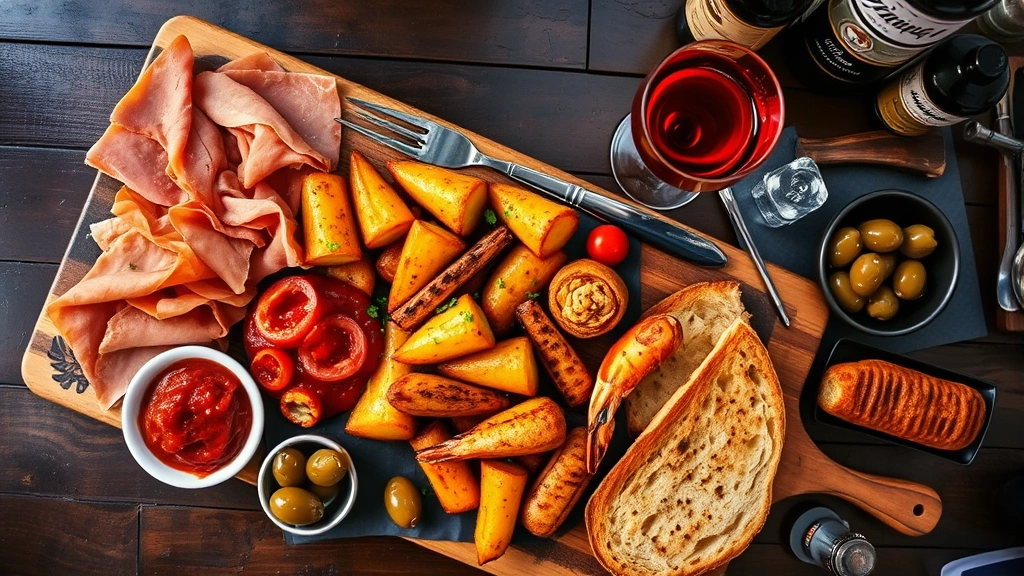
El Xampanyet, located in the Gothic Quarter, exemplifies this philosophy perfectly. This beloved institution has served vermouth and traditional tapas since 1786, creating a palimpsest of culinary history within its narrow wooden bar. The jamón ibérico here arrives paper-thin, its marbling suggesting months of careful curing and slicing precision. Pair it with their house vermouth—slightly bitter, herbaceous, perfectly chilled—and you’ve captured Barcelona’s essential spirit in a single moment.
For contemporary tapas executed with serious technique, Cervecería Catalana maintains its legendary status through relentless consistency. The kitchen manages the impressive feat of serving hundreds of covers daily while maintaining remarkable quality across their extensive menu. Their croquetas achieve that elusive balance between crispy exterior and silken interior; their pan con tomate tastes like edible sunshine—tomato reduced to its most essential flavor through proper ripeness and rubbing technique.
Venture into the Born neighborhood to discover Bar del Pla, where minimalist aesthetics mask sophisticated flavor work. The kitchen here practices restraint as an art form—a single component plate might feature three elements, each chosen for its dialogue with the others. Their anchovy preparations rival anything found in San Sebastián; their cheese selections showcase Catalan producers deserving wider recognition.
La Vinya del Senyor offers restaurant options with serious wine pairings in an enchanting Gothic Quarter setting. The restaurant’s proximity to the Santa Maria del Mar basilica creates an almost sacred atmosphere for eating. Their seafood preparations—particularly their gambas al ajillo—achieve that perfect balance where garlic flavor amplifies rather than overwhelms the crustacean’s natural brininess.
Mediterranean Seafood Specialists
Barcelona’s coastal position grants access to some of Europe’s finest Mediterranean seafood. Several establishments have built their reputations on this marine bounty, approaching fish and shellfish with the reverence they deserve.
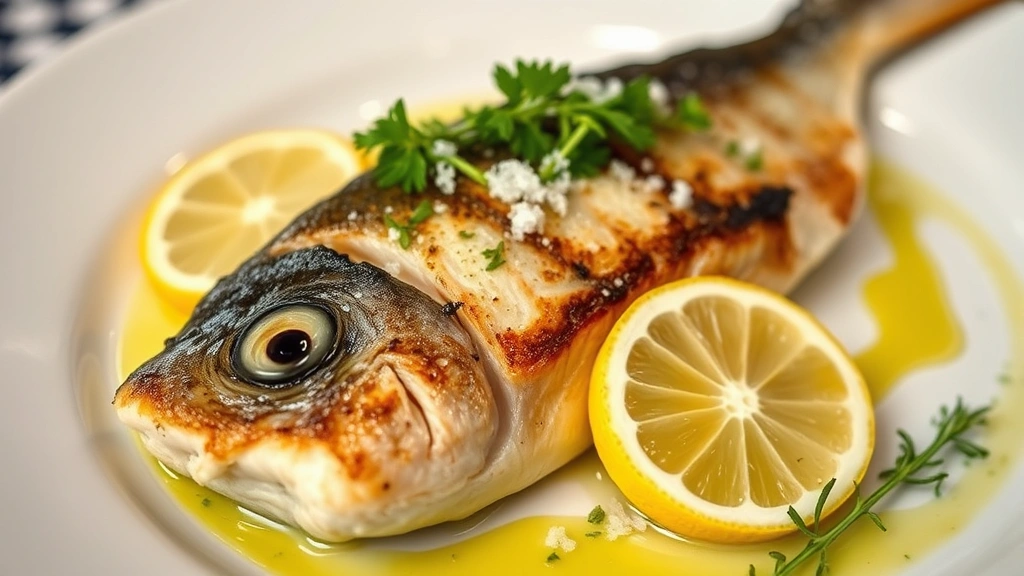
Can Recasens in Barceloneta operates as a traditional fisherman’s restaurant where the daily menu depends entirely on what boats delivered that morning. This approach requires absolute trust in the kitchen’s judgment and the suppliers’ integrity. The result is seafood so fresh it seems to retain the ocean’s essence—a branzino grilled whole emerges with skin crackling like parchment, flesh so tender it separates from bones with gentle fork pressure, seasoned only with salt and lemon to preserve its pristine character.
Els Pescadors represents the sophisticated evolution of seafood dining. Their kitchen handles delicate fish preparations with surgical precision, understanding that true excellence means knowing when to restrain rather than embellish. Their suquet de peix (traditional Catalan fish stew) achieves that rare quality where every element—the broth, the fish, the potatoes—tastes individually excellent yet creates something greater in combination.
For raw seafood presentations, Vivanda offers exceptional ceviche and crudo preparations that reveal the Mediterranean’s pristine character. The kitchen sources fish daily from trusted suppliers, understanding that raw preparations demand absolute ingredient integrity. Their tuna crudo arrives sliced thin enough to read through, dressed with nothing but olive oil, lemon, and the faintest whisper of salt—allowing the fish’s clean, mineral character to dominate.
Modern Catalan Innovation
Contemporary Catalan chefs are rewriting their regional cuisine’s narrative while honoring ancestral foundations. These restaurants prove that tradition and innovation need not conflict—instead, they can amplify each other when pursued with genuine understanding.
Cinc Sentits represents this balanced approach magnificently. Chef Jordi Artal’s menu reads as a love letter to Catalonia’s ingredients, techniques, and flavor memories, all filtered through a distinctly modern sensibility. A single dish might feature traditional components arranged with contemporary plating philosophy, or classical technique applied to unexpected ingredient combinations. The effect feels both familiar and revelatory.
Cal Pep in Barcelona (distinct from its Valencia sibling) maintains casual counter seating where you watch the kitchen’s controlled chaos unfold. The energy here pulses with genuine hospitality—the kitchen staff genuinely seems delighted to prepare food for you. Their fish preparations demonstrate remarkable technique executed with apparent ease, suggesting years of practice distilled into muscle memory.
Visit Gresca for Oriol Castro’s playful explorations of ingredient potential. This kitchen approaches cooking as creative problem-solving, asking not just “how do we prepare this ingredient?” but “what can this ingredient become?” The results prove consistently surprising without sacrificing coherence or deliciousness.
Neighborhood Gems Worth Discovering
Beyond the central tourist corridors, Barcelona’s neighborhoods harbor remarkable restaurants where locals eat, where prices remain reasonable, and where culinary passion manifests through consistency rather than publicity.
In Gràcia, La Pepita operates as a modern tapas bar where the kitchen clearly loves its work. The energy here feels celebratory—plates arrive quickly, portions encourage sharing and exploration, flavors arrive bold and well-defined. Their jamón croquetas achieve that perfect textural contrast, their patatas bravas balance spice with creamy sauce, their jamón ibérico selections represent Spain’s finest producers.
Explore Botafumeiro in Eixample for Galician seafood preparations that rival anything found in Santiago de Compostela. The restaurant maintains relatively formal service while preserving genuine warmth. Their pulpo à feira (Galician octopus) arrives tender enough to cut with a fork, dressed with nothing but paprika-infused oil and salt—allowing the octopus’s delicate flavor to emerge unobstructed.
For Montjuïc dining with views, Quimet & Quimet offers montaditos (open-faced sandwiches) that achieve remarkable complexity through thoughtful ingredient combinations. The kitchen here practices flavor architecture—understanding how each element contributes to an overall composition that tastes greater than the sum of its parts.
In the Raval neighborhood, Bodega Montferry maintains its commitment to refined casual dining, where Barcelona’s culinary future seems to be written. The kitchen sources aggressively, understanding that excellent ingredients require minimal intervention to shine.
Unique Dining Experiences
Beyond traditional restaurant formats, Barcelona offers distinctive dining experiences that deserve exploration. These venues approach eating as total sensory immersion rather than mere sustenance.
Disfrutar (meaning “enjoy” in Spanish) represents chef Albert Adrià’s more conceptual venture compared to Tickets. This restaurant practices culinary theater—each course arrives as an experience rather than simply a plate of food. The kitchen employs every tool available—temperature, texture, aroma, visual presentation, even interactive elements—to create memorable moments that linger long after the meal concludes.
For wine-focused dining, Monvínic combines an extensive wine collection with thoughtfully prepared small plates designed specifically for wine pairing. The restaurant’s philosophy recognizes that wine deserves food that respects and complements rather than overwhelms. Their cheese selections, cured meats, and prepared dishes all receive this consideration.
Consider Garage Beer Co. for casual dining where craft beer replaces wine as the pairing focus. This venue proves that beer-focused restaurants can maintain serious culinary ambitions. Their menu evolves seasonally, with each dish considered for its dialogue with available beer selections.
For a more intimate experience, book Caelis or request the chef’s counter at Tickets—positions that grant extraordinary access to the kitchen’s work. Watching professionals execute their craft with precision and passion transforms eating into education, creating memories that transcend typical restaurant visits.
FAQ
What’s the best time to visit Barcelona restaurants?
Spanish dining culture operates on different schedules than most northern European countries. Lunch typically runs 1-3 PM, while dinner service begins around 8 PM and peaks after 9 PM. Arriving at 7 PM often means empty tables and a rushed service experience. For restaurant timing insights, consider local patterns. Many establishments close between services (3-7 PM) and on Sundays or Mondays. Booking ahead for any restaurant beyond casual tapas bars ensures tables, particularly during summer months.
Should I book restaurants in advance?
Absolutely, particularly for Michelin-starred establishments and popular dinner spots. Most Barcelona restaurants accept reservations through their websites or platforms like TheFork (LaFourchette), which often provides discounts. For casual tapas bars, arriving early (before 9 PM) or during lunch hours increases seating availability without reservations.
What’s appropriate attire for Barcelona restaurants?
Most Barcelona restaurants embrace casual elegance rather than strict formality. Even Michelin-starred establishments welcome well-dressed casual clothing. Avoid athletic wear or beach attire. Smart casual—clean jeans paired with a nice shirt—works for nearly everywhere. Only the most formal establishments require jackets; most specify this in their reservation policies.
How do I navigate menus without Spanish language knowledge?
Most restaurants in tourist areas provide English menus. For neighborhood establishments, translation apps work surprisingly well for ingredient identification. Don’t hesitate to ask servers for guidance—they generally enjoy helping diners understand their kitchen’s offerings. For restaurant exploration approaches, embracing some culinary mystery often yields pleasant surprises.
What’s the typical cost range for Barcelona dining?
Casual tapas bars range €10-20 per person for food; fine dining establishments cost €50-150+ per person for tasting menus. Mid-range restaurants typically charge €25-50. Wine pairings add €20-60 depending on the establishment. Many restaurants offer menu del día (menu of the day) lunch specials for €12-18, providing excellent value.
Are Barcelona restaurants accommodating to dietary restrictions?
Yes, most establishments accommodate vegetarian preferences and common allergies when notified in advance. Vegan-friendly restaurant options exist throughout the city, though traditional Catalan cuisine emphasizes seafood and cured meats. Inform restaurants of restrictions when booking to ensure proper preparation.
What’s essential to try in Barcelona restaurants?
Prioritize regional specialties: pa amb tomàquet (bread with tomato), calcots (spring onions, seasonal), esqueixada (shredded salt cod salad), suquet de peix (fish stew), gambas al ajillo (garlic shrimp), jamón ibérico, and crema Catalana (similar to crème brûlée). Fresh seafood—prepared simply—represents Barcelona’s culinary essence.
How does Barcelona’s restaurant scene compare internationally?
According to The World’s 50 Best Restaurants, Barcelona consistently ranks among Europe’s top dining destinations. The city’s combination of Michelin-starred excellence and exceptional casual dining creates a uniquely balanced culinary ecosystem. For deeper insights into Spanish gastronomy, Academia Baratz offers culinary education exploring these traditions.
What role does wine play in Barcelona dining?
Catalan wine regions—particularly Penedès and Priorat—produce excellent wines that pair beautifully with regional cuisine. Many restaurants feature wine lists emphasizing local producers. Natural wines and orange wines increasingly appear on progressive restaurant menus. Consider exploring wine pairings, as sommeliers genuinely understand how their selections complement kitchen offerings.