Table of Contents
Introduction
Picture this: you sink your fork into a slice of chocolate cake that’s so moist and rich, it practically melts on your tongue. That deep, luxurious cocoa flavor hits just right. Whether you’re celebrating someone special or just treating yourself (because why not?), there’s something magical about the perfect chocolate cake that makes everything better.
Let’s be honest—chocolate cake isn’t just dessert. It’s the star of birthday parties, the comfort we crave after a long week, and the centerpiece that brings people together around the table. But here’s the thing: nailing that perfect balance of moistness and rich flavor? That takes a little know-how. If you’re just starting your baking adventure, checking out some baking recipes for beginners can give you those essential skills that make all the difference. And when you’re short on time but still craving something sweet, no bake dessert recipes can satisfy that chocolate craving without turning on the oven. While we’re talking about expanding your kitchen skills, why not explore other crowd-pleasers like a homemade pizza dough recipe or some simple seafood recipes to keep your cooking exciting?
Now, I know what you’re thinking—chocolate cake isn’t exactly health food. But understanding what goes into your ingredients can actually make the whole experience more satisfying. Learning about a healthy nutrition plan helps you enjoy treats like this mindfully, making every bite count. And speaking of making things count, picking up tips from experienced cooks—like those behind quick breakfast recipes—can inspire you to bring that same care and creativity to everything you make.
The truth is, chocolate cake is about so much more than just taste. It’s about the joy you feel when you’re mixing the batter, the anticipation as it bakes, and that moment when you see someone’s face light up after their first bite. This guide tackles all those little concerns that pop up—like what to do when you’re missing an ingredient, how to get that texture just right, and ways to make the cake uniquely yours.
What You’ll Learn in This Guide
Ready to become a chocolate cake master? Here’s exactly what we’ll cover together:
- Essential Ingredients: Get a detailed list of dry, wet, and frosting ingredients along with tips on selecting high-quality products for the richest flavor and perfect texture.
- Step-by-Step Baking Instructions: Follow clear, easy-to-understand directions from preparing your batter to baking and assembling the cake for professional results.
- Expert Tips and Tricks: Learn practical advice to avoid common baking mistakes, maintain moisture, and perfect your frosting technique to impress every time.
- Creative Variations and Storage: Discover ways to customize your chocolate cake with unique add-ins and learn how to store your cake to keep it fresh and delicious.
As we dive in, you’ll discover that baking this cake is just as rewarding as eating it. (And if you catch the baking bug, those baking recipes for beginners will keep you busy for weeks.)
When you master this recipe, you’re not just learning to bake—you’re joining a community of people who understand that the best moments often happen around good food. We’ll walk through every detail together, so your cake turns out beautifully every single time, whether it’s for a special celebration or just because Tuesday needs a little sweetness.
So, are you ready to create something absolutely delicious? Let’s roll up our sleeves and dive into this chocolatey adventure. Trust me, the techniques you’ll learn here will have you baking cakes that are impossibly moist, incredibly flavorful, and guaranteed to disappear fast.
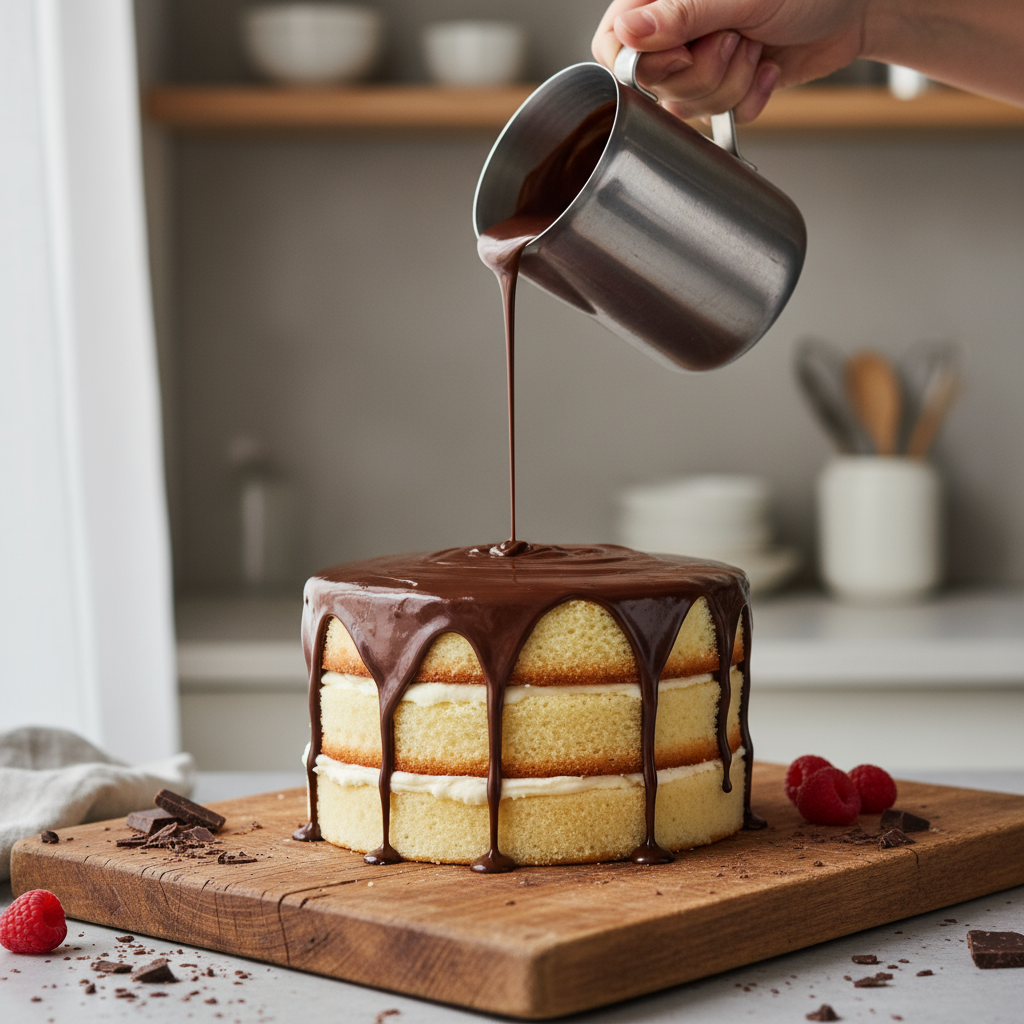
Alright, let’s get into the good stuff. You’ve got the basics down, but now we’re going to talk about what actually makes a chocolate cake unforgettable. And trust me—there’s a world of difference between a decent cake and one that makes people close their eyes and sigh with pure happiness. The secret? It’s all in understanding your ingredients and nailing the technique. Once you know why each component matters (and how they work together), you’ll have the confidence to tweak things exactly how you like them. We’re covering everything from the foundation ingredients that create that rich, moist texture to the baking tricks that separate the pros from the weekend warriors. Whether you’re just starting out or you’ve been baking for years, these fundamentals will change your game completely.
Essential Ingredients and Their Role in Perfecting Chocolate Cake
Here’s the truth about chocolate cake: your ingredients make or break everything. I’m talking about the difference between a cake that’s just okay and one that people ask for the recipe. Every single component—from your cocoa powder to your eggs—plays a specific role in building flavor and texture. You can’t just throw things together and hope for the best. Start with your dry ingredients like cocoa and flour, then add the moisture heroes like eggs and buttermilk. Getting this balance right? That’s how you control whether your cake is dense and fudgy or light and fluffy. If you’re new to this whole baking thing, check out our guide on baking recipes for beginners—it breaks down exactly how these wet and dry ingredients work their magic.
Now, let’s talk cocoa powder. Not all cocoa is created equal, and this is where things get interesting. Dutch-processed versus natural cocoa? They’re completely different beasts with different acidity levels and flavor profiles. Your choice here literally changes the taste of your entire cake. Then there’s buttermilk—this isn’t just about adding moisture (though it definitely does that). When buttermilk meets your baking soda, chemistry happens. We’re talking about a reaction that makes your cake rise and creates that tender crumb everyone loves. Sugar does more than sweeten; it’s working behind the scenes to create structure. And the frosting? Look, anyone can slap some icing on a cake, but creating that perfect creamy texture with just the right balance of butter, powdered sugar, and cocoa—that’s where the magic happens.
Key Aspects of Ingredients in Chocolate Cake
Want to know what separates good bakers from great ones? They understand exactly what each ingredient brings to the party. Here’s what you need to know:
- High-quality cocoa powder selection: Dutch-processed gives you a smoother, less acidic flavor and darker color, while natural cocoa brings more intensity and tang. Your choice here sets the entire flavor foundation, so don’t cheap out on this one.
- Role of wet ingredients in texture: Eggs give structure, buttermilk adds tang and tenderness, and oil keeps everything moist. Too little and you get a dry, crumbly mess. Too much and your cake falls apart. It’s all about finding that sweet spot.
- Leavening agents and cake rise: Baking soda and powder are your lift team—they react with acidic ingredients to create those air pockets that make cake fluffy instead of dense. Measure wrong or mix incorrectly, and your cake won’t rise properly.
- Frosting composition and consistency: Perfect frosting is smooth but stable—creamy enough to spread easily but thick enough to stay put. The ratio of butter to powdered sugar to liquid makes all the difference between professional-looking results and a messy disaster.
Once you’ve got your ingredient game down, it’s time to master the actual baking process. Because even the best ingredients can’t save you from technique mistakes. Let’s dive into the hands-on stuff that turns your carefully chosen ingredients into cake perfection.
Baking Techniques and Tips for a Moist, Flavorful Chocolate Cake
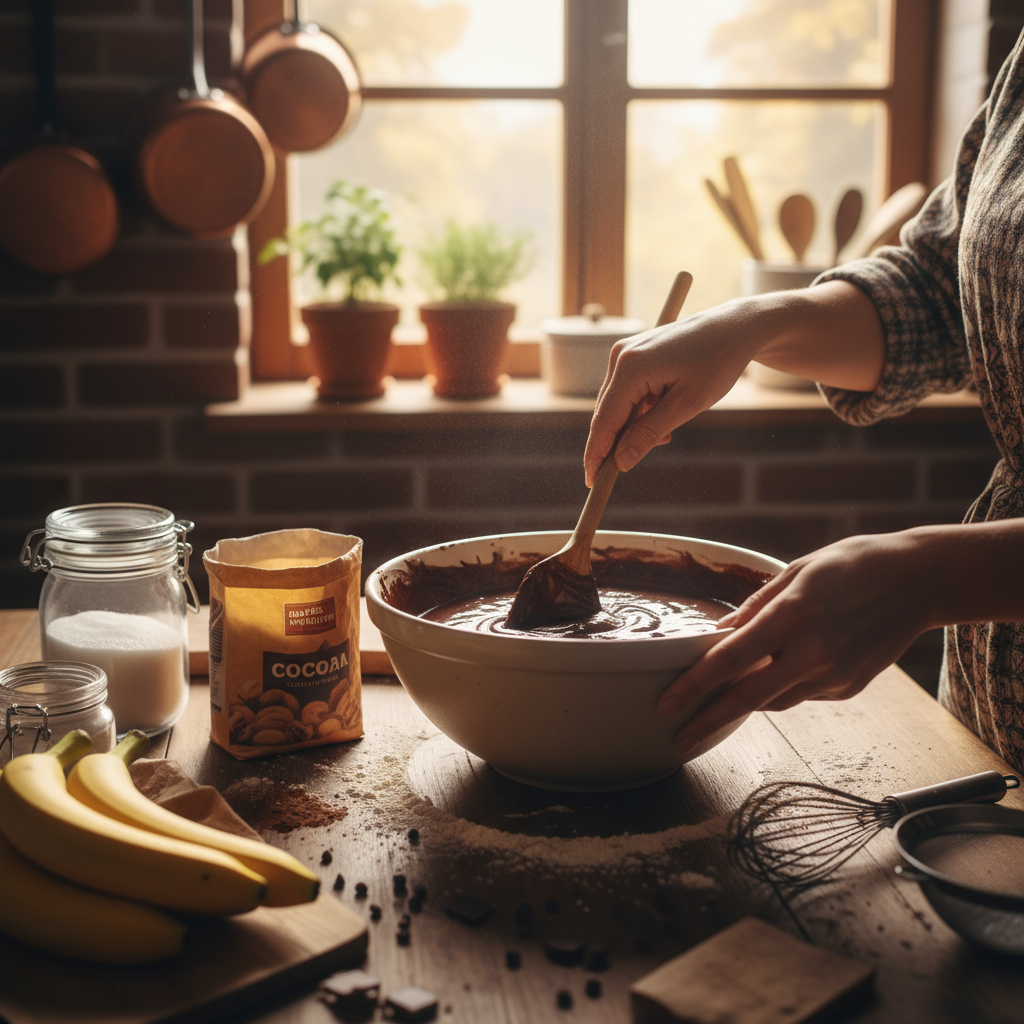
Okay, so you’ve got great ingredients. Now what? This is where technique becomes everything. You can have the most expensive cocoa powder in the world, but if you overmix your batter or bake at the wrong temperature, you’re still ending up with disappointment. The mixing process alone can make or break your cake—too gentle and things don’t combine properly, too aggressive and you’re beating all the air out of your batter. Then there’s oven temperature, which is probably where most home bakers go wrong. (Seriously, invest in an oven thermometer. Your oven is probably lying to you.) Every step from mixing to cooling affects your final result. For step-by-step guidance that actually makes sense, our baking recipes for beginners resource walks you through the whole process without the confusing jargon.
But here’s what really matters: the details most people skip. Properly prepping your pans so nothing sticks. Knowing exactly when your cake is done (hint: the toothpick test isn’t foolproof). Creating frosting that’s the perfect consistency—not too thick, not too runny, just right for spreading and decorating. And if you really want to impress people? Learn how to layer and decorate like you know what you’re doing. A well-assembled cake doesn’t just taste better; it looks like something from a bakery window. Plus, knowing how to store your masterpiece properly means you can actually enjoy it for more than just one day.
Key Aspects of Baking and Decorating
The difference between amateur and professional results often comes down to these technical details that nobody talks about:
- Mixing techniques for optimal batter texture: Gentle folding motions preserve the air bubbles that make your cake light. Mix too hard or too long, and you’ll end up with a tough, dense cake that no amount of frosting can fix.
- Proper oven temperatures and baking times: Preheat fully (yes, it matters), use the right temperature (get that thermometer), and test for doneness properly. A cake that’s underdone in the middle or overdone around the edges is just frustrating.
- Frosting preparation and application: Room temperature ingredients mix better, and applying frosting in thin layers with chilling time between coats gives you that smooth, professional finish. Rush this step and it shows.
- Cake assembly and storage tips: Level your layers, support multi-tier cakes properly, and store at the right temperature. Room temperature for short-term, refrigerated for longer keeping, and yes, you can freeze cake layers for later assembly.

You know what? Baking the perfect chocolate cake isn’t just about following a recipe—it’s about understanding how everything works together. We’ve covered a lot of ground here: choosing the right cocoa powder, getting that balance between wet and dry ingredients just right, and figuring out how leavening agents make your cake rise beautifully. You’ve got the step-by-step process down now, from creating that perfectly moist batter to nailing the baking time and whipping up frosting that’s smooth as silk. And those customization ideas? That’s where the real fun begins—adding a shot of espresso for depth, or throwing in some nuts and berries because, well, why not?
But here’s the thing I love most about baking: it’s so much more than just making dessert. There’s something almost magical about the whole process—your hands working the batter, that incredible smell that takes over your kitchen, and then watching people’s faces light up when they taste what you’ve made. (Trust me, that never gets old.) Baking becomes this wonderful ritual, a way to show you care, and honestly? It’s your chance to put your own spin on things. Every technique we’ve talked about is meant to give you confidence, whether you’re just mixing your first batch or you’re already planning cake number fifty.
Ready to keep building those skills? If you’re still finding your footing in the kitchen, definitely check out our baking recipes for beginners—it’s perfect for getting comfortable with the basics. For those days when you want something sweet but can’t be bothered with the oven, our no bake dessert recipes are absolute lifesavers. And if you’re feeling adventurous, try your hand at our homemade pizza dough recipe—it’s surprisingly similar skills, just different flavors. Of course, with all these delicious treats, keeping a healthy nutrition plan in mind helps you enjoy everything in balance.
So there you have it—everything you need to make chocolate cake that’ll have people asking for your secret. Remember, baking is supposed to be fun. Sure, you might mess up a batch or two (we all have), but that’s how you learn. Each cake teaches you something new. Don’t be afraid to experiment, celebrate your wins, and most importantly, enjoy every single bite. Your baking journey is just getting started, and honestly? The best is yet to come.
Frequently Asked Questions
-
Can I use regular milk instead of buttermilk?
- Yes, you can substitute regular milk by adding a little vinegar or lemon juice to create a buttermilk-like acidity which helps with the cake’s texture and rise.
-
How do I make the cake more moist?
- Incorporate vegetable oil instead of butter and avoid overbaking by monitoring the cake closely near the end of baking. These steps help retain moisture and tenderness.
-
Can I freeze the baked cake?
- Yes, wrap the cake tightly in plastic wrap and aluminum foil before freezing. Thaw slowly at room temperature before frosting to maintain quality and freshness.
-
What type of cocoa powder is best?
- Dutch-processed cocoa powder offers a smoother, less acidic flavor, while natural cocoa powder gives a stronger, tangier taste. Your choice affects the cake’s final flavor.
-
How long does the cake last?
- Generally, the chocolate cake stays fresh for 3-4 days when refrigerated and can be frozen for up to 3 months with proper storage.