Table of Contents
Introduction
Picture this: you’re scooping into a bowl of ice cream that’s exactly how you like it. No weird preservatives. No mystery ingredients you can’t pronounce. Just pure, creamy perfection that you made with your own hands. That’s the magic of homemade ice cream—and trust me, once you try it, there’s no going back to the store-bought stuff.
Here’s what might surprise you: making ice cream at home isn’t some complicated science experiment. You don’t need fancy equipment or ingredients you’ve never heard of. Cream, milk, sugar, and whatever flavoring makes your heart sing—that’s pretty much it. The best part? You’re in complete control. Want it sweeter? Go for it. Prefer less sugar? You got it. Learning how to make homemade ice cream opens up a whole world of possibilities that’ll make your taste buds (and your family) very, very happy.
Now, here’s where it gets even better. Mastering homemade ice cream is like unlocking a secret cooking superpower. The same skills that help you nail the perfect frozen treat will boost your confidence with everything else in the kitchen. Whether you’re experimenting with paleo dinner recipes or perfecting the best homemade cookie recipes, you’ll start to understand how ingredients work together. And when you pair that knowledge with a solid healthy nutrition plan? You’re setting yourself up for a lifetime of better eating.
But wait—there’s more to love here. (I know, I sound like an infomercial, but stick with me.) When you make ice cream at home, you can pack it with good-for-you ingredients. Think antioxidant-rich berries, nutrient-dense additions that actually boost your health while satisfying your sweet tooth. Learning about foods rich in antioxidants and powerhouse ingredients like kale (yes, even in desserts—check out these nutrition facts) can turn your frozen treats into functional food. And while we’re talking about elevating your cooking game, mastering basics like how to make homemade sauces will take all your dishes to the next level.
What You’ll Learn in This Guide
Ready to dive in? We’re going to cover everything you need to know to become an ice cream making champion. By the time we’re done, you’ll have the confidence and know-how to create frozen desserts that are perfectly tailored to your taste.
- Essential Ingredients: We’ll break down exactly what goes into that creamy, dreamy base—including the best dairy options and natural sweeteners that actually work.
- Types of Ice Cream: From rich custard-based styles to lighter Philadelphia versions and dairy-free alternatives, you’ll discover which type speaks to your soul (and dietary needs).
- Step-By-Step Process: Clear, foolproof instructions that walk you through prep, churning, and freezing—plus insider tips to avoid the rookie mistakes that can mess up your batch.
- Customization and Mix-ins: This is where the fun really starts. Learn when and how to add your favorite mix-ins so they actually stay put instead of sinking to the bottom.
As we go deeper, I’ll share the troubleshooting secrets that’ll save you when things go sideways. Ice crystals making your creation crunchy instead of creamy? We’ll fix that. Texture more like ice than ice cream? I’ve got you covered. Every batch will turn out beautifully once you know these insider tricks.
We’ll explore recipes for every skill level and dietary preference—including options for our vegan and gluten-free friends who deserve amazing ice cream too. And if you’re thinking bigger picture about nutrition and meal planning, resources like a healthy nutrition plan and understanding antioxidant-rich foods will give you the foundation to make your kitchen experiments both delicious and nourishing.
At the end of the day, this isn’t just about dessert. It’s about taking control of what you eat, having fun in the kitchen, and creating those sweet moments that bring people together. So grab your spoon, embrace the adventure, and get ready to fall head-over-heels for homemade ice cream. Your future self (and everyone who gets to taste your creations) will thank you.
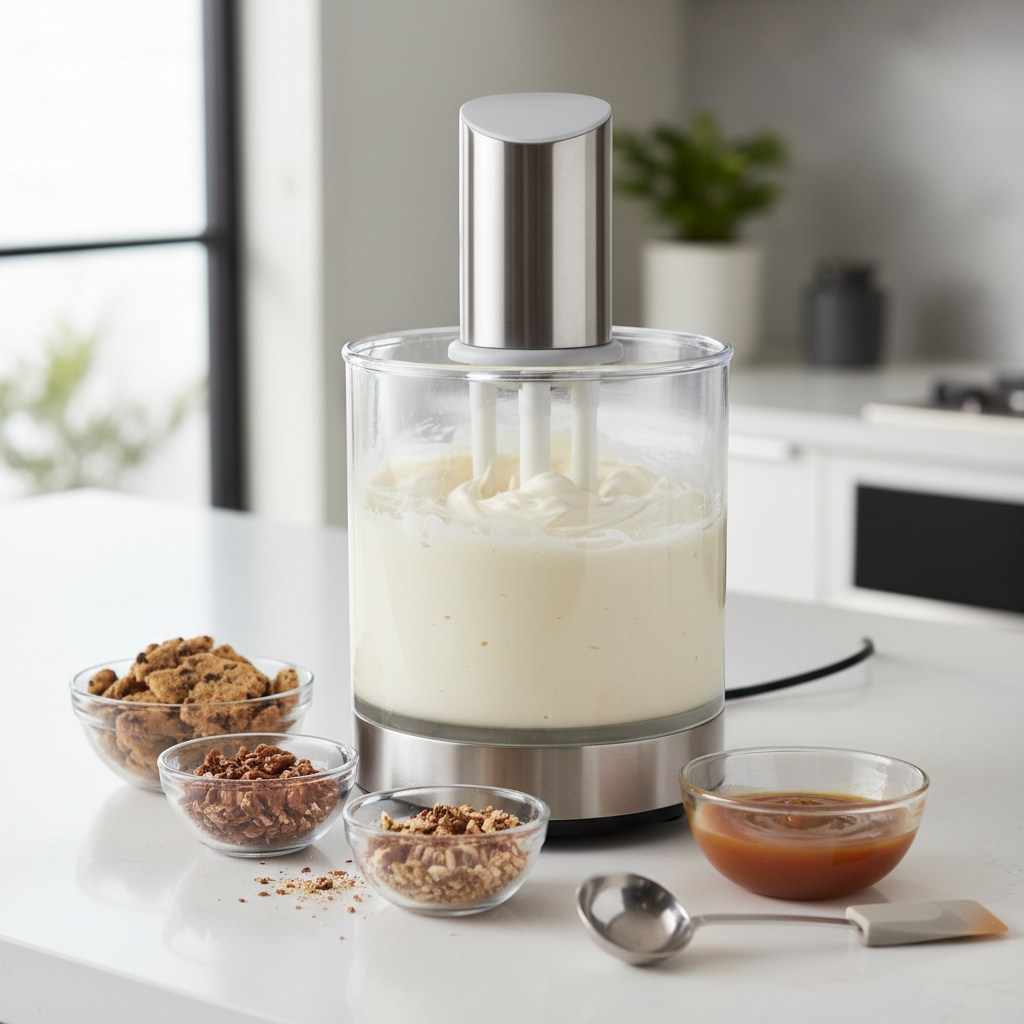
There’s something magical about making ice cream at home. Maybe it’s the way your kitchen fills with the sweet aroma of vanilla and cream, or how everyone gathers around when you fire up the ice cream maker. Whatever it is, homemade ice cream beats store-bought every single time. You get to control every ingredient, tweak flavors to your heart’s content, and create something that’s uniquely yours. Whether you’re just starting out with simple vanilla (nothing wrong with that!) or you’re ready to tackle dairy-free creations that’ll impress your vegan friends, getting the basics down will change your dessert game forever.
Essential Ingredients and Styles of Homemade Ice Cream
Let’s talk about what makes ice cream, well, ice cream. The magic starts with milk and cream—your creamy foundation that gives you that smooth, luxurious texture we all crave. Sugar does more than just sweeten things up; it actually helps keep your ice cream from turning into a brick in the freezer. And those egg yolks? They’re like tiny emulsification wizards, creating that rich custard base that makes premium ice cream so irresistible. Then comes the fun part—flavorings. Vanilla extract, melted chocolate, fresh strawberry puree, or that leftover coffee from this morning. The world is your oyster (though please don’t put oysters in your ice cream). Want to get really creative? Throw in some chocolate chips, crushed cookies, or a swirl of salted caramel. Trust me, there’s no wrong way to customize your creation. For more hands-on guidance and recipe ideas, checking out detailed guides on how to make homemade ice cream can give you the confidence boost you need to start experimenting.
Now, let’s break down the main styles you’ll encounter. Custard-based ice cream is the fancy cousin—it uses egg yolks and requires you to carefully cook the base without scrambling those eggs (been there, done that, learned the hard way). The payoff? Incredibly rich, restaurant-quality ice cream that’ll make you wonder why you ever bought the stuff in tubs. Philadelphia-style skips the eggs entirely, making it perfect for when you want great ice cream without the fuss. It’s lighter, quicker, and honestly? Sometimes simple is better. And if you’re avoiding dairy, don’t worry—you’re not stuck with sad, icy substitutes anymore. Coconut milk, almond milk, and other plant-based alternatives create surprisingly creamy results with their own unique flavors. These dairy-free versions have come so far that even the most devoted dairy lovers are taking notice. For inspiration beyond ice cream, exploring creative approaches in healthy salad dressing recipes might spark ideas for unexpected flavor combinations in your frozen treats.
Key Aspects of Ingredients and Styles
Here’s what you need to know about making each ingredient work for you:
- Milk and Cream: Your creamy base that determines texture. More cream equals richer ice cream, but you can adjust the ratio based on what you’re going for—light and refreshing or decadently indulgent.
- Sugar: Does double duty as sweetener and texture improver. Different sugars (brown, honey, maple syrup) add their own personality to the final product, so don’t be afraid to experiment.
- Egg Yolks (Custard Base): The secret to that silky, premium texture. Yes, tempering eggs takes practice, but once you nail it, you’ll taste the difference immediately.
- Flavorings and Mix-ins: Where your creativity shines. From classic vanilla to wild experiments with herbs or spices—this is your chance to make something nobody else has tried before.
Each style has its place in your ice cream repertoire. Custard-based when you want to impress (or treat yourself). Philadelphia-style for those weeknight cravings. Dairy-free when you want to include everyone at the table. Once you understand these fundamentals, you’ll start seeing ice cream possibilities everywhere—that leftover birthday cake, the herbs growing in your garden, even that fancy salt you’ve been hoarding. The beauty of homemade ice cream is that every batch teaches you something new.
Equipment, Techniques, and Tips for Creamy Results
Here’s where the rubber meets the road (or where the dasher meets the cream, if we’re being literal). Your equipment choices can make or break your ice cream dreams. Electric ice cream makers are the workhorses—they churn consistently and let you walk away instead of standing there cranking for twenty minutes. Manual machines have their charm (and give you a good arm workout), but let’s be honest, most of us prefer the set-it-and-forget-it approach. Beyond the maker itself, you’ll want good mixing bowls, a reliable thermometer (trust me on this one), and proper storage containers that won’t let freezer burn ruin your masterpiece. Don’t forget those humble spatulas—you’ll need them for folding in mix-ins and scraping every last bit of ice cream from the maker. For comprehensive equipment recommendations and foolproof techniques, resources detailing how to make homemade ice cream can walk you through the entire process step by step.
The actual process is where patience pays off big time. That ice cream base needs to be properly chilled—we’re talking hours in the fridge, not minutes. I know it’s tempting to rush this step, but warm base equals icy, chunky disappointment. When you’re ready to churn, timing is everything. Too little and you get soup. Too much and you get butter (yes, that actually happens). The sweet spot gives you that perfect creamy texture with just enough air incorporated to make it scoopable. Adding mix-ins is an art form too—wait until the very end of churning, then gently fold them in. This keeps your chocolate chips from turning into chocolate dust and your cookie pieces intact. Once it’s churned, get it into the freezer quickly in an airtight container. Pro tip: press plastic wrap directly onto the surface before closing the lid—it prevents those dreaded ice crystals from forming.
Key Techniques for Ice Cream Making
Master these steps and you’ll be churning out perfect batches every time:
- Proper Base Preparation and Cooling: Mix everything smoothly (no lumps allowed!) and chill completely before churning. This step makes the difference between creamy perfection and icy disappointment.
- Optimal Churning: Find that sweet spot where you’re incorporating air without overdoing it. Most home machines need 20-25 minutes, but trust your eyes and taste buds over the timer.
- Careful Mix-In Integration: Add nuts, chocolate chips, or fruit pieces during the last few minutes of churning. This keeps everything evenly distributed without destroying your smooth base.
- Freezing and Storage: Airtight containers are non-negotiable. Press plastic wrap on the surface, seal it tight, and try to maintain steady freezer temps to keep that perfect texture.
With these techniques down pat, your homemade ice cream will rival anything you can buy in stores—probably better, actually, because it’s made with love and exactly the flavors you want. The learning curve isn’t steep, but the rewards are incredible. And once you’ve mastered ice cream, you might find yourself exploring other homemade treats like best homemade pasta recipes that bring that same satisfaction of creating something amazing from scratch right in your own kitchen.

There’s something magical about making ice cream from scratch. Maybe it’s the way you get to control every single ingredient—the rich cream, your favorite sweeteners, those golden egg yolks that transform everything into silky custard. We’ve covered all the essentials in this guide, from those decadent custard-based recipes to the lighter Philadelphia-style versions that skip the eggs entirely. And let’s not forget our dairy-free friends—coconut milk and almond milk can create some seriously impressive frozen treats that’ll fool anyone.
But here’s what really makes the difference: knowing your equipment and nailing the technique. Whether you’re going old-school with manual churning (respect!) or letting an electric machine do the heavy lifting, the secret is in the details. Chill that base properly. Time your churning just right. Freeze it correctly. Get these steps down, and you’ll be scooping ice cream that puts the fancy store brands to shame. Trust me, once you master the troubleshooting tricks—no more icy crystals or weird textures—you’ll be experimenting with wild flavor combinations like a pro.
Look, when you make ice cream at home, you’re not just making dessert. You’re crafting something that’s entirely yours. Every scoop reflects your taste, your creativity, your care. Want it a little sweeter? Go for it. Craving something completely unique? Mix in whatever makes you happy. Your kitchen becomes this amazing playground where flavor meets science, and every batch teaches you something new.
Ready to dive deeper? I’d recommend checking out this fantastic guide on how to make homemade ice cream—it walks you through everything from the absolute basics to some pretty advanced techniques. While you’re at it, why not explore some delicious paleo dinner recipes or try your hand at the best homemade cookie recipes to round out your homemade repertoire. And if you’re thinking about the bigger picture of eating well, this healthy nutrition plan offers some solid insights on balanced eating that’ll support all your culinary adventures.
Here’s the thing about homemade ice cream—every single batch is a chance to get better, to try something new, to create memories. You’ve got all the knowledge you need now, from understanding ingredients to mastering those tricky troubleshooting moments. So grab your favorite spoon, let your imagination run wild with flavors, and start creating frozen masterpieces that are uniquely yours. The ice cream world is waiting for you to explore it, one delicious scoop at a time.
Frequently Asked Questions
-
Can I make ice cream without an ice cream maker?
- Yes, you can make ice cream without a machine using no-churn recipes that rely on freezing and periodic stirring to achieve creamy results.
-
How do I prevent ice crystals in my ice cream?
- Thoroughly chill the ice cream base before churning and ensure proper churning time to keep the texture smooth and avoid icy crystals.
-
What is the difference between custard-based and Philadelphia-style ice cream?
- Custard-based ice cream uses egg yolks for richness and requires slow cooking and churning; Philadelphia-style skips eggs for a lighter, quicker preparation.
-
Can I use dairy-free milk for homemade ice cream?
- Absolutely! Plant-based milks like coconut or almond milk can be used to create delicious vegan and dairy-free ice cream options.
-
How long does homemade ice cream last in the freezer?
- For best quality, consume homemade ice cream within 1 to 2 weeks and store it in airtight containers to maintain flavor and texture.