Table of Contents
Introduction
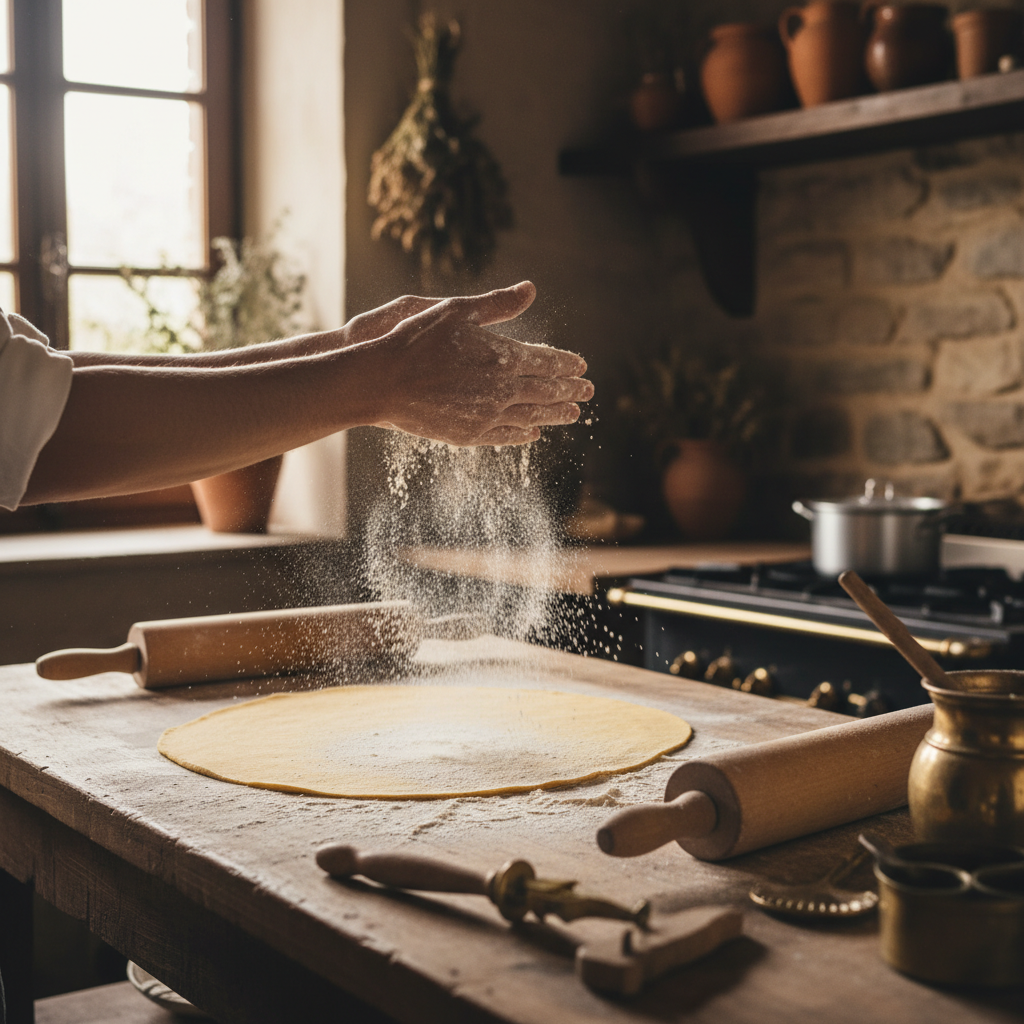
There’s something magical about making pasta from scratch. Really, truly magical. Picture this: you’re standing in your kitchen, flour dusting your hands, watching simple ingredients transform into silky ribbons of dough. The smell? Incredible. The satisfaction? Off the charts. Whether you’ve never touched pasta dough before or you’re already comfortable in the kitchen, homemade pasta will change how you think about dinner forever.
Here’s what I love most about fresh pasta—it turns any meal into an event. You know that moment when you taste something so good it stops conversation? That’s what we’re talking about. Store-bought pasta is fine (we’ve all been there), but homemade? It’s in a completely different league. The texture is tender yet substantial, the flavor is clean and rich, and you get to control every single ingredient that goes into it. If you’re just starting out, I’d recommend checking out this guide on how to make homemade pasta—it’ll give you the confidence to dive right in.
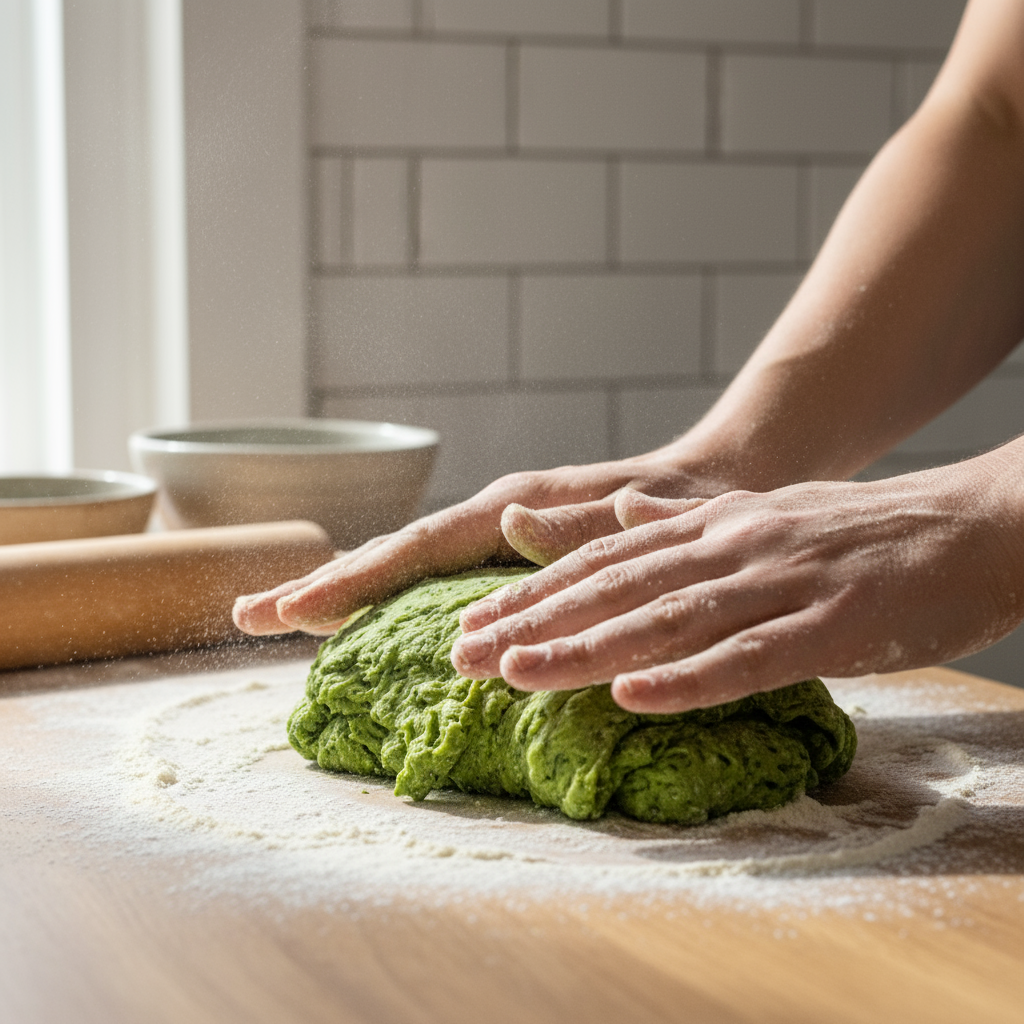
Once you’ve got the basics down, the world opens up. Want to make green pasta with spinach? Go for it. Prefer whole wheat? Easy. Need gluten-free options? Totally doable. You can customize everything to fit your dietary needs and taste preferences. And here’s a pro tip: while you’re mastering pasta, you’ll also want to nail your sauce game. Learning homemade sauces is like having the perfect dance partner for your pasta—they make each other shine.
Now, let’s talk tools. You don’t need to break the bank here. A rolling pin and a good mixing bowl will get you started, but if you catch the pasta bug (and trust me, you will), a pasta machine makes life so much easier. Some people go all out with drying racks and special cutters—totally worth it if you’re planning to make this a regular thing. And while we’re on the topic of dough, exploring recipes like homemade pizza dough or diving into bread making will actually make you a better pasta maker. It’s all connected—the techniques you learn with one dough type absolutely carry over to others.
What You’ll Learn in This Guide
We’re going to walk through everything you need to know to become confident with homemade pasta. No intimidating chef-speak here—just clear, practical advice that actually works in real kitchens.
- Essential Ingredients: We’ll break down the key players—different flour types, eggs, and those fun flavor add-ins that make pasta exciting. You’ll understand exactly how each ingredient affects your final result.
- Tools and Equipment: From the absolute must-haves to the nice-to-have gadgets that make pasta making even more enjoyable. No need to spend a fortune, but knowing what helps is key.
- Recipe Variations: Classic egg pasta, vibrant spinach versions, gluten-free alternatives—we’ll cover the recipes that actually work, with troubleshooting tips for when things don’t go as planned.
- Cooking and Storing Tips: Fresh pasta cooks differently than dried, and storing it properly means you can enjoy your creations later without any quality loss. These details matter.
By the time you finish this guide, you’ll have the knowledge and confidence to make pasta whenever the mood strikes. We’ll cover the common mistakes (because everyone makes them) and how to avoid them. Plus, if you’re interested in expanding your baking skills, resources like easy homemade bread recipes complement your pasta journey beautifully—similar techniques, different delicious results.
Here’s what’s coming up: ingredient selection that actually makes a difference, mixing and kneading techniques that work (no matter your kitchen setup), rolling and shaping methods that give you professional-looking results, tried-and-true recipes, and finally, how to cook and serve your pasta so it tastes as amazing as it looks. This isn’t just about following instructions—it’s about understanding the why behind each step so you can troubleshoot, adapt, and eventually create your own variations.
Ready to turn your kitchen into a pasta paradise? With just a few simple ingredients and some hands-on practice, you’re about to discover why so many people become completely obsessed with making fresh pasta. It’s not just food—it’s therapy, creativity, and pure joy all rolled into one delicious package. Let’s make some magic happen!
There’s something magical about making pasta from scratch. Maybe it’s the way the flour transforms into silky dough under your hands, or how that first bite of fresh noodles makes store-bought pasta seem like cardboard. Whatever it is, homemade pasta has this incredible ability to turn an ordinary Tuesday into something special.
But here’s the thing—great pasta isn’t just about throwing some flour and eggs together and hoping for the best. It’s about understanding how ingredients work together, mastering a few key techniques, and (honestly) being patient with yourself as you learn. Don’t worry though. We’re going to walk through everything you need to know, from picking the right flour to getting that perfect al dente bite every single time.
Whether you’re looking to impress someone special or just want to level up your cooking game, this guide will give you the confidence to create restaurant-quality pasta in your own kitchen. Ready to get your hands a little floury?
Essential Ingredients and Techniques for Perfect Pasta Dough
Let’s start with the basics. Good pasta dough is surprisingly simple—just flour, eggs, water, and a pinch of salt. But (and this is a big but) the quality of these ingredients and how you handle them makes all the difference between pasta that’s just okay and pasta that makes people close their eyes and sigh with happiness.
First up: flour. You’ve got options here, and each one brings something different to the table. Semolina flour gives you that slightly toothy texture that’s perfect for hearty shapes like rigatoni. 00 flour? That’s your secret weapon for silky, delicate pasta sheets that practically melt in your mouth. All-purpose flour works too—it’s more forgiving and easier to find, though you might need to baby it a bit more during the kneading process.
Fresh eggs are game-changers. They don’t just bind everything together; they add richness, that gorgeous golden color, and make your dough much more workable. And if you’re feeling adventurous? Try adding spinach puree for vibrant green pasta, or fresh herbs for subtle flavor that’ll surprise your guests.
Now comes the fun part (or the arm workout, depending on how you look at it): kneading. This isn’t just about mixing—you’re developing those gluten strands that give pasta its structure and that satisfying chew. Use the heels of your hands, fold the dough over itself, and keep going until it’s smooth and elastic. Trust me, your future self will thank you when you’re rolling out dough that doesn’t fight back.
Here’s something most people skip: the rest. After all that kneading, your dough needs a timeout. Wrap it up and let it relax for at least 30 minutes. This step is crucial—it’s like letting the dough decompress so it won’t snap back when you’re trying to roll it out. Think of it as the difference between stretching a rubber band immediately versus letting it warm up first.
Getting the hydration right is part science, part intuition. Different flours absorb water differently, and even humidity in your kitchen can affect things. Start with less liquid than you think you need—you can always add more, but you can’t take it back. For detailed techniques on working with different flours and perfecting your kneading game, check out these helpful baking basics that cover fundamental dough skills.
Key Aspects of Ingredients and Dough Preparation
Want to nail your pasta dough every time? Focus on these game-changing details:
- Choosing the Right Flour: Semolina flour adds a slightly gritty texture ideal for hearty pasta, while 00 flour produces silky, tender sheets perfect for delicate shapes. Using all-purpose flour is a versatile option but may require extra attention to hydration and kneading.
- Using Fresh Eggs: Fresh eggs improve the dough’s color, texture, and rich flavor. They act as a natural binder and provide moisture, so balancing egg quantity with flour is critical for dough elasticity.
- Kneading Technique: Developing gluten is done through consistent kneading—using the heels of your hands to fold and press the dough until smooth and elastic sets the foundation for a supple and strong dough.
- Resting Time: Allowing dough to rest for at least 30 minutes after kneading relaxes gluten strands, facilitating easier rolling and shaping without shrinking or tearing the dough.
Once you’ve mastered the dough, you’re halfway home. But now comes the really exciting part—turning that ball of potential into actual pasta.
Shaping, Cooking, and Serving Homemade Pasta
Okay, so you’ve got this beautiful dough sitting there, and you’re probably thinking, “Now what?” This is where the magic really happens. Rolling and shaping pasta is like meditation—once you get into the rhythm, it’s incredibly satisfying.
If you have a pasta machine, you’re in for a treat. These little workhorses make getting consistent thickness so much easier, and trust me, even thickness means even cooking. No more bites that are perfect next to bites that are still chewy. Start thick and work your way down gradually—rushing this step is like trying to sprint a marathon.
Don’t have a machine? No worries. A good rolling pin and some elbow grease will get you there. Just remember: patience is your friend. Roll from the center outward, turning the dough frequently to keep it even.
Here’s something that trips up a lot of people: drying. You want your freshly cut pasta to dry just enough that the pieces don’t stick together, but not so much that they become brittle. Pasta racks are great, but clean kitchen towels work perfectly too. Just give the pieces some space to breathe.
Now for the moment of truth: cooking. Fresh pasta is nothing like the dried stuff from the box. We’re talking 1-3 minutes in well-salted, rapidly boiling water. Blink and you might miss it. Taste-test early and often—fresh pasta goes from perfect to mushy faster than you’d expect.
And here’s where you get to be creative: the sauce. Rich, creamy sauces love thick noodles like fettuccine—they can handle the weight. Delicate shapes prefer lighter touches—maybe just olive oil, garlic, and fresh herbs. The goal is balance, not a sauce that overwhelms your beautiful handmade pasta. For inspiration on flavors that pair beautifully with fresh pasta, these easy seafood recipes offer some fantastic ideas that’ll make your pasta sing.
Key Aspects of Pasta Shaping and Serving
Ready to turn your dough into dinner? Keep these tips in your back pocket:
- Use of Pasta Machines or Tools: Pasta machines streamline rolling dough to consistent thickness and facilitate cutting uniform strips or shapes, crucial for balanced cooking and professional-quality texture.
- Perfecting Drying and Storage: Drying pasta on racks or lightly floured towels prevents sticking and preserves shape prior to cooking or freezing for later use, maintaining freshness and optimal texture.
- Timing Pasta Cooking: Fresh pasta cooks very fast—usually 1 to 3 minutes. Salting water adequately enhances flavor within the short cooking window while preventing sogginess.
- Pairing Sauces and Garnishes: Tailor sauces to the pasta shape and flavor. Rich, creamy sauces pair well with thicker noodles, while lighter tomato-based sauces complement thinner or stuffed varieties.

So here we are—you’ve just learned how to make pasta from scratch, and honestly? That’s pretty amazing. Think about it: flour, eggs, a little water, and some elbow grease transform into something that’ll make your kitchen smell incredible and your dinner guests think you’re some kind of culinary wizard. The secret isn’t magic, though. It’s understanding how those simple ingredients work together—choosing the right flour, using fresh eggs that make all the difference, and giving your dough the time it needs to rest. (Trust me, patience pays off here.)
We’ve covered a lot of ground together. Classic egg pasta, vibrant green spinach versions, even gluten-free options for when you need to accommodate different dietary needs. And those cooking tips? They’re game-changers. Whether you’re rolling dough by hand (therapeutic, but arm workout included) or using a pasta machine, each method has its charm. The best part is watching your confidence grow with every batch you make.
Ready to expand your homemade repertoire? Your new dough skills are perfect for branching out. Start with our homemade pizza dough recipe—it’s a natural next step that’ll give you even more confidence working with dough. Want to really round out your kitchen skills? Check out our baking recipes for beginners guide. And when you’re ready to pair your fresh pasta with something special, our simple seafood recipes are perfect for creating restaurant-quality meals at home.
Here’s the thing about making pasta from scratch: it gets easier every single time. Your first batch might not be perfect (mine definitely wasn’t), but that’s part of the fun. Each time you make dough, you’ll notice something new—how it feels, how it responds, what works best in your kitchen. Before you know it, you’ll be the person friends call for dinner party advice. So grab that flour, crack those eggs, and start creating. Your taste buds will thank you.
Frequently Asked Questions
-
Can I make homemade pasta without eggs?
- Yes, there are eggless pasta recipes that use just flour and water, suitable for vegans and those with egg allergies.
-
What flour is best for making pasta?
- Semolina flour and 00 flour are preferred for their texture and elasticity, but all-purpose flour works well and is more forgiving.
-
How long can I store homemade pasta?
- Fresh pasta can be refrigerated for 1 to 2 days. For longer storage, freezing is recommended and can extend freshness for several months.
-
Can I use a food processor to make dough?
- Yes, a food processor can speed up mixing and kneading, but it’s important to allow the dough to rest properly afterward.
-
Is homemade pasta healthier than store-bought?
- Homemade pasta is often fresher and free from preservatives, allowing you to control ingredients and tailor it to your dietary needs.