Top Florence Restaurants: Local Foodie’s Picks
Florence, the Renaissance jewel of Tuscany, isn’t just a museum of art and architecture—it’s a living, breathing testament to Italian culinary mastery. Walking through the cobblestone streets of the Oltrarno district or crossing the Ponte Vecchio, you’ll discover that the city’s gastronomic treasures rival its famous frescoes and sculptures. As a dedicated food writer who has spent countless hours exploring Florence’s dining scene, I can confidently say that the best restaurants in Florence represent generations of family recipes, sustainable sourcing practices, and an unwavering commitment to authentic Tuscan flavors.
The dining landscape here has evolved dramatically over the past decade. While traditional trattorie still serve as the backbone of Florence’s food culture, a new generation of innovative chefs has begun reimagining classic dishes without abandoning their roots. These establishments balance respect for tradition with creative ambition, offering visitors and locals alike experiences that transcend the typical tourist trap restaurant experience. Whether you’re seeking a Michelin-starred tasting menu or a humble neighborhood gem serving hand-rolled pappardelle, Florence delivers with uncompromising excellence.
The Michelin-Starred Sanctuaries
When discussing the top restaurants in Florence, one must begin with the establishments that have earned international recognition through relentless pursuit of culinary perfection. Enoteca Pinchiorri stands as Florence’s most prestigious address, holding three Michelin stars and representing the pinnacle of fine dining in Tuscany. Chef Annie Féolde orchestrates an symphony of flavors that celebrates both Tuscan traditions and innovative techniques. The experience here isn’t merely about consuming food; it’s about understanding the philosophy behind each meticulously plated creation. The wine list, housed in a temperature-controlled cellar containing over 3,000 selections, transforms each course into a dialogue between food and carefully chosen vintages.
Borgo San Jacopo, positioned directly on the Arno River with views of the Ponte Vecchio, commands two Michelin stars and represents a different philosophy—one that emphasizes the marriage of Tuscan ingredients with Mediterranean influences. Chef Massimo Bottura’s protégés have crafted a menu that respects the region’s gastronomic heritage while introducing surprising flavor combinations that delight and challenge the palate. The risotto dishes here achieve an almost transcendent creaminess, achieved through patient stirring and precise timing rather than excessive butter. Each dish arrives as an edible work of art, with plating that rivals the Renaissance masterpieces visible from the dining room windows.
For those seeking Michelin recognition at a slightly less formal atmosphere, Cibrèo offers one star alongside an exceptional reputation for ingredient sourcing and preparation technique. The chef’s obsession with quality manifests in every component of the dish—from the hand-selected vegetables purchased directly from local farmers to the bone broths that simmer for days. Here, simplicity becomes sophistication through the alchemy of exceptional ingredients and masterful technique.
Family-Run Trattorias: Heart of Florence
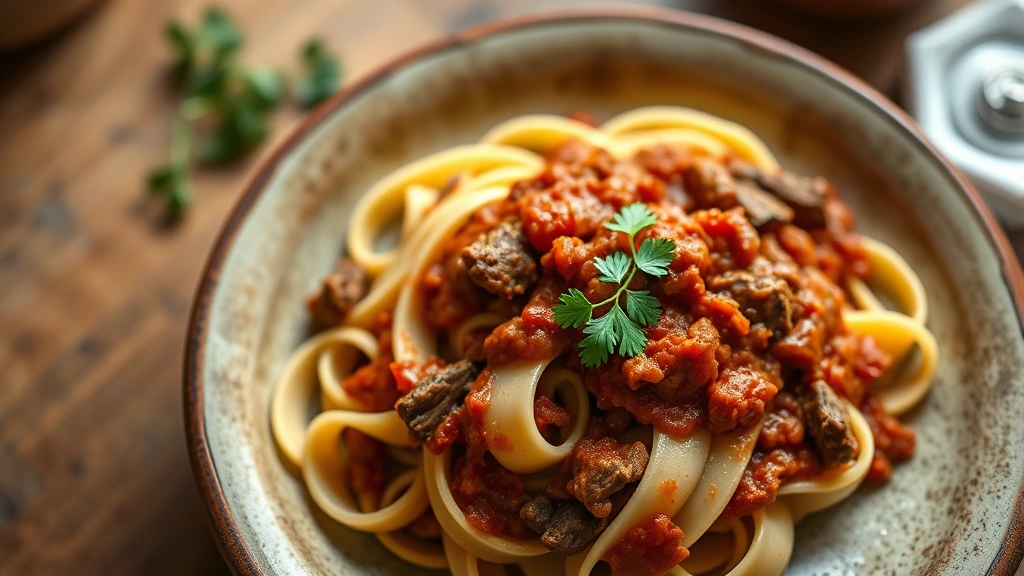
The true soul of Florence’s dining scene resides in family-operated trattorias where recipes have been perfected across generations and where the chef’s grandmother’s techniques still govern the kitchen. These establishments eschew pretension in favor of authenticity, and they’re where locals actually eat. Traditional Tuscan cuisine reaches its most honest expression in places like Trattoria da Burde, a neighborhood institution in the San Frediano area where the pappardelle with wild boar ragù achieves a depth of flavor that transcends the simple combination of egg pasta and slow-cooked meat sauce.
What distinguishes these family operations is their unwavering commitment to seasonal eating and nose-to-tail philosophy. At Bacchanal, you’ll encounter offal preparations that demonstrate the kitchen’s respect for the entire animal—calf liver prepared with sage and white wine, tripe cooked in tomato sauce until achieving perfect tenderness, and bone marrow extracted and spread on grilled bread with sea salt. This isn’t rustic food for the sake of rusticity; it’s the expression of a culture that views waste as disrespectful and flavor as paramount.
The experience of dining at these establishments often includes a degree of chaos that would horrify fine dining establishments—shared tables with strangers who become friends over wine, handwritten menus that change daily based on market availability, and servers who treat you as family rather than customers. This authenticity, this sense of genuinely being welcomed into a Florentine home, creates memories that far outlast the most technically perfect plated dish. When seeking restaurants in Rapid City or other destinations, you’ll notice that the most beloved establishments share this quality of familial warmth.
Contemporary Tuscan Innovation
A fascinating new generation of chefs has emerged in Florence, individuals who trained under renowned masters but who possess the vision and courage to push boundaries. These establishments represent what might be called “progressive Tuscan cuisine”—cooking that honors tradition while refusing to be imprisoned by it. Ora d’Aria, helmed by chef Marco Nencini, presents dishes that deconstruct and reimagine classic Florentine preparations. The ribollita appears not as a rustic soup but as a carefully composed arrangement of precisely cubed bread, beans, and vegetables, with the flavors of the original dish present but expressed through modern plating sensibilities.
These restaurants often feature seasonal tasting menus that showcase the chef’s current obsessions and the finest ingredients available from trusted suppliers. The advantage of tasting menus lies in the chef’s ability to tell a story through progression—beginning with delicate, subtle flavors and building toward richer, more complex preparations, with the final savory courses yielding to palate-cleansing intermezzo and then concluding with desserts that provide closure to the narrative.
The kitchen techniques employed at these establishments often involve modern equipment—immersion circulators for precise temperature control, high-speed blenders for creating ethereal foams and purees, and dehydrators for concentrating flavors and creating textural contrast. Yet these tools serve the cuisine rather than dominating it; they’re instruments through which tradition can be expressed in contemporary language.
Wine and Food Pairing Destinations
Florence’s position in Tuscany’s wine country makes it an exceptional destination for establishments that elevate wine pairing to an art form. Enoteca Fuoriporta combines a focused wine list emphasizing small producers with cuisine designed specifically to showcase these selections. Rather than pairing food to wines, the chef and sommelier collaborate to ensure that each course achieves maximum synergy with its accompanying glass. The acidity of a young Chianti Classico cuts through the richness of a pappardelle with duck ragù, while the tannins in a Brunello di Montalcino provide structure that complements aged pecorino and cured meats.
Understanding wine pairing requires comprehension of how flavor compounds interact. Tannins in wine bind with proteins in food, reducing the perception of bitterness in both. Acidity cuts through fat, cleansing the palate and preparing it for the next course. Alcohol serves as a solvent for flavor compounds, making certain wines more compatible with specific ingredients. The finest wine programs in Florence employ sommeliers trained at institutions like the Italian Wine Academy, professionals who can articulate these relationships and guide diners toward discoveries.
For those interested in exploring wine education alongside dining, several restaurants offer masterclasses and extended tastings that deepen understanding of Tuscan viticulture. These experiences often include visits to local vineyards, meetings with winemakers, and comparative tastings that illuminate the differences between terroirs separated by mere kilometers but producing distinctly different expressions of the same grape variety.
Hidden Gems Beyond the Tourist Trail
Venture beyond the immediate vicinity of the Duomo and Uffizi Gallery, and you’ll discover that some of Florence’s most exceptional dining experiences occur in neighborhoods where locals far outnumber tourists. In the Oltrarno district, Trattoria Sabatino serves a fixed-price menu that changes daily based on market purchases, offering extraordinary value and the guarantee of eating what’s freshest and finest. The dining room features worn wooden tables, wine served in water glasses, and an atmosphere so genuinely Florentine that you might forget you’re in one of Europe’s most visited cities.
Similarly, neighborhoods like San Frediano and Santo Spirito harbor restaurants that have escaped the guidebook circuit. These establishments often feature aggressive price points—mains under twenty euros—because their business model depends on volume and local clientele rather than tourist markups. The quality of ingredients remains identical to what you’ll find in starred establishments; only the presentation and service formality differ. This represents perhaps the finest dining value in all of Italy.
Discovering these establishments requires venturing into side streets, asking locals for recommendations, and maintaining flexibility with dining times and menu selections. The reward is a dining experience untainted by tourist expectations, where the kitchen cooks for genuine customers rather than performing for cameras and Instagram posts.
Vegetarian and Vegan Excellence
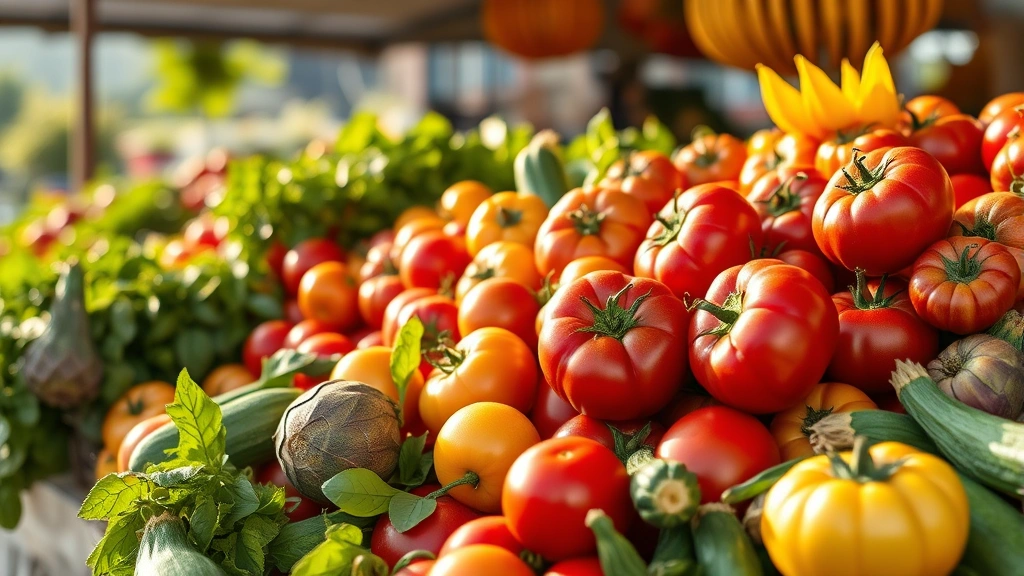
The assumption that vegetarian dining in Italy means pasta with tomato sauce couldn’t be further from truth, particularly in Florence where vegan restaurants near me searches increasingly yield sophisticated establishments dedicated to plant-based excellence. Restaurants like Enoteca Bonaccorsi have developed vegetable-forward menus that celebrate the extraordinary produce available from Tuscan farmers’ markets. A single course might feature heirloom tomato varieties, each with distinct flavor profiles, arranged to showcase the differences between a sweet, low-acid variety and a more acidic, complex specimen.
The sophistication of modern vegetarian cooking stems from understanding vegetables’ flavor compounds with the same precision that carnivorous chefs apply to meat cookery. The umami-rich compounds in mushrooms, the bitter compounds in chicory and radicchio that require proper technique to balance, the natural sweetness of roasted root vegetables, and the bright, grassy notes of fresh herbs all become tools through which chefs construct flavor narratives. When you explore best homemade pasta recipes, you’ll notice that the finest vegetable-based sauces rely on building layers of flavor through technique rather than depending on meat as a foundation.
Several restaurants have begun incorporating fermentation techniques—creating vegetable-based dashi stocks, fermenting vegetables to develop umami depth, and utilizing miso and tamari to add savory complexity to plant-based dishes. These approaches honor both the ingredients themselves and the principles of Tuscan cooking, which has always celebrated seasonal vegetables as primary rather than supplementary components.
For diners with dietary restrictions, communicating directly with restaurants becomes essential. Most establishments enthusiastically accommodate vegetarian, vegan, and gluten-free requirements when informed in advance, often creating custom menus that exceed what’s listed on the standard offerings. The key lies in respectful communication and sufficient advance notice.
FAQ
What’s the difference between a trattoria and a ristorante in Florence?
Historically, ristoranti represented fine dining establishments with formal service, extensive wine lists, and higher price points, while trattorias served casual neighborhood fare with simpler preparations and more relaxed atmospheres. This distinction has blurred considerably in modern Florence. Some trattorias now charge ristorante prices while maintaining casual aesthetics, while some ristoranti offer surprisingly approachable dining experiences. The most reliable indicator remains the menu’s focus—ristoranti typically feature more elaborate preparations and refined presentations, while trattorias emphasize traditional, straightforward dishes.
Should I make reservations at popular restaurants?
Absolutely. Florence’s most acclaimed establishments maintain reservation books months in advance, particularly during peak seasons (April-May and September-October). Even casual trattorias often fill completely by 8 PM during summer months. Making reservations ensures not only a table but also allows restaurants to manage kitchen workflow and provide superior service. When contacting restaurants, specify any dietary requirements, preferred seating locations, and whether you’re interested in tasting menus versus à la carte ordering.
How do seasonal menus work in Florentine restaurants?
Seasonal menus reflect both ingredient availability and Italian culinary philosophy emphasizing freshness and sustainability. Spring brings asparagus, artichokes, and tender greens; summer features tomatoes, zucchini, and stone fruits; autumn offers mushrooms, truffles, and game; winter emphasizes root vegetables, citrus, and preserved preparations. Restaurants that change menus seasonally—or even daily based on market purchases—demonstrate commitment to quality over convenience. This approach requires that diners remain flexible and embrace the chef’s current vision rather than expecting specific dishes to remain consistently available.
What’s the etiquette for dining in traditional Florentine restaurants?
Italian dining culture emphasizes leisurely meals, typically lasting two to three hours. Rushing through courses or requesting immediate dessert after the main course may be perceived as disrespectful to the chef’s work. Service staff will not bring the bill until requested, as presenting it unsolicited is considered rude. Tipping isn’t mandatory but leaving 5-10% for exceptional service is appreciated. Dress codes remain relatively formal at Michelin-starred establishments but casual dining permits comfortable attire. Most importantly, approach dining as a cultural experience and social occasion rather than merely consuming food.
How can I find restaurants that aren’t in guidebooks?
Ask your hotel concierge or hostel staff for their personal recommendations—they often know excellent neighborhood establishments frequented by locals. Explore residential areas away from major tourist attractions, particularly neighborhoods like San Frediano, Santo Spirito, and Oltrarno. Observe where Florentines are eating; if a restaurant is packed with locals and empty of tourists, you’ve likely discovered something special. Learning basic Italian phrases and conversing with restaurant staff often yields recommendations for sister establishments or neighboring restaurants worth visiting. Finally, embrace spontaneity—walking unfamiliar streets and entering restaurants that appeal to you often yields the most memorable discoveries.
Are there good options for those seeking restaurant week experiences?
Florence occasionally hosts promotional dining events similar to Restaurant Week NYC 2025, though these occur less frequently and with less fanfare than in major international cities. However, many restaurants offer prix-fixe menus at reduced prices during slower seasons (January-February and late July-August). Contacting restaurants directly to inquire about special pricing, early-bird menus, or promotional offerings often reveals opportunities for exceptional value. Websites dedicated to best restaurants in Maui and other destinations often feature similar promotional information applicable across dining destinations.