Key West Dining: Insider Picks and Reviews
Key West, the southernmost city in the continental United States, has earned its reputation as a culinary destination where Caribbean influences, fresh seafood, and innovative island cuisine converge. Whether you’re seeking waterfront elegance, casual beachside bites, or hidden gems tucked away on narrow streets, this tropical paradise offers dining experiences that tantalize the palate with unexpected flavor combinations and impeccably sourced ingredients. The dining scene here reflects generations of multicultural influence—from Cuban heritage to Bahamian traditions—creating a unique gastronomic landscape unlike anywhere else in Florida.
Beyond the typical tourist traps, Key West’s restaurant community comprises passionate chefs who understand that island dining demands respect for fresh catches, bold spice profiles, and the art of balancing heat with acidity. From waterfront establishments where you can taste the salt air mingling with grilled mahi-mahi to intimate bistros serving reimagined classics, the best restaurants in Key West prioritize quality ingredients and culinary expertise. This guide unveils the establishments where locals linger, where reservations require planning, and where every meal becomes a memory worth savoring.
Seafood Excellence and Waterfront Dining
Key West’s relationship with the ocean is inseparable from its culinary identity. The best restaurants in Key West showcase pristine seafood that arrives daily from local boats, transforming simple fish into extraordinary dishes through technique and respect. When you bite into a perfectly seared yellowtail snapper at a waterfront establishment, you’re tasting the result of a fisherman’s dawn expedition and a chef’s unwavering commitment to sustainability.
The signature preparation styles honor traditional methods while embracing modern refinement. Grouper—that prized local fish with delicate, flaky flesh—appears on nearly every serious seafood menu, whether blackened with Cajun spices, poached in citrus broth, or simply grilled with lime and butter. Mahi-mahi, known locally as “dorado,” delivers a firmer texture and slightly sweet undertone that pairs beautifully with tropical fruit salsas featuring mango, papaya, and habanero peppers. Stone crab claws, when in season (October through May), represent the ultimate luxury item: tender, sweet meat that requires only melted butter and perhaps a whisper of mustard to achieve perfection.
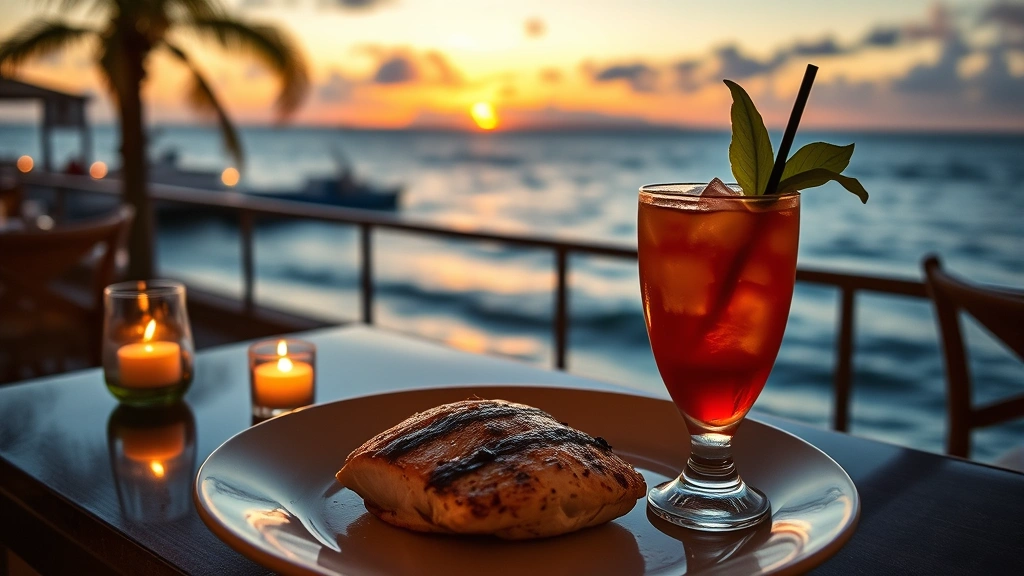
The waterfront dining experience extends beyond the plate. Establishments positioned along Duval Street, the harbor, or Mallory Square offer sunset views that synchronize with your dining progression, the sky shifting from amber to crimson as you work through courses. These venues understand that ambiance matters—the gentle clink of ice in mojitos, the distant cry of gulls, the salt-laden breeze—all contribute to the complete sensory experience. Many restaurants feature open-air seating where the boundary between inside and outside dissolves, allowing diners to feel truly immersed in the island atmosphere.
Cuban and Caribbean Flavors
Key West’s Cuban heritage runs deep, and the island’s restaurants reflect generations of culinary tradition passed down through families and refined by professional chefs. This influence manifests in the prevalence of sofrito—that foundational holy trinity of onions, peppers, and garlic sautéed in olive oil—which forms the aromatic base for countless dishes. The flavor profile emphasizes brightness through citrus (lime and sour orange particularly), depth through slow-cooked proteins, and complexity through carefully balanced seasoning.
Ropa vieja, the iconic shredded beef stew, appears on many menus, and the best versions showcase meat so tender it practically dissolves on the tongue, suspended in a tomato-based sauce enriched with peppers and olives. Picadillo, ground beef with capers, olives, and raisins, presents a sweet-savory contrast that surprises palates accustomed to simpler preparations. Mofongo—fried plantain mashed with garlic, olive oil, and broth—serves as either a side dish or vegetarian main, offering a creamy, almost potato-like texture with distinct plantain sweetness and garlic intensity.
Caribbean influences extend the flavor vocabulary beyond Cuban traditions. Jerk spicing—a complex blend of scotch bonnet peppers, allspice, thyme, and other aromatics—appears in preparations of chicken, fish, and pork, delivering heat that builds gradually rather than striking immediately. Coconut milk, a staple across Caribbean cuisines, enriches curries and seafood preparations, adding richness and subtle sweetness that balances spicy elements. Plantains, whether fried as tostones (twice-fried rounds with crispy exteriors and creamy centers) or baked as maduros (sweet, caramelized slices), appear as essential components of the island dining experience.
Fine Dining Destinations
For those seeking elevated gastronomic experiences, Key West hosts several establishments where chefs pursue culinary artistry with meticulous attention to detail. These venues prioritize ingredient quality, precise technique, and thoughtful flavor composition, often featuring seasonal menus that shift to accommodate the best available products and the chef’s creative impulses.
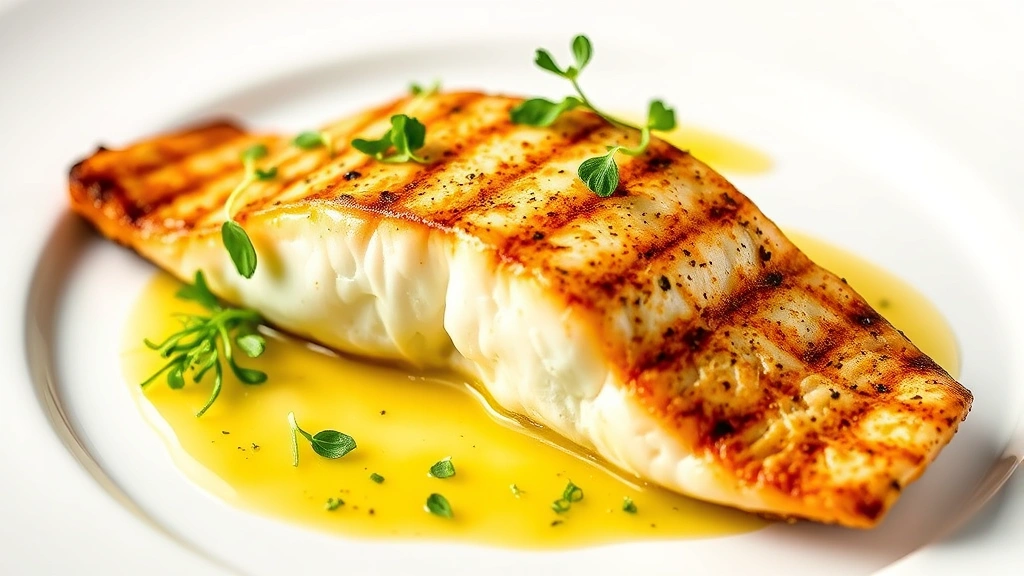
Café Solé represents the pinnacle of intimate, ingredient-focused dining. This small establishment, seating fewer than fifty guests, allows the kitchen to maintain exacting standards across every plate. The menu changes based on daily catches and market availability, but signature preparations showcase fish cooked with remarkable precision—a yellowtail snapper fillet might feature a perfectly crisped skin while the flesh beneath remains impossibly moist, accompanied by sauce that enhances rather than masks the fish’s delicate flavors. The wine list, curated with expertise, offers selections that complement the cuisine without pretension.
Latitudes, positioned on Sunset Key accessible only by boat, creates an otherworldly dining environment where isolation amplifies the sensory experience. The restaurant’s focus on fresh seafood and innovative preparations means your meal might feature lionfish—an invasive species the restaurant helps control—prepared with the reverence typically reserved for premium catches. Sunset views combined with impeccable service and thoughtfully constructed dishes make this destination a pilgrimage for serious food enthusiasts. The journey itself becomes part of the experience, separating this venue from typical restaurant dining.
Santiago’s Bodega brings Spanish tradition and technique to Key West’s dining landscape. The emphasis on cured meats, seafood preparations, and wine-forward cooking reflects the chef’s commitment to authentic Spanish gastronomy. Jamón ibérico, aged for years until it achieves complex, almost nutty flavors, appears alongside fresh seafood preparations that honor Mediterranean traditions. The wine selection emphasizes Spanish producers, offering educated guidance through regions and styles.
For those interested in date night restaurants with romantic ambiance, many fine dining establishments excel at creating intimate atmospheres. The combination of candlelight, carefully spaced tables, and attentive service elevates the experience beyond simple sustenance to memorable occasion.
Casual Gems and Hidden Finds
Key West’s most memorable meals often happen in unpretentious settings where chefs prioritize flavor over presentation formality. These casual establishments frequently operate with smaller menus, allowing the kitchen to execute each dish with consistency and care. Walking Duval Street or exploring residential neighborhoods reveals unexpected treasures that locals frequent precisely because they offer exceptional food without pretension or premium pricing.
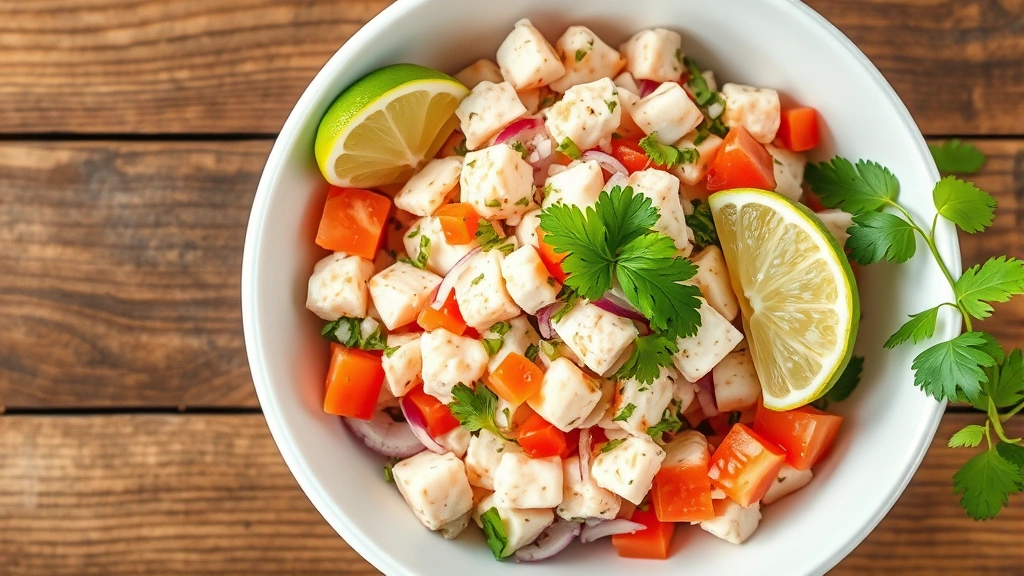
Conch Republic Seafood Company exemplifies this casual excellence. The conch salad—raw conch marinated in lime juice, mixed with diced tomatoes, onions, peppers, and cilantro—represents peak simplicity and flavor balance. The acidity from lime juice “cooks” the conch, transforming its texture to tender while the citrus brightness highlights the seafood’s natural briny sweetness. Fresh-caught fish tacos, often prepared with grilled mahi-mahi or wahoo, feature warm flour tortillas filled with flaky fish, crispy slaw, and creamy sauce combinations that echo both Caribbean and Mexican influences.
B.O.’s Fish Wagon operates from a literal fish wagon on the street, serving some of the island’s finest fish sandwiches. The preparation seems straightforward—fried fish on a bun with tartar sauce and coleslaw—but execution elevates it to something special. The fish arrives battered moments before cooking, ensuring the coating achieves that perfect golden crispness while the interior remains moist and flaky. The tartar sauce, likely homemade, provides tangy contrast without overwhelming the fish’s delicate flavor.
For vegetarian restaurants and plant-forward dining, Key West increasingly offers options that extend beyond simple salads. Several casual establishments now feature vegetable-centric preparations that respect the ingredient’s integrity while building complex flavor through technique and thoughtful seasoning.
Santiago’s Café offers exceptional Cuban coffee and pastries that transport you to Havana. The café con leche—strong espresso combined with steamed milk—provides the perfect counterpoint to flaky pasteles (fried dough pastries) filled with meat or cheese. The simplicity of these offerings belies their importance to Key West’s food culture; these are the foods locals consume daily, the flavors that define their culinary identity.
Specialty Dining and Dietary Focus
Modern Key West restaurants increasingly accommodate diverse dietary preferences without sacrificing flavor or creativity. Whether you follow a plant-based diet, require gluten-free preparations, or prefer raw and living foods, the island’s dining community has evolved to meet these needs with sophistication rather than compromise.
Many restaurants now feature vegetarian pasta recipes inspired by Italian traditions, prepared with locally sourced vegetables and artisanal pasta. A simple aglio e olio—pasta with garlic, olive oil, and red pepper flakes—becomes transcendent when executed with quality ingredients and proper technique. Vegetable-forward dishes featuring plantains, yuca, malanga, and other Caribbean vegetables appear on progressive menus, often prepared with more creativity than their protein-based counterparts.
Raw food establishments celebrate the island’s abundant tropical produce. Fresh fruit bowls featuring dragon fruit, passion fruit, mango, and papaya offer natural sweetness and vibrant colors. Ceviche, technically raw fish “cooked” in citrus acid, naturally accommodates various dietary preferences when prepared with careful attention to freshness and ingredient sourcing. Establishments focusing on easy gluten free dessert recipes have emerged, recognizing that dietary restrictions needn’t mean sacrificing dessert’s pleasure.
The farm-to-table movement has taken root in Key West, with several restaurants sourcing from local growers and fishermen whenever possible. This commitment to locality ensures peak freshness while supporting the community’s agricultural and fishing traditions. Menus often highlight the producer—”local mahi from Captain Rodriguez” or “Key West tomatoes from Johnson Farm”—creating transparency and accountability while celebrating the individuals who make island dining possible.
For those interested in romantic restaurants near me, many establishments specializing in dietary accommodations excel at creating special occasions. Contemporary Key West dining culture embraces the philosophy that dietary preferences enhance rather than limit culinary experiences.
Exploring best homemade pasta recipes reveals techniques that several Key West restaurants employ, particularly those with Italian influences. Fresh pasta made daily, served with light sauces that highlight ingredient quality, appears alongside Caribbean-inspired preparations, creating menus that honor multiple traditions simultaneously.
FAQ
What is the best time to visit Key West restaurants?
Winter months (November through April) represent peak season when weather is most pleasant and restaurants operate at full capacity. However, summer offers lower prices and fewer crowds, though heat and humidity intensify. For specific restaurants, making reservations weeks in advance during peak season ensures seating at popular establishments. Many restaurants close for brief periods during September and October for staff rest and maintenance.
Are reservations necessary at Key West restaurants?
Absolutely essential for fine dining establishments and popular casual venues, particularly during peak season. Even modest restaurants with strong reputations often maintain reservation lists. Walk-ins may secure seats during off-peak hours or at the bar, but planning ahead guarantees access to the island’s best dining experiences.
What should I expect regarding pricing?
Fine dining establishments typically range from $35-75 per entree, while casual restaurants and street vendors offer excellent meals for $12-25. Seafood, being the focus of many menus, commands premium pricing, particularly for specialty items like stone crab claws or fresh lobster. Drinks, particularly craft cocktails featuring rum (Key West’s signature spirit), add significantly to the bill.
How important is freshness in Key West seafood?
Paramount. The island’s restaurants pride themselves on daily fish deliveries and same-day preparation. Quality establishments will specify the fish’s origin and preparation method. Asking your server about the day’s catch and its source provides insight into the restaurant’s sourcing standards and commitment to quality.
What are the signature flavors of Key West cuisine?
Citrus (particularly lime and sour orange), garlic, peppers (especially habanero), coconut, plantains, and fresh seafood define the island’s culinary identity. These elements appear across Cuban, Caribbean, and contemporary preparations, creating a distinctive flavor profile that reflects Key West’s multicultural heritage and tropical environment.
Can I find authentic Cuban food in Key West?
Absolutely. Many establishments operated by Cuban families maintain traditional recipes and preparation methods passed through generations. While some restaurants modernize Cuban cuisine, authentic versions remain available at both casual eateries and formal dining establishments. Asking locals for recommendations often leads to hidden gems serving genuine family recipes.