Lisbon’s Top Restaurants: A Local Foodie Guide to Portugal’s Culinary Treasures
Lisbon pulses with gastronomic energy, a city where ancient culinary traditions collide with innovative modern cuisine. The Portuguese capital has emerged as one of Europe’s most exciting food destinations, offering everything from humble pastéis de nata in centuries-old bakeries to Michelin-starred tasting menus overlooking the Tagus River. Whether you’re seeking traditional Portuguese flavors or contemporary interpretations of classic dishes, Lisbon’s restaurant scene delivers unforgettable sensory experiences that capture the soul of this vibrant city.
Our comprehensive guide explores the best restaurants in Lisbon, curated through countless tastings and conversations with local food enthusiasts. We’ve navigated narrow Alfama alleyways, ventured into trendy Time Out Market stalls, and experienced the warmth of family-run tascas to bring you authentic recommendations. This isn’t just a list—it’s a culinary journey through Portugal’s most enchanting city, where every meal tells a story of tradition, innovation, and passion.
Michelin-Starred Excellence: Lisbon’s Fine Dining Pinnacle
Lisbon’s Michelin-starred restaurants represent the pinnacle of Portuguese gastronomy, where chefs transform local ingredients into edible art. These establishments demand reservations weeks in advance, yet the investment of time and resources yields transcendent dining experiences that linger in memory long after the final course.
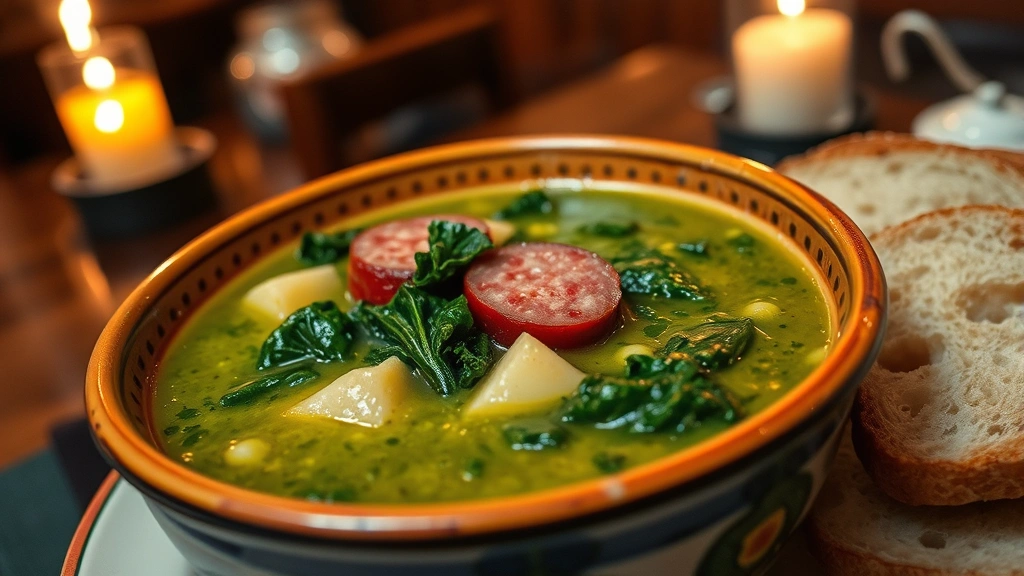
Belcanto, helmed by Chef José Avillez, stands as Lisbon’s most celebrated fine dining destination. The restaurant’s philosophy centers on Portuguese culinary heritage reinterpreted through contemporary techniques and artistic plating. Each dish arrives as a miniature landscape—a deconstructed pastéis de nata presented as delicate crispy layers with cinnamon foam, or traditional caldo verde reimagined as a silky green soup topped with crispy potato air. The wine pairings showcase Portuguese varietals from lesser-known producers, introducing palates to the depth and complexity of the region’s winemaking traditions. Belcanto’s tasting menu unfolds over three hours, each course building upon the last in a carefully orchestrated crescendo of flavors.
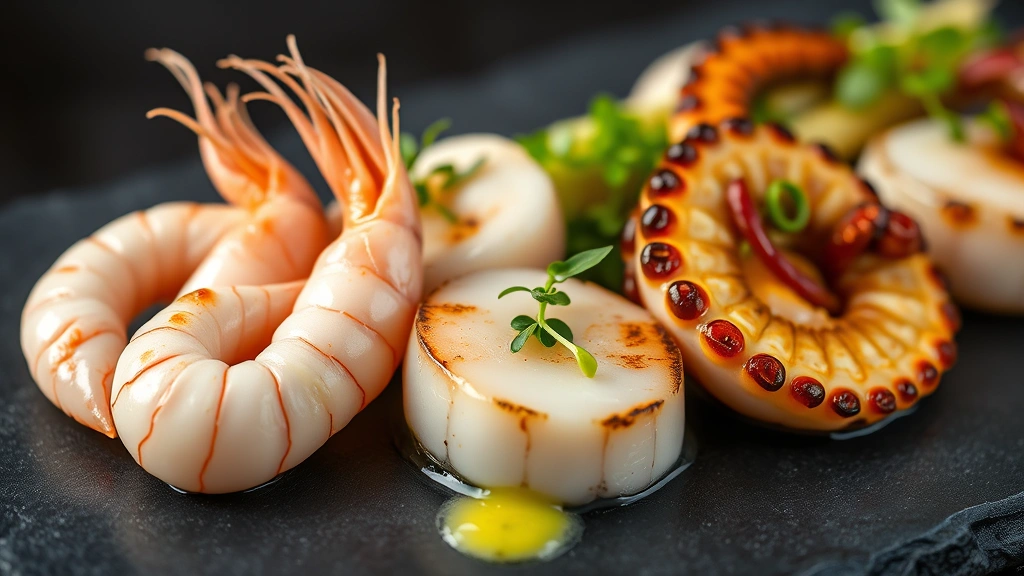
Eleven occupies a stunning rooftop perch overlooking Lisbon’s historic center, offering both visual and gustatory splendor. Chef Joachim Koerper’s cuisine emphasizes seasonal ingredients sourced from Portuguese producers, with particular focus on sustainable fishing practices and heritage vegetables. The langoustine preparations showcase pristine seafood—barely kissed by heat to preserve delicate sweetness—accompanied by unexpected textural contrasts and umami-rich broths. The restaurant’s wine program features Portuguese selections alongside carefully chosen international bottles, with knowledgeable sommeliers guiding guests through pairings that enhance rather than overpower the cuisine’s subtle nuances.
Feitoria presents a more relaxed interpretation of fine dining, where Chef João Rodrigues celebrates Portuguese ingredients without pretension. Located in the historic Alcântara neighborhood, the restaurant’s open kitchen allows diners to witness the meticulous preparation of each plate. Expect pristine fish cooked with minimal intervention, vegetables treated as protagonists rather than supporting players, and sauces derived from deep bone stocks and concentrated essences. The tasting menu often features ingredients sourced that very morning from local markets, ensuring maximum freshness and seasonal relevance.
Traditional Portuguese Gems: Authentic Flavors From Generations Past
While Lisbon’s fine dining scene garners international acclaim, the city’s true culinary soul resides in traditional restaurants where recipes have been passed through generations. These establishments serve food that tastes like home to Lisboetas, dishes perfected through decades of repetition and refinement.
Casa de Comidas epitomizes the authentic tasca experience. This unpretentious neighborhood restaurant in Príncipe Real has remained virtually unchanged for decades—the same worn wooden tables, the same handwritten menu, the same devoted clientele occupying identical seats each day. The kitchen produces extraordinary simplicity: caldo verde so verdant it seems to glow, made from kale and potatoes with a whisper of smoked sausage; salt cod prepared three ways across the week (Bacalhaus à Brás on Mondays, Bacalhau à Gomes de Sá on Wednesdays); slow-braised rabbit that falls from delicate bones; and creamy rice dishes where each grain remains distinct while absorbing savory broths. The wine selection consists primarily of house pours—honest, unpretentious local reds and whites served in simple glasses.
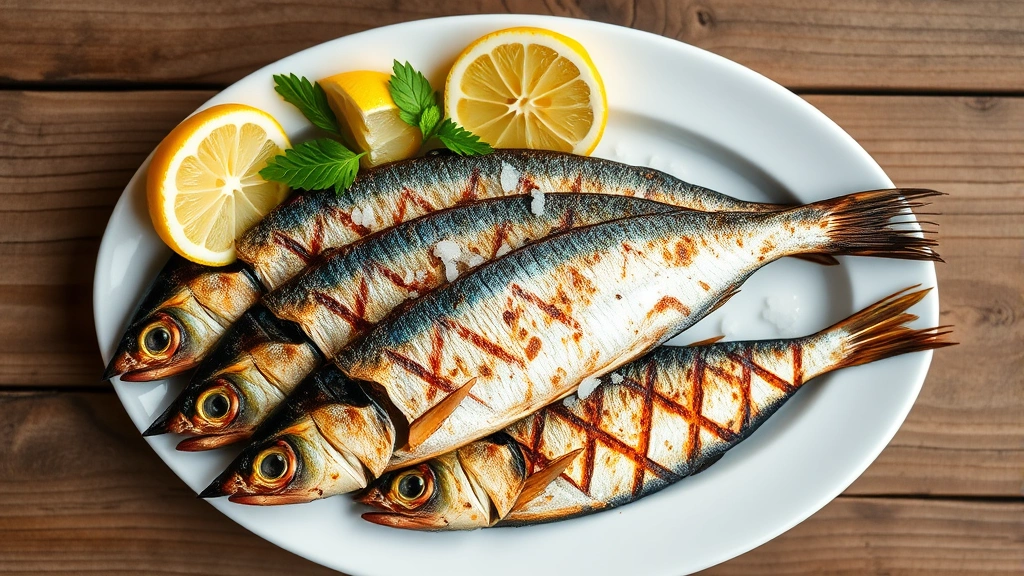
Tascantiga, located in the bohemian Príncipe Real district, represents a modern interpretation of traditional tasca culture while maintaining complete authenticity. The restaurant celebrates Portuguese culinary heritage through seasonal menus that shift with market availability and chef inspiration. Cured meats arrive paper-thin, their complex salt and spice profiles demanding slow appreciation; grilled sardines taste of ocean salt and smoke; and stews simmer for hours until flavors marry into unified, deeply satisfying compositions. The dining room buzzes with energy—a mix of locals and curious travelers, all united in appreciation for genuine Portuguese food.
O Fado combines traditional cuisine with live fado performances, creating an immersive cultural experience. The restaurant’s kitchen excels with grilled fish preparations, particularly sea bass and bream seasoned simply with sea salt, lemon, and olive oil, allowing the ocean’s essence to shine. Octopus arrives tender and slightly charred, its mineral sweetness complemented by paprika and garlic. The intimate dining room, with its low ceilings and candlelit tables, transports guests to old Lisbon—a city of maritime adventure and romantic melancholy.
For family dining experiences in Lisbon, traditional tascas offer welcoming atmospheres where children feel genuinely appreciated. Portuguese food culture prioritizes multi-generational dining, and these establishments embrace that philosophy.
Contemporary Fusion Dining: Innovation Meets Tradition
Lisbon’s younger generation of chefs represents a fascinating middle ground—deeply respectful of Portuguese culinary traditions while unafraid to experiment with international techniques and unexpected flavor combinations. These restaurants prove that innovation need not mean abandonment of cultural identity.
Pharmácia occupies a former pharmacy space in Alcântara, its interior decorated with vintage apothecary bottles and medicinal paraphernalia. Chef Miguel Fragata’s cuisine playfully references pharmaceutical terminology while delivering genuinely exciting food. Dishes arrive with whimsical names and unexpected presentations, yet the flavors demonstrate serious technical skill. Foie gras arrives as a delicate mousse infused with port wine; duck breast shows perfect rosy doneness with accompanying cherry gastrique; and desserts push boundaries while maintaining palatability. The restaurant successfully walks the tightrope between theatrical presentation and substantive culinary achievement.
Taberna Moderna in the Príncipe Real neighborhood offers contemporary Portuguese cuisine in a relaxed setting. The kitchen sources extensively from local producers, collaborating directly with farmers and fishermen to obtain optimal ingredients. Seasonal menus might feature grilled octopus with fermented chili paste, or slow-cooked beef cheeks with mushroom purée and roasted root vegetables. The wine list emphasizes small producers and natural wines, offering surprising flavor profiles alongside more traditional selections. The casual atmosphere encourages experimentation—diners feel comfortable ordering multiple small plates and sharing, facilitating broader palate exploration.
Páteo in Alcântara represents a sophisticated contemporary approach to Portuguese ingredients. The tasting menu format allows chefs to demonstrate technical prowess while telling coherent culinary narratives. Courses might progress from delicate raw preparations—ceviche-style fish or carpaccio—through increasingly complex cooked dishes, concluding with indulgent desserts that provide emotional satisfaction. The restaurant’s attention to detail extends beyond food to encompassing service, ambiance, and wine pairings that elevate the entire experience.
Seafood Specialists: Celebrating Portugal’s Maritime Heritage
As a coastal nation, Portugal possesses unparalleled access to exceptional seafood. Lisbon’s best seafood restaurants showcase this bounty through preparations ranging from minimal intervention to elaborate techniques that highlight ocean flavors.
Cais da Ribeira along the waterfront offers the quintessential Lisbon seafood experience. The restaurant’s kitchen focuses on grilled fish and shellfish, allowing pristine ingredients to speak for themselves. Whole grilled sea bream arrives with skin crackling and flesh impossibly tender, seasoned only with sea salt and fresh lemon. Langoustines, cooked minutes before serving, taste of briny sweetness with subtle mineral undertones. Octopus salad combines tender cephalopod with white beans, onions, and olive oil in a preparation that seems simple until the first bite reveals complex layered flavors. The wine selection, dominated by crisp white varieties, complements seafood without overwhelming delicate preparations.
Restaurante Ribadouro specializes in grilled seafood in a casual, high-energy environment. The open kitchen allows diners to observe skilled grill masters coaxing perfect caramelization from fish flesh while maintaining interior moisture. The menu changes daily based on market availability, ensuring maximum freshness. Expect grilled fish of extraordinary quality—sea bass, bream, grouper, and seasonal specialties—prepared with minimal intervention. Shellfish platters arrive abundant and beautiful, offering opportunities to taste multiple species and preparation styles in a single meal.
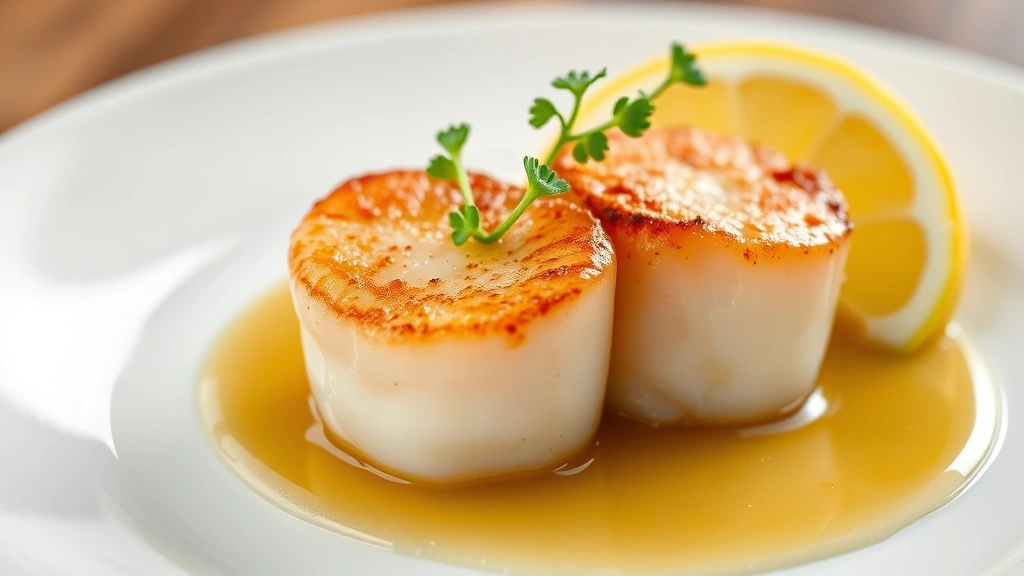
Cervejaria Ramiro occupies a legendary status in Lisbon’s seafood hierarchy. This standing-room-only restaurant near Intendente Metro station serves exceptional grilled shellfish to devoted crowds. The menu consists primarily of grilled prawns, langoustines, scallops, and various crustaceans, each cooked to order and seasoned with sea salt and garlic. The beer selection pairs perfectly with seafood-forward dining, and the casual atmosphere encourages conviviality among strangers sharing communal tables and culinary enthusiasm.
Casual Neighborhood Favorites: Where Locals Truly Eat
Beyond tourist-oriented establishments, Lisbon’s neighborhood restaurants serve as the city’s culinary backbone. These casual spots, often family-operated, deliver satisfying food in unpretentious settings where quality matters more than presentation.
Tascas in Alfama represent the authentic heart of Lisbon’s food culture. Narrow storefronts with minimal signage open into intimate spaces where regular customers occupy the same tables daily. The food—often handwritten on chalkboards rather than printed menus—reflects what the kitchen prepared that morning. Stews simmer in copper pots; grilled fish sizzles over charcoal; and simple preparations of beans, greens, and preserved meats provide sustenance and pleasure in equal measure. These establishments rarely accept reservations; instead, diners arrive hoping for available seating and accepting whatever the kitchen offers that day.
Mercearia do Campo in Príncipe Real offers upscale casual dining that respects both tradition and contemporary sensibilities. The restaurant’s wine program emphasizes Portuguese producers, with knowledgeable staff guiding selections that enhance rather than overshadow food. Small plates encourage sharing and exploration—grilled octopus, cured meats, fresh vegetables prepared with restraint, and thoughtful sauce work demonstrate serious culinary attention. The dining room buzzes with energy, a mix of well-dressed locals and discerning travelers united in appreciation for quality food without pretension.
For outdoor dining experiences in Lisbon, neighborhood terraces offer exceptional value and authentic atmosphere. Many casual restaurants feature rooftop or street-level seating where diners can observe Lisbon’s daily rhythms while enjoying satisfying meals.
Perfect for Special Occasions: Celebrating Lisbon’s Culinary Artistry
Certain restaurants excel at transforming meals into memorable celebrations, combining exceptional food with ambiance and service that elevate special occasions into unforgettable events.
Memória in Alcântara represents contemporary Portuguese fine dining with romantic sensibility. The intimate dining room features candlelit tables and refined service without stuffiness. Chef’s tasting menus showcase seasonal ingredients prepared with technical precision and emotional intelligence. Wine pairings from an extensive Portuguese selection elevate each course, while knowledgeable sommeliers explain selections and guide guests through flavor progression. The restaurant successfully balances sophistication with warmth, making diners feel celebrated rather than scrutinized.
Varanda at Memória Hotel offers elegant dining with panoramic city views. The restaurant’s contemporary Portuguese cuisine emphasizes seasonal ingredients and refined technique. Tasting menus progress thoughtfully, building in intensity and complexity while maintaining harmony. The service team demonstrates genuine hospitality—attentive without hovering, knowledgeable without pretension. The wine program features excellent Portuguese selections alongside international bottles, allowing flexibility in pairing preferences.
For birthday celebrations and milestone events in Lisbon, upscale restaurants typically accommodate special requests and provide thoughtful touches that enhance festivities. Many establishments offer customized tasting menus or special preparations for occasions they’ve been informed about in advance.
Lisbon’s restaurant scene extends beyond these highlights to encompass a vast ecosystem of casual cafés, wine bars, and neighborhood establishments where locals gather daily. Portuguese pasta preparations, while less prominent than in Italian cuisine, appear in various forms throughout the city, often incorporating seafood or preserved meats. Similarly, health-conscious dining options in Lisbon have expanded significantly, with restaurants emphasizing vegetable-forward preparations and sustainable sourcing practices.
Frequently Asked Questions
What is the best time to visit Lisbon for dining experiences?
Spring (April-May) and fall (September-October) offer ideal conditions—pleasant weather for exploring neighborhoods and outdoor dining, while restaurants remain less crowded than summer months. Restaurant availability increases during these shoulder seasons, making reservations easier to secure. Winter brings seasonal ingredients like grilled chestnuts and rich stews, while summer offers peak seafood freshness.
How far in advance should I reserve at Michelin-starred restaurants?
Belcanto and Eleven require reservations 4-8 weeks in advance for dinner service, particularly weekends. Feitoria typically accommodates reservations 2-3 weeks ahead. Cancellation policies are strict, so book only when confident in attendance. Many restaurants maintain waitlists, so inquiring about cancellations occasionally yields availability.
What are typical price ranges for Lisbon restaurants?
Casual tascas and neighborhood restaurants: €10-20 per person. Contemporary casual dining: €25-40 per person. Fine dining tasting menus: €80-150 per person, often with separate wine pairing costs. Prices fluctuate seasonally and based on menu composition.
Are vegetarian options readily available?
Traditional Portuguese cuisine emphasizes meat and seafood, though modern restaurants increasingly offer thoughtful vegetarian preparations. Fine dining establishments typically accommodate dietary preferences with advance notice. Casual tascas may have limited options but usually feature excellent vegetable dishes, legumes, and cheese selections.
What wine should I order with Portuguese cuisine?
Vinho Verde (young, slightly sparkling whites) pairs beautifully with seafood and light preparations. Douro region reds complement meat dishes and stews. Albariño-style whites from Portugal’s coastal regions offer excellent versatility. Local house wines in casual restaurants typically represent outstanding value and pair naturally with traditional cuisine.
How important is fado culture to the dining experience?
Fado performances enhance atmosphere but aren’t essential for enjoying Lisbon’s food. Some restaurants feature live performances, while others focus purely on cuisine. Choose based on personal preference—fado adds romantic ambiance but may limit conversation and increase costs.