Top Puerto Rican Eats? Expert Picks Inside!
Puerto Rico’s culinary landscape represents centuries of cultural fusion, where Taíno indigenous traditions blend seamlessly with Spanish colonial heritage and African diaspora influences. The island’s best restaurants showcase this remarkable gastronomic evolution, offering visitors and locals alike an extraordinary journey through flavors that tell stories of conquest, adaptation, and culinary innovation. From the vibrant streets of Old San Juan to the serene coastal towns of Vieques, Puerto Rico’s dining scene delivers authentic experiences that transcend typical tourist fare.
The island’s food culture thrives on simplicity elevated by technique, fresh seafood pulled from surrounding waters, and time-honored preparation methods passed down through generations. Whether you’re craving mofongo—that iconic mashed plantain masterpiece—or seeking the perfect alcapurria, Puerto Rico’s best establishments balance traditional recipes with contemporary presentation. Expert food critics and local chefs consistently highlight establishments that honor ancestral cooking while embracing modern culinary artistry.
This comprehensive guide explores Puerto Rico’s most celebrated dining destinations, revealing what makes each establishment worthy of your palate’s attention. We’ve consulted with renowned food writers, visited acclaimed kitchens, and tasted our way through the island to bring you authentic recommendations that capture the true essence of Puerto Rican gastronomy.
Classic Creole Excellence in Old San Juan
Old San Juan’s cobblestone streets harbor some of Puerto Rico’s most respected culinary institutions, where centuries-old recipes meet refined dining environments. These establishments represent the backbone of Puerto Rican gastronomy, maintaining traditions while attracting international recognition from prestigious food organizations and culinary critics worldwide.
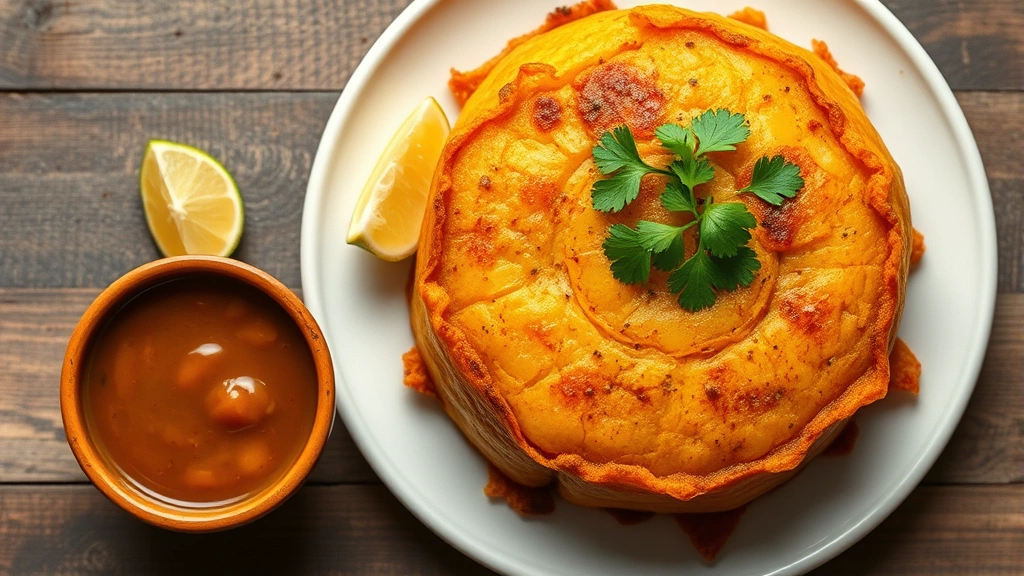
El Convento Restaurant stands as a cornerstone of authentic Puerto Rican dining, housed within a converted 17th-century convent. Their kitchen demonstrates masterful execution of traditional dishes, particularly their mofongo prepared tableside with theatrical precision. The plantain base achieves that perfect balance—crispy exterior yielding to a creamy, garlicky interior that coats your palate with savory richness. Their alcapurrias showcase the island’s street food elevated to fine dining status; these golden-fried croquettes burst with seasoned ground beef, creating textural contrasts that delight with each bite.
Parrot Club combines nostalgia with innovation, celebrating Puerto Rican classics through a contemporary lens. Their tostones—twice-fried plantain slices—arrive impossibly crispy with a tender center, served alongside mojo criollo that awakens taste buds with citrus brightness and garlic intensity. The restaurant’s ambiance captures Old San Juan’s romantic colonial essence while their kitchen respects traditional flavor profiles that define Puerto Rican identity.
When exploring restaurants with a view, consider establishments that overlook the Atlantic from historic fortifications. Many of these venues offer dining experiences where visual beauty complements culinary artistry, creating memorable meals that engage multiple senses simultaneously.
Barrachina’s kitchen celebrates the culinary intersection where Puerto Rico meets the broader Caribbean. Their ropa vieja—shredded beef stewed in tomato-based sauce—demonstrates how simple ingredients transform through patient cooking into deeply complex, satisfying dishes. The meat becomes so tender it barely requires chewing, dissolving on your tongue while releasing flavors of garlic, cumin, and slow-cooked tomato essence.
Coastal Seafood Destinations
Puerto Rico’s pristine waters supply extraordinary fresh seafood that forms the foundation of the island’s most celebrated dining experiences. Coastal restaurants leverage proximity to fishing communities, ensuring daily deliveries of the season’s finest catches prepared with techniques that let natural flavors shine brilliantly.
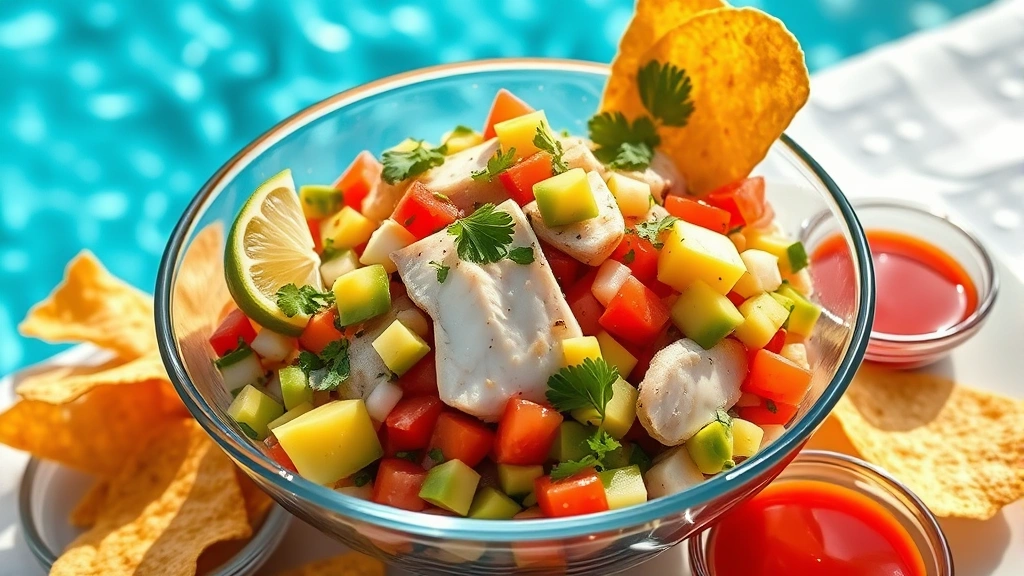
Aguaviva in Fajardo represents coastal dining at its finest, where floor-to-ceiling windows frame ocean vistas while the kitchen executes seafood preparations with surgical precision. Their ceviche showcases the Puerto Rican interpretation of this Latin American classic—fresh mahi-mahi and local snapper cured in lime juice, brightened with cilantro, and balanced with avocado’s creamy richness. The acidity cuts through the fish’s natural oils while citrus oils perfume each spoonful with aromatic freshness.
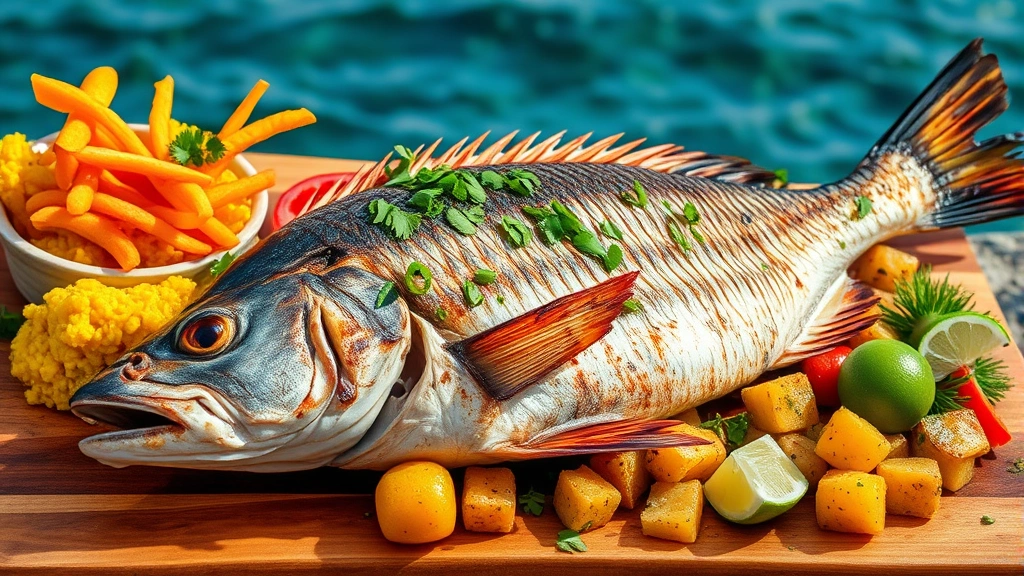
Their whole grilled fish arrives on a wooden board, skin crackling between your teeth while the flesh remains impossibly moist and delicate. The kitchen seasons with restraint, allowing the ocean’s essence to dominate. Sides of mofongo and rice cooked in seafood stock round out the plate, providing textural variety and absorbing pan juices with admirable efficiency.
Las Olas in Rincon offers bohemian beach vibes paired with sophisticated seafood cookery. Their catch-of-the-day preparations showcase the chef’s deep understanding of fish behavior and texture—knowing precisely when to stop cooking, how to achieve optimal browning without drying delicate flesh. Mojo criollo accompanies nearly everything, its combination of garlic, citrus, and olive oil creating a flavor bridge that connects disparate ingredients into harmonious unity.
For those seeking authentic dining experiences, Puerto Rico’s seafood establishments deliver genuine cultural expressions through cuisine. These aren’t restaurants attempting to recreate something distant; they’re kitchens celebrating what surrounds them daily.
Chez Daniel in Rio Grande represents French-Puerto Rican fusion executed with restraint and respect for both traditions. Their seafood preparations employ classical French techniques—beurre blanc sauces, precise temperature control, artistic plating—applied to Caribbean ingredients. A lobster thermidor arrives with the richness of cream and cognac balanced against briny sweetness, topped with gratinéed breadcrumb crust that provides textural contrast.
Contemporary Puerto Rican Cuisine
A new generation of Puerto Rican chefs balances respect for culinary heritage with innovative techniques, creating restaurants that honor tradition while pushing boundaries. These establishments prove that Puerto Rican cuisine belongs alongside globally recognized gastronomic movements.
Pikayo in San Juan represents the pinnacle of contemporary Puerto Rican cooking, where Chef Ángel Rodríguez transforms island ingredients through molecular gastronomy and modern plating. His cuisine maintains emotional connection to Puerto Rican identity while embracing culinary technology. Mofongo becomes a spherified experience—crispy plantain exterior shatters to release creamy, garlic-forward interior that challenges preconceptions about traditional dishes.
Their tasting menu navigates Puerto Rico’s culinary geography, incorporating flavors from mountainous interior regions, coastal communities, and urban centers. Each course tells stories through taste, texture, and presentation. A course might feature local cassava root prepared multiple ways—crispy chips, velvety purée, delicate tuile—demonstrating ingredient versatility while building progressive flavor intensity.
Estela in San Juan celebrates Puerto Rican ingredients through a contemporary lens that respects tradition while embracing artistic expression. Their kitchen sources obsessively from local farmers, fishermen, and artisanal producers, creating menus that shift seasonally. A starter of local langostinos arrives barely cooked, their natural sweetness amplified through minimal intervention. Citrus oils and herb infusions provide aromatic complexity without overwhelming delicate crustacean flavors.
When comparing dining options, consider how establishments balance vegetarian restaurants and meat-focused establishments within their portfolios. Progressive Puerto Rican kitchens increasingly offer plant-based dishes that showcase the island’s extraordinary produce without feeling like afterthoughts.
Melange in San Juan blends Puerto Rican, Spanish, and international influences into a sophisticated dining experience. Their kitchen demonstrates technical mastery—precise knife work, perfect temperature control, balanced seasoning—applied to both traditional and innovative preparations. A dish of local white fish might arrive with a delicate saffron sauce, accompanied by locally-grown plantain chips and seasonal vegetables that provide color and nutritional balance.
Hidden Gems Beyond Tourist Zones
Authentic Puerto Rican dining thrives in neighborhoods where locals eat, where restaurants operate without tourist infrastructure, where recipes reflect genuine family traditions rather than tourist expectations. These establishments often deliver superior culinary experiences because they prioritize satisfaction over novelty.
Cafetería Mallorca in San Juan represents old-school Puerto Rican breakfast culture, where generations gather for medianoche sandwiches—pressed ham, cheese, and roasted pork between buttered bread that becomes golden and crispy. The pork’s exterior crackles while interior remains succulent, its richness balanced by cheese’s saltiness and bread’s buttery sweetness. These establishments often open before dawn, serving construction workers, nurses finishing night shifts, and locals craving authentic morning sustenance.
Comedor Español in Ponce showcases how regional variations define Puerto Rican cuisine. This mountain region produces different ingredients, inspiring distinct flavor profiles compared to coastal areas. Their sancocho—hearty stew featuring root vegetables, plantains, and meat—represents comfort food elevated through technique. Slow cooking melds flavors into complexity that reveals itself progressively, with different notes emerging as the stew cools slightly.
When exploring best restaurants in Montreal or other North American cities, you’ll find Puerto Rican diaspora communities recreating island cuisine. However, nothing compares to experiencing these dishes in their cultural homeland, where ingredients possess authentic provenance and preparation methods reflect generations of refinement.
Cocina Criolla establishments throughout Puerto Rico’s interior serve dishes rarely found in tourist-oriented restaurants. Mofongo de camarones features plump shrimp nestled within perfectly executed plantain base, the seafood’s delicate sweetness contrasting beautifully with garlic’s pungent intensity. These humble restaurants often lack fancy décor, but their kitchens consistently deliver memorable meals that satisfy deeply.
Local food markets like Plaza del Mercado in San Juan offer prepared foods that represent authentic Puerto Rican gastronomy. Vendors prepare dishes using recipes perfected over decades, selling to crowds who understand quality. Bacalaítos—salt cod fritters—arrive hot and crispy, the fish’s briny intensity balanced by light, airy batter. Eaten standing up while conversing with vendors, these meals capture Puerto Rican food culture more genuinely than many formal restaurants.
Traditional Comfort Food Masters
Puerto Rican comfort food represents culinary expressions born from necessity, creativity, and cultural pride. These dishes evolved in home kitchens, refined through repetition, and eventually perfected by chefs who understand their emotional significance alongside technical requirements.
Arroz con pollo—chicken and rice—appears on virtually every Puerto Rican restaurant menu, yet quality varies dramatically based on execution. Superior versions feature chicken that remains moist despite cooking in rice, infused with saffron’s subtle earthiness and sofrito’s complex depth. Sofrito—the aromatic base of garlic, onions, peppers, tomatoes, and cilantro—requires hours of preparation, creating flavor foundation that distinguishes authentic dishes from rushed approximations.
Pernil—roasted pork shoulder—represents Puerto Rican celebration food, traditionally prepared for holidays and special occasions. Restaurants offering excellent pernil source heritage pork breeds, season generously, and roast low and slow until skin crackles with perfect crispness while meat becomes impossibly tender. The rendered fat bastes the meat continuously, creating juiciness that persists even through repeated slicing. Served with mofongo and tostones, pernil plates deliver textural variety and flavor complexity that satisfies completely.
Bacalao a la vizcaína showcases how salt cod—historically important for preservation—transforms into luxurious dish. Rehydrated cod becomes tender and delicate, prepared in tomato sauce enriched with olives, capers, and potatoes. The sauce’s acidity brightens the fish’s richness, while brined ingredients provide bursts of intense flavor. This dish demonstrates how Puerto Rican cuisine incorporates Spanish culinary traditions while adapting them to Caribbean ingredients and palate preferences.
Consider exploring Montreal restaurants that feature Puerto Rican cuisine, as North American cities with significant diaspora communities often preserve authentic recipes. However, experiencing these dishes in Puerto Rico provides context impossible to replicate elsewhere—understanding regional variations, meeting chefs who learned from family members, tasting ingredients at peak freshness.
Farm-to-Table Innovation
Puerto Rico’s agricultural renaissance has inspired a new generation of chefs prioritizing local sourcing and seasonal cooking. These establishments demonstrate that farm-to-table philosophy thrives in tropical climates where growing seasons extend year-round and agricultural diversity provides extraordinary ingredient variety.
Restaurants like Siete Mares in San Juan partner directly with local farmers and fishermen, building menus around daily deliveries rather than predetermined concepts. This approach requires flexibility, technical skill, and deep ingredient knowledge. Chefs must understand how weather affects crop timing, how seasons shift ingredient availability, and how to celebrate each ingredient’s optimal moment.
Their kitchen celebrates calaloo—leafy green vegetable common throughout the Caribbean—in preparations ranging from simple sautés to complex purées incorporated into dishes. The green’s earthy, slightly mineral character pairs beautifully with seafood, its bitterness balanced by garlic, lime, and chili heat. Seasonal variations mean calaloo preparations shift throughout the year as plant maturity and weather conditions affect flavor intensity.
Tropical fruits define much of Puerto Rico’s culinary identity, from ubiquitous plantains to lesser-known fruits like quenepa, carambola, and passion fruit. Progressive restaurants feature these fruits throughout menus—in savory applications, desserts, and beverages. A starter might feature local cheese paired with passion fruit gastrique, creating sweet-tart contrast that awakens palate before main courses arrive. Desserts often showcase tropical fruits prepared multiple ways, celebrating their versatility and natural complexity.
When seeking restaurants open Christmas day, many farm-to-table establishments maintain operations during holiday periods, offering special menus featuring seasonal ingredients. These occasions provide opportunities to experience Puerto Rican cuisine during celebratory contexts, when kitchens often showcase their most ambitious preparations.
Root vegetables like yuca, malanga, and taro appear frequently throughout Puerto Rican cuisine, prepared through frying, boiling, mashing, and roasting. Each technique reveals different characteristics—fried yuca becomes crispy exterior with creamy interior, while roasted malanga develops subtle sweetness and nutty complexity. Contemporary restaurants highlight these vegetables’ versatility, proving they deserve prominence alongside imported ingredients.
Sofrito-based dishes represent the soul of Puerto Rican cooking, incorporating the aromatic vegetable foundation that defines island cuisine. Creating proper sofrito requires significant time investment—slowly cooking garlic, onions, bell peppers, tomatoes, and cilantro until flavors meld into cohesive intensity. Many traditional kitchens prepare sofrito daily, understanding that shortcuts compromise final dish quality. The resulting sauce becomes flavor bridge connecting disparate ingredients into harmonious unity.
Expert food critics from organizations like the International Association of Culinary Professionals increasingly recognize Puerto Rican cuisine’s sophistication and cultural significance. The island’s restaurants now compete on global stages, winning recognition from prestigious publications and culinary organizations. This validation reflects decades of culinary refinement and cultural pride expressed through cuisine.
FAQ
What makes Puerto Rican cuisine distinctive from other Caribbean cuisines?
Puerto Rican gastronomy blends Taíno indigenous traditions, Spanish colonial influences, and African diaspora heritage into distinctive culinary expression. While sharing ingredients and techniques with neighboring Caribbean islands, Puerto Rican cuisine emphasizes specific flavor combinations—particularly sofrito-based preparations, unique plantain applications, and particular spice balances. The island’s restaurant scene reflects this cultural complexity, with chefs maintaining traditional recipes while embracing innovation.
Should I seek reservations or walk-in to Puerto Rican restaurants?
Recommendations vary by establishment. Fine dining restaurants like Pikayo require advance reservations, particularly during peak tourist seasons. Casual eateries and local favorites typically welcome walk-ins, though arriving during off-peak hours ensures better service. Farm-to-table establishments sometimes limit reservations based on daily ingredient availability, so calling ahead proves wise.
What dishes should first-time visitors prioritize?
Begin with mofongo and tostones—these dishes represent Puerto Rican culinary identity and showcase proper plantain technique. Progress to seafood specialties like ceviche and whole grilled fish, appreciating the island’s fresh catches. Sample regional variations of arroz con pollo, understanding how different kitchens interpret this classic. Finally, explore contemporary interpretations at progressive restaurants, recognizing how Puerto Rican chefs innovate while respecting tradition.
How do seasonal changes affect Puerto Rican restaurant menus?
While Puerto Rico’s tropical climate provides year-round growing seasons, ingredient availability and quality fluctuate seasonally. Hurricane season affects agricultural output and fishing conditions. Farm-to-table establishments shift menus accordingly, while traditional restaurants maintain core dishes year-round. Visiting during specific seasons—winter for optimal seafood, summer for tropical fruits—provides different culinary perspectives.
Are there vegetarian options throughout Puerto Rican restaurants?
Traditional Puerto Rican cuisine emphasizes meat and seafood, yet vegetable-forward dishes exist throughout culinary traditions. Mofongo and tostones work beautifully as vegetarian mains, while vegetable-based stews and sautéed greens provide substantial sides. Contemporary restaurants increasingly offer creative vegetarian preparations, recognizing growing dietary preferences among both locals and visitors.
What beverage pairings complement Puerto Rican cuisine?
Local rum represents the obvious choice, with Puerto Rican producers crafting exceptional spirits at various price points. Beer provides refreshing contrast to rich dishes, while tropical juices—passion fruit, guanabana, tamarind—offer non-alcoholic alternatives. Wine pairings work beautifully with contemporary Puerto Rican cuisine, though traditional dishes often pair better with beer or rum-based cocktails.
How do Puerto Rican restaurants differ from diaspora establishments elsewhere?
Restaurants operating in Puerto Rico access fresh ingredients daily, employ chefs with deep cultural knowledge, and serve communities that understand authentic preparation standards. Diaspora restaurants recreate Puerto Rican cuisine admirably but often adapt recipes for available ingredients and local palate preferences. Experiencing Puerto Rican food in its cultural homeland provides context and authenticity impossible to replicate internationally.


