Maui’s Best Restaurants? Local Foodie Reviews
Maui isn’t just a destination for pristine beaches and volcanic landscapes—it’s become a culinary paradise where island ingredients meet world-class technique. As a devoted food explorer, I’ve spent countless hours navigating Maui’s dining scene, from oceanfront establishments in Wailea to hidden gems tucked into Lahaina’s historic streets. The island’s restaurant culture reflects something uniquely Hawaiian: a deep respect for local ingredients, cultural traditions, and the kind of hospitality that makes every meal feel like a homecoming.
What makes Maui’s food scene particularly compelling is how chefs here have embraced the bounty surrounding them. The volcanic soil produces some of the world’s finest onions, while the surrounding Pacific waters yield pristine fish that arrives at tables within hours of being caught. This isn’t pretension—it’s the natural evolution of cooking when you’re blessed with ingredients this extraordinary. Whether you’re seeking an intimate date night restaurant experience or exploring unique restaurants near you, Maui offers flavors that will transform your understanding of island cuisine.
Oceanfront Fine Dining Excellence
Maui’s oceanfront dining establishments represent the pinnacle of island hospitality, where every element—from the view to the plating to the final bite—has been meticulously orchestrated. These aren’t restaurants; they’re experiences that engage all your senses simultaneously.
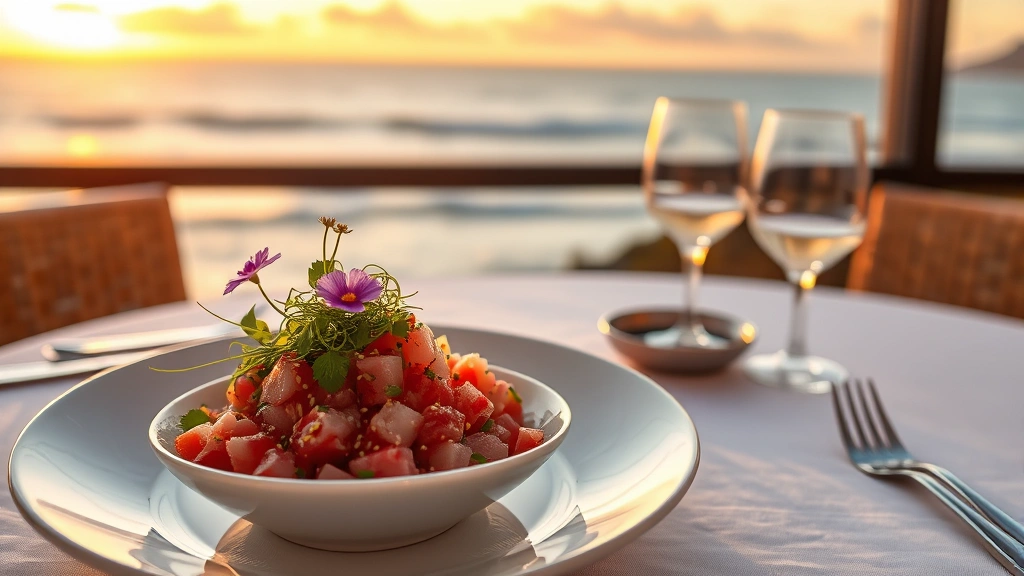
Mama’s Snack Stop in Paia has earned cult status among locals and visitors alike, though it operates more as a casual shack than a fine dining establishment. But venture to the resort properties in Wailea, and you’ll discover restaurants like Spago, where chef-driven cuisine meets the Pacific’s golden hour. The seared ahi arrives with a crispy sesame exterior that shatters beneath your teeth, revealing buttery, barely-cooked flesh that tastes of the ocean itself. The ponzu glaze—bright with yuzu and balanced with salty umami—cuts through the richness perfectly.
What distinguishes these establishments is their commitment to sourcing. Many work directly with local fishermen who deliver their catch daily. I’ve watched servers describe fish with the kind of specificity usually reserved for wine: where it was caught that morning, what it was feeding on, how it was handled to preserve its delicate structure. This level of care transforms a simple piece of fish into a meditation on place and season.
The wine programs at Maui’s fine dining restaurants deserve special mention. Sommeliers here understand that island cuisine requires different pairings than continental cooking. A crisp Albariño might accompany local wahoo better than a heavy Chardonnay. The best restaurants have curated lists that honor both classic selections and emerging producers, creating opportunities for genuine discovery.
Local Farm-to-Table Treasures
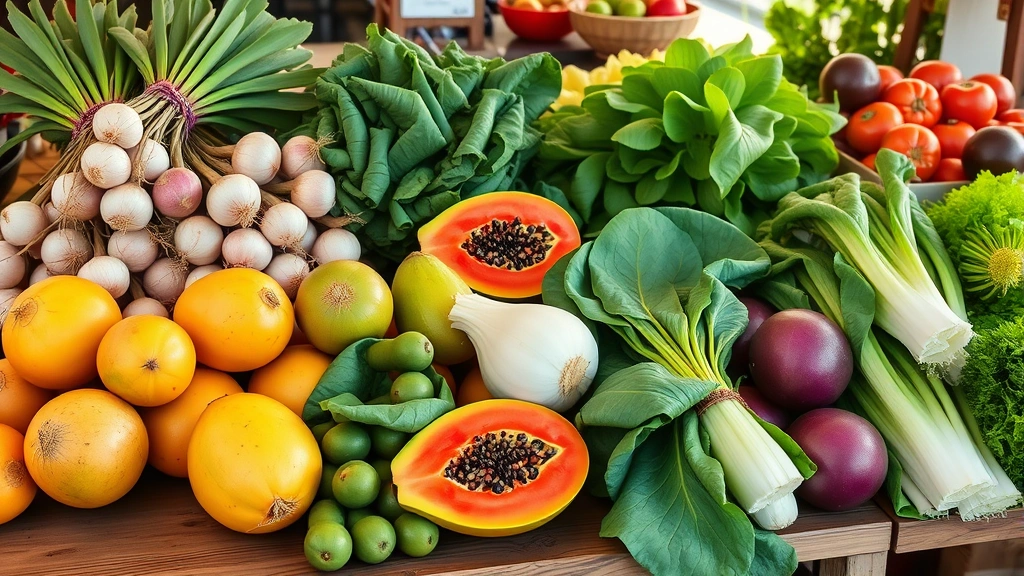
Perhaps no culinary movement feels more authentic in Hawaii than farm-to-table dining. Here, it’s not a marketing strategy—it’s the only sensible way to cook. Maui’s volcanic soils produce vegetables of remarkable intensity: tomatoes that taste like concentrated sunshine, lettuces with mineral undertones, root vegetables with earthy complexity.
Mama’s Snack Stop exemplifies this philosophy, though for a more refined interpretation, seek out restaurants that partner directly with Maui’s agricultural community. I’ve dined at establishments where the chef can point to the specific farm—sometimes visible from the dining room—where tonight’s vegetables were harvested this morning.
The beauty of farm-to-table cooking on Maui is how it respects the ingredient hierarchy. Rather than drowning vegetables in heavy sauces, chefs here understand that a perfectly ripe Maui onion needs little more than careful preparation and quality salt. I’ve tasted charred onion wedges that were simultaneously sweet, savory, and slightly caramelized—a symphony of flavor that emerged simply from heat and technique.
These restaurants often feature menus that change daily or even hourly, depending on what’s available. This requires a different mindset from diners accustomed to ordering the same dish repeatedly. Instead, you’re invited to trust the chef’s judgment and taste what the island offers in this moment. That vulnerability—that willingness to be surprised—is where the magic happens.
For those exploring vegan friendly restaurants near you, Maui’s farm-to-table establishments often excel, as plant-based cuisine naturally aligns with their locavore philosophy.
Traditional Hawaiian Cuisine Reimagined
Authentic Hawaiian cuisine represents one of the world’s most distinctive culinary traditions, yet it’s often misrepresented in casual tourist establishments. True Hawaiian cooking—what locals call ono grinds—celebrates ingredients and techniques refined over centuries of island living.
The foundation of Hawaiian cuisine rests on several key ingredients: taro, sweet potato, coconut, and seafood. But beyond the ingredients lies a philosophy of cooking that emphasizes respect for the source and minimal manipulation. A traditional imu (underground oven) doesn’t just cook food; it transforms it through smoke, heat, and time, creating flavors that can’t be replicated in conventional kitchens.
Contemporary Hawaiian restaurants are reclaiming this heritage while incorporating modern technique. I’ve experienced kalua pork that was smoked for 12 hours until the meat achieved an almost creamy texture, served with a modern interpretation of lau lau—taro leaves wrapped around pork and steamed until silken. The contrast between the smoky, rich pork and the delicate, slightly bitter taro creates a complexity that honors tradition while pushing it forward.
Poi—that often-misunderstood staple—reveals its true nature when prepared properly. The smooth, slightly tangy paste becomes a canvas for flavor, its subtle sweetness and starchy richness providing ballast for richer dishes. I’ve learned to appreciate poi not as a standalone dish but as a textural and flavor complement, much like bread in other cuisines.
These restaurants often feature foodie blog recommendations highlighting their cultural authenticity. The best ones are operated by families with deep Hawaiian roots, ensuring that recipes and techniques reflect genuine tradition rather than tourist interpretation.
Casual Dining with Soul
Some of Maui’s most memorable meals happen in humble settings where the focus remains entirely on flavor. These casual establishments—sometimes just a counter and a few stools—represent the island’s true culinary heartbeat.
Ululani’s Shave Ice might seem like simple frozen dessert, but in the hands of masters, shave ice becomes an art form. The ice is shaved so finely it’s almost snow-like, creating a texture that melts on your tongue. Local syrups—made with real fruit, real sugar, and real passion—provide flavors that range from traditional to adventurous. I’ve tasted passion fruit syrup so intensely aromatic it seemed impossible to capture such flavor in liquid form.
Plate lunch establishments represent another essential category. These casual spots serve portions generous enough to fuel a day of work, combining rice, protein, and vegetables in combinations that seem simple until you taste them. The magic lies in the quality of each component: rice cooked with the right amount of moisture, proteins seasoned to enhance rather than mask their natural flavors, vegetables prepared with respect for their texture.
Fish tacos at beachside shacks showcase another essential Maui dining experience. Fresh mahi-mahi or ono, lightly battered and fried until golden, tucked into soft tortillas with fresh cabbage slaw and bright citrus crema—these represent casual dining at its most satisfying. The interplay between crispy fried fish, cool slaw, and acidic crema creates a complete flavor experience in a hand-held format.
These casual establishments often appear in unique restaurants near me searches, as they represent the authentic, off-the-beaten-path experiences that create lasting memories.
Ethnic Culinary Fusion
Maui’s multicultural history has created a unique culinary landscape where Hawaiian, Japanese, Portuguese, Chinese, and Filipino influences blend naturally. This isn’t forced fusion; it’s the organic result of generations of families from different cultures living and cooking together.
Japanese influences appear throughout Maui’s dining scene, from sushi establishments that source fish daily to ramen shops where broth simmers for 18 hours. I’ve experienced ramen where the broth coated my palate with umami richness, where each element—noodles, egg, pork—had been prepared with individual care and then unified into a harmonious whole.
Portuguese influence manifests in malasadas (fried pastries) and seafood preparations that emphasize garlic, paprika, and olive oil. These flavors feel both foreign and natural on Maui, a testament to the Portuguese families who arrived generations ago and integrated their culinary traditions into island culture.
Chinese restaurants on Maui often prepare dishes with Maui-specific ingredients, creating a fusion that feels inevitable rather than contrived. I’ve tasted char siu made with local pork, stir-fried vegetables using Maui onions and locally-grown bok choy, creating dishes that feel both authentic to their origin and true to their current location.
Filipino cuisine, with its emphasis on bold flavors and resourceful cooking, has found natural expression on Maui. Adobo—that essential Filipino dish of meat braised in vinegar and soy—achieves new dimensions when made with Maui-raised pork and local vinegars.
Breakfast and Brunch Destinations
Maui’s breakfast culture deserves dedicated exploration. The island’s mornings are special—the light is golden, the air carries ocean salt, and hunger feels like an adventure rather than a mere biological necessity.
Açai bowls have become ubiquitous, but quality varies dramatically. The best versions feature thick, creamy açai that tastes genuinely of berries rather than sugar, topped with granola that provides textural contrast without overwhelming the base. I’ve tasted açai bowls where each component—the fruit, the nuts, the local honey drizzle—felt like it had been selected individually for quality.
Macadamia nut pancakes represent a distinctly Hawaiian breakfast experience. When executed properly, the nuts are toasted until their oils release, then folded into batter that’s cooked until golden and slightly crispy at the edges. Topped with local honey or passion fruit syrup, they represent comfort and sophistication simultaneously.
Breakfast burritos filled with local Portuguese sausage, eggs, and cheese wrapped in flour tortillas showcase the multicultural nature of Maui breakfast culture. The sausage brings smoky, garlicky richness; the eggs provide creamy binding; the cheese adds tangy depth. It’s a complete meal in hand-held format, perfect for those planning beach days or hiking adventures.
Smoothie bowls—when made with real fruit and real intention—provide refreshment and nutrition. The best versions use tropical fruits at peak ripeness: mango so sweet it needs no additional sugar, papaya with delicate floral notes, pineapple that tastes like concentrated sunshine.
For date night restaurants that open early, Maui offers romantic breakfast settings where ocean views and quality cuisine create perfect morning experiences.
The breakfast and brunch scene on Maui has evolved significantly, with chefs recognizing that morning meals deserve the same attention as dinner service. I’ve encountered breakfast menus featuring house-made pastries, locally-roasted coffee prepared with barista-level technique, and egg dishes that showcase technique and ingredient quality.
One establishment I particularly admire sources eggs from local farms where hens eat diverse diets, resulting in yolks of remarkable color and richness. These eggs—whether scrambled, poached, or baked—taste fundamentally different from industrial alternatives. The difference isn’t subtle; it’s a revelation about what eggs can taste like when raised properly.
FAQ
What’s the best time to visit Maui for the best restaurant experiences?
Maui’s restaurant scene thrives year-round, though seasons affect ingredient availability and crowds. Winter brings calm waters and excellent seafood; summer offers abundant local produce. Shoulder seasons (April-May, September-October) provide fewer crowds and pleasant weather. I recommend visiting during winter months (December-March) when the Pacific yields its finest fish, though be prepared for larger tourist crowds.
Are reservations necessary at Maui’s best restaurants?
Yes, absolutely. Popular establishments book weeks in advance, particularly for dinner service. Even casual restaurants can develop lines during peak hours. I recommend booking as soon as your travel dates are confirmed, especially for fine dining establishments in Wailea and Lahaina.
What’s the dress code for fine dining on Maui?
Maui’s fine dining maintains more relaxed standards than mainland establishments. Resort-casual typically suffices—collared shirts and nice pants for men, dresses or nice separates for women. Avoid beachwear and flip-flops, but Hawaiian shirts and linen pants are perfectly acceptable, even encouraged. Call ahead if you’re uncertain about specific dress codes.
How much should I budget for dining on Maui?
Casual dining ranges from $10-25 per person; mid-range restaurants cost $25-60; fine dining typically runs $80-200+ per person. Factor in alcohol, which can significantly increase bills. Many excellent experiences exist at every price point, so budget according to your preferences rather than assuming expensive means better.
What local ingredients should I specifically seek out?
Maui onions are legendary for their sweetness; seek them out prepared simply. Local fish—ahi, mahi-mahi, ono, opah—should be featured prominently. Maui-grown coffee, macadamia nuts, and tropical fruits (mango, papaya, passion fruit) represent the island’s agricultural excellence. These ingredients should appear throughout menus at quality establishments.
Are there good dining options for dietary restrictions?
Yes, though quality varies. Most restaurants accommodate vegetarian and vegan friendly restaurant requests, given Maui’s abundant produce. Gluten-free options are increasingly available. Call ahead to discuss specific needs; the best restaurants will work with you to create appropriate experiences rather than simply removing items from standard menus.
What’s the difference between Hawaiian cuisine and Hawaiian fusion?
Traditional Hawaiian cuisine uses indigenous and early-introduced ingredients prepared with traditional techniques—emphasis on imu cooking, minimal processing, and respect for ingredient quality. Hawaiian fusion incorporates contemporary techniques and global influences while honoring Hawaiian foundations. Both approaches have merit; the distinction lies in authenticity of intent and cultural respect.
Should I visit restaurants in Lahaina or Wailea?
Both regions offer excellent dining. Wailea features resort-based fine dining with ocean views and polished service. Lahaina offers more casual, historically-rooted establishments with stronger connections to local culture. I recommend experiencing both—fine dining in Wailea for special occasions, casual spots in Lahaina for authentic local culture.
How can I discover restaurants beyond tourist guides?
Follow local food writers and explore the Flavor Adventurer Blog for genuine recommendations. Ask hotel staff, particularly housekeeping and maintenance workers, where they eat—they’ll direct you to local favorites. Visit farmers markets and ask vendors where they recommend dining. The best discoveries come from conversations with people who live on Maui year-round.