Santa Fe’s culinary scene pulses with the vibrant energy of centuries-old traditions merged with contemporary innovation. Nestled in the high desert of northern New Mexico, this enchanting city has cultivated a restaurant culture that celebrates indigenous ingredients, Spanish colonial heritage, and the bold, complex flavors of authentic New Mexican cuisine. Whether you’re seeking traditional red and green chile dishes or avant-garde interpretations of regional fare, Santa Fe’s dining establishments offer unforgettable gastronomic experiences that reflect the city’s rich cultural tapestry.
Local food enthusiasts and visiting palates alike discover that Santa Fe transcends the typical tourist dining experience. The city’s best restaurants showcase chef-driven concepts where sustainability meets tradition, where heirloom recipes honor ancestral techniques, and where every plate tells a story of place, ingredient, and passion. From intimate adobe-walled establishments to elegant fine dining venues, Santa Fe’s restaurant landscape invites you to explore flavors that have defined Southwestern cuisine for generations while embracing contemporary culinary artistry.
The Santa Fe Dining Renaissance
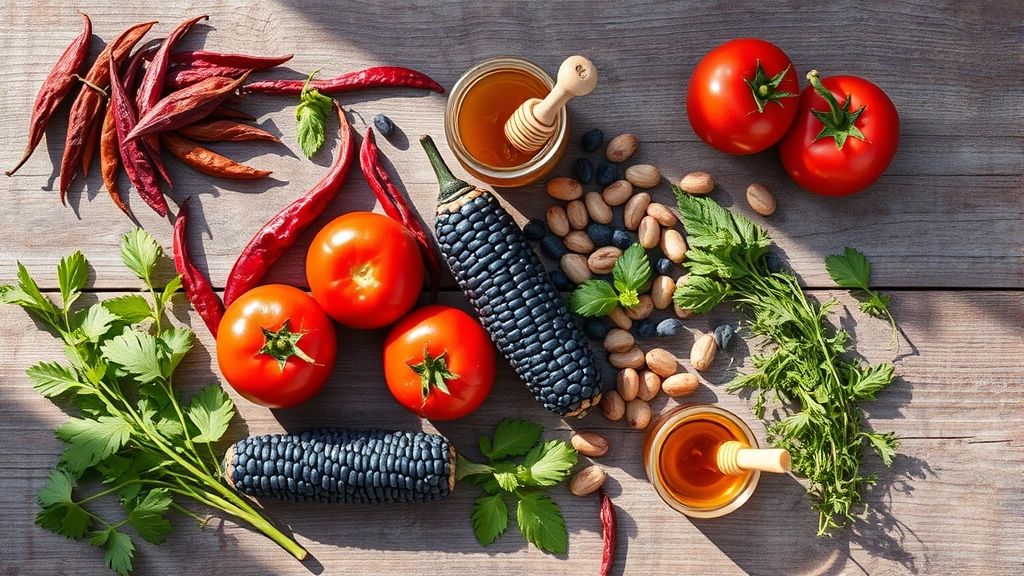
Santa Fe’s gastronomic evolution represents far more than trendy restaurant openings; it embodies a philosophical commitment to honoring indigenous foodways while embracing culinary innovation. The city’s elevation at 7,000 feet creates unique growing conditions for heirloom chile varieties, blue corn, and heritage beans that have sustained Pueblo communities for centuries. This geographical advantage, combined with passionate chefs who understand the profound connection between food and cultural identity, has established Santa Fe as a destination where every dining experience carries significance beyond the plate.
The restaurant community here demonstrates remarkable cohesion, with chefs frequently collaborating with local farmers, foragers, and artisanal producers. This interconnected ecosystem means that when you dine at Santa Fe’s best establishments, you’re participating in a larger conversation about sustainability, cultural preservation, and the future of regional American cuisine. Many restaurants feature rotating menus based on seasonal availability, ensuring that your experience reflects the current harvest and the chef’s creative response to what the land offers during your visit.
If you’re exploring regional dining scenes, you might appreciate our guides to McKinney restaurants or Chicago restaurant week 2025, which showcase similar dedication to local culinary excellence in their respective regions.
Fine Dining Experiences That Define Excellence
Santa Fe’s fine dining establishments represent the apex of Southwestern culinary artistry, where executive chefs command kitchens that rival any major metropolitan food destination. These restaurants occupy carefully curated spaces—often in historic properties with centuries of architectural character—where ambiance and cuisine merge into cohesive sensory experiences.
Geronimo stands as one of Santa Fe’s most celebrated fine dining institutions, occupying an 18th-century adobe hacienda that exudes authentic territorial charm. The kitchen crafts seasonal tasting menus that showcase the chef’s interpretation of Southwestern ingredients through refined French techniques. Expect dishes featuring local lamb prepared with unexpected flavor combinations, fresh-caught fish complemented by native herb reductions, and desserts that demonstrate equal technical mastery and creative vision. The wine program emphasizes selections from small producers, including notable New Mexico vintages that pair beautifully with the food.
Another cornerstone of Santa Fe’s fine dining landscape, Coyote Cafe, pioneered the concept of elevated New Mexican cuisine decades ago. Chef Mark Miller’s legacy continues through a kitchen that respects tradition while pushing boundaries. The dining room’s contemporary aesthetic contrasts intriguingly with the historic building’s bones, creating an environment where innovation feels both grounded and forward-thinking. The chile-centric menu might feature charred red chile bisque with blue corn tortilla crumbles, or grilled game with mole negro that required days of preparation.
For diners seeking molecular gastronomy and avant-garde plating, Luminaria delivers theatrical presentations alongside profound flavors. This restaurant embraces modernist techniques to deconstruct traditional dishes, revealing new dimensions in familiar ingredients. A deconstructed chile relleno might appear as foam, powder, and perfectly executed spheres that burst with concentrated flavor. The tasting menu format allows the kitchen to showcase technical prowess while maintaining narrative coherence across multiple courses.
Like the best rooftop bar restaurants in NYC, Santa Fe’s fine dining venues often feature exceptional beverage programs that elevate the overall experience. Sommeliers here demonstrate deep knowledge of wine regions and emerging producers, while cocktail programs showcase house-made ingredients and spirits sourced from craft distilleries.
Traditional New Mexican Cuisine at Its Finest
To truly experience Santa Fe, you must embrace authentic New Mexican cuisine—a distinct regional food tradition that differs significantly from Mexican cuisine or Tex-Mex interpretations. This culinary heritage emphasizes specific chile varieties, traditional preparation methods, and flavor profiles that have remained largely unchanged for centuries while gradually incorporating contemporary refinements.
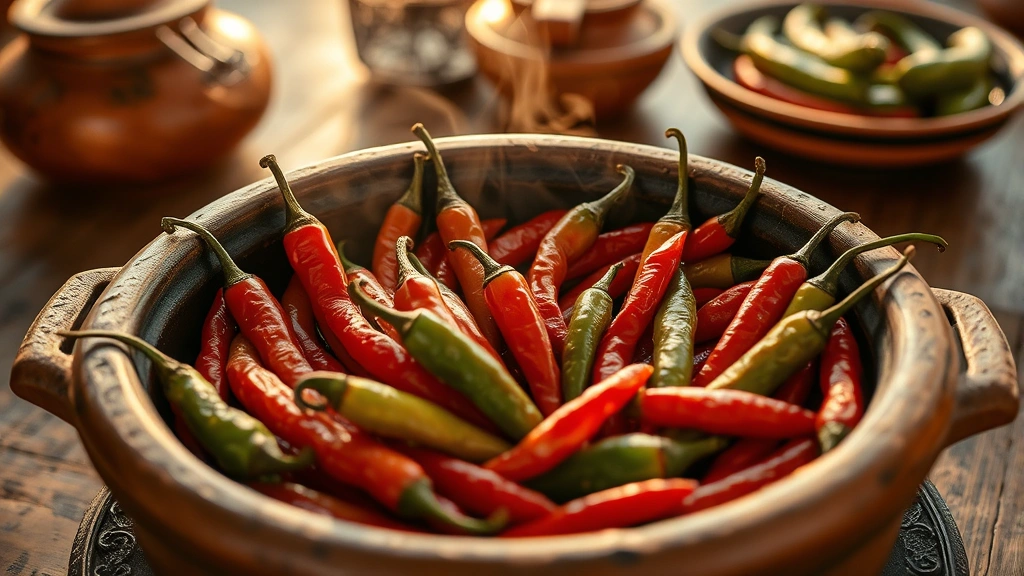
The question “red or green?” forms the essential Santa Fe dining ritual. Red chiles, fully ripened and dried, offer deeper, sometimes smoky sweetness with moderate heat. Green chiles, harvested before full maturity, deliver brighter, more herbaceous notes with sharper spice. The finest restaurants roast their chiles in-house, a process that requires skill and attention to avoid burning while achieving optimal flavor development. The aroma of roasting chiles perfumes Santa Fe’s streets during harvest season, creating an unmistakable sensory marker of place and season.
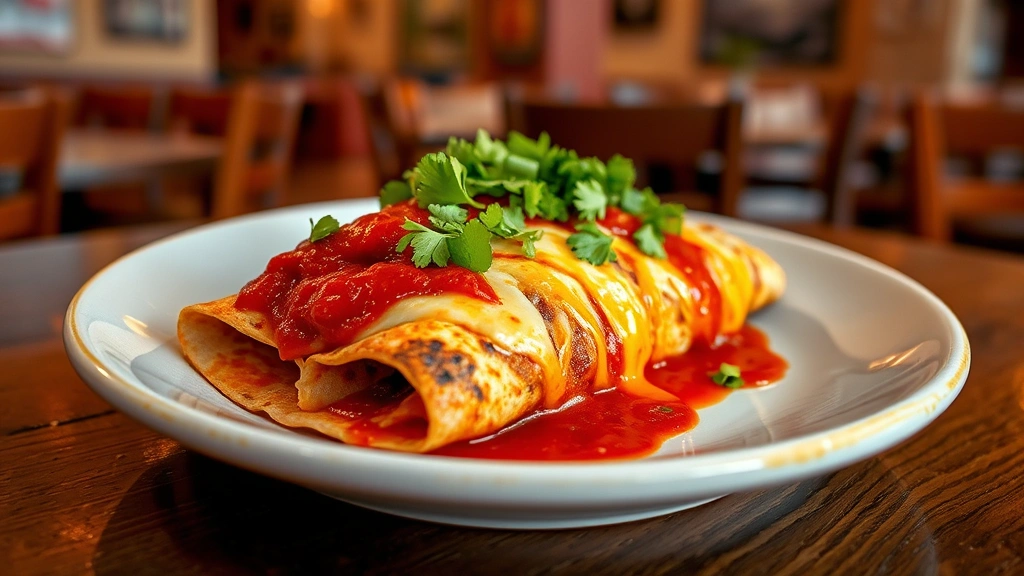
Sugar Nymphs Bistro represents the quintessential neighborhood spot where locals and knowledgeable visitors converge for unpretentious, beautifully executed traditional fare. The enchiladas here—whether topped with red chile, green chile, or mole—showcase perfect technique: tortillas neither too thick nor too thin, chile sauce balanced between heat and flavor complexity, cheese melted to creamy perfection but not overdone. The blue corn varieties provide nutty undertones absent from their white corn counterparts, creating depth that elevates these seemingly simple dishes into memorable experiences.
Rancho de Chimayo, located in nearby Chimayo, offers a pilgrimage-worthy experience where family recipes passed through generations appear on the table. The sopapillas—fried pastry pillows served with honey—achieve that elusive balance of crispy exterior and pillowy interior that separates exceptional versions from pedestrian attempts. The carne adovada, pork marinated and braised in red chile for hours until tender enough to shred with a fork, demonstrates how time and proper technique transform simple ingredients into transcendent dishes.
For those interested in exploring cuisine across regions, our collection of easy Asian dinner recipes provides contrasting flavor profiles and techniques that highlight the unique characteristics of Southwestern cooking.
Contemporary and Fusion Concepts
Santa Fe’s restaurant scene embraces culinary experimentation without abandoning respect for traditional foundations. Contemporary establishments here understand that fusion succeeds only when both components receive equal reverence and technical mastery.
Cafe Pasqual’s merges Mexican culinary traditions with California fresh-food sensibilities, creating dishes that feel simultaneously innovative and inevitable. The kitchen prioritizes organic, locally-sourced ingredients while employing Mexican cooking techniques refined through years of dedicated study. Breakfast dishes might feature blue corn pancakes with chile-infused butter, while dinner could showcase mole negro incorporating ingredients like chocolate, dried fruits, and toasted spices in proportions that suggest years of refinement.
The Shed, operating since 1953, occupies a rambling historic compound where traditional New Mexican cuisine receives contemporary plating and presentation. The red chile sauce here achieves legendary status through a closely-guarded recipe and rigorous quality control. Diners experience familiar dishes—enchiladas, chiles rellenos, sopapillas—elevated through superior ingredients, impeccable execution, and attention to detail that respects the food’s cultural significance.
Contemporary vegetable-forward cooking finds expression in restaurants that recognize Santa Fe’s agricultural bounty extends far beyond chiles. Farm-to-table establishments feature seasonal menus celebrating heirloom vegetables, indigenous grains, and foraged elements that add complexity and terroir to every plate.
Hidden Gems and Local Favorites
Beyond the celebrated institutions, Santa Fe harbors wonderful neighborhood restaurants where locals dine regularly, establishments that may not achieve widespread recognition yet deliver consistently excellent food and genuine hospitality.
Tecolote Cafe serves breakfast and lunch in a casual setting where green chile appears in nearly every savory dish. The chile on eggs demonstrates perfect execution: sauce coating the plate evenly, heat level calibrated for flavor rather than mere spice, fresh cilantro providing aromatic brightness. The breakfast burritos—flour tortillas wrapped around scrambled eggs, potatoes, and your choice of meat or vegetables, smothered in green chile—represent peak comfort food elevated through quality ingredients and technical precision.
Hidden within the historic Plaza area, La Boca offers Spanish tapas and New Mexican fare in an intimate setting that captures Santa Fe’s sophisticated yet unpretentious dining culture. The combination of Spanish and New Mexican traditions creates an interesting dialogue on the plate, with dishes that honor both culinary heritages simultaneously.
For casual dining that doesn’t compromise on quality, Gabriela’s serves traditional New Mexican fare in a family-friendly environment. The red chile here achieves that perfect balance between richness and brightness, suggesting hours of careful simmering and ingredient selection. The sopapillas emerge from the fryer at precisely the right moment, their interiors remaining tender while exteriors achieve satisfying crispness.
Seasonal Ingredients and Farm-to-Table Philosophy
Santa Fe’s restaurant community demonstrates exceptional commitment to seasonal cooking, a philosophy that creates natural rhythm to the dining calendar and ensures optimal flavor development in every ingredient.
During harvest season (typically August through October), chile becomes the dominant ingredient across nearly every restaurant’s menu. Chefs celebrate the brief window when fresh green chiles are available, incorporating them into dishes beyond traditional preparations. You might encounter green chile incorporated into vinaigrettes, infused into broths, or featured in unexpected applications where their bright, herbaceous character adds complexity.
Spring brings tender greens, early vegetables, and lamb that has been grazing on winter forage, creating meat with distinctive flavor character. Summer explodes with stone fruits, berries, and warm-weather vegetables that inspire lighter preparations and fruit-forward desserts. Fall transitions into harvest mode, with root vegetables, winter squash, and game achieving peak quality.
Many of Santa Fe’s best restaurants maintain relationships with specific farms, sometimes featuring the grower’s name on the menu. This transparency reflects confidence in sourcing and acknowledges the farmer’s contribution to the final dish. Some establishments operate their own gardens or partner with multiple producers to ensure consistent access to specific varieties selected for flavor and texture characteristics rather than shelf stability or shipping capability.
The farm-to-table philosophy extends beyond vegetables to proteins as well. Local ranchers raise grass-fed beef and lamb that develops flavor complexity impossible to achieve through industrial production. Game birds, when featured, often come from specific sources where the chef maintains relationships and understands the animals’ diet and living conditions.
For those interested in recreating Southwestern flavors at home, explore our guide to simple chocolate dessert recipes, which includes several Southwestern-inspired preparations featuring chile and traditional ingredients.
Similarly, if you’re seeking inspiration for dining experiences beyond Santa Fe, our coverage of vegan restaurants in NYC showcases how other destinations approach seasonal, locally-sourced dining with different culinary traditions.
Santa Fe’s restaurant scene ultimately reflects a community that understands food’s profound role in cultural preservation, economic sustainability, and personal connection. Every meal becomes an opportunity to taste terroir, to honor tradition, and to experience the creative vision of chefs who have chosen to dedicate their careers to this remarkable place and its culinary heritage.
FAQ
What is the difference between red and green chile?
Red chiles are fully ripened before harvesting and drying, developing deeper sweetness and sometimes smoky characteristics. Green chiles are harvested before full maturity, offering brighter, more herbaceous flavors with sharper heat. Both are essential to authentic New Mexican cuisine, and the choice often depends on personal preference and the specific dish.
When is chile harvest season in Santa Fe?
Chile harvest typically occurs from August through October, with peak season in September. During this time, restaurants feature fresh green chiles prominently, and the aroma of roasting chiles permeates the city. Many establishments offer roasted green chiles by the pound for home use during the harvest window.
Should I make reservations at Santa Fe’s best restaurants?
Absolutely. Fine dining establishments like Geronimo, Coyote Cafe, and Luminaria require reservations, sometimes weeks in advance during peak season. Even casual neighborhood favorites can experience waits during busy periods. Advance reservations ensure you experience these restaurants at their best and avoid disappointment.
What makes New Mexican cuisine different from Mexican cuisine?
New Mexican cuisine represents a distinct regional tradition developed over centuries in what is now New Mexico. While it shares some ingredients and techniques with Mexican cuisine, New Mexican cooking emphasizes specific chile varieties, traditional preparation methods, and flavor profiles unique to the region. The cuisine reflects indigenous Pueblo foodways, Spanish colonial influence, and centuries of adaptation to the high desert environment.
Are there vegetarian options at Santa Fe’s traditional restaurants?
Yes. New Mexican cuisine naturally accommodates vegetarian diets through dishes like chiles rellenos, vegetable enchiladas, beans prepared with chile, and seasonal vegetable preparations. Many restaurants offer vegetarian versions of traditional dishes, and contemporary establishments often feature innovative plant-based offerings that celebrate Santa Fe’s agricultural abundance.
What is the best time to visit Santa Fe for dining?
Each season offers distinct culinary advantages. Summer provides warm weather and lighter seasonal menus. Fall offers peak chile harvest and game preparations. Winter features rich, warming dishes and fewer crowds. Spring brings tender greens and lamb. Consider your chile preferences and tolerance for crowds when planning your visit.