Table of Contents
Introduction
There’s something almost magical about roasted vegetables. You toss some ordinary carrots and Brussels sprouts in the oven, and twenty minutes later? Pure gold. The flavors deepen, the edges get perfectly crispy, and suddenly your kitchen smells like a five-star restaurant. But here’s the thing—not everyone knows how to nail this technique.
The secret starts with picking the right vegetables. Root vegetables are your best friends here—carrots, parsnips, potatoes—because they’re packed with natural sugars that caramelize beautifully in the heat. Think of it like nature’s candy coating. Cruciferous vegetables (yes, that’s the fancy name for broccoli and Brussels sprouts) get this amazing crispy exterior while staying tender inside. Then you’ve got the colorful players: bell peppers, zucchini, and asparagus that bring both vibrant looks and distinct flavors to your plate. Want to take things up a notch? Learning some best homemade pasta recipes to go alongside your roasted vegetables will give you endless meal combinations that actually taste restaurant-quality.
Now, let’s talk about the vegetables that can trip you up. Some high-water content veggies turn into a soggy mess if you’re not careful—and nobody wants that. The good news? There are workarounds and prep tricks that’ll save the day every time. If you’re looking to keep things on the healthier side, checking out delicious low carb dinner recipes can show you how to pair roasted vegetables with meals that satisfy your taste buds and your health goals.
Here’s where most people go wrong: they think roasting is just “throw it in the oven and hope for the best.” Wrong! Cutting your vegetables to similar sizes? Game changer. Your oil choice? It matters more than you think. The temperature, the pan you use, even how you arrange everything on the sheet—it all affects whether you end up with restaurant-worthy vegetables or disappointing mush. Start with the classics: garlic, rosemary, and good olive oil. Once you’ve got that down, experiment with balsamic glaze or a pinch of chili flakes for some excitement.
Speaking of expanding your skills, roasted vegetables play incredibly well with other dishes. Ever tried pairing them with fresh seafood? Simple seafood recipes for every home cook opens up a whole world of possibilities for creating complete, satisfying meals that’ll impress anyone at your dinner table.
What You’ll Learn in This Guide
This complete guide will teach you everything you need to know about creating incredible roasted vegetables. Here’s what we’re covering:
- Choosing the Right Vegetables: Learn which vegetables roast best and why, including tips on selecting and preparing both popular and lesser-known options for roasting.
- Roasting Techniques and Tips: Discover key techniques to achieve perfect texture and flavor—covering cutting, seasoning, oven settings, and equipment choices.
- Flavor Combinations and Seasonings: Explore classic and creative ways to season your vegetables, including herbs, spices, and toppings that bring your creations to life.
- Delicious Recipes to Try: Gain access to easy-to-follow roasted vegetable recipes covering various flavor profiles and meal ideas for every occasion.
By the time you finish reading this, you’ll have the confidence to experiment fearlessly in the kitchen. No more guessing games or disappointing results—just consistently delicious vegetables that everyone will ask you about.
We’re also diving into the health benefits (because yes, roasting actually preserves more nutrients than you might expect) and showing you how to make these vegetables the star of the show, not just an afterthought on the side of your plate.
Throughout this guide, you’ll find answers to the questions that always seem to pop up: What temperature works best? Which oils should you avoid? How do you keep everything from sticking to the pan? We’ve got practical solutions that actually work, plus time-saving shortcuts that make the whole process enjoyable instead of stressful.
And because great food is about building complete, satisfying meals, we’ve included links to recipes that pair beautifully with roasted vegetables. Try some easy homemade bread recipes for the perfect accompaniment, or explore plant-based protein sources to create meals that are both delicious and nutritionally balanced. The goal? Help you create meals that make everyone at the table happy—including yourself.
There’s something magical about roasting vegetables. You take these humble ingredients—maybe some carrots sitting in your fridge, a few Brussels sprouts you’ve been avoiding—and transform them into something incredible. The edges get crispy and caramelized, the insides turn tender and sweet, and suddenly you understand why roasted vegetables can steal the show at dinner.
Choosing the Best Vegetables for Roasting
Here’s the thing about roasting: not every vegetable is cut out for it. But the ones that are? They absolutely shine. Root vegetables like carrots, parsnips, and potatoes are your best friends here. Why? They’re dense, they’ve got natural sugars that caramelize beautifully, and they can handle the heat without falling apart. Toss them in the oven and watch them develop that sweet, earthy flavor that makes you wonder why you ever boiled a carrot in your life.
Then there are the cruciferous vegetables—broccoli and Brussels sprouts especially. These guys get a bad rap, but roasting changes everything. Those crispy, golden edges? The way the natural bitterness mellows into something rich and nutty? Pure magic. And don’t forget about the colorful additions: bell peppers, zucchini, and asparagus bring vibrant hues and different textures that make your roasted veggie mix look like something from a cooking magazine.
Want to expand your vegetable game even further? Sometimes I love pairing roasted vegetables with quick stir-fries for variety. If you’re curious about balancing flavors and textures in different ways, check out these easy stir fry recipes—they’re perfect for when you want to mix up your cooking routine while keeping that focus on fresh, flavorful vegetables.
Popular Vegetables to Roast
Let me break down some of my go-to vegetables and why they work so well:
- Root Vegetables: Carrots, parsnips, and potatoes are absolute stars. They’ve got those complex carbohydrates and natural sugars that turn golden and sweet when roasted. Plus, they’re sturdy enough to handle high heat without turning to mush—which means you get that perfect tender-but-not-mushy texture every time.
- Cruciferous Vegetables: Broccoli and Brussels sprouts might surprise you. Roasting tames their sometimes-sharp bite and creates these amazing crispy edges with a deep, almost nutty flavor. Trust me, even the Brussels sprouts skeptics in your family will be asking for seconds.
- Others: Bell peppers, zucchini, and asparagus are your color and texture heroes. They have more water content, so they need a bit more attention (nobody wants soggy vegetables), but when you nail it, they add this fresh juiciness that balances out the heartier root vegetables perfectly.
Now, fair warning: some vegetables just aren’t meant for roasting. Cucumbers and lettuce? Don’t even think about it. They’ll turn into sad, watery messes that’ll make you question your life choices. Stick to fresh preparations for those. If you’re looking for other ways to showcase vegetables in your meals, these vegetarian pasta recipes are fantastic for creating balanced, satisfying dishes that complement your roasted veggie skills.
Getting your vegetable selection right is half the battle. Once you’ve got that down, it’s time to talk technique—because even the best vegetables can go wrong if you don’t know what you’re doing.
Tips for Perfectly Roasted Vegetables
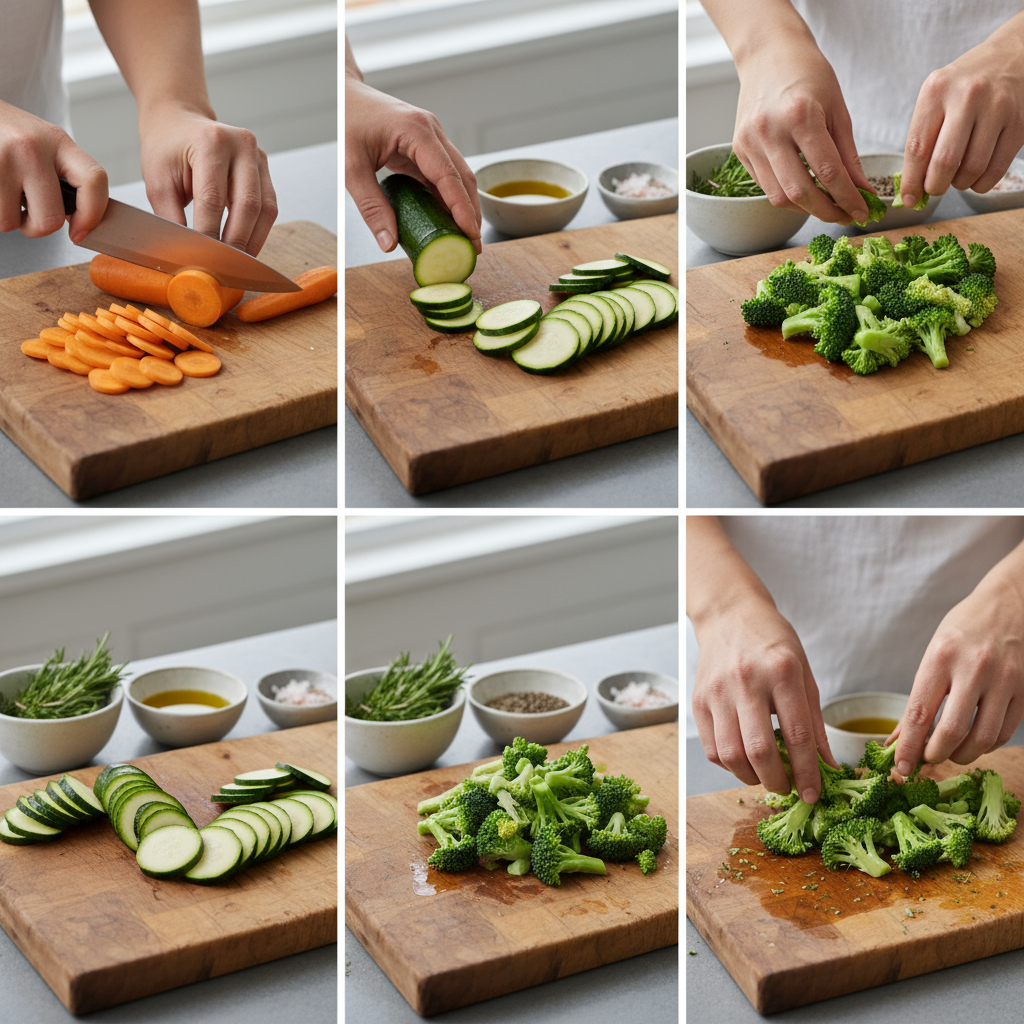
Okay, let’s talk about the real secrets to roasted vegetable perfection. First up: cutting. I know it seems obvious, but you’d be amazed how often this gets overlooked. Cut everything roughly the same size. Seriously. Those tiny carrot pieces will turn to charcoal while your massive potato chunks are still raw in the middle. Not the vibe we’re going for.
The oil situation is crucial too. You want something with a high smoke point—olive oil works great—and don’t be stingy, but don’t drown them either. Just enough to coat everything and help those edges get crispy. And speaking of elevating your vegetables, if you want to get fancy with sauces and dressings that pair beautifully with roasted veggies, these best sauce recipes for pasta have some serious gems that can turn your side dish into the main event.
Key Aspects of Roasting Techniques
Here’s what you need to know to nail it every time:
- Uniform Cutting: This isn’t just me being picky—it’s science. Same-sized pieces cook at the same rate. No burnt bits, no raw centers, just perfectly cooked vegetables across the board. Take the extra two minutes to do this right. Your dinner will thank you.
- Right Oil and Seasoning: Olive oil or avocado oil are your friends here. Coat those vegetables lightly (think massage, not swimming pool), then keep the seasoning simple. Sea salt, pepper, maybe some fresh herbs or garlic. The vegetables are the stars—don’t overshadow them.
- Optimal Oven Temperature and Timing: 400-425°F is the sweet spot. Hot enough to get those caramelized edges, not so hot that everything burns. Most vegetables need 20-40 minutes, but here’s the pro tip: toss them halfway through. This ensures even browning and prevents any sad, pale spots.
- Choosing the Proper Cookware: Give your vegetables space to breathe. Overcrowded pans create steam, and steam is the enemy of crispy edges. Use parchment paper if you want (cleanup is a breeze), and spread everything out in a single layer. If you need two pans, use two pans.
Master these techniques, and you’ll turn vegetable roasting into an art form. Your kitchen will smell incredible, and you’ll actually look forward to eating your vegetables. And if you’re feeling adventurous about incorporating roasted vegetables into snacks and other creative dishes, these easy healthy snack recipes show you how to think outside the dinner plate and make roasted vegetables part of your whole day.

Here’s the thing about roasting vegetables—it’s pure magic in your oven. Those humble carrots, Brussels sprouts, and bell peppers? They transform into something completely different when you give them the right heat treatment. The natural sugars caramelize, creating depth you just can’t get any other way. And honestly, once you nail the basics (uniform cuts, high-heat oils, proper temperatures), you’ll wonder why you ever boiled a vegetable again.
What I love most is how forgiving this cooking method is. Toss some root veggies with olive oil, throw in garlic and rosemary—or get adventurous with balsamic glazes and chili flakes—and you’re golden. The best part? You’re actually doing your body a favor. Roasting keeps more nutrients intact compared to other methods, plus all that fiber keeps your digestive system happy. Win-win.
Now, if you really want to take things up a notch, think beyond just the vegetables themselves. I’ve found that pairing roasted veggies with homemade pasta creates restaurant-quality meals at home—check out our best homemade pasta recipes for some serious inspiration. And don’t even get me started on how amazing fresh bread tastes alongside a colorful veggie medley. Our easy homemade bread recipes will have your kitchen smelling incredible. Want to switch things up entirely? Try our easy stir fry recipes—they’re quick, healthy, and offer a completely different texture experience. If you’re curious about taking your ingredient game to the next level, you might want to read about the benefits of eating organic foods. Trust me, quality ingredients make all the difference.
Look, you’ve got everything you need to become a roasted vegetable master. Don’t be afraid to experiment—mix different vegetables, try new spice combinations, play around with cooking times. Some of my best discoveries happened when I threw caution to the wind and just went for it. Whether you’re a complete beginner or you’ve been cooking for years, these techniques will serve you well. So grab your favorite vegetables, preheat that oven, and get ready to fall in love with roasting all over again.
Frequently Asked Questions
-
What temperature is best for roasting vegetables?
- The ideal temperature for roasting vegetables is typically between 400°F and 425°F. This range ensures even cooking, allowing vegetables to develop a crispy exterior while remaining tender inside.
-
Can I roast frozen vegetables?
- Yes, you can roast frozen vegetables, but it’s best to thaw them and pat dry to avoid sogginess. Proper preparation helps maintain the desired texture and flavor after roasting.
-
How long does it take to roast vegetables?
- Roasting times vary depending on the type and size of the vegetables but generally range from 20 to 40 minutes. Tossing halfway through ensures even cooking and browning.
-
Do I need to toss vegetables during roasting?
- Tossing vegetables about halfway through the roasting process promotes uniform browning and prevents soggy or unevenly cooked pieces, enhancing texture and flavor.
-
What oils are best for roasting vegetables?
- Oils with a high smoke point, such as olive oil, avocado oil, or grapeseed oil, are best for roasting as they provide good flavor and withstand the high heat without burning.