Top Rooftop Bars NYC: A Local Foodie’s Picks for Elevated Dining & Cocktails
New York City’s rooftop bar scene represents the pinnacle of elevated urban dining, where skyline views collide with culinary artistry and mixology mastery. As someone who has spent countless evenings exploring the city’s highest dining destinations, I’ve discovered that the best rooftop establishments transcend typical bar fare, offering sophisticated menus that rival full-service restaurants. These venues showcase panoramic vistas of Manhattan’s glittering landscape while serving meticulously crafted cocktails and innovative small plates that deserve serious gastronomic attention.
The rooftop bar culture in NYC has evolved dramatically over the past decade, transforming from simple drink-slinging operations into destination dining experiences where every element—from the ambiance to the aperitifs—is carefully curated. Whether you’re seeking craft cocktails with house-made syrups, seasonal cuisine featuring local ingredients, or simply the perfect vantage point to experience the city’s iconic architecture, these venues deliver unforgettable culinary moments. What separates the truly exceptional rooftop bars from the mediocre is their commitment to flavor integrity, ingredient quality, and the overall sensory experience of dining suspended above the bustling streets below.
The Rooftop Bar Renaissance in Manhattan
The transformation of New York’s rooftop bar landscape reflects a broader shift in how diners approach luxury and experience. What began as simple observation decks has morphed into sophisticated culinary theaters where mixologists and chefs collaborate to create harmonious flavor profiles. The best establishments understand that a rooftop bar isn’t merely a location—it’s a complete sensory journey that encompasses taste, sight, smell, touch, and the emotional resonance of dining suspended between earth and sky.
The competitive landscape has elevated standards across the board. Venues now compete not just on view quality but on the caliber of their culinary programs. You’ll find Italian restaurants with sophisticated rooftop components alongside innovative Asian fusion concepts and plant-based establishments that prove vegan dining can be equally compelling. This diversity means that whether you’re a cocktail purist or a food-first diner, there’s a rooftop experience tailored to your palate preferences.
The city’s geographic diversity plays a crucial role in rooftop bar culture. Manhattan’s density creates natural elevation disparities, while Brooklyn and Queens have developed their own rooftop scenes with equally compelling views and culinary offerings. Understanding the distinct character of each neighborhood’s rooftop venues helps diners make informed choices about which experience best suits their evening’s intentions.
Midtown’s Architectural Marvel Bars
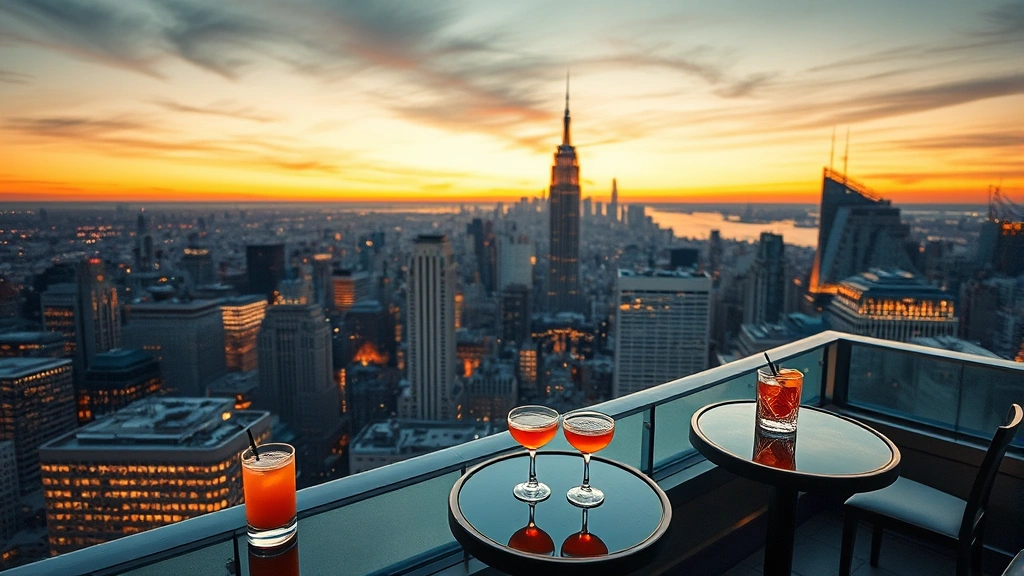
Midtown Manhattan’s rooftop bars occupy some of the city’s most architecturally significant buildings, offering unobstructed views of Central Park, the Hudson River, and the iconic Empire State Building. These venues typically feature polished, sophisticated atmospheres that reflect their prestigious addresses. The clientele tends toward business professionals, tourists seeking quintessential New York experiences, and special-occasion celebrants.
One defining characteristic of Midtown rooftop bars is their emphasis on craft cocktails with classical foundations. Bartenders here often train at prestigious mixology institutions and draw from time-honored recipes while incorporating contemporary techniques. The spirit selections tend toward premium expressions, with extensive bourbon, rye, and single-malt scotch collections. House-made ingredients—infused spirits, shrubs, bitters, and syrups—demonstrate the level of technical skill and ingredient commitment these establishments maintain.
The food programs in Midtown’s premier rooftop venues rival standalone restaurants. Expect seasonal menus that change quarterly, featuring ingredients sourced from New York’s agricultural regions and carefully selected purveyors. Small plates designed for sharing encourage leisurely grazing and conversation, while entrée options satisfy those seeking more substantial fare. The plating reflects fine dining sensibilities, with compositions that balance visual drama with restrained elegance.
Downtown’s Trendsetting Rooftop Venues
Downtown Manhattan and Brooklyn have cultivated rooftop bar scenes that emphasize innovation, accessibility, and culinary experimentation. These neighborhoods attract chefs and bartenders who view rooftop venues as laboratories for creative expression. The vibe tends toward casual sophistication rather than formal rigidity, making these spaces feel more approachable while maintaining exacting standards.
Downtown rooftop bars often feature plant-forward and vegan dining options alongside carnivorous selections, reflecting the neighborhoods’ diverse dietary philosophies. Ingredient-driven menus showcase vegetables with the same reverence typically reserved for proteins, with preparation techniques that highlight natural flavors rather than masking them. Fermentation, preservation, and whole-plant utilization represent common philosophical threads across many downtown establishments.
The cocktail programs in these venues frequently prioritize sustainability and local sourcing. Bartenders collaborate with local farmers, foragers, and artisanal producers to create unique ingredients unavailable elsewhere. You might encounter cocktails featuring foraged herbs, locally produced spirits, or vegetables treated with the same respect as premium liquors. This approach reflects a broader culinary ethos that views every component—from the primary spirit to the final garnish—as essential to the overall composition.
Culinary Excellence Above the City
The finest rooftop bar restaurants in NYC employ executive chefs with extensive fine dining backgrounds. These culinary professionals approach rooftop menus with the same rigor they’d apply to Michelin-starred establishments. The challenge lies in creating dishes that maintain their integrity despite the inherent limitations of rooftop kitchens—typically smaller spaces with fewer resources than ground-level restaurants.
Successful rooftop chefs have mastered the art of simplicity without sacrificing sophistication. Rather than attempting elaborate multi-component dishes, they focus on showcasing exceptional ingredients prepared with precision. A roasted fish fillet might feature just three elements: the pristine protein, a sauce highlighting a single complementary flavor, and a carefully selected garnish. This restraint allows each component’s quality to shine, creating dishes that taste as elegant as they appear.
Menu design in premium rooftop venues reflects deep understanding of how altitude, temperature, and atmosphere affect taste perception. Dishes are carefully sequenced to guide diners through a flavor journey, with temperature contrasts, textural variation, and palate cleansers strategically deployed. Amuse-bouches often introduce the evening’s flavor themes, while desserts provide memorable conclusions that linger long after diners descend to street level.
Many rooftop venues now offer special occasion dining experiences that capitalize on their unique settings. Private events, chef’s tasting menus, and seasonal celebrations take on heightened significance when staged against Manhattan’s skyline. These occasions often feature multi-course experiences with wine or cocktail pairings, representing the apex of rooftop dining sophistication.
Craft Cocktail Destinations Worth the Climb
The cocktail programs at NYC’s premier rooftop bars represent some of the city’s most innovative mixology. Head bartenders often possess deep spirits knowledge, understanding the flavor profiles and production methods of hundreds of expressions. This expertise informs their approach to spirit selection, with choices reflecting consideration of how different production styles will interact with other ingredients.
House-made ingredients distinguish exceptional rooftop bars from competent ones. Skilled bartenders prepare their own bitters, infusing spirits with botanicals selected for specific flavor contributions. Syrups showcase creative flavor combinations—lavender-honey, jalapeño-lime, cardamom-vanilla—that elevate classic cocktail templates. Some establishments even maintain relationships with local distilleries, featuring limited-edition spirits unavailable elsewhere in the city.
Seasonal cocktail menus at top rooftop venues change with ingredient availability and flavor themes. Spring cocktails might feature fresh herbs and floral notes, while autumn brings warming spices and darker spirits. Winter cocktails often emphasize rich, comforting flavors, while summer selections prioritize refreshment and brightness. This seasonal approach reflects the same culinary philosophy that guides food menus, treating ingredients as characters whose stories evolve throughout the year.
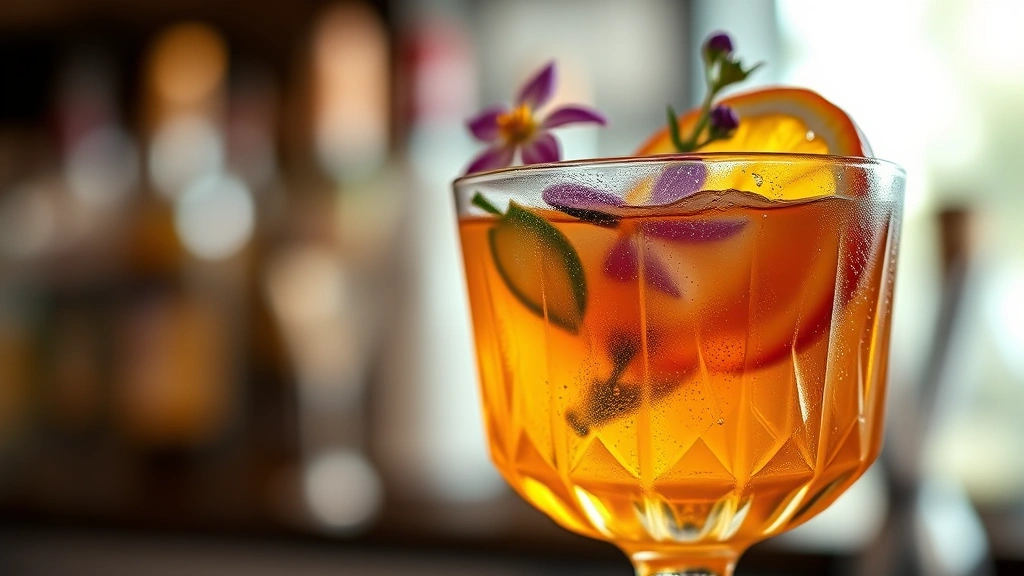
The glassware at serious cocktail bars merits attention. Each drink type receives a vessel carefully selected to enhance aroma perception, temperature control, and visual presentation. Coupe glasses for spirit-forward cocktails, highballs for refreshing mixed drinks, and custom glassware for house specialties all serve functional purposes beyond aesthetics. Ice quality similarly receives serious consideration, with many venues producing custom ice shapes and densities that affect dilution rates and drinking experience.
Seasonal Menus and Ingredient Philosophy
The most respected rooftop establishments approach ingredient sourcing with philosophical commitment. Rather than viewing the menu as fixed, seasonal menus allow chefs to respond to what’s available at peak ripeness and flavor. This approach requires close relationships with farmers, foragers, and specialty purveyors—connections that take years to develop and maintain.
Spring menus celebrate emergence and renewal. Asparagus, peas, spring lettuces, and fresh herbs dominate the flavor palette. Proteins are often lighter—fish, poultry, and delicate preparations that won’t overwhelm the season’s delicate vegetables. The cuisine emphasizes brightness and acidity, with vinaigrettes, citrus, and herbaceous elements creating vibrant flavor profiles. Cocktails featuring new-growth botanicals and lighter spirits align with the season’s overall sensibility.
Summer rooftop dining emphasizes refreshment and abundance. Stone fruits, berries, tomatoes at peak ripeness, and an explosion of vegetable varieties provide endless inspiration. Chefs prepare vegetables with minimal intervention, allowing their inherent sweetness and complexity to shine. Cold preparations—gazpachos, salads, crudo presentations—dominate menus, while cocktails prioritize refreshment with tropical fruits, citrus, and sparkling elements. The warmth makes lighter eating more appealing, encouraging the leisurely grazing that rooftop venues facilitate.
Autumn brings earthy richness. Root vegetables, squashes, mushrooms, and game become prominent. Chefs employ techniques that highlight umami—roasting, caramelizing, and long braises that develop deep, complex flavors. Spices become more prominent, with warming notes reflecting the season’s character. Cocktails shift toward darker spirits, richer ingredients, and warming spices that provide comfort as temperatures cool.
Winter menus showcase preservation and technique. Root vegetables stored through the season, preserved preparations, and proteins that benefit from careful aging dominate winter rooftop dining. Broths, stocks, and slow-cooked preparations provide warmth and comfort. Cocktails emphasize richness and warming qualities, with aged spirits, baking spices, and luxurious ingredients creating drinks that feel like liquid comfort food.
This seasonal approach reflects broader culinary trends emphasizing sustainability and ingredient quality. By working within seasonal constraints rather than fighting them, chefs create menus with superior flavor while reducing environmental impact. Diners who embrace seasonal eating find themselves experiencing dishes at their absolute peak flavor potential—asparagus in April tastes fundamentally different from asparagus in August, and menus designed around this reality deliver superior experiences.
FAQ
What makes a rooftop bar restaurant different from a regular rooftop bar?
Premium rooftop bar restaurants employ full culinary teams with executive chefs, extensive menus featuring multi-component dishes, and dining-focused service standards. They differ from casual rooftop bars through their commitment to ingredient quality, seasonal menu changes, and culinary sophistication comparable to standalone fine dining establishments. The food program receives equal emphasis to the cocktail program, with chefs and bartenders collaborating to create complementary flavor experiences.
Do rooftop bars in NYC require reservations?
Reservation policies vary significantly. Many premium rooftop venues accept reservations for dining and require them during peak hours, though some maintain walk-in bar seating. It’s essential to check individual venue policies, as popular establishments often book weeks in advance, particularly during summer months and weekends. Calling ahead ensures you secure your preferred time and seating location.
Are rooftop bars expensive?
Pricing varies based on venue prestige, location, and season. Premium rooftop bars in Midtown typically charge more than downtown alternatives, with cocktails ranging from $16-$22 and food from moderate to expensive depending on selections. Many establishments offer happy hour pricing during off-peak times, making them more accessible. Special occasion venues command premium pricing, while more casual rooftop spots provide better value for budget-conscious diners.
What’s the best season to visit rooftop bars in NYC?
Summer offers the most extended rooftop season, with pleasant weather and long daylight hours creating ideal conditions. However, spring and fall provide equally compelling experiences with comfortable temperatures and fewer crowds. Winter rooftop dining appeals to those seeking quieter venues and dramatic skyline views, though cold temperatures can be challenging. Each season offers distinct advantages, and seasonal menus ensure year-round culinary interest.
Can I find quality vegan dining at NYC rooftop bars?
Absolutely. Many downtown rooftop venues feature comprehensive vegan restaurant options with sophisticated preparations equal to non-vegan selections. Progressive chefs treat vegetables with the same respect as proteins, creating dishes that satisfy all dietary preferences. Always mention dietary requirements when reserving to ensure the kitchen can prepare exceptional options tailored to your needs.
How far in advance should I make reservations?
For premium rooftop venues, reserving 2-4 weeks in advance is recommended, particularly for weekends and summer dates. Popular establishments book months ahead for special occasions. Last-minute reservations may be available during weekday off-peak hours. Cancellation policies vary, so confirm terms when booking to avoid unexpected charges.
Are rooftop bars good for business dining?
Many Midtown rooftop bars cater specifically to business professionals, offering upscale atmospheres, professional service, and private areas for confidential conversations. Downtown venues work equally well for creative business meetings with more relaxed vibes. The elevated setting, quality cocktails, and sophisticated food create impressive backdrops for business relationships. Confirm your venue’s business dining amenities when reserving.