Big Sur Dining: Are These Eateries Worth It? Local Guide
Perched dramatically along California’s most breathtaking coastline, Big Sur presents a unique dining paradox. The region’s remote location, towering redwoods, and plunging ocean cliffs create an almost spiritual setting for meals—yet the isolation also means limited options, premium pricing, and logistical challenges that test even the most determined food enthusiasts. This comprehensive guide dissects whether Big Sur’s celebrated restaurants deliver culinary excellence worthy of the journey and investment, or if they trade on scenery alone.
Having traversed the winding Pacific Coast Highway and sampled offerings across Big Sur’s intimate dining landscape, I’ve discovered that the answer isn’t black-and-white. Some establishments masterfully balance coastal ambiance with genuine gastronomic merit, while others rely heavily on their magnificent surroundings. This local guide separates the truly exceptional from the merely scenic, helping you make informed decisions about where to invest your time and considerable budget.
Understanding Big Sur’s Dining Economy
Big Sur’s restaurant scene operates under fundamentally different constraints than typical California dining destinations. The region stretches roughly 90 miles along the coast, with population density so low that a single restaurant might serve visitors from across a 50-mile radius. This geographic reality directly impacts everything from ingredient sourcing to staffing, labor costs to operational overhead.
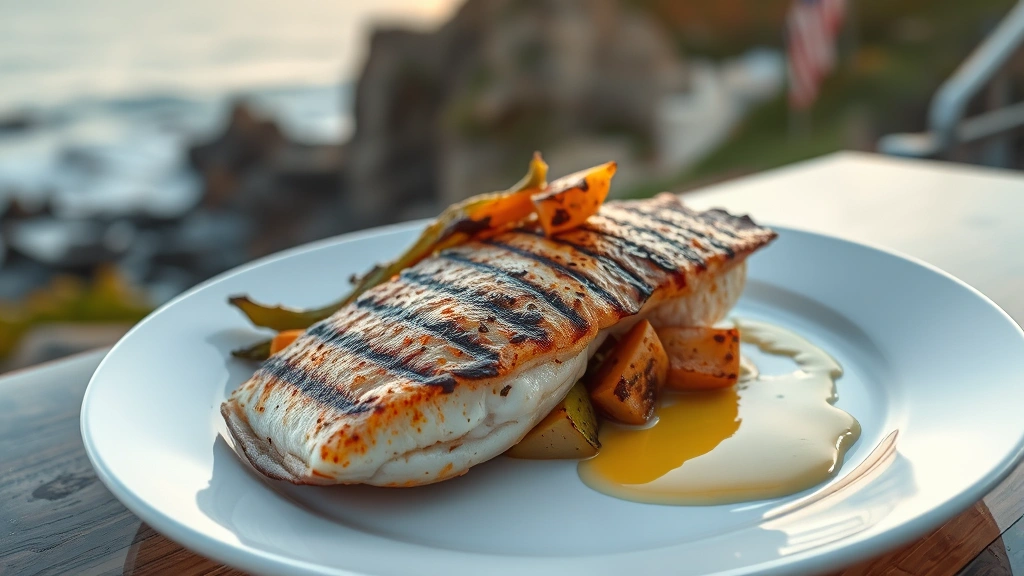
Prices in Big Sur restaurants run 30-50% higher than comparable establishments in Monterey or San Luis Obispo, just 60-90 minutes away by car. A simple grilled fish entrée might cost $38-48 here versus $24-32 in nearby towns. Appetizers frequently exceed $16-18, and wine markups reflect the captive-market dynamic. Understanding this economic context isn’t about justifying inflated pricing—it’s about evaluating whether the experience justifies the premium. When you’re spending $150+ per person before wine, the culinary execution must be impeccable.
The isolation also means limited ingredient availability. Chefs here develop sophisticated relationships with specialty suppliers, maintain extensive gardens, and often forage from the surrounding landscape. This constraint, paradoxically, drives creativity. Menus change frequently—sometimes daily—based on what’s available. This unpredictability frustrates some diners but delights those who understand that seasonal flexibility indicates a kitchen truly engaged with its ingredients rather than locked into standardized offerings.
Nepenthe: Iconic Bohemian Legacy
Nepenthe occupies a unique position in Big Sur’s culinary hierarchy—it’s less a restaurant in the traditional sense and more a cultural institution wrapped in a dining experience. Opened in 1949 by Bill and Lolette Fassett, this clifftop establishment hosted everyone from Henry Miller to Orson Welles, establishing itself as the bohemian heart of the coast.
The Ambrosia Burger represents Nepenthe’s signature offering, a surprisingly sophisticated proposition consisting of ground sirloin, roasted peppers, garlic aioli, and house-made cheese on housemade bread. The burger itself is competent—juicy, properly seasoned, with quality beef evident in every bite. Yet at $28, it’s priced as a statement rather than a value proposition. The genius lies not in the burger’s technical execution but in its context: consuming this casual item while gazing across 1,000 feet of empty space to where ocean meets sky creates a sensory experience that transcends the plate.
Nepenthe’s broader menu leans toward accessible California cuisine: seared ahi tuna, grilled fish of the day, pasta preparations, salads emphasizing local produce. The kitchen maintains respectable technical standards—sauces are balanced, proteins properly cooked, vegetables maintain appropriate texture. What you won’t find here are the refined techniques, precise plating, or innovative flavor combinations that define fine dining establishments. Nepenthe succeeds because it understands its role: providing solid, unpretentious food in an atmosphere so transcendent that the meal becomes secondary to the experience.
The real value at Nepenthe comes from visiting during happy hour (3-5 PM weekdays, 4-6 PM weekends) when appetizers and select items receive significant discounts. The Ambrosia Burger drops to $18, and appetizers like calamari fritti or shrimp ceviche become genuinely reasonable. This timing transforms Nepenthe from an expensive casual lunch into an excellent value proposition. Similarly, visiting for sunset provides the added benefit of watching the light transform the landscape through golden and pink hues—a free but invaluable addition to your meal.
Worth it? Yes, but strategically. Go for happy hour, expect the food to be secondary to ambiance, and appreciate the historical significance. This is where you experience Big Sur’s bohemian spirit, not where you experience cutting-edge cuisine. Treat it as an essential cultural waypoint rather than a destination for gastronomic excellence.
The Restaurant at Ventana: Fine Dining Excellence
Ventana Resort’s dining establishment represents Big Sur’s most consistent fine-dining experience, occupying a sophisticated middle ground between casual coastal dining and haute cuisine intensity. The restaurant’s design philosophy emphasizes minimalism—floor-to-ceiling windows, minimal architectural intervention, allowing the landscape to function as the primary visual element.
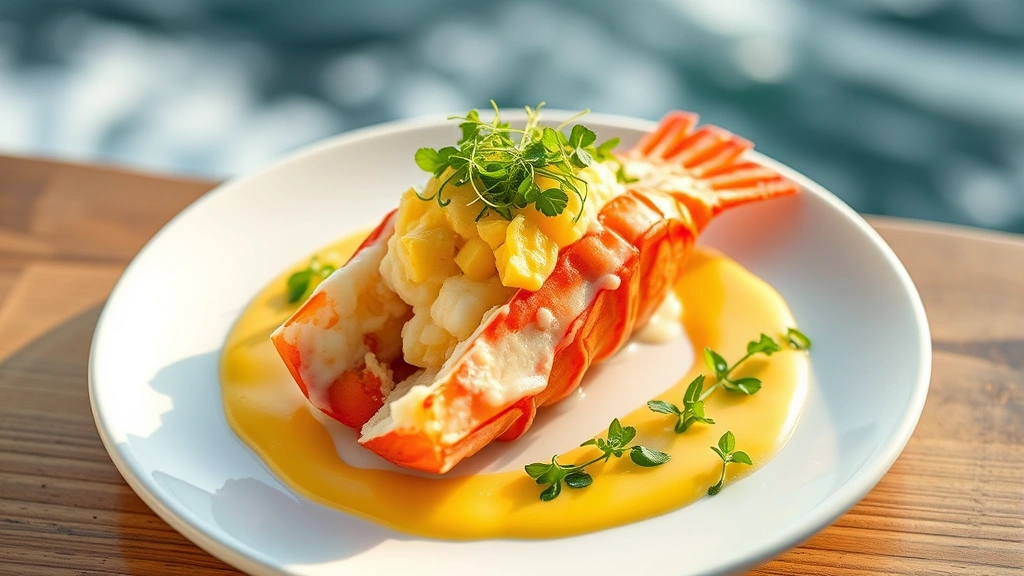
The menu rotates seasonally, with dishes reflecting California’s bounty interpreted through refined technique. A recent visit featured butter-poached lobster with uni foam, saffron beurre blanc, and microgreens—a technically accomplished plate that demonstrates kitchen competency across multiple advanced techniques. The lobster achieved perfect texture, neither rubbery nor mushy, while the beurre blanc maintained proper emulsification and balanced acidity. The uni foam provided delicate briny contrast without overwhelming the primary protein.
What distinguishes Ventana from typical resort dining is the kitchen’s engagement with ingredient quality. The chef sources extensively from local purveyors, maintains relationships with foragers, and works with nearby farms. This commitment manifests in vegetable dishes that showcase produce at peak ripeness—a simple preparation of roasted heirloom carrots with brown butter and thyme tasted more vibrant than similar dishes at restaurants paying twice the price in San Francisco.
The wine program deserves specific mention. Rather than the typical resort strategy of massive markups on established labels, Ventana’s sommelier emphasizes California producers, particularly small-batch operations from Monterey and San Luis Obispo counties. This approach yields genuinely interesting pairings at reasonable (for Big Sur) markups. A $65 Santa Lucia Highlands Pinot Noir paired beautifully with duck preparations and offered genuine complexity rather than the fruit-forward simplicity that often characterizes wine-list selections.
Service maintains professional standards throughout, with staff demonstrating genuine knowledge of menu components and preparation methods. This knowledge-based service elevates the experience—servers can discuss why a particular fish is featured, how the sauce was constructed, what farming practices the vegetable producer employs. Such informed hospitality separates fine dining from merely expensive dining.
Worth it? Absolutely, particularly for special occasions. Expect to spend $120-150 per person before wine, but you’ll receive genuinely accomplished cuisine executed with precision and creativity. This is Big Sur’s most reliable fine-dining experience.
Big Sur Bakery: Humble Perfection
Tucked into a small roadside location near Pfeiffer Big Sur State Park, Big Sur Bakery operates in a completely different price and ambition category than Ventana or Sierra Mar—yet it may deliver more genuine satisfaction per dollar spent than any other establishment in the region. This is where locals eat, where the parking lot fills with construction workers and park rangers during morning hours, where success is measured in repeat customers rather than Instagram posts.
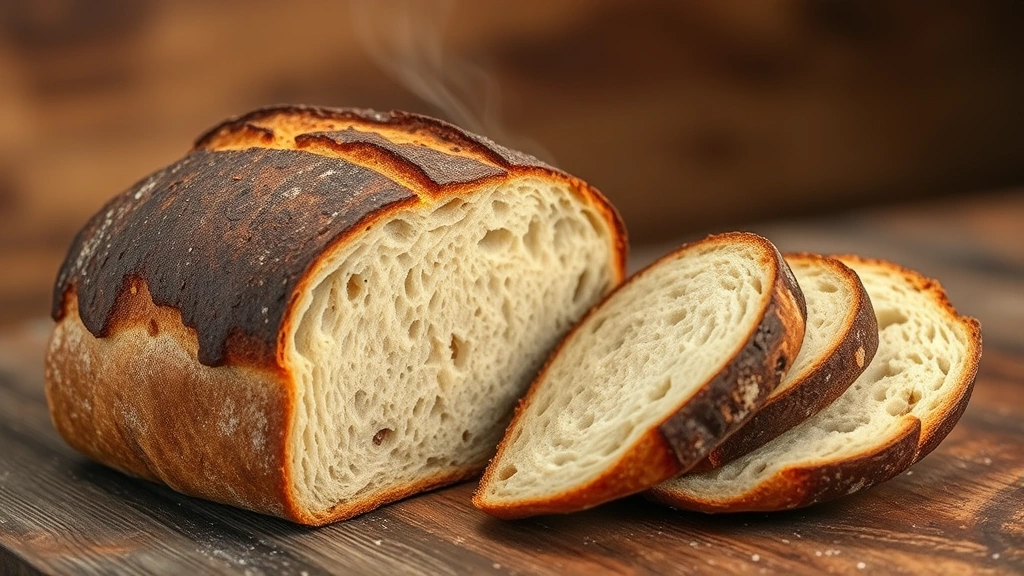
The bakery’s foundation is exceptional bread. Using slow fermentation techniques, preferments, and obsessive attention to hydration ratios, the bakers produce loaves with complex flavor development, proper crust development, and interior crumb structure that indicates genuine craftsmanship. The sourdough demonstrates particular excellence—deep tanginess balanced with subtle sweetness, nutty undertones from proper caramelization during baking, crust that crackles audibly when broken. This is not trendy artisanal bread; it’s the result of daily repetition, ingredient respect, and refusal to compromise technique.
Beyond bread, the bakery offers a limited lunch menu featuring sandwiches constructed on house-made bread, salads utilizing local produce, and daily specials that reflect ingredient availability. A roasted chicken sandwich—seemingly simple—reveals the kitchen’s attention to detail. The bird tastes like actual poultry, properly seasoned, with skin achieving appropriate texture. Paired with housemade aioli, roasted vegetables, and that exceptional bread, it becomes a genuinely memorable meal for $14.
The coffee program merits attention for anyone serious about breakfast quality. The bakery partners with local roasters, maintaining proper grinding protocols and brewing standards. A simple cappuccino demonstrates proper milk technique—microfoam with appropriate texture, espresso shots pulled with precision, temperature maintained at ideal drinking heat. In a region where coffee often functions as an afterthought, Big Sur Bakery treats it as a craft element deserving careful execution.
What makes Big Sur Bakery exceptional isn’t individual technical elements—many bakeries execute bread properly, many restaurants make adequate sandwiches. Rather, it’s the consistency and accessibility. Every visit produces quality. Prices remain genuinely reasonable. The experience avoids pretension while maintaining standards. This is what sustainable, community-focused food business looks like.
Worth it? Emphatically yes. Visit for breakfast or lunch, expect to spend $12-18 per person, and experience genuine quality without premium pricing. This is where Big Sur’s authentic food culture reveals itself.
Sierra Mar: Michelin-Starred Mastery
Sierra Mar, perched atop the Post Ranch Inn, represents Big Sur’s most ambitious culinary statement. This is the only Michelin-starred restaurant in the region, a designation that carries weight but also significant expectations. The restaurant’s setting is genuinely extraordinary—a glass-enclosed structure seemingly floating above the ocean, with nothing between diners and the horizon except air and light.
The kitchen operates under a fixed-menu format, with a single seating per evening accommodating roughly 50 diners. This operational structure—more common in haute cuisine establishments in Tokyo, Copenhagen, or New York—signals commitment to consistency and control. The chef designs each evening’s menu based on ingredient availability, current inspiration, and seasonal considerations. You don’t choose dishes; you trust the chef’s vision.
Recent menus featured preparations demonstrating genuine innovation balanced with restraint. A course of uni with brown butter, sea urchin roe, and crispy seaweed showed how thoughtful technique can elevate a simple ingredient. The uni itself tasted impeccably fresh, with sweet briny notes unmuddied by heavy sauces or competing flavors. The brown butter provided textural contrast and savory depth. Crispy seaweed contributed umami resonance. Each element served a purpose; nothing existed for decoration.
Another standout featured local rockfish with beurre blanc, seasonal vegetables, and a subtle saffron essence. The fish achieved perfect doneness—moist interior, properly rendered skin—while the sauce maintained classical technique: proper emulsification, balanced acid and salt, silky mouthfeel. The saffron, rather than overpowering, provided background aromatic complexity that emerged on the finish.
What distinguishes Sierra Mar from other fine-dining establishments is the kitchen’s engagement with local terroir. The chef sources obsessively from Big Sur’s unique ecosystem—foraging wild mushrooms, partnering with specific fishermen, maintaining relationships with farmers who understand the region’s microclimates. This local focus doesn’t manifest as gimmicky “locavorism” but as genuine ingredient respect. The food tastes like Big Sur because it literally is Big Sur, prepared by someone who understands the landscape at cellular level.
The wine program operates at genuinely high standards, with a sommelier who demonstrates encyclopedic knowledge and genuine passion. Rather than simply matching wines to dishes, the sommelier considers how each pairing evolves throughout the meal, how flavors build across courses, how finish notes prepare the palate for subsequent courses. This thoughtful approach transforms wine from beverage to active participant in the dining experience.
Worth it? For special occasions or serious food enthusiasts, absolutely. Expect to spend $250-350 per person including wine pairings. This is Big Sur’s most technically accomplished cuisine, executed with creativity, precision, and genuine respect for ingredients. If you’re making a pilgrimage to Big Sur specifically for dining, this should be your destination.
Pfeiffer Big Sur State Park Area Options
Beyond the major establishments, several options exist for dining near Pfeiffer Big Sur State Park, though quality varies considerably. These establishments often cater to day-trippers and park visitors rather than serious food enthusiasts, which impacts both pricing and execution standards.
The Big Sur Lodge restaurant offers basic American fare—burgers, sandwiches, grilled fish—at moderate prices relative to other Big Sur establishments. Quality fluctuates based on staffing and ingredient availability, but you’ll find the experience satisfactory if expectations remain appropriately calibrated. The primary advantage is convenience; if you’re exploring the park and seeking lunch without driving 30+ minutes, this represents a reasonable option.
For casual dining, the Big Sur Deli provides sandwiches and prepared foods suitable for picnicking, a genuine value proposition for those planning to eat in the park. The sandwiches demonstrate basic competency—fresh bread, adequate protein, proper assembly—without claiming any particular distinction. Prices run $10-14, making it genuinely affordable by Big Sur standards.
Several food trucks and casual operations set up seasonally along Highway 1, offering everything from fish tacos to wood-fired pizza. Quality varies dramatically—some represent genuine entrepreneurial efforts with quality ingredients and skilled preparation, while others exist primarily to extract tourist dollars. The best approach involves asking locals which operations maintain consistent quality, then timing your visit accordingly.
Strategic Dining Decisions
Making the most of Big Sur dining requires strategic planning. First, understand that you’re not choosing between numerous excellent options; you’re selecting from a limited palette where each establishment fills a specific niche. The strategy involves matching your dining goals to the appropriate venue.
For budget-conscious travelers, Big Sur Bakery should be your primary destination. Breakfast and lunch here deliver genuine quality at prices approaching normal California standards. A morning pastry and cappuccino, or a lunch sandwich, provides better value than comparable meals elsewhere in the region. Budget $15-20 per person, enjoy excellent food, and preserve resources for activities and accommodations.
For romantic occasions or special celebrations, consider Ventana or Sierra Mar. Ventana offers refined fine dining in a sophisticated setting without the intensity of Sierra Mar’s fixed menu and maximalist approach. Sierra Mar suits those specifically seeking Michelin-starred cuisine and willing to trust the chef’s vision completely. Both require advance reservations and significant budget commitment, but both deliver experiences genuinely worth the investment.
For experiencing Big Sur’s cultural significance and bohemian heritage, Nepenthe remains essential—but visit strategically during happy hour, appreciate the historical context, and recognize that the experience matters more than the food. This is about place and history, not culinary excellence.
For casual dining without excessive price premiums, Big Sur Lodge or nearby options serve their purpose adequately, though they shouldn’t be your primary destination if quality matters significantly. Use these for convenience meals when timing or logistics demand it, but plan your special meals at establishments with genuine distinction.
Timing your visit matters considerably. Weekday lunches offer better value than dinner services across all establishments. Off-season visits (October-April, excluding holidays) typically feature shorter wait times and potentially more attentive service. Summer weekends bring crowds that strain kitchen operations and dining room logistics, potentially impacting service quality.
Finally, consider the journey itself as part of the dining experience. The Pacific Coast Highway drive to Big Sur requires 2-4 hours depending on your starting point. Integrate this journey into your expectations—you’re not simply eating at a restaurant, you’re making a pilgrimage to one of California’s most dramatic landscapes. The drive creates anticipation, the setting amplifies flavors, the isolation intensifies focus. This psychological element transforms adequate food into memorable meals and excellent food into transcendent experiences.
FAQ
Are Big Sur restaurants actually worth the premium prices?
It depends on your priorities. Sierra Mar and Ventana deliver genuinely excellent cuisine that justifies premium pricing through technical skill and ingredient quality. Nepenthe charges high prices primarily for the setting and cultural significance. Big Sur Bakery offers exceptional value. The question isn’t whether Big Sur restaurants are worth premium prices universally—it’s whether specific restaurants justify their pricing through food quality, setting, or cultural significance. Research your specific destination and evaluate accordingly.
What’s the best time to visit Big Sur restaurants?
Weekday lunches offer the best combination of value and experience. Nepenthe’s happy hour (3-5 PM weekdays, 4-6 PM weekends) provides exceptional value. Off-season months (October-April) feature better service than crowded summers. For sunset dining, arrive early to secure the best tables and time your meal to coincide with golden hour light.
Should I make reservations in advance?
Absolutely. Sierra Mar requires reservations weeks in advance. Ventana should be booked at least a week ahead, particularly for dinner. Nepenthe operates on first-come, first-served basis but develops long waits during peak hours. Big Sur Bakery accepts walk-ins but can develop lines during peak breakfast/lunch hours. Making reservations eliminates disappointment and allows kitchens to prepare properly.
What about restaurants with outdoor seating for the best views?
Nepenthe features the most dramatic outdoor seating, with tables literally perched above the ocean. Ventana’s indoor seating provides excellent views through floor-to-ceiling windows. Sierra Mar’s glass-enclosed structure offers unobstructed ocean views. Big Sur Bakery lacks significant views but provides a genuine local experience. If views matter to your decision, Nepenthe and Ventana prioritize this element in their design.
Can I find reasonably priced dining in Big Sur?
Yes, but you must know where to look. Big Sur Bakery delivers exceptional value. Big Sur Lodge and nearby casual establishments offer moderate pricing. Nepenthe’s happy hour provides significant savings. However, “reasonably priced” in Big Sur means $12-20 per person for casual meals, $30-50 for lunch at fine-dining establishments. If you’re accustomed to $8 tacos and $15 entrees in populated areas, Big Sur will feel expensive universally. Budget accordingly.
What should I know about Big Sur dining logistics?
The drive along Highway 1 is spectacular but slow—plan 2-4 hours depending on your starting point and number of stops. Gas stations are limited; fill up before arriving. Many establishments close seasonally or maintain limited hours; call ahead. Parking can be challenging during peak hours; arrive early. Cell service is unreliable; download maps and information in advance. These logistical factors should influence your planning and expectations.


