Is Bistrot Paul Bert Worth It? A Comprehensive Parisian Review
Nestled in the vibrant 11th arrondissement of Paris, Bistrot Paul Bert stands as a beacon of authentic French gastronomy, where tradition meets impeccable execution. This storied establishment has earned its reputation as one of Paris’s most celebrated bistros, drawing both locals and discerning travelers seeking genuine French culinary experiences. The question isn’t merely whether this restaurant is worth visiting—it’s whether you can afford to miss it during your Parisian sojourn.
Walking through the heavy wooden doors of Bistrot Paul Bert feels like stepping into a living museum of French dining culture. The intimate setting, with its vintage mirrors, warm lighting, and carefully curated vintage décor, creates an atmosphere that transports diners to another era. Yet beneath this nostalgic charm lies a kitchen committed to delivering dishes that honor classical French technique while celebrating the finest seasonal ingredients available from regional producers across France.
Ambiance & Setting: A Slice of Historic Paris
The moment you cross the threshold of Bistrot Paul Bert, you’re enveloped in an authenticity that many modern restaurants attempt to replicate but few genuinely achieve. The restaurant’s design philosophy embraces the aesthetic of a traditional Parisian bistro from the early 20th century, complete with original zinc countertops, vintage wine posters, and walls adorned with period photographs that chronicle Parisian life. The lighting—soft and golden—casts a flattering glow across the room, encouraging lingering conversations and creating intimate pockets even when the restaurant reaches full capacity.
The seating arrangement encourages both romantic encounters and spirited group dining. Tables are positioned thoughtfully, allowing diners to feel part of a larger dining community while maintaining conversation privacy. The wooden banquettes, worn smooth by decades of appreciative diners, add tactile authenticity that speaks to the restaurant’s longevity and commitment to preservation. Whether you’re seeking a romantic date night destination or planning family dining experiences, the atmosphere adapts gracefully to your needs.
The acoustic design prevents the space from becoming overwhelmingly loud, even during peak service hours. This consideration allows diners to appreciate both their companions’ voices and the nuanced flavors of their food without sensory competition. The overall effect is one of unhurried elegance—a space where time seems to slow and the simple act of eating becomes ceremonial.
Menu Philosophy & Offerings: Classic French Bistro Fare
Bistrot Paul Bert’s menu represents a masterclass in French culinary tradition, specifically the bistro genre that emerged in 19th-century Paris as affordable, hearty, and delicious dining for working professionals and artists. The kitchen refuses to chase contemporary trends, instead maintaining steadfast commitment to dishes that have earned their place in French gastronomic canon. This philosophical stance might seem limiting, yet it proves liberating—the focus on perfection of execution rather than culinary innovation creates profound satisfaction.
The menu structure follows classical French organization: starters that awaken the palate, mains that anchor the meal, and desserts that provide graceful conclusion. Seasonal variations ensure that diners visiting at different times experience fresh ingredients at peak ripeness and flavor development. Spring might bring tender asparagus and delicate lamb preparations, while autumn showcases game birds and earthy mushroom preparations. This seasonal sensitivity demonstrates respect for both ingredients and the rhythms of French agriculture.
The wine list deserves particular attention as it functions as a silent partner to the food service. Rather than overwhelming diners with excessive options, the curated selection highlights French regions and producers who share the restaurant’s philosophical commitment to tradition and excellence. Staff members possess genuine knowledge of these selections and can guide pairings with precision born from extensive experience.
Signature Dishes Worth Tasting: The Heart of the Experience
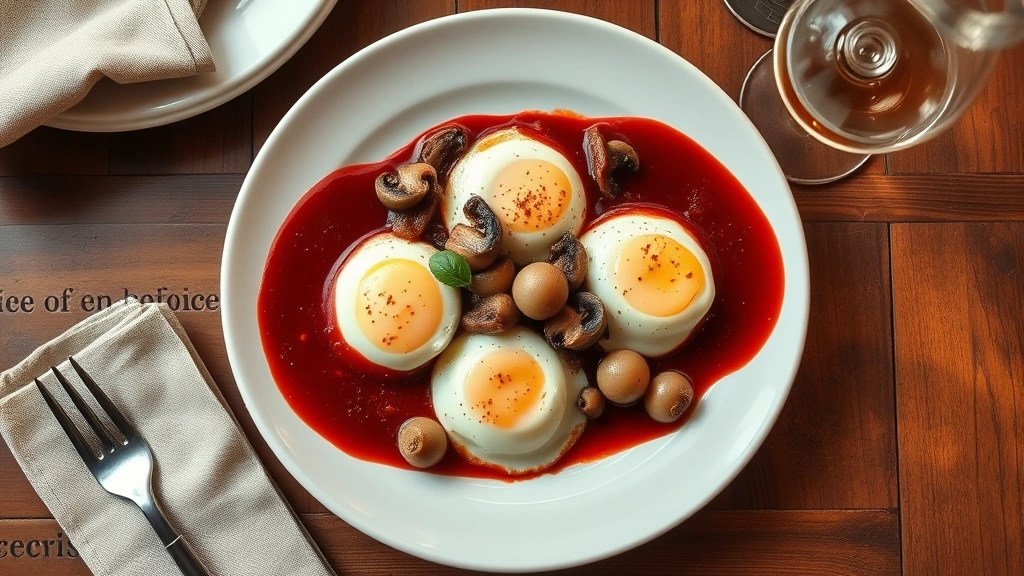
Among Bistrot Paul Bert’s most celebrated preparations is the œufs en meurette—a dish that exemplifies the restaurant’s approach to French bistro classics. Poached eggs nestle in a rich red wine sauce enriched with pearl onions, lardons, and mushrooms. The sauce’s complexity develops through patient reduction and careful seasoning, creating a velvety texture that coats the palate with warmth and umami depth. The runny yolk, when broken, mingles with the sauce to create additional richness. This single dish encapsulates everything the restaurant represents: humble ingredients transformed through classical technique into something transcendent.
The foie gras terrine demonstrates technical precision and ingredient quality. Silky, delicate, and enriched with cognac and Sauternes, each slice melts across the tongue like butter, releasing flavors of nuts and caramelized richness. The accompanying toasted brioche provides textural contrast and a neutral canvas upon which the foie gras’s complex flavors perform. This preparation requires impeccable ingredient sourcing and masterful temperature control—elements that Bistrot Paul Bert executes flawlessly.
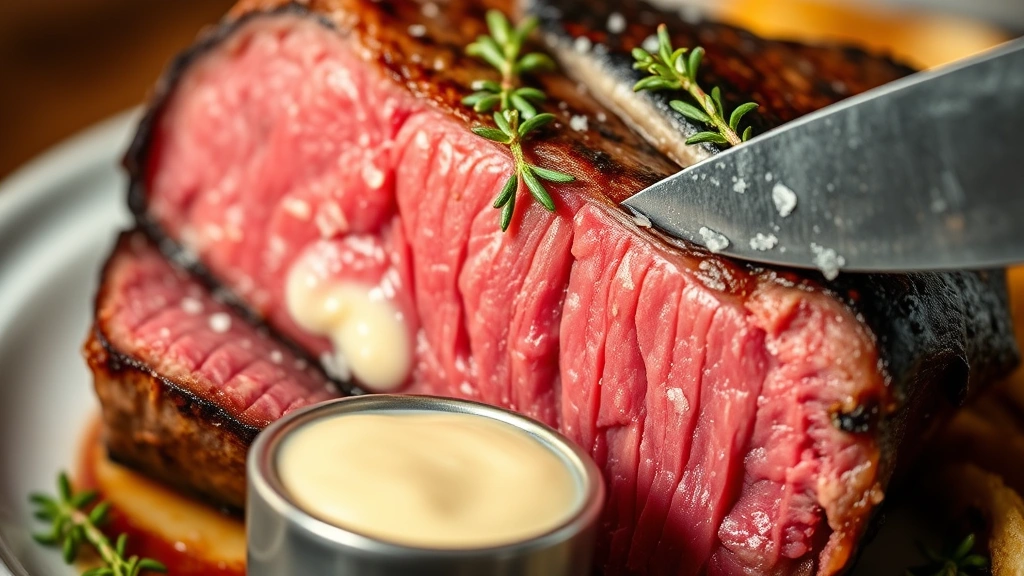
For mains, the côte de boeuf showcases the restaurant’s relationship with premier ingredient suppliers. This impressive cut arrives at the table seared to a mahogany crust while maintaining a perfect rosy interior. The meat’s natural juices, concentrated through proper resting, require no additional sauce, though the accompanying béarnaise—if requested—provides herbaceous complexity that complements without overwhelming. The portion size reflects French dining culture: substantial enough to satisfy without the excess that characterizes some contemporary steakhouses.
Equally impressive is the pot-au-feu, a dish that separates skilled bistros from pretenders. This humble braise of beef, vegetables, and aromatic broth requires hours of patient cooking to develop the deep, savory flavors that define excellence. The meat becomes so tender it yields to gentle pressure from a spoon, while the broth achieves a silky mouthfeel from collagen extraction. Served with coarse sea salt and sharp mustards, this dish represents French comfort at its most sophisticated.
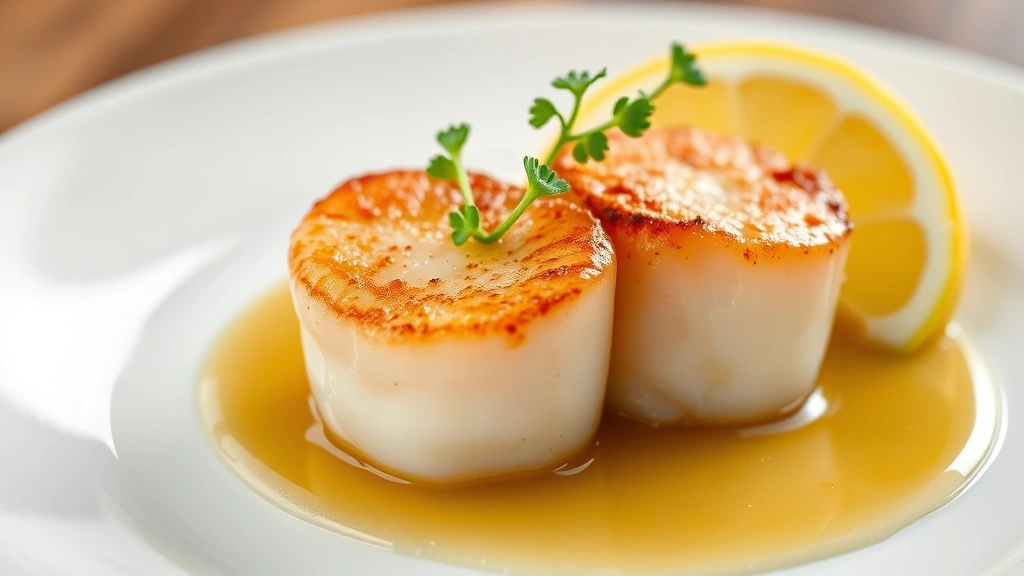
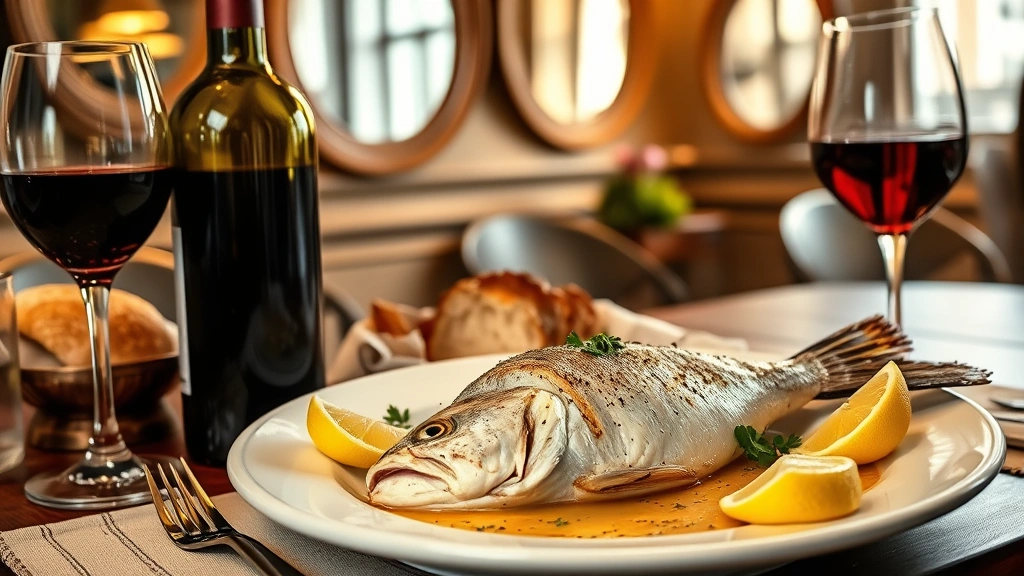
The sole meunière illustrates the kitchen’s seafood prowess. A whole Dover sole, delicately floured and pan-fried in clarified butter until golden, arrives with its flesh impossibly tender and subtly sweet. The brown butter, enriched with lemon juice and parsley, provides a bright counterpoint to the fish’s richness. This preparation requires precise heat control and timing—overcook by mere seconds and the delicate flesh becomes dry and forgettable. Bistrot Paul Bert’s consistency with this classic speaks to years of refinement.
Wine Selection & Pairings: Liquid Companionship
The wine program at Bistrot Paul Bert deserves recognition as integral to the dining experience rather than supplementary. The list emphasizes Burgundy and Bordeaux, regions whose wines possess the structure and complexity to stand alongside the restaurant’s rich, classical cuisine. Staff members demonstrate genuine passion for these selections, offering recommendations based on personal experience rather than rote descriptions.
A Beaujolais cru pairs magnificently with the hearty meat dishes, its bright acidity cutting through richness while its subtle earthiness echoes the umami depths of the cuisine. Burgundian Pinot Noirs offer more complexity for diners seeking deeper exploration, their silky tannins and red fruit characteristics complementing the bistro fare without demanding attention. For those preferring white wine, aged Chablis provides mineral precision that contrasts beautifully with rich sauces and seafood preparations.
The by-the-glass program allows experimentation without excessive financial commitment, encouraging diners to taste across regions and producers throughout their meal. This approach democratizes fine wine appreciation and reflects the restaurant’s philosophy that excellent wine should enhance dining rather than create pretentious barriers to enjoyment.
Service Excellence: Attentive Without Intrusion
Service at Bistrot Paul Bert exemplifies French hospitality at its finest—attentive, knowledgeable, and executed with genuine warmth rather than theatrical performance. Staff members understand the rhythm of French dining, knowing precisely when to approach with water refills, clear finished courses, or suggest wine pairings. They possess extensive knowledge of menu items, including sourcing details and preparation methods, allowing them to answer questions with authority.
The pacing of service follows classical French tradition: courses arrive with appropriate intervals for digestion and conversation. This measured approach contrasts sharply with rushed American dining culture, encouraging guests to settle into the experience rather than race toward conclusion. Even when the restaurant operates at full capacity, the kitchen maintains consistent quality and appropriate timing across all tables.
Staff members address regular guests by name and remember their preferences, creating a sense of belonging that transcends transactional dining. This personal touch distinguishes Bistrot Paul Bert from establishments where service becomes merely efficient rather than genuinely hospitable. Whether you’re a first-time visitor or returning regular, you’ll feel welcomed as valued guest rather than processed customer.
Value Proposition & Pricing: Assessing the Investment
The question of whether Bistrot Paul Bert justifies its pricing requires honest assessment of what constitutes value in fine dining. Compared to many three-star Michelin establishments, the restaurant’s prices remain relatively modest, particularly when considering the quality of ingredients, execution, and ambiance. A three-course meal with wine typically ranges from 60-90 euros per person, positioning the restaurant as luxury dining without the stratospheric costs associated with haute cuisine temples.
When evaluating cost-per-experience, several factors enhance perceived value. The ingredient quality—sourced from renowned regional producers and purveyors—ensures that each dish begins with premium components. The technical execution, refined through years of consistent practice, means that classical preparations achieve their intended flavor profiles and textures. The ambiance, maintained with evident care and investment, provides historical authenticity that cannot be manufactured. The service, delivering genuine hospitality rather than scripted performance, adds immeasurable value to the dining experience.
For travelers seeking exceptional lunch experiences during Parisian visits, the lunch menu offers particular value. Pricing runs approximately 20-30 percent lower than dinner service while maintaining identical ingredient quality and kitchen focus. This pricing structure makes Bistrot Paul Bert accessible to a broader audience without compromising the experience’s integrity.
The restaurant’s refusal to compromise on ingredients or technique during slower service periods demonstrates philosophical commitment rather than opportunistic pricing. Some establishments reduce quality during lunch service or off-season periods; Bistrot Paul Bert maintains consistent excellence regardless of reservation volume. This reliability justifies premium pricing and distinguishes the establishment from competitors who treat service variations as acceptable business practice.
Compared to chain restaurants or establishments prioritizing volume over quality, Bistrot Paul Bert represents extraordinary value. Each euro spent contributes to an experience that nourishes both body and spirit, creating memories that justify the investment far beyond initial transaction. Unlike trendy establishments that fade from relevance within years, Bistrot Paul Bert’s timeless approach ensures that dining here constitutes investment in culinary heritage rather than ephemeral fashion.
FAQ
What makes Bistrot Paul Bert different from other Parisian bistros?
Bistrot Paul Bert distinguishes itself through unwavering commitment to classical French bistro cuisine executed with precision and ingredient quality that many competitors cannot match. Rather than chasing contemporary trends, the kitchen maintains focus on perfecting traditional dishes. The sourcing relationships with regional producers ensure ingredient excellence, while the staff’s genuine passion for hospitality creates an experience transcending mere consumption. The restaurant’s longevity—decades of consistent excellence—speaks to its commitment to principles rather than temporary popularity.
Is reservations advance booking necessary?
Yes, absolutely. Bistrot Paul Bert’s popularity among locals and travelers means that walk-in seating is virtually impossible, particularly during evening service and weekends. Advance reservations should be made at least several weeks ahead, particularly during peak tourist seasons (spring and autumn). The restaurant’s website provides reservation information, though contacting by phone often yields more flexible booking options. Planning ahead ensures you don’t miss this essential Parisian dining experience.
Can Bistrot Paul Bert accommodate dietary restrictions?
While the menu emphasizes meat, game, and classical French preparations, the kitchen demonstrates willingness to accommodate dietary needs with advance notice. Vegetarian guests should communicate preferences when reserving, allowing the chef to prepare appropriate alternatives. Seafood-focused preparations can substitute for meat mains. Allergies and intolerances require detailed communication to ensure kitchen awareness and proper preparation protocols. However, the restaurant’s philosophical commitment to classical cuisine means that dietary restrictions may limit the experience’s full scope.
What is the dress code?
Bistrot Paul Bert maintains a smart casual dress code reflecting the restaurant’s positioning as upscale yet approachable. Business attire, nice dresses, and well-maintained casual clothing all prove appropriate. Avoid athletic wear, beachwear, or excessively casual presentation. The restaurant’s aesthetic suggests respect for the space and fellow diners, with dress code reflecting this mutual consideration. Most regular guests dress as they would for a special evening out—nothing ostentatious, but nothing slovenly.
How does Bistrot Paul Bert compare to Michelin-starred establishments?
Bistrot Paul Bert operates in a different category than Michelin-starred fine dining temples, yet maintains quality and consistency that warrants comparison. While the restaurant lacks Michelin stars, this reflects its philosophical positioning as bistro rather than haute cuisine establishment rather than any deficiency in quality. The focused menu, classical approach, and ingredient excellence rival three-star establishments in many respects, while the intimate scale and accessible pricing distinguish it as unique category. For many diners, the bistro experience—combining excellence with approachability—surpasses the formality of haute cuisine.
Is Bistrot Paul Bert suitable for business dining?
Absolutely. The restaurant’s ambiance, professional service, and consistent quality make it ideal for business meals requiring sophistication without pretension. The classical French cuisine appeals broadly, while the thoughtful spacing between tables allows conversation privacy. The wine list provides discussion fodder for clients and colleagues, while the pacing allows adequate time for business conversations. Many established Paris business professionals maintain reservations at Bistrot Paul Bert for precisely these reasons—it communicates respect to dining companions while providing excellent food and service.