Top Black-Owned Eateries: Chef Recommendations for Exceptional Dining
The culinary landscape has been profoundly enriched by Black-owned restaurants that showcase extraordinary talent, cultural heritage, and innovative flavor profiles. These establishments represent more than just dining destinations—they’re spaces where generations of cooking wisdom, ancestral recipes, and contemporary culinary artistry converge on a single plate. Whether you’re seeking family restaurants near you or exploring best lunch restaurants, the Black-owned dining scene offers unforgettable experiences that deserve recognition and patronage.
From soul food establishments honoring traditional Southern cooking to avant-garde fine dining establishments pushing culinary boundaries, Black chefs and restaurateurs continue to earn accolades from prestigious institutions and discerning palates worldwide. The depth of flavor, authenticity of preparation, and warmth of hospitality found in these venues create memorable experiences that transcend typical restaurant visits. This guide explores the most celebrated Black-owned eateries, drawing insights from chef recommendations and culinary experts who recognize the exceptional quality these establishments bring to the dining world.
What Makes Black-Owned Restaurants Exceptional
Black-owned restaurants possess a distinctive character rooted in cultural pride, culinary excellence, and community connection. These establishments often feature recipes passed down through generations, techniques refined over decades, and flavor combinations that reflect rich historical narratives. The commitment to quality ingredients, meticulous preparation, and authentic representation of culinary traditions distinguishes these venues from mainstream dining options.
The excellence found in Black-owned eateries stems from several interconnected factors. First, there’s the profound respect for ingredient quality and sourcing. Many Black chefs prioritize relationships with local farmers and suppliers, ensuring that proteins, vegetables, and pantry staples meet exacting standards. This dedication to sourcing creates a foundation for exceptional flavor development. Second, there’s the cultural knowledge embedded in preparation methods—techniques like slow-smoking, braising, and fermentation that have been perfected across generations and geographical regions.
Beyond technique, Black-owned restaurants excel at creating welcoming atmospheres where guests feel genuinely valued. The hospitality extends beyond service; it encompasses genuine interest in ensuring each diner experiences satisfaction and comfort. This customer-centric philosophy, combined with culinary expertise, creates the complete dining package that chefs consistently recommend.
The recognition these establishments receive from major culinary institutions validates their contributions. Black Food Business and similar organizations have documented how Black-owned restaurants consistently earn accolades for innovation, cultural significance, and gastronomic achievement. These recognitions reflect the dedication of owners, chefs, and staff who view their work as both professional responsibility and cultural stewardship.
Legendary Soul Food Establishments
Soul food restaurants represent the heart of Black culinary tradition in America, serving dishes that nourish both body and spirit. These establishments honor recipes developed during challenging historical periods, transforming humble ingredients into extraordinary meals. The flavors tell stories of resilience, creativity, and deep cultural roots.
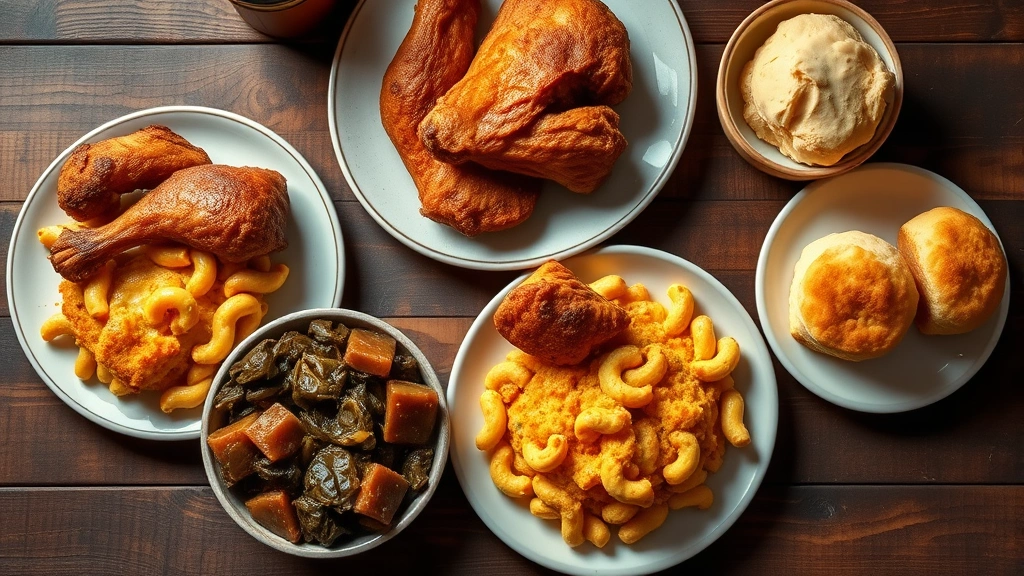
The most celebrated soul food venues feature expertly prepared proteins—fried chicken with crackling skin and impossibly moist interiors, slow-cooked collard greens infused with smoky ham hock essence, and cornbread that achieves perfect balance between crispy exterior and tender crumb. Each dish represents mastery of temperature control, timing, and seasoning precision. The gravy work alone—whether cream-based or pan-reduction styles—demonstrates technical excellence that rivals fine dining establishments.
Mac and cheese in legendary soul food restaurants transcends the simple pasta dish; it becomes a textural and flavor experience. Creamy béchamel bases combine with multiple cheese varieties, creating depth that evolves across the palate. The crispy top layer provides textural contrast while the interior remains luxuriously smooth. These details matter tremendously to chefs who recommend these establishments—the commitment to excellence in every component, regardless of perceived simplicity.
Biscuits served at top Black-owned soul food restaurants showcase buttermilk’s tang, butter’s richness, and the baker’s understanding of gluten development. Whether served alongside fried chicken or as vehicles for sausage gravy, these biscuits demonstrate that fundamental cooking principles demand respect and attention.
Visiting these legendary establishments, whether for best lunch restaurants nearby or special dinners, provides authentic cultural culinary experiences. The generational recipes and time-honored techniques make these venues invaluable cultural resources and extraordinary dining destinations.
Contemporary Fine Dining Excellence
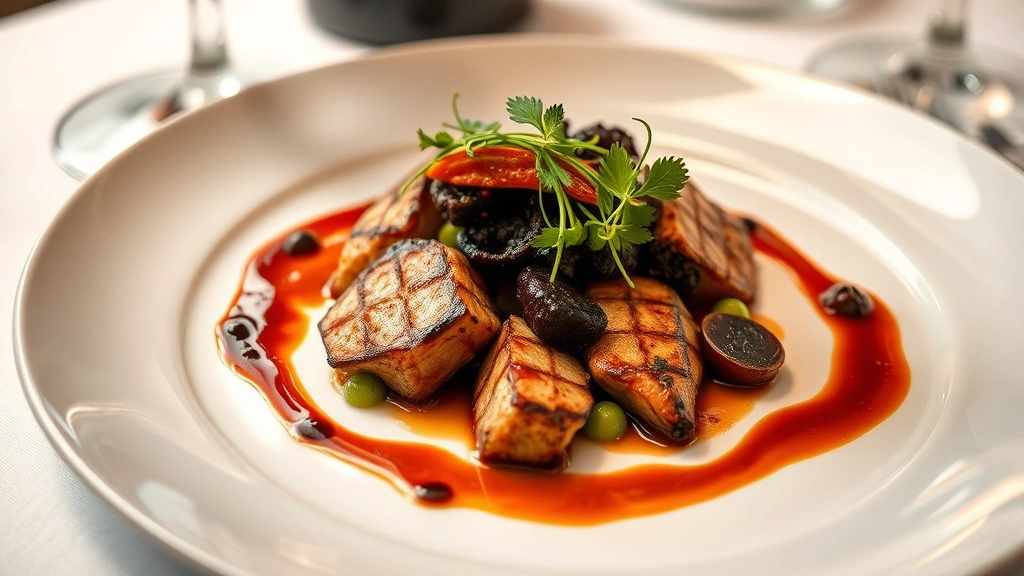
Black chefs have increasingly elevated themselves into prestigious fine dining establishments, where they command respect as culinary visionaries rather than following traditional chef hierarchies. These contemporary establishments showcase sophisticated techniques—sous-vide preparation, molecular gastronomy applications, precise plating, and innovative flavor pairing—applied to culturally resonant ingredients and inspirations.
The finest Black-owned fine dining restaurants balance innovation with authenticity, never sacrificing cultural integrity for culinary trends. A chef might prepare a refined version of a traditional dish, elevating it through technique while preserving its essential character and flavor identity. This approach requires deep understanding of both classical culinary training and cultural significance of ingredients and preparations.
Tasting menus at these establishments tell narratives through sequential courses, each dish building upon previous flavors while introducing new dimensions. The progression might move from lighter, more delicate preparations toward richer, more assertive flavors, or might organize around seasonal ingredients, geographical regions, or historical culinary periods. The thoughtfulness evident in menu construction reflects chef philosophy and culinary vision.
Wine and beverage pairings at top Black-owned fine dining venues demonstrate sophisticated understanding of flavor interactions and cultural beverage traditions. Sommeliers and beverage directors curate selections that complement dishes while introducing guests to wines and spirits from underrepresented producers and regions. This commitment to diversity extends beyond food into the complete sensory experience.
The service standards at these establishments rival any Michelin-starred venue, with knowledgeable staff who understand each dish’s components, preparation methods, and intended flavor progression. This expertise enables servers and sommelier to enhance the dining experience through informed recommendations and thoughtful service pacing.
Regional Culinary Treasures
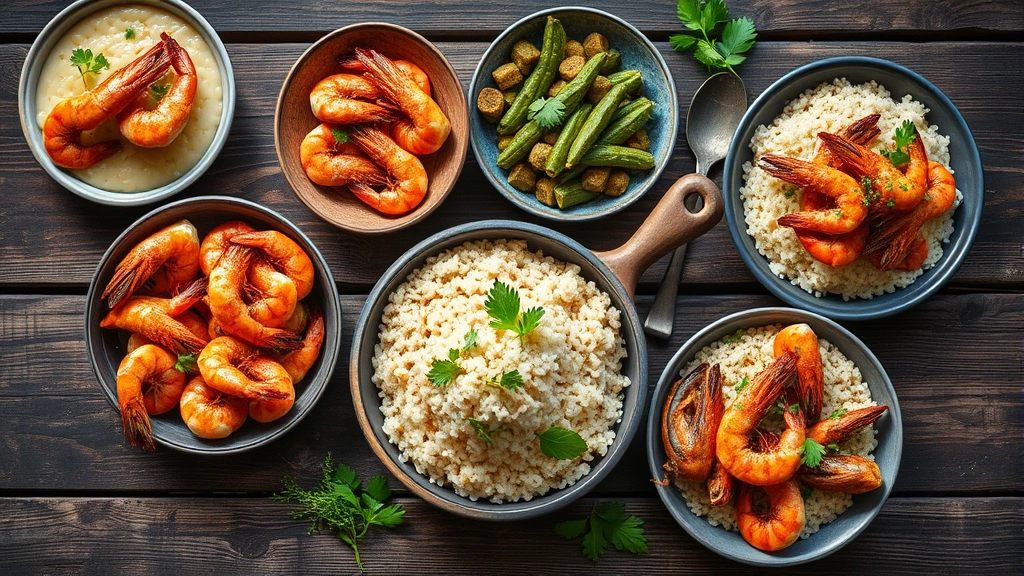
Black-owned restaurants across different regions showcase distinct culinary traditions reflecting local ingredients, historical influences, and community preferences. Southern establishments emphasize traditional preparations developed through centuries of cultural practice. Lowcountry restaurants feature Gullah Geechee traditions with seafood-forward preparations, rice-based dishes, and okra applications that demonstrate West African culinary heritage.
Creole and Cajun restaurants in Louisiana showcase Black Creole traditions distinct from popular Cajun stereotypes, featuring sophisticated flavor profiles, complex spice work, and refined technique. These establishments honor the complex historical and cultural contexts that shaped Louisiana’s distinctive food traditions.
West Coast Black-owned restaurants often emphasize fresh seafood, farm-to-table sourcing, and fusion approaches that blend traditional techniques with contemporary ingredients. These venues frequently attract romantic restaurants seekers and culinary adventurers exploring innovative approaches to familiar flavor profiles.
Midwest Black-owned establishments often feature comfort food traditions with emphasis on hearty preparations, quality proteins, and seasonal vegetable applications. These restaurants serve important community functions while maintaining exceptional culinary standards that draw recognition from broader audiences.
Urban Black-owned restaurants in major metropolitan areas frequently serve as culinary laboratories where chefs experiment with global influences while maintaining cultural authenticity. These venues attract critical attention from food writers and industry professionals, earning recognition for innovation and excellence.
Chef-Driven Innovation and Creativity
The most celebrated Black chefs combine technical excellence with creative vision, producing dishes that surprise and delight while honoring culinary traditions. These culinary leaders earned their positions through relentless dedication to craft, continuous learning, and unwavering commitment to quality. Many completed rigorous training at respected culinary institutions and apprenticed under renowned chefs before establishing their own ventures or taking leadership roles.
Innovation in Black-owned restaurants often involves reexamining traditional ingredients through contemporary lenses. A chef might apply modern cooking techniques to ancestral preparations, creating dishes that feel simultaneously traditional and cutting-edge. This approach requires deep respect for culinary history combined with confidence in personal creative vision.
Many celebrated Black chefs actively mentor emerging culinary talent, recognizing responsibility to develop next-generation leaders. This mentorship extends beyond technique instruction; it encompasses business acumen, cultural awareness, and the philosophical approach to food as both nourishment and expression. Organizations like the International Association of Culinary Professionals document how Black chefs increasingly shape culinary education and industry standards.
The recognition these chefs receive reflects broader acknowledgment of their contributions to culinary excellence. Awards from prestigious institutions, features in leading culinary publications, and invitations to prestigious events validate their expertise while inspiring other Black culinary professionals. These accolades also encourage restaurant-goers to seek out these exceptional establishments, creating virtuous cycles of support and recognition.
Chefs who earn recommendations from peers often emphasize ingredient relationships, flavor balance, and technical precision. Their restaurants become destinations for culinary professionals exploring the landscape of American cuisine and celebrating excellence across diverse traditions and approaches.
Supporting Black Culinary Excellence
Patronizing Black-owned restaurants represents more than dining—it supports entrepreneurs, preserves cultural traditions, and contributes to community economic development. Each meal purchased directly benefits owners, staff, suppliers, and local communities. This economic impact extends beyond individual establishments to broader ecosystem effects supporting food-related businesses and community institutions.
Recommending these establishments to friends, family, and colleagues amplifies their reach and reputation. Word-of-mouth recommendations carry particular weight in culinary communities where personal experience and peer endorsement drive decision-making. When food professionals recommend Black-owned restaurants, they validate quality while expanding audiences.
Engaging with these establishments as repeat customers rather than one-time visitors demonstrates sustained support. Regular patronage provides revenue stability, enables long-term planning, and creates relationships with owners and staff. Many Black-owned restaurants thrive through loyal customer bases who appreciate quality and understand the importance of consistent support.
For those seeking specific dining occasions, consider whether dog friendly restaurants or outdoor restaurants operated by Black owners serve your needs. Additionally, exploring restaurants open on Christmas Day often reveals Black-owned establishments serving communities during important cultural moments.
Supporting these establishments also means respecting their spaces, understanding their cultural significance, and approaching them as guests rather than consumers. This mindset shift—viewing dining as participation in cultural experience rather than mere transaction—honors the work of owners, chefs, and staff while enriching personal experiences.
Social media engagement, online reviews, and public recognition further support these establishments. Authentic, detailed reviews help potential customers understand what to expect while demonstrating appreciation for the work involved. Tagging establishments, sharing experiences, and using relevant hashtags expands their visibility within culinary communities.
Frequently Asked Questions
What should I look for when choosing a Black-owned restaurant?
Seek establishments with clear culinary vision, quality ingredient sourcing, and knowledgeable staff. Read reviews from multiple sources, explore menus online, and consider cuisine type, dining occasion, and atmosphere preferences. Chef recommendations carry particular weight—if culinary professionals endorse an establishment, it typically indicates exceptional quality and authenticity.
How do I find highly-rated Black-owned restaurants in my area?
Explore restaurant guides specifically focused on Black-owned businesses, check culinary publication features and reviews, and search social media for community recommendations. Many cities maintain directories of Black-owned restaurants; these resources provide curated selections with detailed information. Asking friends and colleagues for personal recommendations often yields the most authentic suggestions.
Are Black-owned restaurants more expensive than other dining options?
Pricing varies significantly based on cuisine type, dining style, and location. Soul food restaurants often provide excellent value with generous portions and affordable pricing. Fine dining Black-owned establishments charge comparable prices to other upscale venues, reflecting ingredient quality, chef expertise, and service standards. The value proposition—quality, authenticity, and cultural significance—justifies pricing across all categories.
What’s the difference between soul food and other Black culinary traditions?
Soul food specifically references African American cooking traditions developed in the American South, emphasizing comfort food preparations and traditional techniques. Other Black culinary traditions include Gullah Geechee, Creole, Cajun, and contemporary Black American cuisine that blends global influences with cultural foundations. Each tradition carries distinct ingredients, techniques, and historical significance.
Can I make reservations at Black-owned fine dining restaurants?
Most upscale Black-owned restaurants accept reservations through their websites, phone lines, or reservation platforms. Some maintain reservation policies requiring advance notice, while others accommodate walk-ins during specific hours. Contacting establishments directly ensures you understand their specific policies and can secure preferred seating times.
How do Black chefs approach traditional recipes?
Many Black chefs balance respect for traditional preparations with personal creative vision. Some maintain ancestral recipes with minimal modification, while others reinterpret traditions through contemporary techniques. The approach varies based on chef philosophy, restaurant concept, and culinary goals. Most successful Black-owned establishments demonstrate deep understanding of tradition while confidently asserting individual culinary identity.