Cape Cod’s Best Eats? Local Foodie Reviews
Cape Cod isn’t just a summer destination—it’s a culinary haven where fresh seafood, farm-to-table innovation, and time-honored New England traditions converge on every plate. From the windswept shores of Provincetown to the charming villages of Dennis and Chatham, this Massachusetts peninsula has quietly cultivated a dining scene that rivals much larger metropolitan areas. The region’s proximity to pristine Atlantic waters and fertile farmland creates an unparalleled foundation for exceptional cuisine, where chefs source ingredients daily from local fishermen and organic growers.
As a devoted food traveler who’s explored dining destinations worldwide, I’ve discovered that Cape Cod’s restaurant landscape offers something increasingly rare: authenticity without pretension. Whether you’re craving a lobster roll that tastes like the ocean itself or seeking innovative tasting menus that challenge your palate, Cape Cod delivers with remarkable consistency. This comprehensive guide showcases the establishments and culinary experiences that have earned their place in local foodie hearts.
Seaside Seafood Excellence: Where Fresh Catches Define Dinner
Cape Cod’s seafood restaurants operate on a principle that seems almost revolutionary in our globalized food system: if the boat came in this morning, it goes on tonight’s menu. This commitment to freshness creates an inherent superiority that frozen imports simply cannot match. The briny minerality of just-shucked oysters, the delicate sweetness of diver scallops still glistening with ocean spray, the firm yet tender flesh of locally-caught striped bass—these aren’t merely ingredients, they’re edible expressions of the Atlantic’s bounty.
The most celebrated seafood establishments on Cape Cod maintain direct relationships with fishing families who’ve worked these waters for generations. Restaurants receive daily calls detailing what’s available, allowing chefs to build menus around nature’s offerings rather than forcing nature into pre-planned culinary concepts. This approach demands flexibility, expertise, and profound respect for ingredient quality—hallmarks of Cape Cod’s finest seafood venues. When you order fresh fish at these establishments, you’re tasting the culmination of sustainable fishing practices, skilled preparation, and a deep understanding of how simple cooking methods best showcase pristine seafood’s inherent perfection.
The lobster roll deserves particular attention in Cape Cod’s seafood narrative. Unlike versions drowning in heavy mayonnaise, authentic Cape Cod lobster rolls celebrate the crustacean’s sweet, succulent meat. Top preparations use just enough premium mayo to bind, allowing the lobster’s natural brininess and tender texture to dominate each bite. Some establishments serve theirs warm with clarified butter, creating a richness that coats your palate with buttery decadence. Others prefer the cold preparation, where chilled lobster meat combines with celery and tarragon for subtle herbaceous notes that complement without overwhelming.
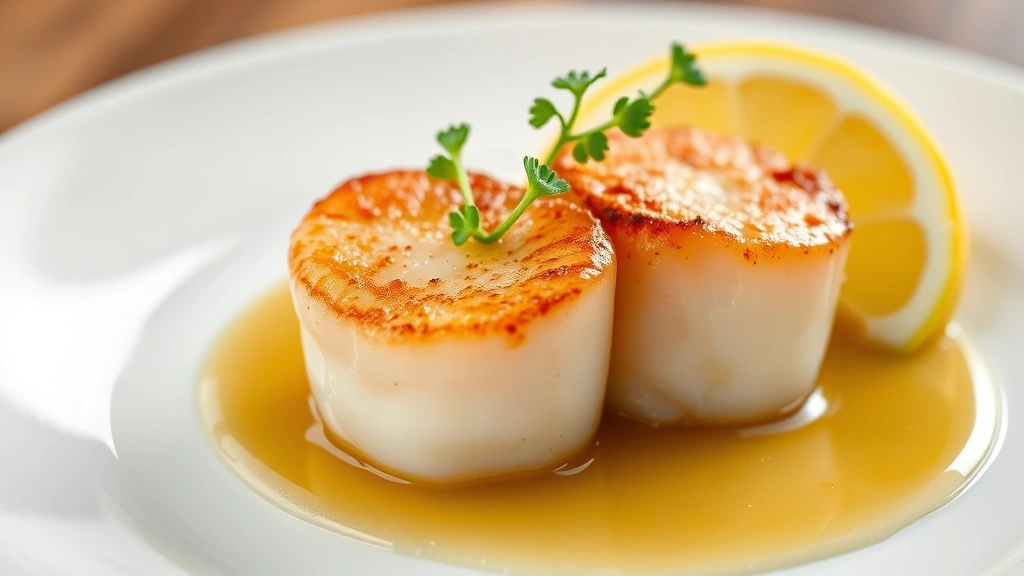
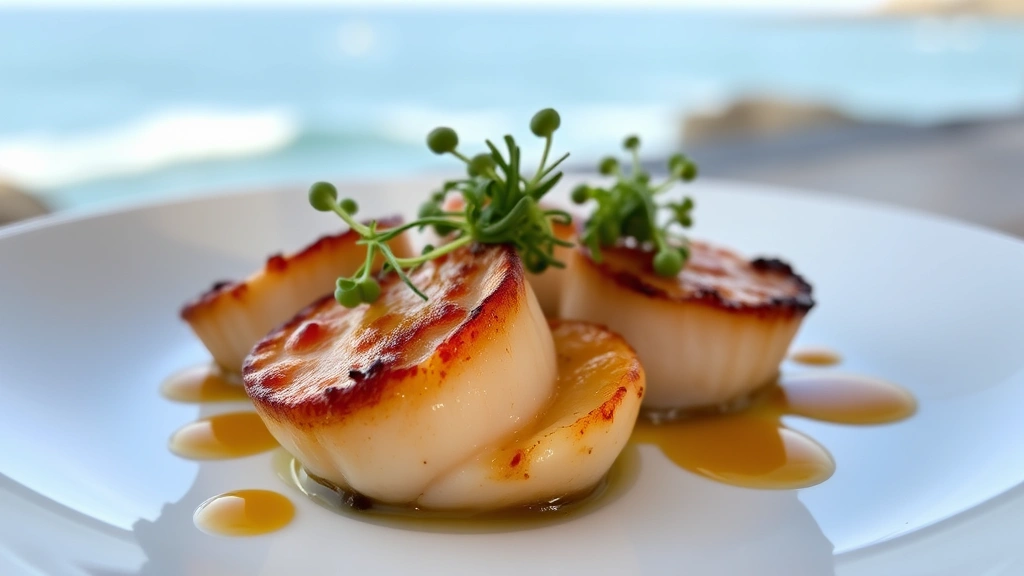
Scallops prepared simply—seared until golden, finished with lemon and fleur de sel—reveal why this ingredient commands such reverence among serious cooks. The exterior develops a caramelized crust through the Maillard reaction, while the interior remains impossibly tender, almost custard-like. Pair this with seasonal vegetables and a crisp Albariño, and you’ve experienced Cape Cod dining at its most essential.
Farm-to-Table Innovation Reshaping Cape Cod Dining
Beyond seafood, Cape Cod’s farm-to-table movement has fundamentally transformed the region’s culinary identity. The peninsula’s sandy soil might seem inhospitable, yet innovative farmers have developed thriving operations producing heirloom tomatoes, stone fruits, root vegetables, and specialty greens. Chefs throughout the region have embraced these partnerships, creating seasonal menus that shift with agricultural cycles rather than corporate supply chains.
This movement extends beyond mere ingredient sourcing—it represents a philosophical commitment to transparency, sustainability, and community. Many Cape Cod restaurants with outdoor seating feature views of the very farms supplying their kitchens, creating a visual connection between place and plate. Diners understand that their meal’s quality directly reflects the farmer’s stewardship, the chef’s vision, and a collaborative relationship built on mutual respect.
The farm-to-table approach enables chefs to work with produce at peak ripeness, capturing flavors that shipped supermarket versions simply cannot deliver. A tomato vine-ripened that morning tastes fundamentally different—sweeter, more complex, with subtle umami undertones. Corn picked hours before preparation retains sugars that convert to starch over time; early-morning harvests mean maximum sweetness. This temporal proximity between harvest and plate creates sensory experiences that transcend typical restaurant dining.
Vegetable-forward preparations have gained prominence as chefs recognize that exceptional produce deserves starring roles rather than supporting positions. Charred brassicas with romesco sauce, roasted root vegetables with herbs and brown butter, heirloom bean preparations showcasing individual varieties’ distinct textures and flavors—these dishes demonstrate that vegetable cuisine reaches profound heights when ingredients are impeccable and technique is refined.
Hidden Gems and Neighborhood Favorites
Cape Cod’s most memorable meals often occur in unassuming establishments that locals fiercely protect as secrets. These neighborhood favorites lack the marketing budgets of larger restaurants, yet they’ve earned devoted followings through consistent excellence and genuine hospitality. A modest storefront might house a kitchen producing some of the region’s most sophisticated cuisine, while a casual seafood shack could serve the best clam chowder you’ve ever experienced.
These hidden gems typically operate on principles of simplicity and authenticity. The menus rarely change dramatically—why would they, when customers return weekly for the same beloved dishes? The owner-operator model means decision-makers work the dining room, remembering regulars’ preferences and ensuring quality standards remain unwavering. Prices reflect ingredient costs rather than premium positioning, making exceptional food accessible to broader audiences.
Discovering these establishments requires local knowledge or willingness to explore beyond guidebook recommendations. Ask your hotel concierge, chat with fishmongers at local markets, strike up conversations with fellow diners. These informal networks often reveal restaurants that haven’t optimized their online presence but operate with remarkable consistency. The most rewarding culinary experiences frequently happen in places that trust their food to speak louder than their marketing.
Many hidden gems specialize in specific preparations that reflect their owners’ heritage or expertise. You might discover a Portuguese family’s seafood stew recipe perfected over decades, or a chef’s singular focus on pristine raw preparations. These narrow specializations often indicate mastery—when a restaurant does one thing, they typically do it exceptionally well.
Fine Dining Experiences Worth the Splurge
Cape Cod supports several fine dining establishments that compete with acclaimed restaurants in Boston and New York. These venues feature tasting menus crafted by formally trained chefs, extensive wine programs curated by sommeliers, and dining room experiences orchestrated with precision and grace. The investment required for these meals reflects not just food costs, but the expertise, creativity, and service excellence that elevates dining into theatrical experience.
Fine dining on Cape Cod benefits from the region’s ingredient advantages while incorporating culinary techniques developed at prestigious culinary institutions. Chefs trained at renowned culinary schools bring refined technical skills to local ingredients, creating dishes that honor both tradition and innovation. A tasting menu might progress from delicate amuse-bouches through seafood courses, meat preparations, and artisanal desserts, with wine pairings designed to complement each progression.
These establishments typically embrace modernist techniques alongside classical preparations. Sous-vide cooking ensures precise temperature control for proteins, while traditional stocks simmer for hours building deep, complex flavors. Plating emphasizes visual artistry without sacrificing flavor—each component positioned intentionally, colors balanced, negative space respected. The overall experience engages all senses: visual beauty, aromatic complexity, textural variety, and flavor sophistication combine into memorable meals that linger in memory long after the final course.
Service at fine dining venues operates on another level entirely. Staff members possess deep menu knowledge, understand food and wine pairing principles, and navigate service with intuitive grace. They recognize when to engage and when to recede, when a diner needs assistance and when they prefer uninterrupted enjoyment. This attentiveness, combined with technical knowledge, transforms a meal into a curated journey through culinary artistry.

Casual Eats That Capture Local Spirit
Not every exceptional meal requires reservations months in advance or formal attire. Cape Cod’s casual dining scene captures the region’s authentic character through unpretentious venues serving food rooted in local traditions. These establishments prioritize comfort and accessibility while maintaining ingredient quality and preparation standards.
Clam shacks represent Cape Cod’s most iconic casual dining experience. Weathered wooden structures, often located steps from beaches or harbors, serve fried clams, oyster stews, and fish-and-chips to multi-generational families. The best versions source clams daily, hand-bread them, and fry in oil at precise temperatures that create golden exteriors while maintaining tender interiors. Paired with tartar sauce and a cold beer, these simple meals capture summer’s essence.
Casual seafood restaurants emphasize straightforward preparations that let ingredient quality shine. Grilled fish with seasonal vegetables, steamed lobster with drawn butter, chowders enriched with cream and studded with tender clams—these unpretentious dishes satisfy completely. The dining rooms feature nautical décor, casual atmospheres, and staff who treat regulars like family members. Prices remain reasonable, making these venues accessible for frequent visits.
Breakfast and lunch establishments deserve particular mention in Cape Cod’s casual dining landscape. Local bakeries produce exceptional pastries, breads, and morning goods that draw lines before opening. Lunch spots prepare sandwiches using quality breads, house-made condiments, and fresh ingredients. These daytime establishments often close by evening, reflecting their role as community gathering spaces rather than destination restaurants.
Seasonal Dining: What to Eat When
Cape Cod’s seasonal character profoundly influences dining opportunities throughout the year. Summer brings peak tourism, maximum ingredient availability, and bustling restaurant scenes. Spring and fall offer pleasant weather with fewer crowds, while winter reveals the region’s quieter character and allows restaurants to focus on refined preparations.
Summer dining emphasizes fresh seafood, stone fruits, and vegetables at peak ripeness. Outdoor seating becomes paramount—diners prioritize restaurants with outdoor seating near me options where ocean breezes accompany meals. Menus feature lighter preparations showcasing ingredient quality, with chefs often changing daily specials based on morning’s catch. Rosé wines, crisp whites, and refreshing cocktails dominate beverage selections.
Fall brings cooler temperatures and autumn produce—apples, pears, root vegetables, and squashes. Chefs transition to heartier preparations: braises, roasted vegetables, and game preparations. The summer crowds diminish, allowing more intimate dining experiences. Burgundy wines, fuller-bodied whites, and spirit-based cocktails replace summer’s lighter options.
Winter transforms Cape Cod’s dining scene into something more introspective and community-focused. Many seasonal restaurants close, while year-round establishments reduce hours and often offer more relaxed atmospheres. Hearty soups, slow-cooked preparations, and comfort foods dominate menus. Chefs utilize preserved ingredients—stocks, dried mushrooms, pickled vegetables—developed during abundant seasons. This is prime time for seeking healthy food restaurants near me that emphasize nourishing preparations.
Spring represents transition season, as winter’s stored ingredients gradually yield to fresh spring produce. Early greens, tender vegetables, and renewed seafood catches inspire menus reflecting seasonal optimism. Lighter preparations return as temperatures warm, though the richness of winter cooking hasn’t fully departed.
FAQ
What’s the best time to visit Cape Cod for dining?
While summer offers maximum ingredient availability and bustling restaurant scenes, shoulder seasons (May-June and September-October) provide pleasant weather with fewer crowds and more relaxed dining experiences. Winter offers quieter, more intimate restaurant experiences, though some seasonal establishments close. Consider your preferences for crowds, weather, and ingredient selection when planning your visit.
How do I find the best local restaurants beyond guidebooks?
Engage with local communities by asking hotel staff, visiting farmers markets, chatting with fishmongers, and striking up conversations with fellow diners. Many of Cape Cod’s finest establishments lack significant online presence, relying instead on word-of-mouth reputation. Exploring neighborhoods on foot often reveals hidden gems that marketing materials miss.
Are reservations necessary for Cape Cod restaurants?
Fine dining establishments require reservations weeks in advance, particularly during summer. Popular casual restaurants benefit from reservations during peak season, though many accept walk-ins during quieter periods. Smaller, neighborhood-focused venues often operate first-come, first-served. Check individual restaurant policies before visiting.
What seafood should I prioritize when dining on Cape Cod?
Focus on whatever the restaurant’s daily specials feature—this indicates what local fishermen caught that morning. Lobster, scallops, striped bass, and oysters represent Cape Cod’s most exceptional offerings. Ask your server about the catch’s source and preparation methods to better understand what you’re ordering.
How do Cape Cod restaurants compare to other coastal dining destinations?
Cape Cod’s restaurant scene rivals acclaimed coastal destinations like best restaurants in Waikiki and other premier culinary regions. The combination of exceptional seafood, farm-to-table practices, and skilled chefs creates dining experiences comparable to more famous destinations, often with greater accessibility and authenticity.
What should I know about wine pairings at Cape Cod restaurants?
Cape Cod’s seafood-focused cuisine pairs beautifully with crisp whites (Sauvignon Blanc, Albariño), light rosés, and mineral-driven wines that complement briny flavors. Many establishments feature wine programs emphasizing smaller producers and sustainable practices. Don’t hesitate to ask sommeliers for recommendations—quality wine programs typically feature knowledgeable staff.
Are there good options for dietary restrictions?
Most Cape Cod restaurants accommodate dietary needs when notified in advance. Farm-to-table establishments particularly excel at creating custom preparations around available ingredients. Call ahead to discuss specific requirements, allowing chefs adequate preparation time for thoughtful adaptations rather than last-minute modifications.