Best Caribbean Dishes? Chef’s Top Picks Revealed
The Caribbean culinary landscape represents one of the world’s most vibrant and underappreciated gastronomic traditions. From the sun-drenched islands of Jamaica to the French-influenced shores of Martinique, Caribbean cuisine tells a story of cultural fusion, tropical abundance, and generations of culinary wisdom passed down through families and professional kitchens alike. When exploring what makes Caribbean food truly exceptional, it’s essential to understand that each dish carries the weight of history—African, European, indigenous, and Asian influences all converging on plates that sing with complex flavors, aromatic spices, and the unmistakable taste of island life.
What sets Caribbean cuisine apart is its relentless commitment to bold, unapologetic flavors. Whether you’re biting into a perfectly charred jerk chicken with its smoky scotch bonnet heat, or savoring the delicate sweetness of fresh conch in a citrus-forward ceviche, every dish demands your complete attention. The region’s chefs have perfected the art of balancing heat with sweetness, earthiness with brightness, and tradition with innovation. This guide unveils the chef-approved Caribbean dishes that have earned their place as must-try experiences for any serious food lover.
Jerk Chicken: The Soul of Caribbean Cooking
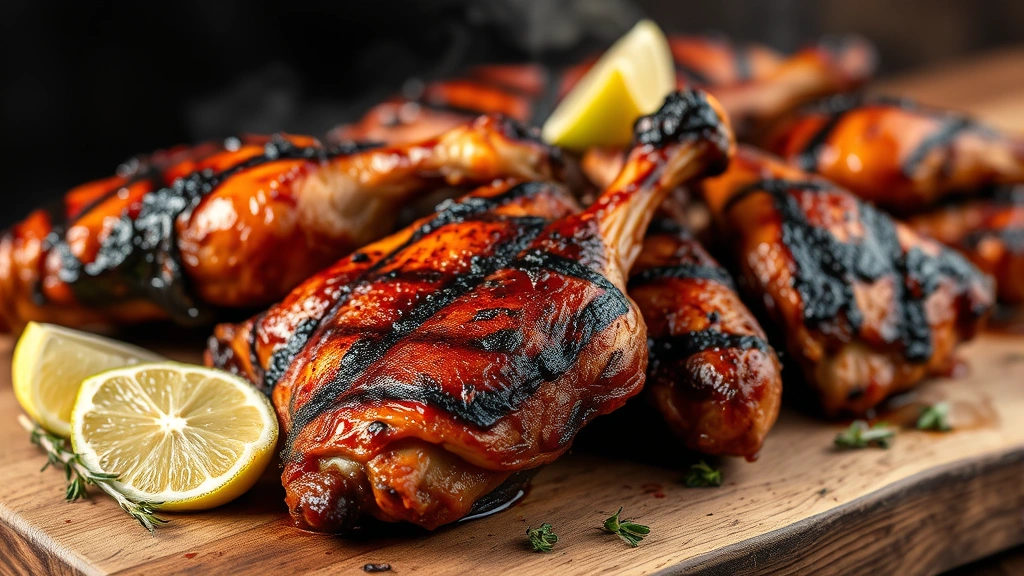
Jerk chicken stands as perhaps the most iconic Caribbean dish, a testament to the region’s mastery of spice application and smoke-based cooking techniques. The preparation begins with a marinade that represents centuries of flavor evolution—allspice berries, scotch bonnet peppers, thyme, ginger, garlic, cinnamon, and nutmeg combine to create a paste that coats chicken pieces with an intoxicating aromatics profile. What makes authentic jerk chicken transcendent is the cooking method itself. Traditionally prepared over pimento wood fires, the chicken absorbs smoky undertones while the exterior develops a charred, almost blackened crust that gives way to impossibly tender, juicy meat within.
The heat profile of jerk chicken deserves special attention. Scotch bonnet peppers deliver a fruity, floral heat that builds gradually on the palate rather than attacking it immediately. This nuanced approach to spice allows diners to experience the full complexity of the marinade—the warm spice notes of cinnamon and allspice, the herbaceous punch of thyme, the sharp bite of ginger—all working in concert with the heat. When visiting a family restaurant near you, ask specifically for jerk chicken prepared using traditional methods, as the difference between proper jerk and merely spiced chicken is profound.
Professional Caribbean chefs emphasize that the marinade’s quality determines the final dish’s character. Some preparations include soy sauce for umami depth, lime juice for acidity that brightens the spices, and brown sugar for subtle sweetness that caramelizes during cooking. The resting period—allowing the chicken to marinate for at least four hours, preferably overnight—permits the flavors to penetrate deeply into the meat. When the chicken hits the grill, listen for the distinctive sizzle and watch for the characteristic smoking that indicates proper technique.
Conch Salad and Cracked Conch Delicacies
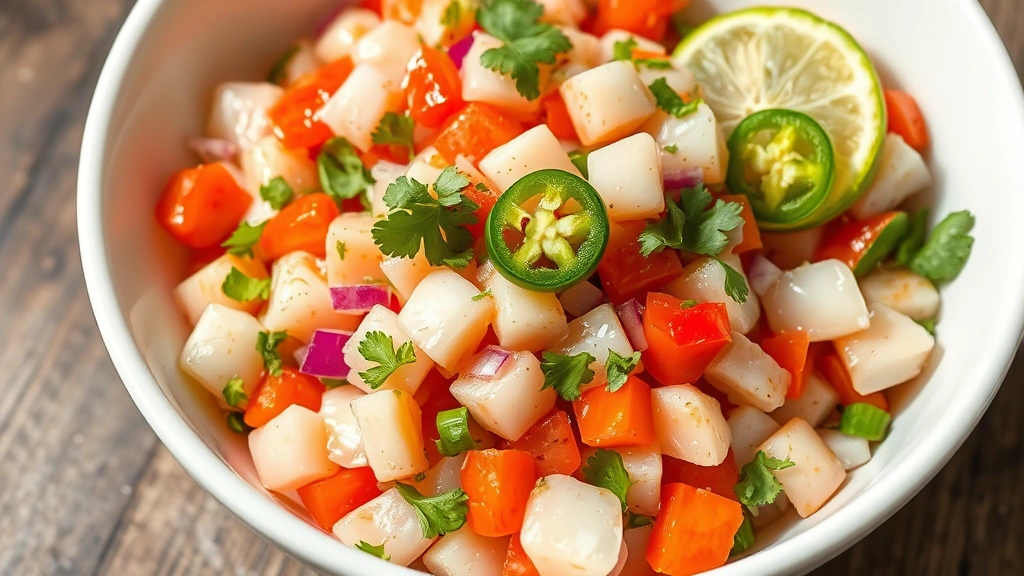
Conch represents the Caribbean’s connection to its pristine waters and culinary heritage. Conch salad, a Bahamian specialty, showcases raw conch meat diced into tender, translucent pieces and dressed with a vibrant mixture of lime juice, tomatoes, onions, bell peppers, and cilantro. The lime juice’s acid cures the conch, transforming its texture from chewy to delicate within minutes. The first bite delivers a briny sweetness followed by the brightness of citrus and the heat of jalapeños, creating a flavor profile that tastes like the ocean itself translated into edible form.
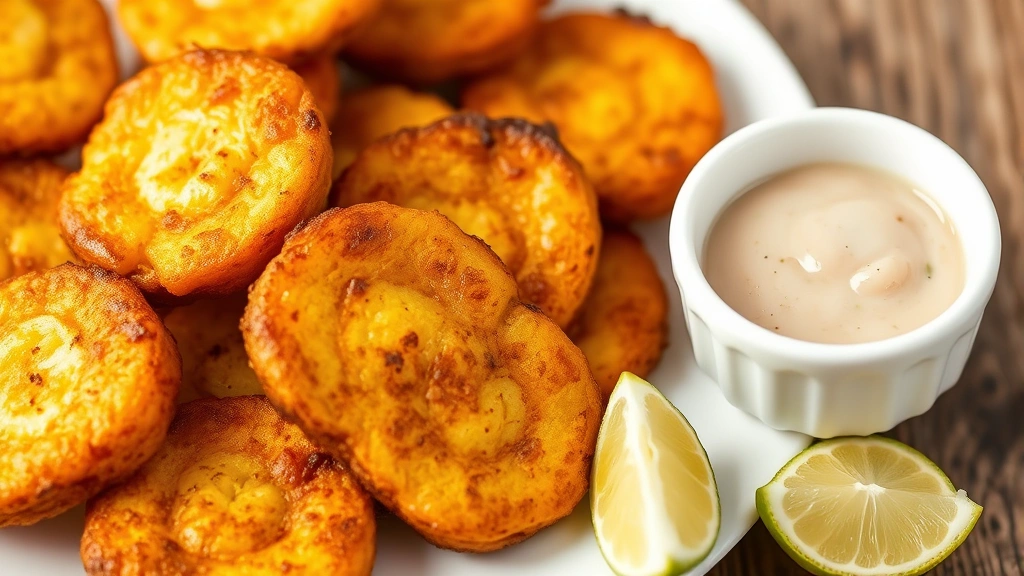
Cracked conch, by contrast, presents the mollusk in its cooked form—pounded thin, breaded, and fried until golden and crispy. The exterior shatters between your teeth while the interior remains tender and slightly sweet. Served alongside simple seafood recipes techniques, cracked conch demonstrates how respect for ingredient quality elevates even straightforward preparations. The key to exceptional cracked conch lies in sourcing fresh conch and pounding it with enough force to break down connective tissue without destroying the meat’s structure. Professional chefs often serve it with a squeeze of fresh lime and a side of spicy aioli, allowing the conch’s natural sweetness to shine.
The conch’s flavor profile—subtle, slightly sweet, with oceanic minerality—requires careful seasoning. Too much spice overwhelms the delicate meat, while too little renders it boring. The best Caribbean restaurants understand this balance, using conch as a canvas for supporting flavors rather than a vehicle for heat. When seeking conch dishes at your local romantic restaurant, inquire about the source of the conch; Caribbean-sourced conch typically possesses superior flavor and texture compared to frozen alternatives.
Rice and Peas: The Humble Foundation
Rice and peas (typically made with kidney beans or pigeon peas) serves as the backbone of Caribbean cuisine, yet this humble dish deserves recognition as a culinary achievement worthy of the finest restaurant tables. The preparation involves cooking rice in a flavored stock created by simmering coconut milk with scallions, thyme, garlic, and the beans themselves. The result transcends simple starches—each grain of rice absorbs the coconut’s subtle sweetness and the aromatics’ complexity, while the beans contribute earthiness and textural contrast.
What distinguishes exceptional rice and peas from mediocre versions is the ratio of ingredients and the cooking technique. Professional Caribbean chefs maintain precise liquid-to-rice ratios, typically using a combination of coconut milk and vegetable or chicken stock to create depth without overwhelming richness. The beans must be cooked until just tender—neither mushy nor undercooked—while remaining distinct from the rice. Some preparations include butter added at the end, creating a subtle richness that coats each grain.
The aromatics warrant equal attention. Fresh thyme, not dried, provides brightness that dried varieties cannot achieve. Scallions contribute a mild onion flavor that becomes sweet and mellow during cooking. Garlic, when used sparingly and cooked gently, adds savory depth without assertiveness. Together, these elements transform rice and peas from side dish to centerpiece-worthy component. This foundational dish appears alongside virtually every Caribbean protein, making it essential to understand its role in the broader culinary narrative.
Seafood Specialties Worth Seeking
Beyond conch, the Caribbean’s seafood repertoire extends to numerous preparations that showcase the region’s fishing heritage. Mahi-mahi (locally called dorado) appears frequently in Caribbean kitchens, prepared simply with lime, garlic, and fresh herbs to let the fish’s mild sweetness dominate. The flesh’s firm texture holds up beautifully to grilling, developing a light char while maintaining moisture within. Caribbean chefs often serve mahi-mahi with a cilantro-lime butter or a fresh pico de gallo that complements without overwhelming.
Escovitch fish—a preparation with Jamaican roots—involves frying whole fish until the skin crisps and the flesh becomes tender, then topping it with a spiced vinegar sauce studded with onions, peppers, and carrots. The vinegar’s acidity cuts through the richness of the fried fish, while the vegetables’ sweetness provides balance. This dish exemplifies how Caribbean cooks use acid and spice to create harmony rather than one-dimensional heat.
Lobster, when available, receives reverent treatment in Caribbean cuisine. Grilled lobster tail with garlic butter, or lobster in a creamy coconut sauce enriched with peppers and aromatics, showcases the protein’s natural sweetness. The key to successful lobster preparation involves avoiding overcooking—the meat becomes rubbery and loses its delicate flavor when exposed to excessive heat. Professional chefs use precise timing and lower temperatures to ensure the lobster remains succulent and tender.
When exploring restaurants open on Thanksgiving or other occasions, inquire about the day’s fresh seafood specials. Caribbean restaurants typically feature whatever the local fishermen brought in that morning, ensuring maximum freshness and supporting local fishing communities simultaneously.
Plantain Traditions Across Islands
Plantains hold a sacred place in Caribbean cuisine, appearing in numerous forms throughout the culinary landscape. Green plantains, still starchy and firm, transform into tostones—twice-fried slices that emerge crispy outside with a creamy interior. The first frying cooks the plantain through while developing a golden exterior; the second frying, following a brief flattening, creates the signature crispy texture. Served with a garlicky mojo sauce or simply salted, tostones provide the perfect vehicle for absorbing accompanying flavors while standing proudly as standalone dishes.
Ripe plantains, yellow and sweet, yield to different preparations. Maduros—sliced and fried until caramelized—provide a sweet counterpoint to savory mains, their edges turning dark brown and crispy while the interior becomes soft and almost creamy. The natural sugars in ripe plantains caramelize during frying, creating depth and complexity that surprises those unfamiliar with the fruit’s potential. A squeeze of lime juice before serving brightens the sweetness, preventing the dish from becoming cloying.
Plantain dishes also appear in more elaborate preparations. Plantain chips, thinly sliced and fried, offer satisfying crunch and subtle sweetness. Some Caribbean chefs incorporate plantains into savory preparations, creating a balance between starch, sweetness, and umami that characterizes the region’s sophisticated approach to ingredient combination. Understanding how to properly select plantains—firm for green applications, yielding slightly to pressure for ripe—ensures successful home preparation or helps diners recognize quality when ordering.
FAQ
What makes Caribbean food distinctly different from other tropical cuisines?
Caribbean cuisine’s uniqueness stems from its multicultural heritage and access to specific ingredients. The combination of African cooking techniques, European influences, indigenous ingredients, and Asian spice traditions creates flavor profiles unavailable elsewhere. The emphasis on bold spicing, particularly scotch bonnet peppers and allspice, distinguishes Caribbean food from other tropical traditions that often emphasize subtlety. Additionally, the Caribbean’s specific seafood resources—conch, flying fish, mahi-mahi—and the prevalence of coconut milk create a distinctive flavor foundation.
How do I find authentic Caribbean restaurants in my area?
Search for restaurants specifically advertising Jamaican, Trinidadian, or island-specific cuisines rather than generic “Caribbean” establishments. Look for menus featuring jerk preparations, rice and peas, and fresh seafood specials. Reading reviews mentioning homemade spice blends, traditional cooking methods, and island-sourced ingredients indicates authenticity. Consulting resources about best restaurants near me often includes Caribbean options in diverse urban areas. Asking Caribbean community members for recommendations typically yields excellent results, as locals know which establishments maintain traditional standards.
Can I recreate Caribbean dishes at home?
Absolutely, though some preparations benefit from specialized equipment. Jerk chicken requires access to fresh scotch bonnet peppers and a grill or smoker; the flavor improves dramatically when using traditional pimento wood, though hickory or oak provide acceptable alternatives. Conch salad demands ultra-fresh conch, which may prove challenging outside coastal areas, though frozen conch works in cracked conch preparations. Rice and peas, tostones, and most vegetable-forward dishes translate beautifully to home kitchens. Invest in quality spices—particularly fresh allspice berries and whole nutmeg—as pre-ground varieties lose potency quickly.
What beverages pair well with Caribbean dishes?
Caribbean rum, naturally, pairs beautifully with island cuisine. Light, crisp rums complement seafood dishes, while aged rums suit jerk preparations. Non-alcoholic options include fresh coconut water, which echoes the cuisine’s tropical foundation, or traditional hibiscus-based beverages that provide brightness. Ginger beer offers spicy warmth that complements jerk chicken. Fresh lime juice mixed with water and minimal sugar provides refreshment that cuts through rich, spiced dishes without overwhelming delicate flavors.
How important is ingredient sourcing in Caribbean cooking?
Ingredient sourcing fundamentally shapes Caribbean cuisine’s character. Fresh scotch bonnet peppers deliver superior flavor and heat complexity compared to dried varieties or alternatives. Caribbean-sourced seafood possesses flavor depth that frozen or distant-sourced options cannot match. Fresh thyme, coconut milk from quality sources, and locally-grown plantains all contribute to authentic taste profiles. While Caribbean restaurants in non-island locations necessarily adapt to available ingredients, understanding the importance of sourcing helps diners recognize quality establishments that prioritize ingredient integrity despite geographical constraints.
What spice blends characterize Caribbean cooking?
The foundational Caribbean spice profile centers on allspice (also called pimento), which provides warm, complex notes reminiscent of cinnamon, nutmeg, and clove simultaneously. Scotch bonnet peppers contribute fruity, floral heat. Thyme, both fresh and dried, appears constantly. Ginger adds sharp, warming notes. Cinnamon and nutmeg appear frequently, particularly in jerk preparations. Coriander, cumin, and cloves support these primary players. The sophistication of Caribbean spicing lies not in quantity but in balance—each spice should be distinguishable while contributing to a harmonious whole rather than creating a single, undifferentiated heat or flavor.
Are there vegetarian Caribbean dishes?
Yes, though Caribbean cuisine traditionally emphasizes seafood and meat. Rice and peas provides a complete protein when beans and rice combine. Plantain dishes—tostones, maduros, and chips—serve as substantial vegetarian options. Vegetable stews incorporating okra, callaloo, and root vegetables provide hearty, flavorful mains. Many easy homemade recipes can incorporate Caribbean spice principles into vegetable-forward preparations. Professional Caribbean chefs increasingly develop vegetarian preparations that maintain the cuisine’s characteristic bold flavors and complex spicing.
Image placeholder 2 appears after Jerk Chicken section
Image placeholder 3 appears near FAQ section