Top Cave Creek Eats: Local Foodie’s Guide to Desert Dining Excellence
Nestled in the rugged foothills of north-central Arizona, Cave Creek has quietly evolved into a culinary destination that rivals far larger metropolitan areas. This charming town, once known primarily for its Wild West heritage and outdoor recreation, now boasts a vibrant food scene that celebrates both innovative contemporary cuisine and time-honored Southwestern traditions. Whether you’re a seasoned food enthusiast seeking your next gastronomic adventure or a casual diner looking for memorable flavors, Cave Creek restaurants deliver exceptional experiences that honor the region’s rich culinary culture while pushing creative boundaries.
The dining landscape here reflects Arizona’s unique position at the crossroads of cultures—Native American heritage, Spanish colonial influences, Mexican traditions, and modern American innovation converge on every plate. Local chefs source ingredients from desert producers, incorporate indigenous techniques, and draw inspiration from the stunning natural landscape surrounding this community. From intimate farm-to-table establishments to spirited gastropubs, Cave Creek’s restaurant scene offers palate-expanding discoveries at every turn.

Southwestern Fine Dining & Desert Cuisine
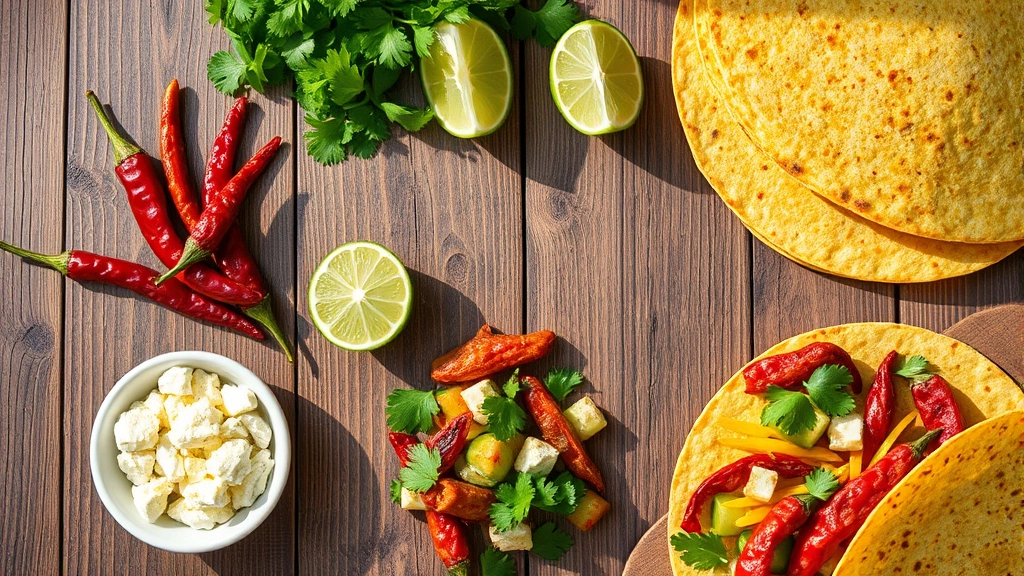
Cave Creek’s most sophisticated dining establishments celebrate Southwestern cuisine with remarkable depth and nuance. These venues understand that desert cooking isn’t merely about heat and spice—it’s a complex culinary language developed over centuries, incorporating indigenous ingredients like chiles, corn, beans, and game meats with techniques refined through generations. The best restaurants in this category treat these traditions with reverence while introducing contemporary plating and flavor combinations that surprise and delight.
The hallmark of excellent Southwestern fine dining lies in ingredient selection and preparation philosophy. Chefs source dried chiles from specialized producers, understanding the flavor profiles of Hatch, guajillo, pasilla, and New Mexico varieties. They grind their own chile powders, cure their own meats, and often forage for native ingredients like prickly pear cactus, desert mushrooms, and indigenous herbs. This commitment to authenticity creates dishes that taste unmistakably of place—you can taste the Arizona landscape in every component.
Many top-tier establishments offer tasting menus that tell stories through flavor progression. A well-constructed tasting menu might begin with delicate ceviches featuring locally-caught fish, progress through rich mole sauces developed over hours of careful cooking, and conclude with desserts incorporating mesquite, cactus pear, or native chilhuacle chiles. The sensory journey educates your palate while delivering genuine pleasure.
Signature dishes at these venues often feature game meats—quail, venison, rabbit—prepared with techniques that highlight their natural richness. Chimayo chile-rubbed duck breast might arrive with charred corn puree and crispy pork belly, creating textural contrast and flavor complexity. Carne adovada, that iconic slow-cooked pork preparation, reaches transcendent heights when made with whole dried chiles and allowed to develop deep, layered flavors over extended cooking periods.
When exploring Cave Creek’s Southwestern fine dining scene, pay attention to how chefs approach traditional staples. Authentic chile rellenos—poblano peppers stuffed with cheese and served in chile sauce—represent a true test of kitchen skill. The poblano must be roasted and peeled to silky perfection, the cheese selection matters greatly, and the sauce should achieve balance between heat, acidity, and richness. Similarly, quality sopapillas or churros with house-made chocolate sauce demonstrate commitment to craft desserts rather than shortcuts.
The wine and spirit pairings at these establishments deserve special attention. Many feature curated selections of Mexican wines, which pair beautifully with Southwestern cuisine, plus craft cocktails featuring mezcal, tequila, and indigenous ingredients. A perfectly executed margarita—made with fresh lime juice, quality tequila, and balanced sweetness—becomes a revelation when executed by skilled bartenders.
Casual Gems & Neighborhood Favorites
Beyond fine dining, Cave Creek’s casual restaurant scene captures authentic local flavor while maintaining exceptional quality standards. These neighborhood establishments often develop devoted followings because they understand the community’s tastes and deliver consistency that builds trust over years of service. The best casual spots balance approachability with genuine culinary care—you’ll find no shortcuts in ingredient quality or technique, but the atmosphere remains relaxed and welcoming.
Casual Southwestern restaurants often excel at specific specialties. Some have earned reputations for particular dishes—perhaps the best chile verde in the region, or sopapillas that locals queue for. Others focus on specific cooking methods, like traditional wood-fired grilling or slow-roasted preparations. The common thread is passionate owners who cook the food they love, often drawing from family recipes or personal culinary philosophies.
Mexican cuisine in this context means far more than what most Americans encounter elsewhere. Authentic regional Mexican cooking varies tremendously—coastal preparations emphasize seafood and citrus, while mountain regions favor dried chiles and preserved foods. Northern Mexican cuisine, particularly relevant to Arizona, features flour tortillas, grilled meats, and bold seasoning. When you find a restaurant that understands these distinctions, you’ve discovered something special.
Breakfast and brunch culture thrives in Cave Creek’s casual dining landscape. Many restaurants serve traditional chilaquiles—fried tortilla strips simmered in chile sauce, typically topped with eggs, cheese, and crema. The best versions achieve perfect balance: the tortillas maintain some textural integrity while absorbing sauce, the eggs cook gently to creamy perfection, and the overall dish tastes bright and alive rather than heavy. Breakfast burritos, when made with quality ingredients and proper proportions, become complete meals that sustain you through active desert days.
Taco culture deserves special recognition. The finest casual restaurants approach tacos with the same care fine dining establishments reserve for composed plates. Quality corn tortillas, made fresh or sourced from excellent producers, provide the foundation. Proteins receive proper attention—carnitas that have been slow-cooked until impossibly tender, al pastor that’s been marinated and cooked on a vertical spit, barbacoa that’s been steamed for hours until it shreds at the gentlest touch. Toppings remain minimal and intentional: perhaps onion, cilantro, lime, and a carefully chosen salsa that complements rather than overwhelms.
When exploring restaurants in similar communities, you’ll notice that the best casual establishments share common traits: knowledgeable staff, genuine hospitality, and owners visibly present in their establishments. In Cave Creek, many restaurant owners work their dining rooms, speak with regulars by name, and adjust service based on individual preferences they’ve learned over time.
Farm-to-Table Philosophy in the Desert
The farm-to-table movement takes on special significance in desert environments where local agriculture requires particular knowledge and respect. Cave Creek’s commitment to seasonal, locally-sourced dining reflects both practical realities and genuine culinary philosophy. The desert produces exceptional ingredients when you understand what thrives in this climate—citrus, stone fruits, desert vegetables, indigenous herbs, and increasingly, diverse crops from innovative farmers.
Excellent farm-to-table restaurants in Cave Creek maintain direct relationships with producers. Chefs visit farms, understand growing practices, and often collaborate on crop selection. This relationship means restaurants can feature truly seasonal menus—winter might emphasize citrus and hardy greens, spring brings tender asparagus and artichokes, summer showcases stone fruits and heirloom tomatoes, and fall features squashes and root vegetables. Rather than limiting options, this seasonality creates excitement as menus evolve and favorite ingredients reappear.
Local sourcing in desert regions often means supporting Native American agricultural traditions. Some restaurants feature ingredients from tribal lands—corn varieties developed over centuries, beans with specific flavor profiles, chiles with particular heat and flavor characteristics. These ingredients carry cultural significance and represent agricultural knowledge refined through generations of adaptation to desert conditions.
The preparation philosophy at farm-to-table establishments emphasizes ingredient quality over technique flourishes. A perfectly ripe tomato might receive only salt, quality olive oil, and fresh basil—allowing the fruit’s natural sweetness and acidity to shine. Fresh fish might be simply grilled with lemon and herbs, highlighting the protein’s delicate flavor rather than masking it with heavy sauces. This approach requires absolute confidence in ingredient quality and genuine respect for the source material.
Vegetable-forward cuisine thrives at these establishments. Chefs treat vegetables as primary components rather than side dishes. Charred desert vegetables—perhaps local squashes, peppers, and eggplant—might be served with tahini, pomegranate, and fresh herbs, creating dishes of genuine substance and satisfaction. Root vegetables, when properly prepared, develop deep caramelized flavors that satisfy without heaviness.
These restaurants often feature beverage programs highlighting local producers—craft beverages from Arizona breweries, wines from emerging Arizona wine regions, and spirits from local distilleries. The commitment to local sourcing extends throughout the entire dining experience, creating coherence and supporting regional producers.
Craft Beverages & Tasting Experiences
The beverage programs at Cave Creek’s best restaurants deserve special attention. Craft cocktails featuring local spirits have become a defining characteristic of upscale dining here. Bartenders source mezcal from specific Mexican regions, select small-batch tequilas based on flavor profiles, and develop original cocktails that complement the food menu.
A well-designed margarita might feature reposado tequila aged in specific barrel types, fresh lime juice pressed to order, and a touch of agave nectar that adds complexity without excessive sweetness. Mezcal cocktails often highlight the spirit’s smoky character—perhaps paired with citrus, herbs, and bitters that create balanced compositions. These aren’t casual drinks but rather crafted beverages worthy of serious consideration.
Wine programs at fine dining establishments often emphasize Mexican and Spanish wines that pair naturally with Southwestern cuisine. Wines from Baja California, an emerging wine region with remarkable potential, offer excellent values and unexpected flavor profiles. Spanish selections, particularly from regions like Rioja and Ribera del Duero, pair beautifully with grilled meats and rich chile-based dishes.
Beer culture in Cave Creek reflects Arizona’s robust craft brewing scene. Local breweries produce excellent IPAs, Mexican-style lagers, and experimental beers featuring indigenous ingredients. Some restaurants feature beer-pairing menus alongside food offerings, introducing guests to creative combinations they might not otherwise discover.
Tasting menus, when available, represent the ultimate expression of a chef’s culinary philosophy and current inspirations. A well-constructed tasting menu tells a story through flavor progression, texture variation, and temperature changes. It might begin with light, refreshing preparations, progress through increasingly complex and rich dishes, and conclude with palate-cleansing lighter fare before dessert. Each course should feel intentional and connected to the overall narrative.
Dining with Scenic Views
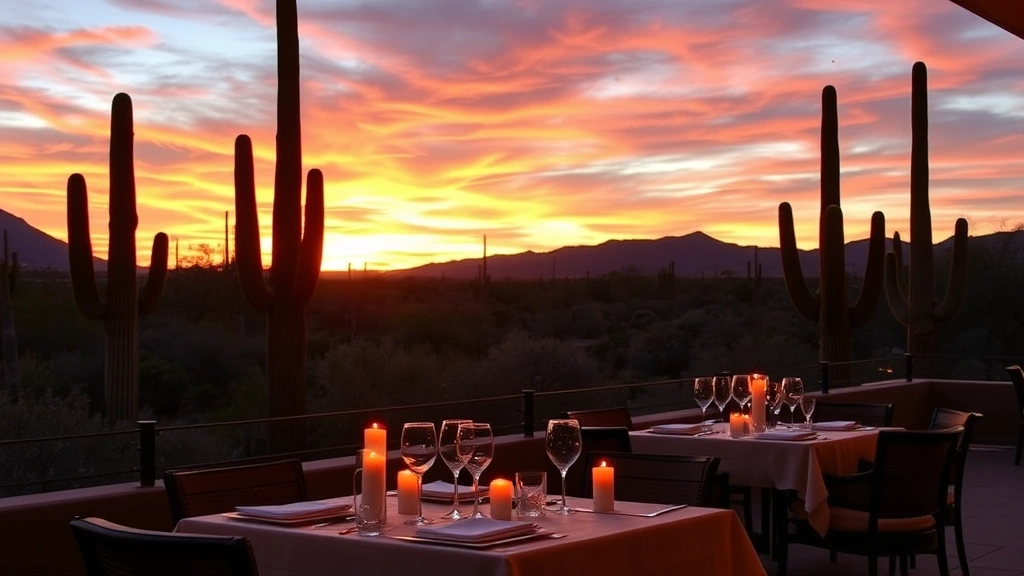
Cave Creek’s stunning natural landscape provides dramatic backdrop for dining experiences. Restaurants positioned to capture sunset views over desert mountains, with saguaro cacti silhouetted against colorful skies, offer sensory experiences that extend beyond food and beverage. The visual beauty enhances flavors, slows down eating, and creates memories that linger long after the meal concludes.
Outdoor dining in the desert requires particular attention to comfort and timing. The best establishments provide shade structures, misters for warm seasons, and heating for cooler evenings. Sunset dining, popular in this region, demands reservations well in advance as diners seek that magical hour when light turns golden and temperatures drop from daytime heat.
Patio dining among desert vegetation creates intimate atmospheres despite outdoor settings. Native landscaping—featuring palo verde trees, mesquite, ocotillo, and various cacti—provides natural screening and contributes to the sense of dining within the landscape rather than overlooking it. Thoughtful design ensures diners enjoy views without excessive sun exposure or wind.
Seasonal considerations affect outdoor dining significantly. Winter months provide ideal conditions—temperate afternoons, cool evenings, and clear skies. Spring brings wildflower blooms that add color to vistas. Summer requires evening dining to avoid midday heat. Fall offers pleasant temperatures and clear visibility for sunset viewing. Understanding these seasonal patterns helps you time visits for optimal experience.
Special Occasion Venues
When celebrating significant moments, Cave Creek offers restaurants with private spaces and group dining capabilities. These establishments understand that special occasions demand particular attention to detail, timing, and personalization. The best venues work with guests to customize menus, coordinate timing with other celebrations, and create memorable experiences worthy of the occasion.
Private dining rooms at upscale restaurants often feature menus tailored to group preferences and dietary requirements. Chefs might design multi-course progressive menus, prepare specific dishes with historical or personal significance, or create entirely custom offerings based on guest preferences. The key is communication—excellent restaurants ask detailed questions and deliver on promises.
Rehearsal dinners, wedding celebrations, milestone birthdays, and business gatherings all require different approaches. Some groups prefer formal multi-course presentations, while others want casual family-style service where dishes circulate and guests serve themselves. The best establishments offer flexibility and work collaboratively to realize your vision.
Wine or beverage pairings for special occasions create additional dimensions of celebration. Sommeliers might select wines with personal significance, create flights highlighting particular producers or regions, or design pairings that complement each course specifically. These curated experiences elevate occasions from simply eating to genuine celebrations.
For outdoor celebrations in this pet-friendly community, some venues accommodate canine companions, allowing the entire family to participate in special occasions. This growing trend recognizes that pets are important family members who should be included when possible.
When planning special occasion dining in Cave Creek, consider the season, time of day, and specific preferences of honorees. Spring and fall offer ideal weather for outdoor celebrations. Sunset timing provides dramatic natural lighting and pleasant temperatures. Direct communication with restaurant management ensures your vision becomes reality.
FAQ
What’s the best time to visit Cave Creek restaurants for optimal seasonal ingredients?
Spring (March-May) and fall (September-November) offer the most exciting seasonal ingredients and pleasant dining weather. Spring features tender vegetables and asparagus, while fall brings squashes and root vegetables. Winter citrus season (December-February) is excellent for farms-to-table restaurants. Summer can be challenging for outdoor dining due to heat, though many establishments provide excellent air-conditioned indoor spaces and evening patio service.
How far in advance should I reserve at popular Cave Creek dining establishments?
Fine dining restaurants and popular casual spots often book 2-4 weeks in advance, particularly for weekend dining. Sunset seating and special occasions may require reservations 4-6 weeks ahead. During peak season (winter months), advance planning is essential. However, many restaurants reserve tables for walk-in diners, so spontaneous dining is possible with flexibility regarding timing.
Are there restaurants accommodating specific dietary restrictions or allergies?
The best Cave Creek restaurants take dietary requirements seriously and work collaboratively to create safe, delicious meals. When making reservations, clearly communicate allergies and restrictions. Quality establishments maintain detailed ingredient lists, understand cross-contamination concerns, and adjust preparations to accommodate needs without compromising flavor or experience.
What distinguishes authentic Southwestern cuisine from Tex-Mex approaches?
Authentic Southwestern cuisine emphasizes indigenous ingredients, traditional cooking techniques, and regional specialization. It features whole dried chiles, slow-roasted preparations, and ingredients like cactus and native herbs. Tex-Mex typically uses processed ingredients, canned items, and Americanized preparations. Flavor Adventurer’s comprehensive blog explores these distinctions extensively through detailed culinary analysis.
How do I identify restaurants genuinely committed to farm-to-table philosophy versus those using it as marketing?
Legitimate farm-to-table establishments feature seasonal menus that change regularly, list producer names, and staff can discuss sourcing relationships in detail. They often feature limited menus reflecting current ingredient availability rather than extensive offerings. Prices reflect quality ingredients and direct sourcing costs. Visit websites and call ahead—genuine commitment is evident in communication and transparency about sourcing practices.
What’s the dress code at Cave Creek’s fine dining establishments?
Most upscale restaurants suggest business casual or smart casual attire—no beachwear or athletic clothing, but jeans and nice shirts are typically acceptable. Specific dress codes vary, so confirm when making reservations. Casual neighborhood restaurants generally welcome comfortable clothing appropriate for dining out. Desert dining sometimes encourages sun protection layers, as air conditioning can be robust.
Are there resources for learning more about food criticism and tasting methodologies?
The International Association of Culinary Professionals offers valuable resources for understanding food criticism and tasting techniques. The Culinary Institute of America provides educational content about flavor development and cuisine fundamentals. For professional tasting methodology, The American Society of Clinical Pathologists and food science organizations publish research on sensory evaluation.