Chi-Chi’s Salsa: Nostalgia in Every Bite? A Comprehensive Taste Test and Restaurant Comeback Analysis
There’s something uniquely powerful about the foods that defined our childhoods. For millions of Americans across the 1980s and 1990s, Chi-Chi’s Mexican Restaurant represented more than just casual dining—it was a rite of passage, a celebration destination, and for many, their first genuine encounter with Tex-Mex cuisine beyond their home kitchens. The warm tortilla chips, that distinctive red salsa, and the festive atmosphere created memories that have persisted for decades, even as the restaurant empire largely faded from the mainstream dining landscape.
The recent revival of Chi-Chi’s has sparked considerable excitement among nostalgic diners and food enthusiasts alike. But does the legendary salsa that once graced countless family dinners still deliver that authentic, satisfying punch? More importantly, how does it measure up against the contemporary salsa landscape, where artisanal producers and fresh-ingredient-focused restaurants have fundamentally transformed our expectations? This comprehensive taste test explores whether Chi-Chi’s salsa lives up to the memory, examining its flavor profile, ingredient quality, texture, and overall appeal in today’s increasingly sophisticated food culture.
The Chi-Chi’s Legacy: Understanding the Nostalgia Factor
Chi-Chi’s Mexican Restaurant emerged as a significant player in American casual dining during the 1970s, expanding rapidly throughout the 1980s and 1990s until reaching over 140 locations at its peak. The chain became synonymous with accessible Tex-Mex dining, introducing countless families to dishes like chimichangas, fajitas, and the now-iconic combination platters. More than the entrees, however, Chi-Chi’s became legendary for what arrived at your table before the meal: complimentary warm tortilla chips and that distinctive red salsa that somehow managed to be both approachable for unsophisticated palates and satisfying enough to consume in substantial quantities.
The nostalgia surrounding Chi-Chi’s isn’t merely sentimental—it’s rooted in genuine culinary memory. During the 1980s and 1990s, Chi-Chi’s salsa represented a gateway experience for many Americans encountering authentic Tex-Mex flavors. The salsa was neither too spicy nor too mild, possessed enough complexity to be interesting, and paired perfectly with their fresh, warm tortilla chips. This combination became the template against which many diners now measure their expectations for Mexican restaurant experiences.
The recent Chi-Chi’s restaurant comeback has capitalized on this powerful nostalgia, with new locations and retail products attempting to recapture the magic of the original brand. The revival raises compelling questions about whether classic recipes have been preserved, updated, or reimagined for contemporary tastes.
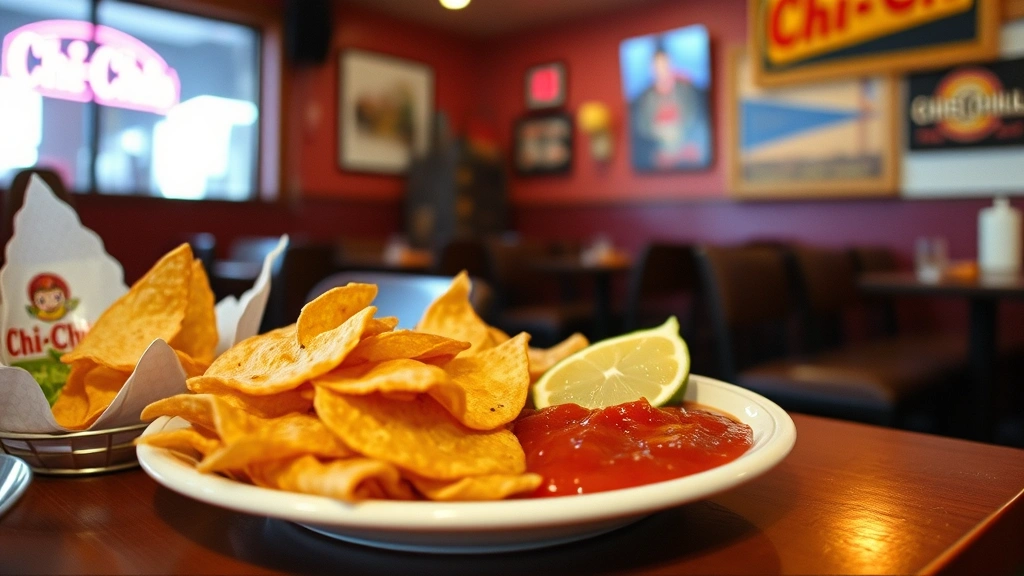
Salsa Fundamentals: What Makes Great Salsa
Before evaluating Chi-Chi’s salsa specifically, understanding the fundamental components of exceptional salsa is essential. Great salsa requires a delicate balance of fresh tomatoes, properly ripened peppers, aromatic alliums (garlic and onion), fresh herbs, acid, and salt. The texture should showcase distinct vegetable pieces rather than presenting as a homogenized paste. The flavor should evolve on the palate, revealing different dimensions as the salsa sits on your tongue.
According to the Culinary Institute of America, authentic salsa preparation emphasizes ingredient quality and minimal processing. The best salsas feature tomatoes picked at peak ripeness, fresh cilantro added just before serving to preserve its bright aromatics, and a balance of heat that enhances rather than overwhelms other flavors. The acid component—whether from lime juice, vinegar, or the tomatoes themselves—should provide brightness without harshness.
Understanding these fundamentals helps contextualize our evaluation of Chi-Chi’s salsa. How well does it align with these principles? Does it feel crafted with ingredient integrity, or does it reveal the compromises inherent in large-scale production?
Initial Impressions: Appearance and Aroma
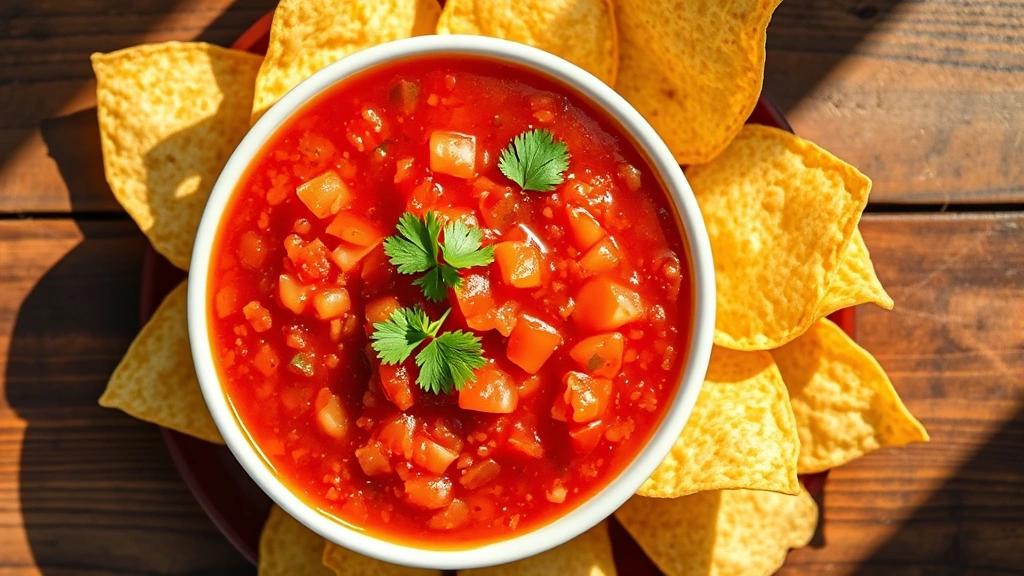
Opening a container of Chi-Chi’s salsa immediately reveals its most distinctive characteristic: the color. The salsa presents a bright, almost neon-red hue that’s immediately recognizable to anyone who dined at Chi-Chi’s during its heyday. This vibrant red isn’t the result of fresh tomato juice—it’s clearly the product of tomato concentrate and careful color management, likely enhanced with natural colorants and careful formulation.
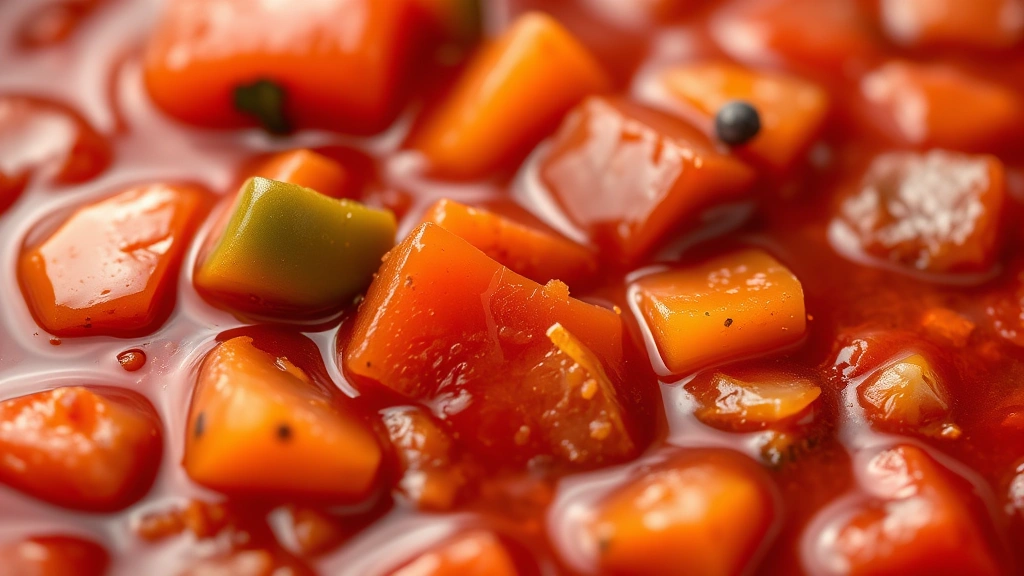
The visual texture shows distinct chunks of tomato and pepper, which is encouraging. Unlike some mass-produced salsas that appear entirely homogenized, Chi-Chi’s maintains visible vegetable pieces. The distribution seems relatively even, suggesting consistent production processes rather than handmade variation.
The aroma presents an interesting complexity. Initial scents suggest cooked tomato, garlic, and a subtle pepper note. Curiously, the aroma lacks the brightness you’d expect from fresh cilantro or lime juice, suggesting these fresher elements may be minimal or absent from the formulation. Instead, the aromatic profile emphasizes cooked, concentrated tomato flavors with supporting notes of garlic and cumin spice.
Flavor Profile Deep Dive
The initial taste confirms what the aroma suggested: this is a cooked, concentrated salsa rather than a fresh pico de gallo style. The first flavor impression is tomato-forward and slightly sweet, with the sweetness likely coming from tomato concentrate and possibly added sugar or corn syrup. This sweetness isn’t cloying, however—it’s balanced by salt and the subtle heat from the pepper component.
The garlic presence emerges in the mid-palate, providing savory depth without the sharp bite of raw garlic. This suggests the garlic has been cooked or processed, which contributes to the overall cooked character of the salsa. The pepper component provides gentle heat that builds gradually rather than striking immediately. It’s never aggressive, making this salsa accessible to diners with lower spice tolerances while still satisfying those seeking some thermal kick.
What’s notably absent is the brightness typically associated with fresh lime juice or cilantro. These elements would add complexity and counterpoint to the cooked tomato base. The salsa tastes like it was formulated during an era when fresh-squeezed lime and hand-chopped cilantro were less commonly featured in mass-market salsas. This isn’t necessarily a flaw—it’s a stylistic choice that reflects the product’s historical context.
The texture reveals distinct tomato pieces and pepper fragments, providing satisfying mouthfeel variation. The salsa isn’t overly watery, maintaining good body and substance. This structural integrity means the salsa clings to tortilla chips effectively rather than dripping away, which was always part of the Chi-Chi’s experience.
Texture and Mouthfeel Analysis
Texture represents one of Chi-Chi’s salsa’s strongest attributes. The salsa presents a chunky consistency that feels substantial without being chunky to the point of being awkward. The tomato pieces are identifiable but not so large as to be difficult to navigate on a chip. This texture suggests a production process that uses whole tomatoes or large tomato pieces rather than starting with paste or puree.
The mouthfeel is particularly important when consuming salsa with tortilla chips, as the combination should feel complementary rather than conflicting. Chi-Chi’s salsa achieves this balance effectively. The consistency allows the salsa to coat the mouth pleasantly without leaving an overly thick residue. The flavor lingers pleasantly for several seconds after swallowing, with the tomato and garlic notes persisting longest.
Interestingly, the mouthfeel remains consistent throughout consumption. Unlike some salsas that separate or become watery as you work through a container, Chi-Chi’s maintains its texture and body, suggesting effective stabilization and consistent formulation.
Comparative Analysis Against Competitors
To properly contextualize Chi-Chi’s salsa, comparing it against contemporary competitors is essential. Modern fresh salsas from brands like Pace, Newman’s Own, and various artisanal producers offer interesting contrasts.
Fresh salsas from contemporary producers typically emphasize visible tomato and pepper chunks with prominent lime and cilantro notes. These salsas often taste brighter and more herbaceous, with a fresher overall impression. They frequently feature less sugar and rely more heavily on acid for brightness. The trade-off is that they can seem less cohesive and more variable in flavor, depending on production batches and ingredient sourcing.
Chi-Chi’s salsa, by comparison, tastes more engineered and consistent. Every spoonful delivers the same flavor profile, which appeals to consumers seeking predictability. The cooked tomato base and subtle sweetness make it more universally palatable, particularly for diners who find fresh salsas too aggressive or acidic.
When compared to the salsas served at contemporary Tex-Mex restaurants, Chi-Chi’s salsa seems less complex. Modern restaurant salsas often feature more pronounced individual ingredients—you can taste the specific peppers used, identify the cilantro, and feel the lime. Chi-Chi’s salsa feels more blended and integrated, with ingredients subordinated to creating a cohesive whole rather than showcasing individual components.
This comparison isn’t necessarily a criticism. Different salsas serve different purposes. Chi-Chi’s salsa excels as an approachable, crowd-pleasing accompaniment to casual dining. It’s less demanding than artisanal salsas while still offering genuine satisfaction.
Pairing Possibilities and Culinary Applications
Beyond serving as a chip dip, Chi-Chi’s salsa offers interesting culinary applications. The cooked tomato base and balanced spice level make it suitable for various dishes beyond traditional Mexican cuisine.
The salsa pairs excellently with garlic bread preparations, particularly if you’re creating a fusion appetizer plate. The salsa’s tomato and garlic notes complement bread-based dishes. It also works surprisingly well as a topping for grilled proteins—the salsa’s balanced heat and tomato sweetness enhance chicken, fish, or pork preparations.
For those interested in preparing complementary dishes at home, consider exploring easy homemade bread recipes to create fresh tortilla chips for salsa pairing. The contrast between freshly made chips and Chi-Chi’s salsa creates an interesting contemporary-meets-nostalgic dining experience.
Chi-Chi’s salsa could also enhance homemade pasta recipes when you’re seeking to add Mexican-inspired flavors to Italian foundations. The salsa’s tomato base and spice profile work well with pasta dishes, particularly those featuring cream or cheese components that need acidic counterpoint.
For more adventurous applications, try incorporating Chi-Chi’s salsa into pizza dough recipes, using it as a base for Mexican-inspired pizza toppings. The salsa’s concentrated flavors become even more prominent when combined with cheese and heat from the oven.
Those seeking lighter dining options might explore how Chi-Chi’s salsa complements low carb dinner recipes, particularly dishes featuring vegetables and lean proteins where the salsa’s brightness enhances rather than overwhelms the primary components.
Finally, consider incorporating Chi-Chi’s salsa into healthy snack recipes, particularly those featuring fresh vegetables or lean proteins where the salsa adds flavor complexity without significant caloric addition.
The Verdict: Does Nostalgia Match Reality?
After comprehensive evaluation, Chi-Chi’s salsa emerges as a genuinely satisfying product that justifies its nostalgic reputation while acknowledging contemporary culinary evolution. The salsa succeeds because it knows exactly what it is: an approachable, consistent, crowd-pleasing accompaniment to casual dining that prioritizes balance over complexity.
The flavor profile is notably accessible. The sweetness that might concern purists actually serves an important function, making the salsa appealing to diverse palates. Children, spice-averse diners, and those seeking comfort food all find satisfaction in Chi-Chi’s salsa. This universal appeal is precisely what made Chi-Chi’s restaurants so successful and what allows the salsa to maintain relevance decades later.
The texture is genuinely excellent. The visible vegetable pieces provide satisfying substance, and the consistency works perfectly with tortilla chips. This tactile dimension of the eating experience shouldn’t be underestimated—it’s part of what made Chi-Chi’s dining memorable.
However, contemporary food culture has evolved significantly since Chi-Chi’s peak. Modern diners increasingly appreciate the brightness of fresh lime, the complexity of hand-chopped cilantro, and the variable character of artisanal production. Chi-Chi’s salsa, by comparison, feels engineered and optimized for consistency rather than showcasing ingredient quality or preparation craft.
This isn’t a damning critique. Chi-Chi’s salsa represents a different philosophy—one that prioritizes reliability and broad appeal over individual ingredient expression. For diners seeking nostalgic recreation of childhood dining experiences, the salsa delivers authentically. For those expecting contemporary salsa sophistication, the product may disappoint.
The Chi-Chi’s restaurant comeback appears strategically sound. By preserving the original salsa recipe and flavor profile, the brand maintains connection to its nostalgic audience while attracting curious younger diners. The salsa works as both a standalone product and as part of the broader dining experience.
Ultimately, Chi-Chi’s salsa succeeds on its own terms. It’s a well-executed, consistent product that delivers genuine satisfaction. While it doesn’t challenge contemporary salsa conventions or showcase cutting-edge ingredient sourcing, it accomplishes something perhaps more valuable: it transports diners back to specific moments in their personal histories. In an increasingly complex food landscape, that simplicity and consistency holds genuine appeal.
FAQ
How does Chi-Chi’s salsa compare to fresh restaurant salsa?
Chi-Chi’s salsa emphasizes consistency and broad appeal through cooked tomato concentrate and balanced sweetness, while fresh restaurant salsas typically feature brighter lime and cilantro notes with more pronounced ingredient individuality. Fresh salsas tend to taste more complex but less universally accessible, while Chi-Chi’s prioritizes crowd-pleasing accessibility.
What are the main ingredients in Chi-Chi’s salsa?
Chi-Chi’s salsa primarily contains tomato concentrate, water, peppers, garlic, onions, salt, spices, and stabilizing agents. The recipe emphasizes cooked rather than fresh components, contributing to its distinctive flavor profile and shelf stability.
Is Chi-Chi’s salsa spicy?
Chi-Chi’s salsa provides gentle, building heat rather than immediate spice. The pepper component is well-balanced and rarely overwhelming, making the salsa accessible to diners with lower spice tolerances while still satisfying those seeking some thermal kick.
Can I use Chi-Chi’s salsa in cooking beyond chip dipping?
Absolutely. Chi-Chi’s salsa works well as a topping for grilled proteins, a base for fusion dishes, an enhancement for pasta preparations, and an ingredient in pizza applications. The concentrated tomato flavor and balanced spice profile make it versatile in various culinary contexts.
Why does Chi-Chi’s salsa taste sweet?
The sweetness likely comes from tomato concentrate and possibly added sugars or corn syrup. This sweetness serves important functions: it balances the acidity, makes the salsa more universally palatable, and creates the distinctive flavor profile that defines the brand.
Where can I purchase Chi-Chi’s salsa?
Chi-Chi’s salsa is available at most major grocery retailers in the condiment section, as well as through online retailers. Availability varies by region, and retail locations often carry multiple Chi-Chi’s product varieties.