Chicago Restaurant Week: Worth the Hype? A Local’s Honest Review
Every winter and spring, Chicago Restaurant Week transforms the city’s dining landscape into a culinary playground where fine dining becomes temporarily accessible to the masses. But beneath the glossy marketing and seemingly unbeatable prix-fixe menus lies a more complex reality. After years of participating in this celebrated event—sometimes as an eager diner, sometimes as a skeptical critic—I’ve come to understand that Chicago Restaurant Week deserves both praise and scrutiny in equal measure.
The concept is deceptively simple: participating restaurants offer three-course menus at fixed prices ($39, $49, or $65 per person), providing diners with an opportunity to experience establishments they might otherwise find prohibitively expensive. Yet this accessibility masks nuanced questions about value, culinary integrity, and whether restaurants are truly showcasing their best work or simply maximizing covers during promotional periods. This review explores the genuine merits and hidden pitfalls of Chicago Restaurant Week, helping you decide whether to participate this season.
The Promise of Prix-Fixe Dining
Chicago Restaurant Week operates on a compelling premise: democratizing fine dining. Restaurants like Alinea, Smyth, and Oriole normally command reservation fees and tasting menus exceeding $200 per person. During Restaurant Week, these temples of gastronomy suddenly feel within reach. The psychological appeal is undeniable—the same kitchen, the same culinary vision, at a fraction of the usual investment.
The event has become embedded in Chicago’s cultural calendar, attracting both longtime residents and visiting food enthusiasts. Participation typically spans February through March for Winter Restaurant Week and September through October for Fall Restaurant Week, with over 300 restaurants participating across both seasons. The Chicago tourism board actively promotes the event, and local media outlets treat it with the reverence typically reserved for major sporting events.
What makes this attractive isn’t merely the price reduction—it’s the narrative of discovery. Participants speak of finally accessing restaurants they’d only read about in Michelin guides and prestigious food publications. The fixed price removes decision paralysis. You’re not agonizing over whether a $78 entrée justifies its cost; the menu is predetermined, the price is set, and theoretically, all that remains is enjoyment.
However, this promise requires qualification. The restaurants participating vary dramatically in their approach to the event. Some view Restaurant Week as a genuine opportunity to introduce new audiences to their culinary philosophy. Others treat it as a volume-maximizing operation, turning tables faster than usual and offering simplified versions of their signature dishes.
Menu Engineering and Culinary Compromises
This is where Chicago Restaurant Week’s hype begins to fracture under scrutiny. Restaurant Week menus are engineered with mathematical precision—chefs and owners must balance ingredient costs, preparation time, and margin requirements against the fixed price point. At $39, this becomes particularly challenging for fine dining establishments accustomed to sourcing premium ingredients.
The culinary compromises manifest in several predictable ways. First, proteins are frequently chosen for cost-efficiency rather than seasonal optimization. During winter Restaurant Week, you’ll notice an abundance of duck, chicken, and pasta-based dishes—ingredients that offer favorable food cost ratios. Premium proteins like wagyu beef, scallops, and halibut appear less frequently or in smaller portions than they would on regular menus.
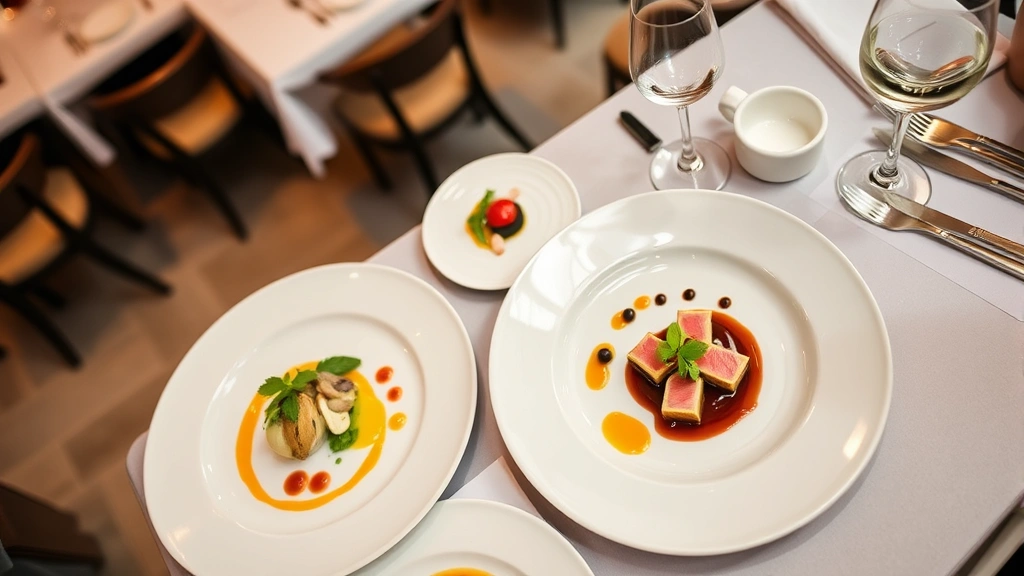
Second, sauce work and garnish complexity often diminish. Elaborate plating that might feature five components on a regular menu gets reduced to three. Micro-greens and edible flowers—labor-intensive elements—disappear. The dishes remain respectable, but they lack the theatrical precision that justifies premium pricing during normal service.
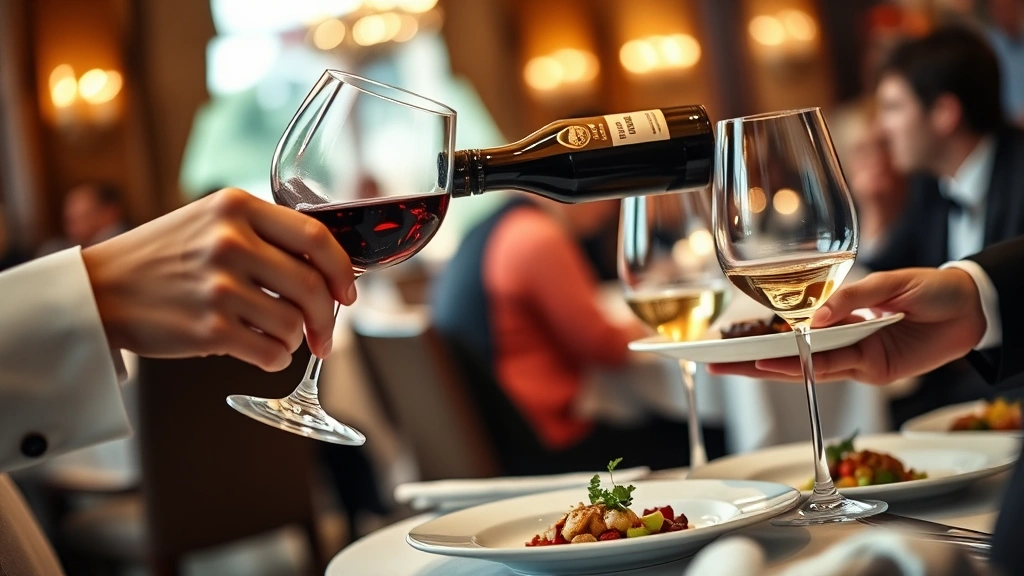
Third, and perhaps most significantly, wines by the glass during Restaurant Week menus tend toward value selections rather than the thoughtfully curated pairings available on regular wine lists. This matters because an exceptional wine selection can elevate a good meal into a memorable experience. During Restaurant Week, wine pairing becomes an afterthought rather than an integral component of the dining experience.
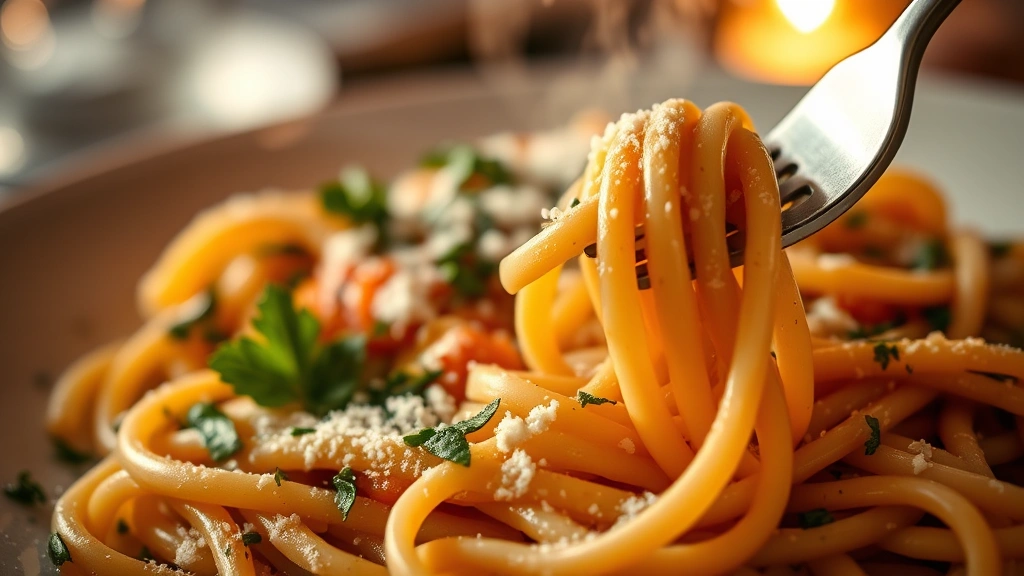
Consider the case of a well-known Italian restaurant that participated last season. Their regular menu features house-made pasta—a labor-intensive process requiring skilled pasta makers and premium durum flour. During Restaurant Week, they offered competent but uninspired dried pasta dishes. Was this a necessary concession to profitability? Likely. Was it disappointing? Absolutely. This illustrates the fundamental tension: restaurants must protect margins while maintaining minimum quality standards, and sometimes those objectives conflict.
That said, not all restaurants compromise equally. Some exceptional establishments view Restaurant Week as a genuine marketing investment, accepting thinner margins to build customer loyalty. These restaurants often produce their best work during the event, treating each plate with the same care they’d apply during regular service. Identifying these establishments requires research and local knowledge—or trial and error.
Value Assessment Across Price Tiers
The three price points ($39, $49, $65) create distinct value propositions worth evaluating separately. At $39, you’re essentially getting a subsidized meal at a restaurant that normally charges significantly more. The value here is straightforward: access. You’re unlikely to have a transcendent culinary experience, but you’ll likely eat well. Casual fine dining establishments and mid-range restaurants offer solid value at this tier.
The $49 price point represents the sweet spot for most diners. Here, restaurants have slightly more flexibility in ingredient selection and preparation complexity. You might encounter better proteins, more thoughtful seasoning, and more sophisticated sauce work. Many critically acclaimed restaurants participate at this level, making it the tier where genuine value emerges. If you’re selective about which restaurants you visit at this price point, you can have genuinely excellent meals.
At $65, you’re approaching the territory where regular à la carte pricing becomes competitive. If a restaurant’s regular tasting menu costs $85-95, the $65 Restaurant Week price offers legitimate savings. However, these are also the restaurants most likely to offer genuinely simplified versions of their menus. You’re trading familiarity with their signature dishes for a price reduction. The question becomes: would I prefer this discounted version of their menu, or their full regular menu at regular prices?
Value also depends on beverage inclusions. Some restaurants include wine pairings in their Restaurant Week price; others charge separately. A $49 menu with included wine pairings represents significantly better value than a $49 menu where wine pairings cost an additional $35. Always verify this detail before booking.
Geographic location within Chicago affects value calculations too. A $39 meal in River North or the West Loop represents stronger value than the same price in emerging neighborhoods where restaurants haven’t yet achieved premium pricing. Conversely, some established restaurants in less touristy neighborhoods offer exceptional value precisely because they’re not competing for the same clientele as Loop and Gold Coast establishments.
Best Experiences and Hidden Gems
Chicago Restaurant Week consistently produces exceptional experiences when you approach it strategically. The key is identifying restaurants that treat the event as an opportunity rather than an obligation. Several categories reliably deliver strong value:
Established Italian Restaurants: Chicago’s best Italian restaurants near me often excel during Restaurant Week because their menus naturally accommodate fixed pricing. A well-executed pasta course, risotto, or braised meat dish showcases culinary skill without requiring exotic ingredients. These restaurants have also typically mastered the logistics of high-volume service, ensuring consistent quality even during busy Restaurant Week periods.
Asian Cuisine Specialists: Restaurants offering easy Asian dinner recipes-style preparations often shine during Restaurant Week because their cooking methods emphasize technique over ingredient cost. A perfectly executed stir-fry, hand-pulled noodle dish, or dumpling preparation demonstrates culinary mastery while maintaining favorable margins. Japanese, Korean, and Chinese restaurants frequently participate and often provide exceptional value.
Seafood-Focused Establishments: Paradoxically, some of Chicago’s best seafood restaurants offer excellent Restaurant Week value. This works because seafood-focused restaurants maintain relationships with purveyors that allow them to access quality proteins at better prices than land-based restaurants. During Restaurant Week, they can offer quality fish and shellfish preparations that would seem underpriced if evaluated solely on ingredient cost.
Neighborhood Gems: The most memorable Restaurant Week experiences often come from lesser-known establishments in neighborhoods like Pilsen, Logan Square, and Bridgeport. These restaurants are often participating to build visibility and attract new customers, so they’re motivated to impress. You’ll frequently encounter more ambitious menus and more attentive service than at established River North hotspots.
Specific standout experiences from recent Restaurant Week seasons include restaurants that feature best homemade pasta recipes-caliber house-made pastas, establishments with dedicated pastry chefs creating memorable desserts, and restaurants that leverage seasonal ingredients thoughtfully despite the fixed menu constraint. The common thread: restaurants that refuse to compromise on execution even if they’re moderating ingredient complexity.
Navigating Reservation Madness
Chicago Restaurant Week generates reservation chaos unlike any other dining event. Popular restaurants receive thousands of requests, and reservations for desirable time slots and dates vanish within hours of becoming available. Strategic participation requires understanding the reservation landscape.
Reservations typically open three weeks before Restaurant Week begins. If you have specific restaurants in mind, mark your calendar and be ready to book exactly when reservations open—often at midnight or early morning. Popular establishments at the $49 and $65 price points fill Friday and Saturday dinner slots almost immediately.
Alternative strategies: book weeknight reservations (Tuesday-Thursday offer better availability and often feel less rushed), choose lunch slots instead of dinner (quality is often comparable while crowds are significantly smaller), or target the second and third weeks of Restaurant Week when initial demand subsides. You’ll sacrifice some convenience, but you’ll gain access to restaurants you couldn’t otherwise book.
Consider booking restaurants open late near me during unusual hours—late seating or early dining slots often have better availability than traditional 7 PM dinner times. Late seating (9 PM or later) particularly appeals to people with flexible schedules, and these slots frequently have better availability than peak hours.
One often-overlooked strategy: call restaurants directly rather than using OpenTable or Resy. Some restaurants reserve a small percentage of tables for phone reservations, and persistence sometimes yields results when online platforms show no availability. This approach also allows you to ask specific questions about the menu and communicate any dietary restrictions directly.
The Verdict: Strategic Participation
So, is Chicago Restaurant Week worth the hype? The honest answer: it depends on your approach. If you enter with realistic expectations and strategic selectivity, Restaurant Week offers genuine value and memorable meals. If you expect transcendent culinary experiences at discounted prices, you’ll likely feel disappointed.
The event is absolutely worth participating in if: you’re new to Chicago and want to efficiently sample the city’s restaurant landscape; you have specific restaurants you’ve wanted to try but found regular pricing prohibitive; you enjoy the social aspect of planning meals with friends around a dining event; or you’re willing to research and identify the restaurants treating Restaurant Week seriously rather than as a volume-maximizing opportunity.
Conversely, Chicago Restaurant Week becomes less appealing if: you’re a regular at fine dining establishments and expect Restaurant Week menus to match their regular offerings (they won’t); you have limited dining occasions and would prefer to spend them at restaurants serving their optimal menus; or you find the crowded, rushed atmosphere of high-volume Restaurant Week service antithetical to your dining preferences.
The most successful Chicago Restaurant Week participants treat it as a discovery tool rather than a money-saving mechanism. Yes, you’re saving money, but more importantly, you’re accessing restaurants and menus you might otherwise never experience. Approach it with curiosity rather than entitlement, and you’ll find Restaurant Week genuinely enhances Chicago’s food culture.
For your next Restaurant Week experience, focus on restaurants that excite you rather than those with the most prestigious reputations. Research their regular menus and approach. Read recent reviews. Ask friends about their experiences. Target neighborhoods and cuisines that align with your interests. Book strategically for time slots with better availability. And perhaps most importantly, adjust your expectations downward—you’re not paying full price, so don’t expect full-price experiences.
Chicago Restaurant Week represents a genuine opportunity to explore the city’s culinary landscape more broadly while enjoying financial savings. The hype is partially justified, but it’s amplified by marketing and social media narratives that oversimplify the reality. Your experience will depend entirely on how thoughtfully you approach your selections and reservations. Done well, Chicago Restaurant Week delivers exceptional value and memorable meals. Done carelessly, it delivers mediocre food in crowded restaurants where you feel rushed. The difference lies not in the event itself, but in your preparation and expectations.
Check the Time Out Chicago restaurant guide and Eater Chicago for updated restaurant lists and reviews before booking. These resources provide current context about participating establishments and recent dining experiences from food critics and community members.
FAQ
When does Chicago Restaurant Week occur?
Chicago hosts two Restaurant Week events annually: Winter Restaurant Week typically runs in February-March, and Fall Restaurant Week runs in September-October. Exact dates vary by year, so check the official Chicago tourism website for specific scheduling.
Can I make Restaurant Week reservations in advance?
Reservations typically open three weeks before the event begins. Popular restaurants fill up within hours, so it’s essential to book immediately when reservations become available. Setting phone reminders helps ensure you don’t miss the opening window.
Are drinks included in Restaurant Week prices?
No, beverages are almost never included in the prix-fixe price. Wine pairings are offered at an additional cost (typically $30-50), and alcoholic beverages must be purchased separately. Always verify this before booking to understand the true total cost.
What if I have dietary restrictions?
Most restaurants accommodate dietary restrictions during Restaurant Week, but you must inform them when booking. Call the restaurant directly to discuss specific needs—some accommodations require advance planning due to the fixed menu format.
Is the quality really worse during Restaurant Week?
It varies significantly by restaurant. Some restaurants maintain full quality standards; others offer simplified versions of their regular menus. Research specific restaurants and read recent reviews to understand what to expect. Neighborhood establishments and ethnic cuisine specialists often maintain higher quality than prestigious fine dining restaurants.
Should I tip on the pre-tax or post-tax amount?
Tip on the full value of the meal, not just the discounted Restaurant Week price. The restaurant is still providing full service; the discount represents their marketing investment, not a reduction in service quality or effort.
Can I request specific menu items?
No, Restaurant Week menus are fixed. You cannot substitute courses or request modifications beyond dietary restrictions. This limitation is why researching the menu in advance is crucial.
What’s the best strategy for getting reservations?
Book immediately when reservations open, target weeknight dining or lunch slots, choose later seating times, or call restaurants directly to ask about phone reservation availability. Being flexible with timing dramatically improves your chances of securing reservations at popular restaurants.


