Table of Contents
Introduction
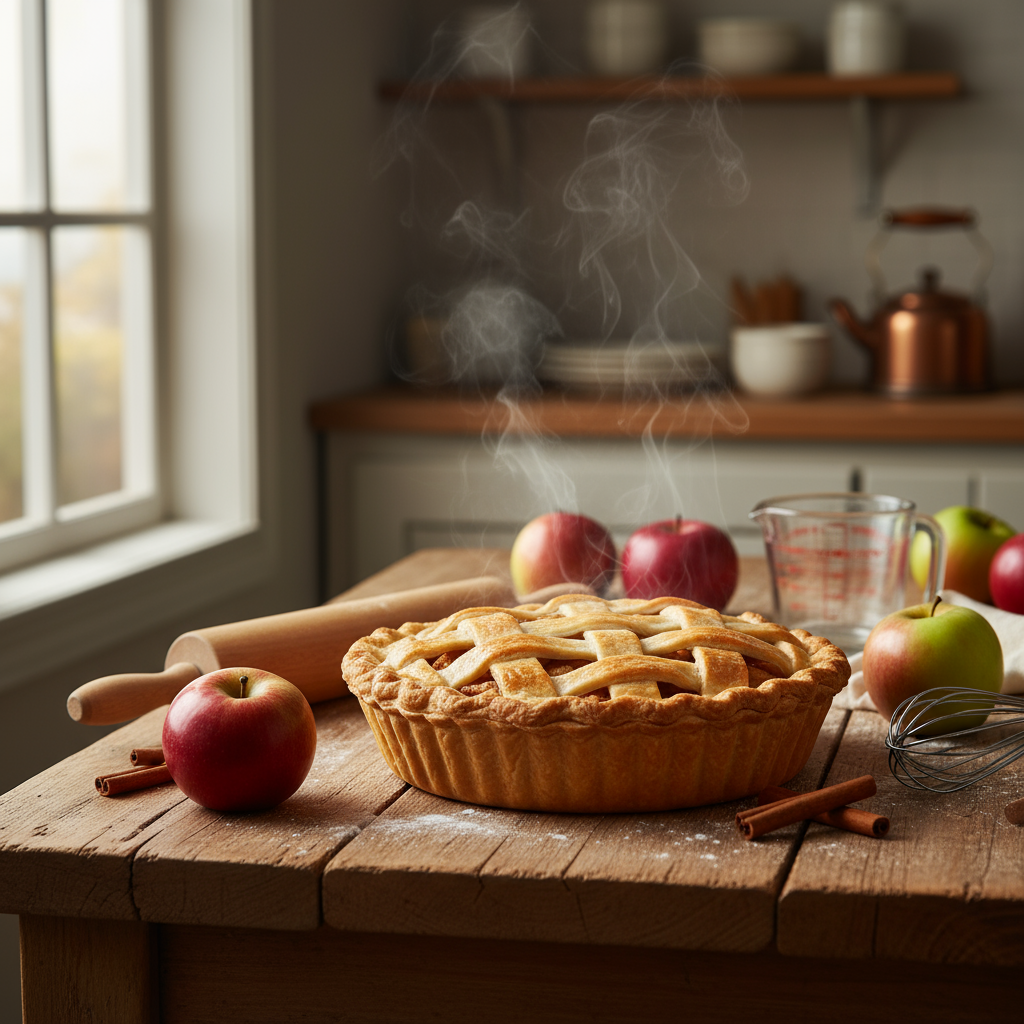
There’s something magical about apple pie. You know that moment when the smell of cinnamon and baked apples starts drifting from your oven? Pure heaven. The way that golden, flaky crust crackles under your fork as you cut that first slice—it’s like a warm hug from your kitchen. This isn’t just any dessert; it’s the dessert that brings everyone to the table, no matter what’s going on in their lives.
Here’s the thing about apple pie: it’s so much more than flour, butter, and fruit. It’s memories wrapped in pastry. It’s your grandmother’s secret technique passed down through stories. It’s the dessert that says “home” without having to say a word. But here’s what I’ve learned after years of baking—the difference between a good apple pie and an absolutely incredible one comes down to knowing your ingredients and nailing your technique. Trust me, once you understand how to pick the right apples and master that crust, you’ll never look back. And if you’re just starting your baking journey, checking out some baking recipes for beginners can really boost your confidence and make this whole process way more enjoyable.
Let’s talk apples for a second. Not all apples are created equal when it comes to pie—some turn to mush, others stay too firm, and some just don’t have the flavor punch you’re looking for. The secret? It’s all about finding that sweet spot between tart and sweet, with just the right amount of spice to tie everything together. (And while we’re on the topic of making things from scratch, you might want to explore how to make homemade sauces—they pair beautifully with desserts and can really elevate your baking game.) What I love most about apple pie is how it captures that classic American baking spirit. Every bite tells a story, connects you to tradition, and somehow makes any gathering feel more special.
Now, I know what you’re thinking—making pie crust from scratch sounds intimidating, right? I get it. But once you understand the basics of working with dough (similar principles apply whether you’re making homemade dough recipes or pie crust), it becomes second nature. This recipe breaks everything down step by step, so you can adjust things based on what you like and any dietary needs you might have. The beautiful thing about cooking—whether you’re making apple pie or trying your hand at easy stir fry recipes—is that fresh ingredients and simple techniques almost always lead to amazing results. The real joy comes from practicing these basics until they become your own.
What You’ll Learn in This Guide
This classic apple pie recipe is going to be your new go-to for creating a dessert that’ll have people asking for seconds (and thirds). Whether you’re a complete beginner or someone who wants to up their pie game, I’ve got you covered.
- Perfect Ingredients Selection: We’ll figure out which apples bring the best flavors and textures to your pie, plus I’ll share the key spices and baking essentials that make all the difference in both your filling and crust.
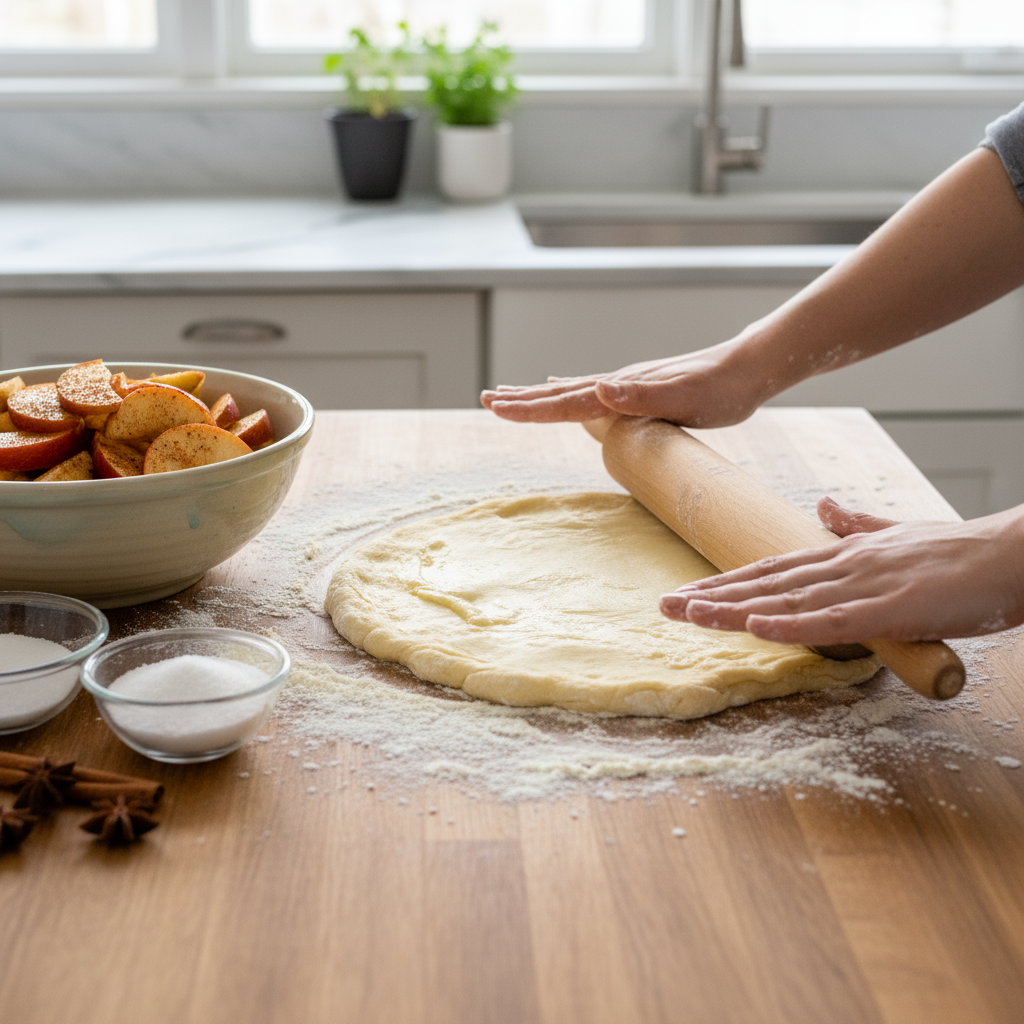
- Step-by-Step Crust Preparation: You’ll learn how to make a flaky, buttery pie crust from scratch—with all my tips on handling dough, rolling it out, and getting it to fit your pie dish perfectly.
- Balanced Filling Creation: I’ll show you how to combine apples, sugar, and spices for a filling that hits that perfect sweet-tart balance while getting the consistency just right.
- Baking and Serving Tips: We’ll cover oven settings, timing, cooling instructions, and serving suggestions that’ll make your pie look and taste absolutely incredible.
As we go through this together, you might also want to bookmark some no bake dessert recipes for those times when you want something sweet but don’t feel like turning on the oven. And if you’re someone who likes to balance indulgence with healthier choices, these low carb dinner recipes might give you some great ideas for lighter meals to enjoy before diving into dessert.
In the next sections, we’re going to walk through everything together—ingredient prep, dough-making secrets, filling techniques, and all the baking tricks that transform ordinary apples into a pie that’ll make people’s eyes light up. From choosing apple varieties that won’t let you down to making sure your crust bakes to that perfect golden brown, this guide is designed to give you both the knowledge and confidence you need.
Whether you’re baking for Thanksgiving, a birthday, or just because it’s Tuesday and you deserve something wonderful, this apple pie recipe is about to become part of your family’s story. So grab your apron, preheat that oven, and let’s dive into the absolutely delicious world of homemade apple pie baking!
There’s something magical about classic apple pie that goes way beyond just taste. It’s comfort food at its finest—the kind of dessert that fills your kitchen with amazing aromas and brings everyone to the table. But here’s the thing: making a truly outstanding apple pie isn’t just about following a recipe. You need to understand what makes each element work together perfectly. We’re going to focus on two game-changing aspects: picking the right ingredients that’ll blow your mind, and nailing the baking process so you get that golden, flaky crust with a filling that’s absolutely perfect. Whether you’re just starting out or you’ve been baking for years, these insights will help you create pies that’ll have people asking for your secret.
Choosing the Perfect Ingredients for Classic Apple Pie
Let’s be honest—your ingredients make or break your pie. And when it comes to apples? Not every variety is going to give you what you want. Some turn to mush, others stay rock-hard, and then there are those perfect ones that soften just right while keeping their shape. You want that sweet-tart balance that makes your taste buds happy. But apples are just the beginning. The spices, sugar, and butter you choose? They’re what turn good pie into unforgettable pie. Each one plays a specific role in creating those warm, cozy flavors that make apple pie so special.
Here’s where things get interesting. If you’re looking to build your baking confidence, check out these baking recipes for beginners that really emphasize how ingredient choices matter. Take cinnamon and nutmeg, for example—when you get the balance right between these two, your pie suddenly has this incredible depth of flavor. And don’t even get me started on sugar measurements. Too little and your Granny Smiths will pucker your mouth; too much and you’ve masked all that beautiful apple flavor. Your crust ingredients matter just as much. Quality butter and flour? That’s what gives you those flaky, buttery layers that practically melt in your mouth. Want to expand your flavor knowledge? These healthy salad dressing recipes actually teach great lessons about balancing sweet and savory—skills that transfer beautifully to pie making. Once you understand how ingredients work together, you can experiment while still creating that classic apple pie everyone loves.
Key Aspects of Selecting Ingredients
Getting your ingredients right is half the battle won. Here’s what you need to focus on:
- Apple Variety Selection: Go for firm, tart apples like Granny Smith, or try something with more balance like Honeycrisp. They’ll soften beautifully without turning to mush. Pro tip: mixing different apple types creates layers of flavor and texture that’ll surprise you.
- Spice Blending: Stick with the classics—cinnamon, nutmeg, and a touch of allspice. But don’t just dump them in. Think about how they work together to create that warm, comforting aroma that screams “home baking.”
- Sweeteners and Acidity: Whether you use regular sugar or brown sugar, taste as you go. A squeeze of lemon juice does wonders—it brightens everything up and keeps those apple slices looking fresh instead of brown.
- Crust Ingredients: This is where quality really shows. Good butter and flour make all the difference. Keep everything cold, and don’t overwork your dough. Trust me, your patience will pay off with that perfect, flaky crust.
When you nail these ingredient basics, you’re setting yourself up for pie success. Every bite will have that perfect balance—crisp apple pieces nestled in a buttery, flaky crust that practically melts away. This foundation is what makes the difference between okay pie and the kind people remember years later.
Mastering the Baking Process: From Preparation to Perfect Pie
Now comes the moment of truth—turning all those beautiful ingredients into an actual pie. This is where timing becomes everything. Get your temperature and timing right, and you’ll have a gorgeous golden crust with filling that’s thick and luscious (not soupy). There’s a reason bakers talk about things like pre-baking crusts and creating steam vents. It’s not just fancy technique—it’s what prevents that dreaded soggy bottom and keeps your pie looking as good as it tastes. Temperature control is your best friend here, and knowing when to peek (and when to leave that oven door closed) makes all the difference.
Want to really up your baking game? These easy homemade bread recipes teach the same principles about temperature and timing that apply perfectly to pie baking. And here’s something interesting—learning how to preserve herbs actually gives you great insights into ingredient preparation and timing that you can use creatively in your pie fillings. The more you understand these fundamentals, the more confident you’ll become with every pie you make.
Key Aspects of Baking and Cooling
Every step in the baking process matters. Pay attention to these crucial details:
- Oven Temperature and Baking Time: Aim for somewhere between 375°F and 425°F—not too hot, not too cool. Rushing the process never works. Slow, steady baking develops those deep flavors and gives you that beautiful golden color.
- Crust Preparation: Keep that dough cold before it goes in the oven. Consider blind baking if you want an extra-crisp bottom. And don’t forget that egg wash or sugar sprinkle on top—it’s what gives you that gorgeous, glossy finish.
- Steam Venting and Filling Consistency: Those slits in your top crust aren’t just for looks—they let steam escape so your crust stays crisp. Add a little flour or cornstarch to your filling to help it hold together when you slice.
- Cooling and Serving: Here’s the hardest part—waiting. Let your pie cool for at least 2-3 hours. I know it smells incredible, but patience pays off. The filling needs time to set, and all those flavors need to come together. Serve it at room temperature or just slightly warm for the best experience.

Making a classic apple pie? It’s one of those recipes that never goes out of style—and for good reason. The secret starts with your apple choice. Granny Smith and Honeycrisp are my go-to varieties because they hold their shape beautifully and give you that perfect sweet-tart balance. Nobody wants mushy apple pie filling, right? Then there’s the spice game: cinnamon and nutmeg work their magic without taking over the show. Just enough warmth to make your kitchen smell like heaven.
But here’s where things get real—the crust. A flaky, buttery crust can make or break your pie (literally and figuratively). Keep everything cold, handle that dough gently, and don’t overwork it. Trust me on this. When you nail the rolling and fitting technique, you’re setting yourself up for that gorgeous golden crust that makes people’s eyes light up. The baking part? It’s all about timing and temperature. Get those right, and you’ll have a filling that’s perfectly thickened without any soggy surprises.
Once your pie is out of the oven, the fun really begins. Vanilla ice cream alongside warm pie? Pure bliss. Want to keep it fresh for days? I’ve got storage tricks that actually work. And please—let that pie cool properly. I know it’s torture to wait, but those flavors need time to come together, and the filling needs to set so you get clean, beautiful slices instead of a delicious mess. Whether you’re new to baking or you’ve been at this for years, apple pie is forgiving enough to experiment with while still delivering that cozy, homemade magic we all crave.
Ready to take your baking skills up a notch? Our baking recipes for beginners guide will give you the foundation you need to tackle any recipe with confidence. Want to get fancy with your desserts? Check out how to make homemade sauces that’ll take your pies to the next level. And if you’re planning the perfect meal around your pie, our collection of low carb dinner recipes creates the ideal balance for a complete dining experience. Because let’s face it—great food is about the whole meal, not just the grand finale.
Look, baking apple pie isn’t just about following a recipe. It’s about creating those moments that stick with people—the smell that welcomes them home, the first bite that makes them close their eyes and smile. Every pie you make teaches you something new, and before you know it, you’ll be the person everyone asks to bring dessert. So grab those apples, roll up your sleeves, and get ready to make some magic happen in your kitchen. Your first slice awaits.
Frequently Asked Questions
-
What type of apples are best for apple pie?
- Firm and tart apples like Granny Smith are ideal as they soften nicely without turning to mush, providing the perfect balance of texture and flavor.
-
Can I make the pie crust ahead of time?
- Yes, pie crust dough can be prepared ahead and refrigerated or frozen, allowing you to save time on baking day without compromising texture.
-
How do I prevent a soggy bottom crust?
- To prevent sogginess, consider techniques such as precooking the filling slightly, blind baking the crust, or using a hot baking surface to ensure a crisp bottom.
-
How long does apple pie last refrigerated?
- Typically, apple pie lasts about 3-4 days when refrigerated. Proper storage in an airtight container helps maintain freshness and flavor.