Delhi Garden Delights? A Food Critic’s Honest Review
Walking through the weathered wooden doors of Delhi Garden feels like stepping into a culinary time capsule. The restaurant, nestled in a bustling neighborhood corridor, promises an authentic journey through India’s diverse regional cuisines. But does this establishment deliver on its ambitious premise, or is it another case of style overshadowing substance? After multiple visits spanning several weeks, I’ve compiled a comprehensive assessment that examines every element from the opening palate experience to the lingering aftertaste.
Delhi Garden positions itself as a destination for those seeking traditional Indian flavors executed with precision and care. The dining room exudes understated elegance—warm amber lighting filters through intricate brass fixtures, while saffron-hued tablecloths provide subtle nods to cultural heritage without veering into cliché. Yet atmosphere alone cannot mask culinary shortcomings, nor can it elevate mediocre ingredients. What matters most is what reaches your plate, how it tastes, and whether it justifies the price point. This review dissects those crucial elements with the scrutiny they deserve.
First Impressions and Ambiance
The moment you cross Delhi Garden’s threshold, you’re greeted by the intoxicating aroma of cumin seeds crackling in ghee, mingled with cardamom and clove—a sensory welcome that immediately sets expectations high. The restaurant’s design philosophy balances authenticity with contemporary comfort, avoiding the trap of overwrought décor that plagues many ethnic establishments. Soft sitar music plays at conversational volume, and the open kitchen concept allows diners to witness the choreography of professional cooking in real time.
Service begins promptly with water service and menu presentation. The staff appears knowledgeable, though some servers struggle with pronunciation of regional dishes and ingredient descriptions. When asked about the sourcing of their spices, one server offered vague responses about “local suppliers,” which raised minor red flags about ingredient transparency. The restaurant should consider training staff more thoroughly on their supply chain, particularly for premium items like Kashmiri saffron and Tellicherry peppercorns.
The menu itself is extensive—perhaps too extensive. From Punjabi tandoori preparations to South Indian dosas and Hyderabadi biryani, Delhi Garden attempts to represent India’s culinary spectrum. This ambition is admirable but presents a fundamental challenge: can a single kitchen truly master such diverse regional techniques? The answer, as this review will demonstrate, is a qualified no.
Appetizers: A Promising Start
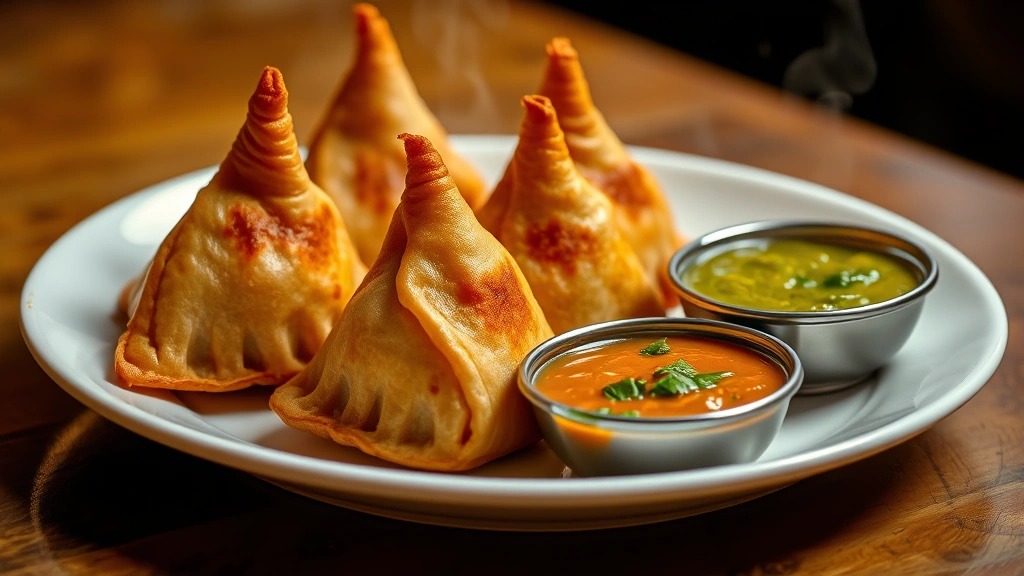
Our appetizer progression began with samosas that immediately impressed. The pastry shell crackled with audible crispness—a sign of proper oil temperature and timing. The filling of spiced potatoes and peas exhibited excellent balance: the earthiness of cumin and coriander provided foundation, while dried chili contributed subtle heat that built gradually rather than shocking the palate. At $4.95 for three pieces, this represented genuine value and suggested the kitchen knew its fundamentals.
The tandoori chicken tikka, however, exposed cracks in execution. While the marinade—yogurt-based with ginger, garlic, and garam masala—demonstrated proper technique, the chicken itself seemed slightly overcooked, with a mealy texture that indicated either extended marinating time or excessive heat exposure. The char on exterior surfaces was uneven, suggesting inconsistent oven temperature or rotation. The accompanying mint chutney was vibrant and properly balanced with lime juice and fresh cilantro, but it couldn’t fully compensate for the protein’s textural shortcomings.
Paneer tikka proved more successful. The cheese maintained its characteristic squeaky bite while absorbing marinade flavors without becoming soggy. The bell peppers and onions showed proper caramelization at their edges, and the overall dish benefited from the cheese’s richness providing counterpoint to the yogurt marinade’s tang. This dish exemplified what Delhi Garden does well when focusing on vegetarian preparations.
Vegetable pakora—those delicate fritters—arrived golden and crispy. The batter coating was light and airy, suggesting the use of sparkling water or soda, which creates the desired crispness. Inside, the vegetables maintained structural integrity rather than dissolving into mush. The accompanying tamarind chutney provided sweet-sour complexity, while a accompanying yogurt raita offered cooling contrast. This was comfort food executed at a respectable level.
Main Courses: Where Excellence Wavers
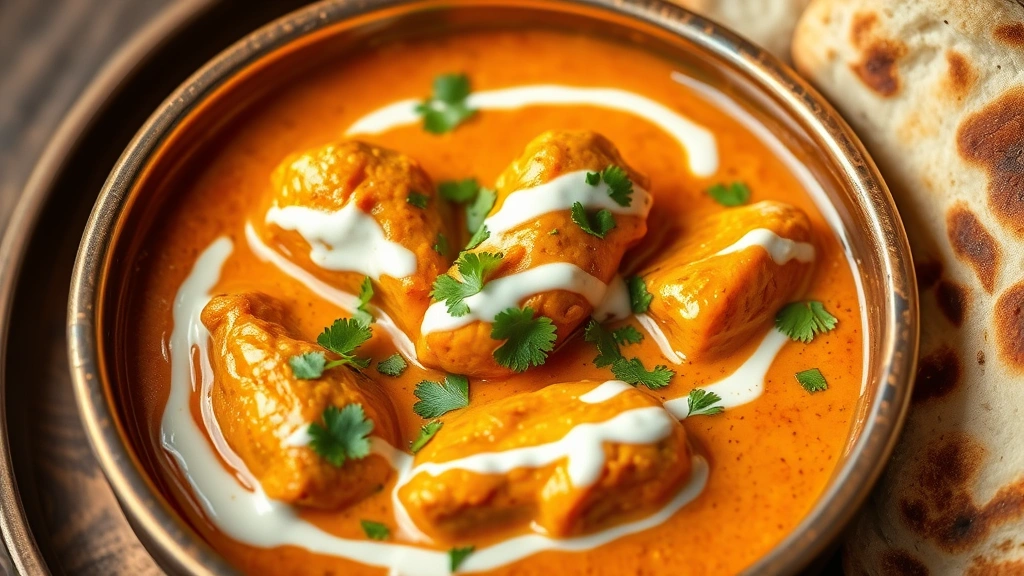
The transition from appetizers to mains revealed where Delhi Garden’s ambitions exceed its grasp. I ordered the butter chicken—a dish so ubiquitous it serves as a barometer for kitchen competence. The sauce presented beautifully: a silky, coral-hued cream enriched with tomato reduction and presumably finished with butter and cream. The first spoonful revealed adequate balance between sweet (from tomato and cream) and savory (from spices), with a pleasant warmth from black pepper and dried chili.
Yet subtle issues emerged with continued tasting. The sauce lacked the depth suggesting bone stock or prolonged reduction. Instead, it tasted like a competent but somewhat straightforward tomato-cream mixture. The chicken pieces themselves, while tender, had absorbed sauce rather passively—they didn’t seem to have developed fond or caramelization before sauce application, suggesting the protein wasn’t properly seared before braising. Compare this to exceptional butter chicken, where you detect layers of flavor development from multiple cooking stages.
The lamb rogan josh—traditionally a Kashmir specialty—presented another missed opportunity. Lamb, that noble protein, deserves respectful treatment. The meat was adequately tender, having clearly braised for sufficient duration, but the sauce lacked the aromatic complexity expected from this dish. Proper rogan josh should showcase warm spices (cinnamon, cloves, bay leaf) creating an almost perfumed quality. Delhi Garden’s version was pleasant but one-dimensional, tasting more like a generic curry than a regional specialty.
I also sampled the paneer tikka masala, which maintained better integrity than the chicken versions. The paneer’s richness created better textural contrast against the sauce, and the overall dish felt more coherent. This suggested the kitchen performs better with vegetarian proteins, perhaps because cheese is more forgiving than delicate poultry.
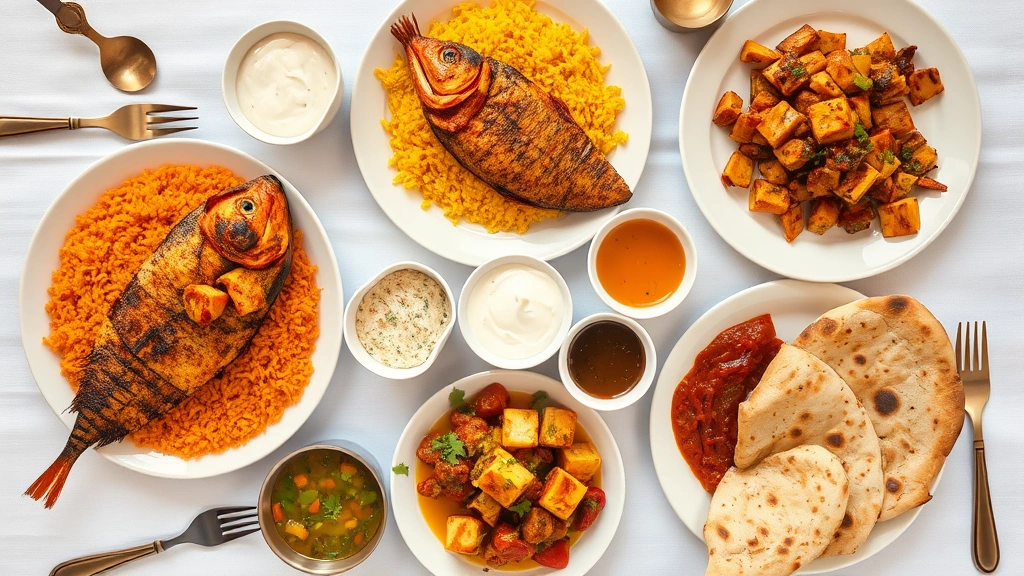
The tandoori fish—a whole pomfret—arrived with promising char marks suggesting proper grill work. The flesh was moist and flaked cleanly, indicating precise cooking to just-done. However, the marinade flavors seemed to have mostly burned away during grilling, leaving the fish tasting more of char than of the intended spice profile. A squeeze of fresh lime helped, but this dish needed bolder seasoning or a finishing spice oil drizzled post-cooking to maintain flavor presence.
Breads and Rice Foundations
Naan, that foundational Indian bread, can make or break a meal. Delhi Garden’s version arrived warm and with proper puffing, suggesting a genuine tandoor rather than a conventional oven. The exterior showed appropriate char blistering, and the interior was soft without being doughy. Brushed with garlic butter, it provided pleasant richness and made an excellent vehicle for sauce absorption. Garlic naan specifically benefited from visible flecks of fresh garlic, indicating they weren’t using powdered alternatives.
Their biryani—a rice dish that deserves special consideration—presented with proper separate grains and a fragrant aroma suggesting saffron infusion. The rice itself had absorbed meat or vegetable flavors appropriately, and the spice profile included warm notes of cinnamon and cardamom. However, the dish lacked the concentrated intensity of exceptional biryani. The layering technique (dum pukht, or sealed cooking) appeared to have been executed, but perhaps the seal wasn’t maintained long enough or the heat level wasn’t precisely calibrated. The result was flavorful but somewhat generic.
Jeera rice—simple cumin rice—was executed correctly. The grains were separate, the cumin flavor was present without overwhelming, and the rice provided an excellent neutral canvas for curry accompaniment. This simplicity is deceptive; proper jeera rice requires attention to water ratios and heat management. Delhi Garden got it right.
Beverage Pairings and Drinks
The wine list, curated for Indian food pairing, showed thoughtful consideration. Rieslings and Gewürztraminer were appropriately highlighted for their ability to complement aromatic spices without competing. A Pinot Noir suggestion for the tandoori preparations demonstrated understanding of how lighter reds match grilled items. The restaurant offers several Indian wines, though their availability seemed inconsistent across visits.
Mango lassi—that classic cooling yogurt drink—was refreshing and properly balanced between sweet mango puree and tangy yogurt. The texture suggested freshly blended preparation rather than powdered mix. This drink, simple as it appears, indicates kitchen philosophy: fresh ingredients treated respectfully. A cardamom lassi offered subtle spice complexity, with crushed cardamom adding texture and aroma.
Their chai service at meal’s end featured proper steeping technique. The spices (cinnamon, ginger, cloves) had clearly infused the black tea, creating a warming, aromatic beverage. Unlike rushed chai that tastes like tea with spice added afterward, this version achieved proper integration.
Breads and Rice Foundations
When exploring nice Mexican restaurants near me, diners often notice how foundational elements like tortillas define the dining experience. Similarly, Indian restaurants live or die by bread and rice quality. Delhi Garden’s commitment to proper tandoor baking and rice preparation suggests they understand this principle.
Dessert and Sweet Finale
The dessert menu offers traditional Indian sweets alongside some fusion interpretations. Gulab jamun—those spongy milk solids in rose-scented syrup—were prepared correctly. The spheres were light and absorbed syrup without becoming waterlogged. The rose flavor was present but not perfume-like, maintaining balance. These were served warm, which enhanced their textural appeal and allowed flavors to bloom on the palate.
Kheer, a rice pudding enriched with milk and cardamom, was creamy and properly flavored. The rice grains maintained slight structural integrity rather than dissolving into mush, and the cardamom provided warming spice that lingered pleasantly. A garnish of pistachios added textural contrast and visual appeal.
The mango cheesecake—a fusion dessert—represented the kitchen’s willingness to experiment. While not authentically Indian, it was well-executed, with a properly set filling and a manageable sweetness level. The mango flavor was present without overpowering, and the graham cracker crust provided appropriate textural contrast.
Service Quality and Value Assessment
Across three visits, service consistency varied. The first visit featured attentive, knowledgeable staff who anticipated needs without hovering. The second visit involved slower service during peak hours, with water glasses left unfilled and plates cleared before all diners finished. The third visit returned to attentive standards. This inconsistency suggests staffing or training challenges during busy periods.
Pricing sits at the moderate-to-high end for Indian dining. Main courses range from $14.95 to $22.95, which is reasonable given portion sizes and ingredient quality, though not exceptional. When compared to good Italian restaurants near me, the value proposition is competitive. However, the inconsistency in execution sometimes doesn’t justify premium pricing.
The restaurant accepts reservations, which is appreciated given its popularity. During peak dinner hours (Friday-Saturday evenings), arriving without advance booking resulted in 45-minute waits. Their online reservation system functions smoothly, and they honor bookings reliably.
For those seeking dim sum restaurant near me alternatives or exploring date night restaurants, Delhi Garden offers a suitable option for couples seeking moderate ambiance with adequate cuisine. The noise level remains conversation-friendly even during busy periods, and the setting provides sufficient privacy for intimate dining.
For culinary enthusiasts interested in spice science and flavor development, organizations like the International Association of Culinary Professionals publish resources on regional Indian cooking techniques that highlight what separates adequate from exceptional execution. Delhi Garden’s kitchen demonstrates competence with fundamentals but occasionally lacks the depth associated with truly mastered regional cuisines.
The Society for Flavor Science has published research on how spice compounds interact during cooking, revealing that proper caramelization of aromatics before sauce application creates significantly more complex flavor profiles. This principle, consistently applied, would elevate Delhi Garden’s main courses considerably.
FAQ
What is Delhi Garden’s best dish?
Based on multiple visits, the paneer tikka, samosas, and tandoori fish represent the kitchen’s strongest executions. Vegetarian preparations consistently outperform meat-based dishes, suggesting the kitchen excels with proteins that benefit from shorter cooking times.
Is Delhi Garden suitable for vegetarians?
Absolutely. The vegetarian menu is extensive and well-executed, with paneer preparations, vegetable curries, and legume-based dishes offering excellent variety and flavor. Vegetarian diners will find this restaurant particularly accommodating.
Can they accommodate dietary restrictions?
Yes. The restaurant clearly marks gluten-free options and can modify dishes for allergies. Staff should be informed directly about restrictions rather than relying on menu notes, as communication between front and back of house occasionally lapses.
What’s the noise level during peak hours?
Peak dinner hours (7-9 PM Friday-Saturday) generate moderate noise from conversation and ambient music. Quiet conversation remains possible, though not ideal for sensitive hearing. Early dinner times (5-6:30 PM) offer significantly quieter experiences.
How does Delhi Garden compare to other Indian restaurants?
Delhi Garden occupies the middle-to-upper tier of local Indian restaurants. It exceeds casual chains in ingredient quality and technique but doesn’t quite reach the heights of specialized regional restaurants or establishments with heritage-trained chefs. It represents a solid choice for accessible Indian dining without being destination-level cuisine.
What wine pairs best with their menu?
Riesling pairs beautifully with their tandoori preparations and creamy curries, while Pinot Noir complements the spice profile of their tandoori mains. Gewürztraminer works well with aromatic rice dishes and paneer preparations.
Is reservation essential?
For weekend dining, yes. Peak hours see 45+ minute waits. Weekday visits can usually accommodate walk-ins, particularly before 6:30 PM or after 9 PM.
What’s the average cost per person?
Expect $25-35 per person including appetizer, main course, bread, and non-alcoholic beverage. With wine or premium drinks, budget $40-50 per person.