Dong Que Delights? Local Foodie’s Review
Nestled in the heart of the city’s vibrant dining scene, Dong Que restaurant has been generating considerable buzz among the local foodie community. After multiple visits spanning different times of day and seasons, I’ve developed a nuanced perspective on this establishment that goes beyond the initial hype. The restaurant presents an intriguing culinary narrative—one that balances traditional Vietnamese authenticity with contemporary interpretations, creating an experience that warrants serious consideration for anyone seeking genuine flavor exploration.
What struck me most profoundly during my initial visit was the sensory architecture of the space itself. The aroma that greets you upon entry is a complex interplay of star anise, lemongrass, and charred aromatics that immediately signals this isn’t your typical strip-mall pho establishment. The kitchen’s commitment to building foundational flavors from scratch—evident in the depth of their broths and the careful layering of spice profiles—suggests a team deeply invested in culinary excellence rather than mere convenience.
Throughout this comprehensive review, I’ll dissect every element of what makes Dong Que distinctive, from their signature dishes to the philosophical approach underlying their menu construction. Whether you’re a seasoned restaurant critic or simply someone who appreciates exceptional food, this analysis aims to provide the sensory details and contextual understanding necessary to determine if Dong Que deserves a place in your regular rotation.
The Foundation: Signature Broths and Stocks
In Vietnamese cuisine, the broth is not merely a supporting player—it’s the entire performance. Dong Que understands this fundamental truth with remarkable clarity. Their signature beef bone broth, which serves as the foundation for their pho, represents approximately 18 hours of careful simmering. This isn’t hyperbole; the kitchen staff confirmed this during a conversation about their preparation methodology. The resulting liquid is amber-hued with an almost gelatinous quality that coats the palate with savory richness.
What distinguishes their broth from countless competitors is the absence of shortcuts. There’s no MSG masking inferior technique, no artificial depth created through questionable additives. Instead, the complexity emerges from the marriage of beef bones, charred onion and ginger, star anise, cinnamon, and coriander seeds—each element contributing distinct aromatic notes that build upon one another. The first sip reveals a deep umami foundation, followed by subtle sweetness from the bone marrow, then a whisper of warming spice that lingers pleasantly on the finish.
Their chicken broth, equally impressive, demonstrates a different philosophy. Lighter in body but equally concentrated in flavor, it achieves its depth through a combination of whole chicken, chicken feet (for natural gelatin and collagen), and aromatics simmered at a gentle temperature that prevents cloudiness. This broth carries herbaceous undertones—a testament to the inclusion of fresh cilantro stems, scallion whites, and what I suspect is a touch of fish sauce added at precise moments during cooking.
The seafood broth warrants special mention. Rather than relying on shellfish alone, they’ve constructed a nuanced base combining dried squid, shrimp, and subtle whitefish stock. The result tastes of ocean without becoming fishy—a delicate balance that many establishments fail to achieve. Each spoonful reveals different dimensions: initial brininess gives way to delicate sweetness, then finishes with gentle umami that doesn’t overpower the palate.
Exploring Complex Flavor Profiles
Vietnamese cuisine operates within a framework of five fundamental flavor categories: salty, sweet, sour, spicy, and bitter. Dong Que’s menu demonstrates sophisticated understanding of how these elements interact and complement one another. Rather than allowing any single flavor to dominate, the kitchen orchestrates them with compositional precision.
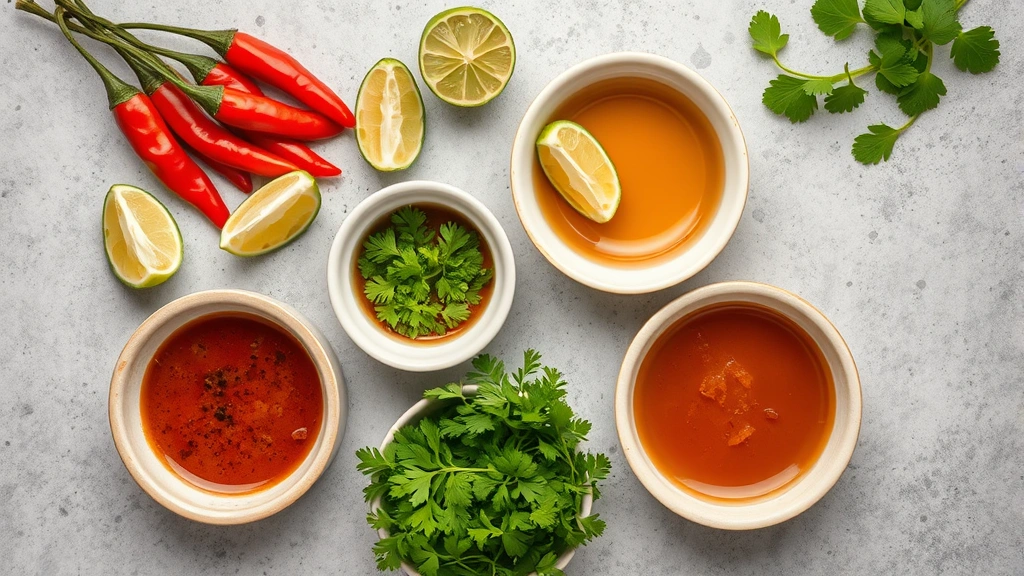
Their approach to heat management particularly impressed me. Rather than crude spiciness that overwhelms the palate, they employ chili strategically—sometimes as a background whisper, other times as a more pronounced voice that gradually builds intensity. The fresh Thai bird chilies they use contain botanical complexity beyond mere capsaicin heat; there’s a fruity, almost floral quality that emerges once your palate adjusts to the initial burn.
The acidic component, primarily delivered through fresh lime juice and vinegar-based condiments, serves a crucial function: it brightens heavy broths, cuts through richness, and enhances the perception of other flavors. The kitchen demonstrates restraint here, understanding that excessive acidity can obliterate delicate flavors. Instead, they calibrate lime juice with precision, often allowing diners to adjust acidity to personal preference through the accompanying condiment station.
Sweetness, often overlooked in discussions of Vietnamese cuisine, appears throughout their menu—not as cloying dessert-like notes, but as subtle counterbalance. Rock sugar in broths, the natural sweetness of caramelized shallots, the gentle sweetness of properly cooked rice noodles—all contribute to a flavor architecture that feels complete and balanced rather than one-dimensional.
The bitter component, least obvious to untrained palates, emerges primarily through charred aromatics and certain herbs. The charred ginger and onion used in their broths develop bitter compounds that add depth and sophistication. Fresh herbs like mint and certain varieties of basil contribute subtle bitter notes that enhance overall complexity.
Standout Dishes That Demand Attention
Among their extensive menu, several dishes have earned repeated visits from my palate. The Pho Tai Rare Beef represents their flagship offering, and rightfully so. The broth quality we discussed earlier shines here, accompanied by hand-sliced beef that achieves the ideal balance between tenderness and textural integrity. The thinness allows the broth’s heat to barely cook the meat, leaving it with a delicate, almost buttery texture. The accompanying rice noodles possess that elusive quality—tender yet with subtle resistance, never mushy or oversaturated.
Their Bun Cha demonstrates a different culinary philosophy entirely. Charred pork patties arrive with a substantial crust that crackles between teeth, giving way to incredibly moist interior. The accompanying dipping sauce—a balance of fish sauce, lime, sugar, and heat—serves as the essential component that elevates everything it touches. Dip the pork, then the noodles, then the vegetables; each interaction creates slightly different flavor combinations. This dish exemplifies how Vietnamese cuisine values the diner’s active participation in flavor construction.
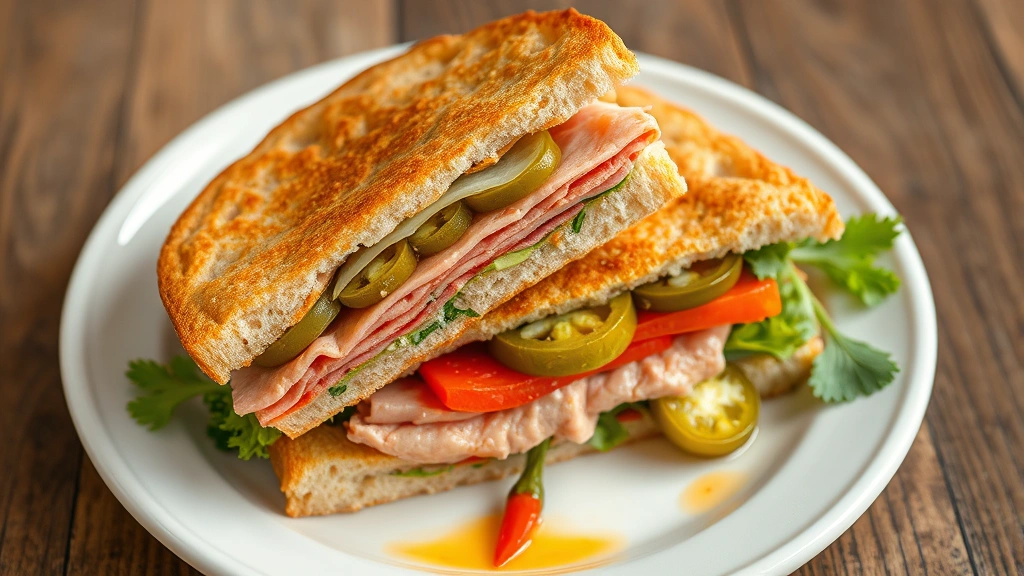
The Banh Mi Sandwich showcases their commitment to technique across different formats. The bread arrives with an audible crackle to its crust, the interior impossibly light and airy. The pâté—made in-house, I’m assured—carries subtle complexity that suggests quality liver and careful seasoning. Vietnamese cold cuts provide savory depth, while pickled daikon and carrot contribute brightness. The inclusion of cilantro, jalapeño, and mayo creates a condiment profile that’s simultaneously familiar and distinctly Vietnamese.
What merits particular attention is their Crab and Asparagus Soup, a seasonal offering that demonstrates their willingness to experiment within traditional parameters. Fresh lump crab meat adds sweetness and delicate texture, while asparagus provides earthiness and subtle bitterness. The broth—a refined seafood version—ties everything together, allowing individual components to shine while contributing to a unified whole. This dish alone justifies a visit during spring months.
Their Fresh Spring Rolls
A conversation with the restaurant’s ownership revealed their thoughtful approach to ingredient procurement. Rather than maintaining static menus year-round, they adjust offerings based on ingredient availability and quality. This commitment to seasonality reflects a philosophy prioritizing flavor over convenience. Their fresh herb program deserves specific mention. Thai basil, Vietnamese cilantro (with its distinctive sawtooth leaves), mint, and other aromatics arrive daily from suppliers they’ve cultivated relationships with over years. The herbs taste vibrant and alive—not the wilted, oxidized specimens found at careless establishments. This freshness proves essential because these herbs aren’t garnish; they’re fundamental flavor components that diners actively incorporate into their dishes. The produce selection, particularly their chili peppers and aromatics, reflects quality consciousness. Rather than purchasing pre-processed ginger and garlic, they receive whole roots and cloves, processing them in-house as needed. This approach ensures maximum volatile oil retention and flavor intensity. The onions used for charring in their broths are selected specifically for their natural sugar content, ensuring proper caramelization and depth development. Protein sourcing demonstrates equal consideration. Their beef arrives from suppliers known for proper aging and cut selection. The pork used in their various preparations comes from farms maintaining high animal welfare standards—a detail that affects not just ethical considerations but actual flavor quality. Better-raised animals produce better-tasting meat; this isn’t romantic notionalism but biological fact. Beyond the food itself, Dong Que orchestrates a dining experience that respects diners’ time and preferences. The service staff demonstrates genuine knowledge about menu items, preparation methods, and flavor profiles. Rather than robotically reciting descriptions, they engage in actual conversations about preferences and dietary considerations. The restaurant’s physical space, while modest, has been thoughtfully designed. The open kitchen allows diners to observe the organized chaos of preparation—watching noodles being hand-pulled, broths being carefully strained, proteins being precisely portioned. This transparency builds confidence in quality and creates a sensory experience that extends beyond taste alone. The condiment station deserves mention as a crucial element of their service philosophy. Fresh chilies, lime wedges, fish sauce, vinegar, and various herbs and vegetables are presented beautifully and abundantly. Rather than forcing a single interpretation of their dishes, Dong Que empowers diners to customize their experience. This approach reflects confidence in their foundational preparations; they know the base product is excellent enough to accommodate personal preference adjustments. Beverage offerings, while not extensive, demonstrate curation rather than mere volume. Their selection of Vietnamese coffee preparations ranges from traditional egg coffee to contemporary variations. The housemade limeade and fresh herb-infused waters provide excellent non-alcoholic options that complement the cuisine without competing for palate attention. To provide context, I’ve visited numerous Vietnamese establishments, including some with considerable acclaim. Compared to Blackbird Restaurant, which emphasizes contemporary interpretations of traditional cuisine, Dong Que maintains greater fidelity to classical approaches while still allowing room for innovation. This distinction matters; some diners prefer adventurous reinterpretation, while others seek authentic technique executed with precision. When evaluating family-friendly restaurants offering Vietnamese cuisine, Dong Que excels through its ability to accommodate various spice tolerances and flavor preferences without judgment or condescension. The staff actively helps younger diners navigate the menu, suggesting milder preparations without suggesting these choices are somehow inferior. Their pricing positions them between casual neighborhood pho shops and fine-dining establishments attempting Vietnamese cuisine. This middle ground proves strategically important; you’re paying for quality and consistency without the theatrical presentation and excessive markup of haute cuisine interpretations. Compared to similar establishments in the region, their value proposition remains compelling. The restaurant maintains consistency across multiple visits—a quality that distinguishes superior establishments from those experiencing temporary excellence. Whether visiting on a Tuesday afternoon or Saturday evening, the broth quality, ingredient freshness, and service standards remain remarkably consistent. Dong Que’s pricing reflects their ingredient quality and labor investment honestly. A bowl of pho runs approximately $12-14 depending on protein selection, positioning them at the higher end of casual Vietnamese establishments but substantially below fine-dining prices. For the broth quality alone, this represents excellent value; many restaurants charge similar prices for inferior products. Specialty items like their crab and asparagus soup or premium protein selections command higher prices ($16-20), but these increases correlate directly with ingredient costs and preparation complexity. Unlike establishments that inflate prices for novelty or ambiance, Dong Que’s pricing structure reflects actual cost structure. Their combo offerings provide additional value for diners seeking variety. A combination of pho, banh mi, and spring rolls costs less than purchasing items individually, encouraging exploration while rewarding commitment. When compared to similar quality establishments like Bastille Restaurant San Francisco, which operates at a different price point and concept, Dong Que offers superior value for those specifically seeking Vietnamese cuisine. The comparison highlights how “value” depends entirely on what you’re seeking—Bastille provides different experiences at different prices. For those interested in BYOB restaurants near me, Dong Que welcomes outside beverages without corkage fees, further enhancing value for budget-conscious diners. This policy reflects confidence that their food quality stands independently of beverage programs. Loyalty matters at Dong Que. Regular customers report receiving complimentary items, special preparations, and attentive service that reflects genuine appreciation rather than transactional politeness. The ownership’s presence in the restaurant most days suggests they’re building community rather than merely operating a business. Dong Que commits to extended simmering times (18+ hours for beef broth) without artificial flavor enhancers. Their use of charred aromatics, proper bone selection, and careful temperature control creates complexity and depth that emerges gradually rather than hitting the palate with artificial intensity. The natural gelatin from bones creates that distinctive mouthfeel that separates excellent broth from ordinary versions. Absolutely. The staff demonstrates genuine knowledge about ingredients and preparation methods, making it straightforward to accommodate vegetarian, vegan, and gluten-free preferences. Their vegetable broth rivals their meat versions in complexity, and they’re willing to modify dishes thoughtfully rather than simply removing components. Fine-dining establishments often prioritize theatrical presentation and innovative reinterpretation over technique mastery. Dong Que invests in foundational excellence—perfect broths, quality ingredients, precise preparation—rather than architectural plating. Some prefer the contemporary approach; others find Dong Que’s commitment to classical technique more satisfying. It’s a philosophical difference rather than a quality hierarchy. While Dong Que maintains consistency throughout operating hours, lunch service typically moves more quickly, and early evening (5-7pm) offers a sweet spot between the rush and late-night service. Weekday visits generally provide more relaxed pacing, allowing you to savor your meal without feeling rushed. Dong Que operates on a first-come, first-served basis, though they can accommodate larger groups with advance notice. During peak hours (dinner Friday-Sunday), expect 20-30 minute waits. The wait proves worthwhile, but if you dislike waiting, arrive during off-peak times. Dong Que deserves serious consideration from anyone seeking authentic Vietnamese cuisine executed with technical excellence. Their commitment to ingredient quality, proper technique, and flavor balance distinguishes them from both casual neighborhood establishments and overly contemporary interpretations. Whether you’re a Vietnamese cuisine enthusiast or simply someone who appreciates food prepared with genuine care, Dong Que rewards visits with memorable culinary experiences that reveal themselves across multiple tastings. Compared to establishments like Engine No. 9 Restaurant St. Pete, which operate in entirely different culinary traditions, Dong Que represents the gold standard for Vietnamese cuisine in the region. If seeking best vegan restaurants experiences, Dong Que offers exceptional vegetable-based preparations. Their vegetable pho rivals meat versions in depth, and their vegetable spring rolls showcase ingredient quality beautifully. The kitchen treats vegan requests with the same care and precision as any other preparation.Ingredient Sourcing and Seasonality
The Complete Dining Experience
How Dong Que Compares to Competitors
Value Proposition and Pricing Strategy
FAQ
What makes Dong Que’s broth different from other Vietnamese restaurants?
Are there options for dietary restrictions?
How does Dong Que compare to fine-dining Vietnamese restaurants?
What’s the best time to visit?
Should I make reservations?
What’s your overall recommendation?
What about best vegan options?
External Resources for Further Exploration: Learn more about Vietnamese culinary traditions through the International Association of Culinary Professionals, explore flavor science research at Monell Chemical Senses Center, or discover chef perspectives via the culinary excellence resources.