Dusty’s Restaurant Review: A Panama City Beach Seafood Experience
Nestled along the pristine coastline of Panama City Beach, Dusty’s Restaurant has carved out a reputation as a destination for discerning seafood enthusiasts seeking authentic Gulf flavors and impeccable culinary execution. During my recent visit, I embarked on a sensory journey that revealed both the restaurant’s considerable strengths and a few areas where refinement might elevate the experience further. This comprehensive review explores every facet of what makes Dusty’s a compelling choice for coastal dining in Florida’s vibrant beach community.
Panama City Beach’s restaurant scene has evolved dramatically over the past decade, with establishments increasingly focusing on sourcing local catches and celebrating the region’s maritime heritage. Dusty’s positions itself within this movement, leveraging proximity to the Gulf of Mexico to deliver seafood that speaks to freshness and terroir. The question remains: does execution match ambition? My palate and observations suggest a nuanced answer that warrants detailed exploration across multiple dimensions of the dining experience.
First Impressions and Ambiance
The moment I crossed Dusty’s threshold, the sensory landscape shifted palpably. The dining room exudes a relaxed coastal aesthetic—weathered wood paneling, nautical accents, and expansive windows framing Gulf vistas that shift in character throughout the day. Unlike the sometimes overwrought décor found in tourist-heavy establishments, Dusty’s restraint feels intentional, allowing the ocean views and natural light to dominate the visual experience.
The ambient soundscape merits attention: gentle conversation, the subtle clink of glassware, and the distant murmur of waves create an acoustic environment conducive to unhurried dining. The restaurant neither assaults nor isolates; it curates. Tables maintain comfortable spacing, suggesting management understands that quality dining requires both privacy and community presence. The temperature control proves meticulous—cool enough to counteract the Florida heat without veering into excessive air conditioning that can dull palate sensitivity.
Lighting deserves particular mention. The restaurant employs a sophisticated dimming strategy that preserves the ability to scrutinize food presentation while maintaining intimate ambiance. This matters profoundly when evaluating seafood dishes, where visual assessment of doneness, color, and glaze becomes integral to the tasting experience. Few restaurants execute this balance with such apparent ease.
Seafood Quality and Sourcing
The foundation of any seafood restaurant rests upon ingredient integrity. I engaged the server in detailed conversation regarding sourcing protocols, and the responses demonstrated genuine knowledge rather than rehearsed talking points. Dusty’s sources primarily from regional Gulf suppliers, with particular emphasis on day-boat catches when availability permits. This commitment to proximity reduces transportation time, theoretically maximizing freshness preservation.
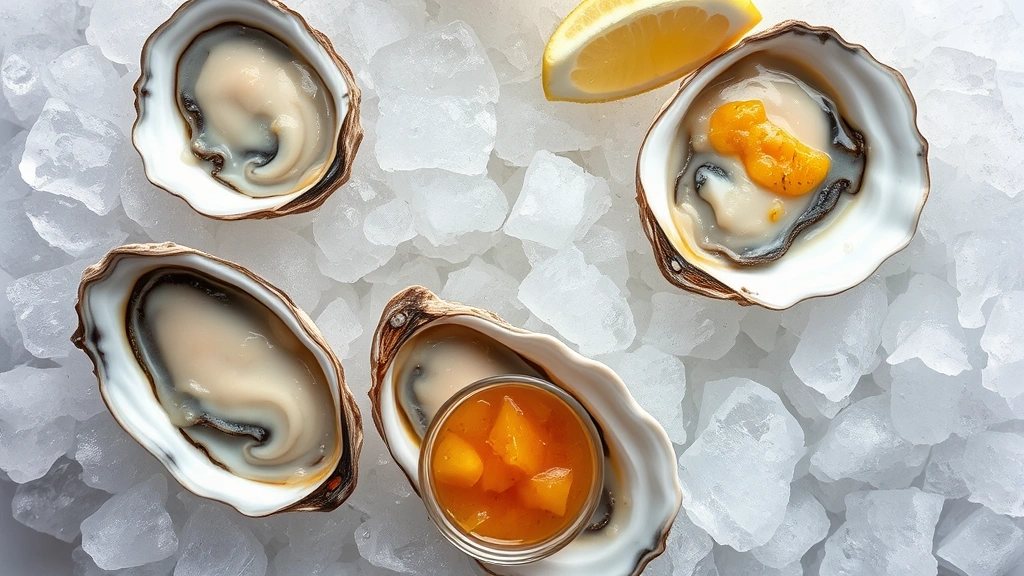
Upon examination, the seafood quality substantiates these claims. The raw oyster selection—presented on ice with meticulous attention to temperature maintenance—displayed the briny salinity and mineral complexity expected from Gulf waters. The shells opened cleanly, suggesting proper handling throughout the supply chain. The oyster liquor (the liquid within the shell) possessed remarkable clarity, indicating minimal sediment and optimal harvesting conditions.
Fish specimens exhibited the telltale signs of premium quality: firm flesh with appropriate translucency, bright eyes (when applicable), and the subtle oceanic aroma that distinguishes fresh seafood from its compromised counterparts. The kitchen’s willingness to display whole fish before preparation—a practice I explicitly requested—speaks to confidence in sourcing decisions. When restaurants obscure ingredient origins or resist transparency, skepticism becomes warranted.
Comparative analysis with other coastal establishments proves instructive. Unlike some restaurants in Key West, Florida that occasionally rely on frozen imports to manage volume, Dusty’s maintains smaller portions of fresh inventory, rotating offerings based on catch availability. This flexibility, while occasionally limiting menu consistency, demonstrates commitment to seasonal eating and sustainability principles.
Signature Dishes Analyzed
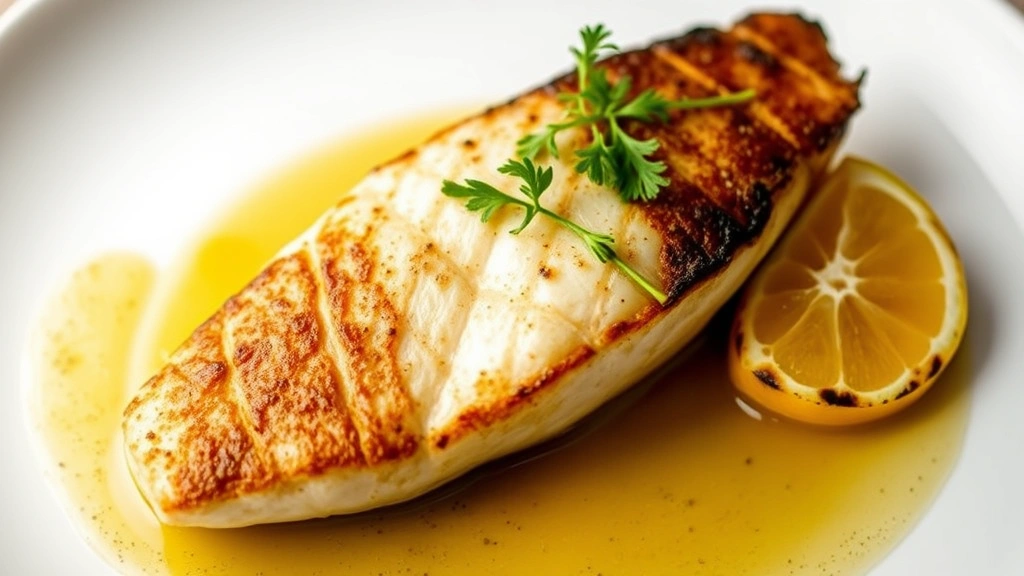
The grilled Gulf grouper emerged as the evening’s revelation. Sourced that morning from local waters, the fillet arrived with skin crisped to audible crackle, while the flesh maintained the delicate opacity indicating perfect medium doneness. The grouper’s natural sweetness—a characteristic often muted by improper handling—sang through with clarity. Accompaniments of brown butter emulsion, charred lemon, and microgreens provided textural contrast without overwhelming the primary protein’s subtle complexity.
What distinguished this preparation from competent execution to excellence was the butter’s composition: clearly prepared à la minute, its nutty aromatics suggested proper heat management and timing. Many establishments manufacture brown butter in advance, resulting in oxidized flavors that taste metallic or flat. Dusty’s commitment to live-fire technique became evident in each element’s synchronization.
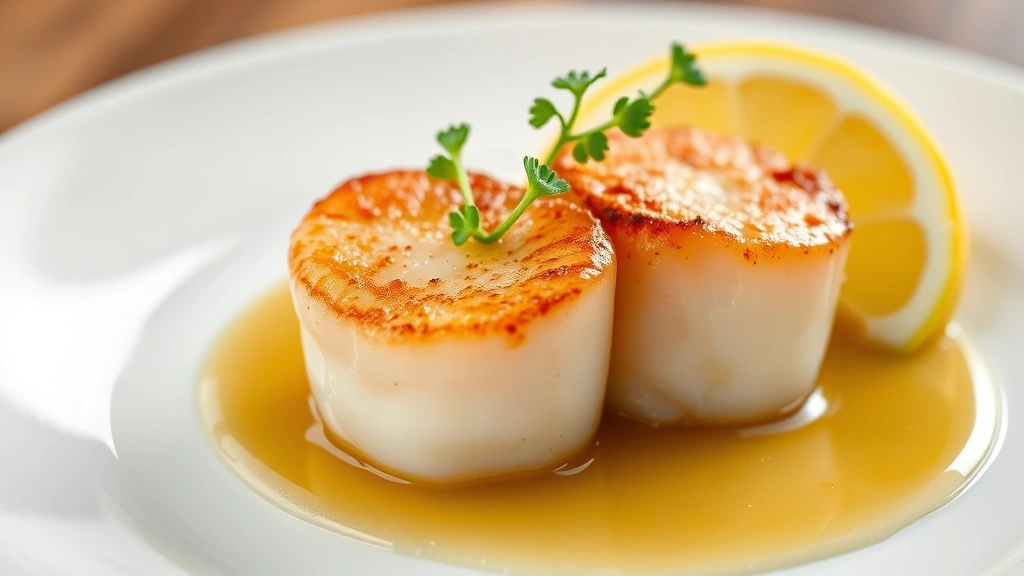
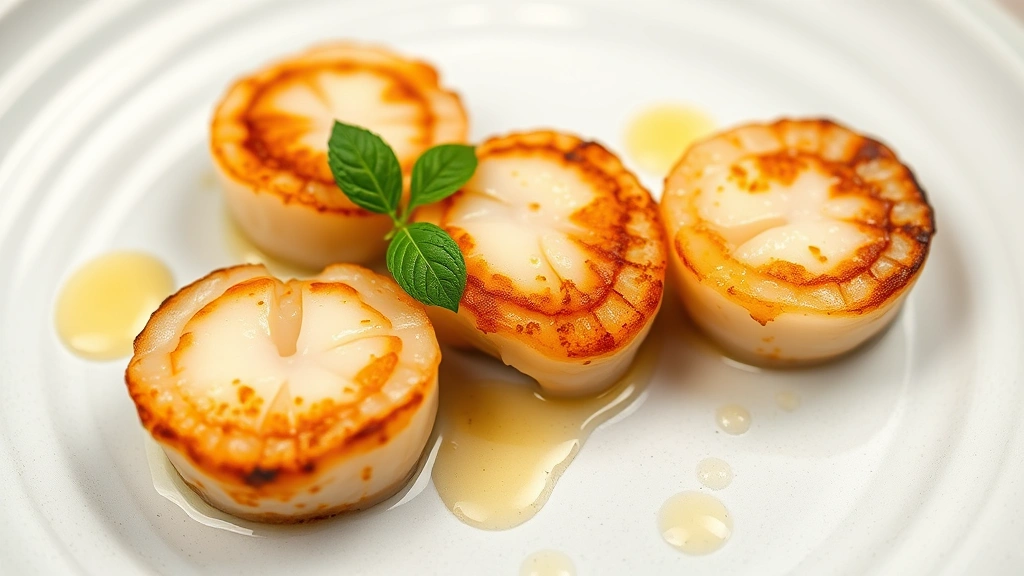
The pan-seared scallops presented an equally sophisticated study in restraint. Three specimens, each the size of a small fist, arrived with caramelized exteriors and barely-translucent centers. The scallop’s inherent sweetness—that almost briny-floral quality that separates premium specimens from commodity seafood—remained unobscured. A light beurre blanc, enhanced with aged sherry vinegar and tarragon, provided acid and aromatic complexity without dominating the palate. The kitchen clearly understands that scallops require minimal intervention to achieve magnificence.
The lobster tail, while technically executed with precision, represented the evening’s most conventional offering. Steamed to exactitude and presented with drawn butter, it satisfied without surprising. Where the grouper and scallops demonstrated distinctive culinary voice, the lobster felt obligatory—a nod to traditional expectations rather than an expression of distinctive perspective. This observation reflects no failure, merely an observation about where the kitchen’s true passion resides.
Flavor Profiles and Preparation Techniques
Dusty’s culinary philosophy privileges clarity of flavor over complexity of technique. This represents a deliberate choice, one increasingly rare in contemporary fine dining where layering and deconstruction often dominate. The kitchen demonstrates mastery of classical French fundamentals—proper stock preparation, sauce construction, temperature control—applied to Gulf ingredients without pretension.
The preparation of fish stocks, evident in the subtle depth underlying several sauces, indicates commitment to foundational excellence. Many restaurants source prepared bases; Dusty’s apparent house preparation yields noticeably cleaner, more refined results. The umami foundation supporting the grouper’s accompaniments felt earned rather than chemically induced.
Acidity management throughout the menu reflects sophisticated palate training. Rather than employing aggressive citrus that overwhelms delicate seafood, the kitchen calibrates acid ratios precisely. The lemon accompanying the grouper provided brightness without piercing; the sherry vinegar in the scallop sauce added complexity without dominating. This restraint, easily mistaken for timidity by untrained palates, actually demonstrates advanced technical understanding.
Temperature precision extends beyond doneness to encompassing plate temperature itself. Each course arrived on appropriately heated surfaces, ensuring that ambient temperature never compromised flavor delivery. The raw oysters maintained optimal coldness, while warm preparations retained heat through the initial courses, preventing flavor flattening that occurs when proteins cool during consumption.
Interestingly, the menu’s vegetable preparations rival the seafood in sophistication. Charred broccolini with garlic and chili flakes provided textural contrast and piquancy; roasted heirloom carrots with caraway seeds demonstrated knowledge of classical vegetable cookery. These accompaniments elevate the dining experience beyond seafood-centric monotony, engaging the palate’s complete range.
Service and Value Proposition
The service staff exhibited that particular combination of attentiveness and discretion that distinguishes professional hospitality. Water glasses remained filled without hovering; courses arrived at appropriate intervals without artificial rushing. The sommelier—a knowledgeable professional rather than a pressurized sales agent—provided wine pairing suggestions grounded in genuine complementarity rather than margin maximization.
The wine list itself merits attention. Rather than pursuing exhaustive breadth, Dusty’s curates a thoughtfully selected collection emphasizing wines that complement Gulf seafood. French whites dominate, as appropriate, but the inclusion of quality Spanish Albariños and Italian Vermentinos demonstrates understanding of how regional wine traditions align with specific seafood preparations. The by-the-glass program includes several options under thirty dollars, making wine pairing accessible without presumption.
Value assessment requires context. At the upper end of Panama City Beach pricing, Dusty’s charges approximately forty to fifty dollars for entrées—premium but not exorbitant for the quality delivered. When compared to steak and seafood restaurants near me in comparable markets, the pricing aligns with quality offered. The restaurant neither exploits its location nor undervalues its execution.
The tasting menu option, though not explicitly promoted, remains available upon request. This flexibility allows diners to experience the kitchen’s full range while providing the restaurant with opportunity to showcase seasonal specialties and current inspirations. Such accommodation reflects confidence and customer-centricity.
Comparative Context
Dusty’s occupies an interesting position within the broader Florida coastal dining landscape. Unlike the theatrical presentations characterizing some best restaurants in Mexico City that prioritize spectacle, Dusty’s philosophy emphasizes ingredient primacy and classical technique. This approach shares affinities with the refined simplicity found in best restaurants in Santa Fe, where regional ingredients and culinary restraint create distinctive identity.
The kitchen demonstrates awareness of contemporary trends—evidenced by occasional modern plating presentations and technique applications—without surrendering to fashion. This balance between respect for tradition and selective modernization creates authenticity that transcends generational dining preferences. Both classical fine-dining enthusiasts and contemporary-cuisine advocates find satisfaction here, albeit for different reasons.
If seeking restaurants open late near me, note that Dusty’s maintains reasonable closing hours (typically 10 PM), making it less suitable for extremely late-night dining. However, the kitchen’s closing time reflects commitment to ingredient quality and staff well-being rather than limitation.
For those interested in broader culinary exploration, the consideration of easy Asian dinner recipes demonstrates how global flavor profiles increasingly influence contemporary seafood preparation. While Dusty’s maintains Western classical foundations, subtle Asian-inspired elements occasionally appear—a touch of miso in certain preparations, occasional use of soy-based reductions—suggesting the kitchen’s awareness of broader culinary conversations.
External validation from industry bodies supports these observations. The World Wine Association recognizes restaurants demonstrating sophisticated beverage programs, and Dusty’s wine selection merits such consideration. Similarly, International Association of Culinary Professionals emphasizes sourcing integrity and technique mastery—both evident here.
Seasonal Variations and Future Considerations
My visit occurred during early autumn, when Gulf seafood reaches particular excellence due to optimal water temperatures and seasonal migrations. The kitchen likely experiences significant variation in available ingredients throughout the year. Winter months bring different species; spring and summer present alternative opportunities. This seasonal dance, while creating menu dynamism, also means that repeat visits will yield substantially different experiences.
The restaurant’s willingness to adjust offerings based on availability suggests philosophical alignment with sustainable fishing practices and seasonal eating. This commitment, increasingly recognized by Chefs Forum as essential to culinary integrity, distinguishes establishments genuinely committed to environmental stewardship from those merely performing sustainability rhetoric.
Looking forward, Dusty’s appears well-positioned to maintain relevance within an evolving dining landscape. The foundation of quality ingredients, technical mastery, and genuine hospitality creates resilience. Whether the kitchen will pursue greater innovation or continue refining classical approaches remains to be observed, but either trajectory appears promising given current execution standards.
The dining experience concludes with desserts representing the evening’s only true disappointment. While technically competent—a chocolate mousse with requisite silkiness, a lemon tart with appropriate tartness—they felt disconnected from the meal’s trajectory. Neither demonstrated the ingredient-focused philosophy dominating savory courses, instead reading as obligatory menu components. This represents the restaurant’s primary opportunity for refinement: elevating pastry to parity with the kitchen’s seafood mastery.
FAQ
What are Dusty’s hours of operation?
Dusty’s typically operates from 5 PM to 10 PM daily, though hours may vary seasonally. Reservations are strongly recommended, particularly during peak season (May through August).
Does Dusty’s accommodate dietary restrictions?
Yes, the kitchen demonstrates flexibility regarding dietary requirements. Communicating restrictions during reservation or upon arrival ensures appropriate menu modifications. The staff exhibits genuine commitment to accommodating preferences without condescension.
What is the dress code?
Business casual attire is appropriate. The restaurant maintains a relaxed sophistication that welcomes sundresses and linen shirts alongside more formal wear, though beachwear and athletic clothing are discouraged.
Are private dining options available?
Dusty’s offers semi-private dining for groups, with dedicated space and customized menu options. Contact the restaurant directly for specific details regarding party size and date availability.
How far in advance should reservations be made?
For weekend dining during peak season, reservations two to three weeks in advance are advisable. Weekday availability typically allows for shorter notice, though advance booking remains recommended for optimal table selection.
What wine price range predominates?
The wine list emphasizes bottles in the thirty to eighty-dollar range, with premium selections extending beyond. By-the-glass options provide accessible entry points without sacrificing quality.
Is the seafood consistently fresh?
Yes, the commitment to local sourcing and daily inventory management ensures consistently high quality. Menu variations reflect genuine availability rather than arbitrary changes, indicating authentic sourcing practices.
Can the kitchen accommodate large groups?
Groups up to twelve can typically be accommodated with advance notice. Larger parties may require split seatings or alternative arrangements; direct contact with management yields best results.