Table of Contents
Introduction
Picture this: it’s 6 PM, you just walked through the door, and your stomach is practically growling. The last thing you want is to spend an hour wrestling with complicated recipes. That’s where easy Asian dinner recipes become your weeknight hero. These dishes pack incredible flavor into simple cooking methods—perfect for those nights when you want something that tastes amazing without the stress.
Here’s what I love about Asian cooking: it’s all about balance and efficiency. You get these gorgeous stir-fries with vegetables that still have some crunch, noodle bowls that somehow feel both comforting and energizing, and rice dishes that make you wonder why you ever bothered with boring sides. The best part? Most of these recipes work with whatever you’ve got in your fridge. Once you nail down a few key techniques and stock your pantry with the right basics, you’ll be whipping up restaurant-quality meals faster than you can say “takeout.” If you’re just getting started, checking out some easy stir fry recipes is honestly the perfect way to dip your toes in.
Let’s talk ingredients for a second. You don’t need a million different bottles cluttering your pantry—just a few powerhouse players. Soy sauce, oyster sauce, and chili paste are like the holy trinity of Asian cooking. Each one brings something different to the table: that deep umami richness, a hint of sweetness, or just the right amount of heat. Then you’ve got your aromatics—garlic, ginger, and scallions. (Seriously, is there anything better than the smell of garlic and ginger hitting hot oil?) Keep these on hand, and you’re basically set for success. Want to expand your ingredient game beyond the typical Asian staples? Learning how to cook quinoa opens up some interesting fusion possibilities.
The cooking techniques are where things get really fun. Stir-frying is probably the most satisfying cooking method ever invented—everything happens fast, the heat is cranked up high, and you’re constantly moving ingredients around the pan. It’s almost meditative once you get the hang of it. Plus, this method locks in all those crisp textures and bright colors that make Asian dishes so appealing. You can throw in whatever protein you have, toss in some vegetables, add your sauce, and boom—dinner is done. For those times when you want to get creative with flavors, learning how to make homemade sauces can take your cooking to the next level.
What You’ll Learn in This Guide
We’re going to walk through everything you need to know to make Asian cooking a regular part of your dinner rotation. No stress, no complicated techniques—just practical knowledge you can actually use. Here’s what we’ll cover:
- Popular Asian Dinner Recipe Categories: We’ll explore stir-fries, noodle dishes, and rice-based meals, breaking down what makes each one special and how to nail the techniques every time.
- Essential Ingredients for Asian Cooking: I’ll show you exactly which sauces and spices to keep stocked, where to find them, and how to use them without second-guessing yourself.
- Basic Cooking Techniques: Master the fundamentals like stir-frying and steaming with clear, step-by-step guidance that actually makes sense.
- Health and Nutrition Benefits: Discover why these meals naturally lean toward being healthy choices, with their emphasis on fresh vegetables, lean proteins, and balanced seasonings.
You’ll also pick up plenty of tips for tweaking recipes to match your taste preferences and dietary needs. Because let’s be real—the best recipes are the ones you’ll actually want to make again and again. Whether you’re vegetarian, trying to eat less sodium, or just hate cilantro (we don’t judge), there are ways to make these dishes work for you. Getting comfortable with easy stir fry recipes and homemade sauces gives you the confidence to start experimenting on your own.
Think of this as your practical guide to bringing some serious flavor to your weeknight dinners. We’ll cover everything from picking the right ingredients to mastering those simple-but-crucial techniques that make all the difference. You’ll learn to create dishes that taste like they took way more effort than they actually did—which is pretty much the holy grail of weeknight cooking. Whether you’re craving classic Pad Thai or just want to jazz up some leftover rice, you’ll have the skills to make it happen.
Ready to transform your dinner game? Let’s dive into these delicious, doable Asian recipes that’ll have you looking forward to cooking again. Your taste buds (and your busy schedule) will thank you.
Now that we’ve covered the basics, let’s get into the really exciting stuff—the different types of Asian dishes you can actually make on a Tuesday night (without losing your mind). I’m talking about the recipe categories and ingredients that’ll transform your kitchen into your new favorite takeout spot. Trust me, once you nail down a few key areas, those weeknight dinners become so much easier. And way more delicious.
Popular Asian Dinner Recipe Categories
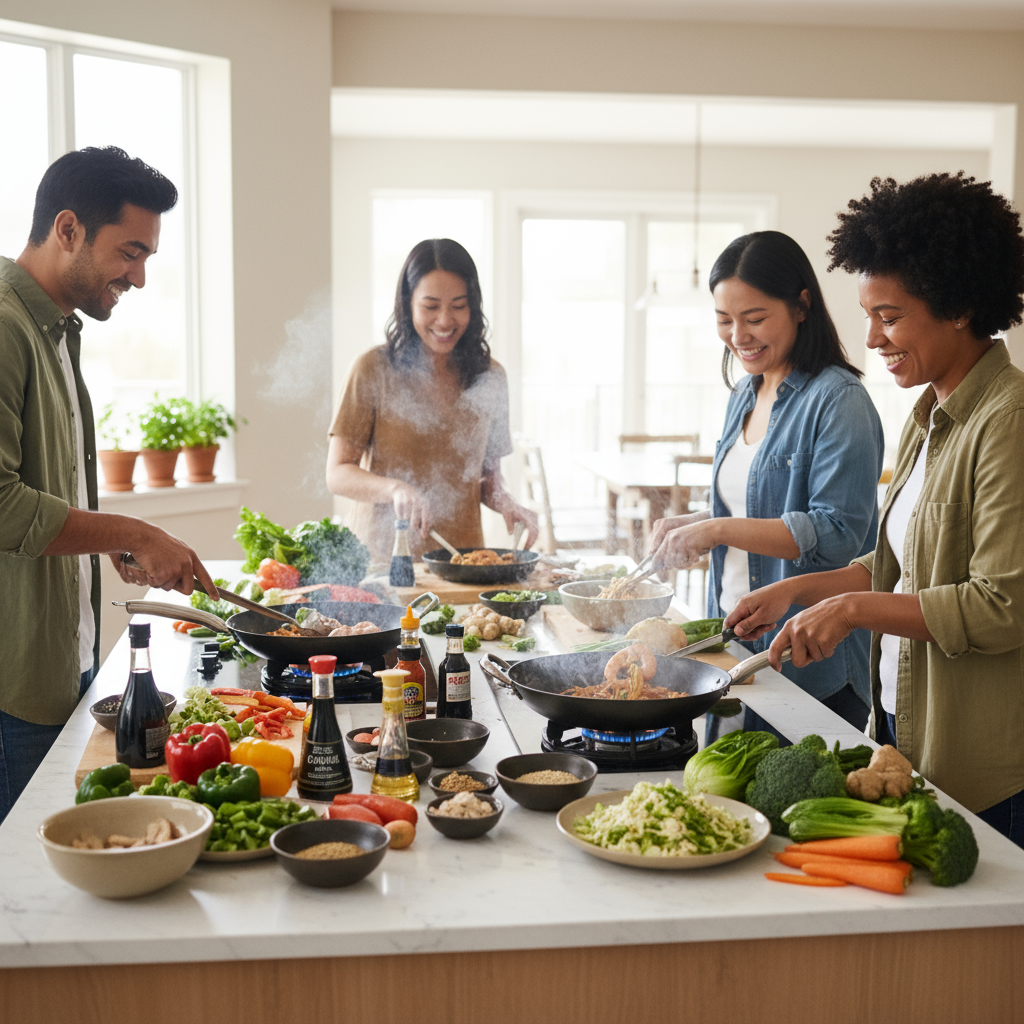
Here’s what I love about Asian cooking—there’s something for everyone. Seriously. Whether you’re craving something crispy, slurpy, or comforting, you’ve got options. The big three that’ll change your dinner game? Stir-fries, noodle dishes, and rice bowls. These aren’t just convenient; they’re actually fun to make once you get the hang of it.
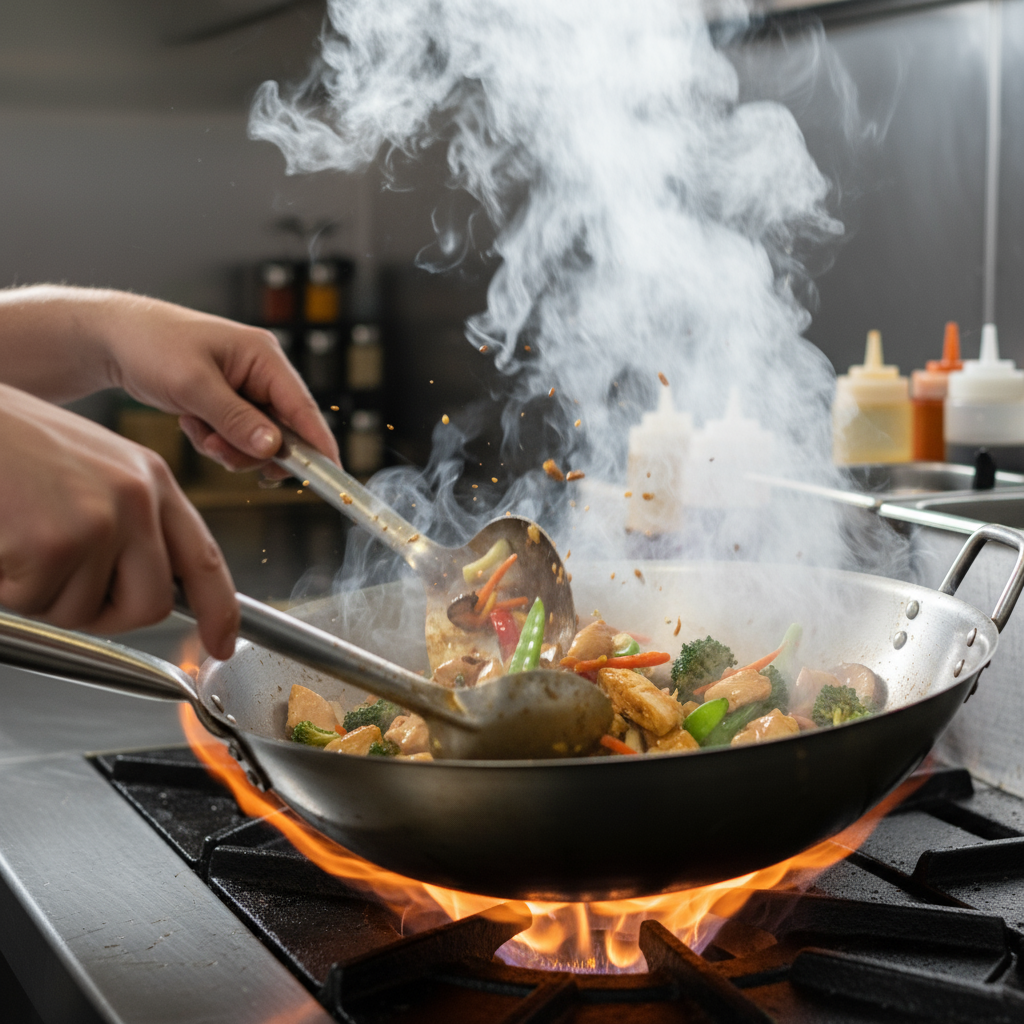
Stir-fries are probably your best friend when you’re short on time. Toss some fresh veggies and protein in a hot pan with sauce, and boom—dinner in under 15 minutes. The key is getting that wok hei (that slightly charred, smoky flavor) by keeping your heat high and moving fast. Want to master the technique? Our detailed guide on easy stir fry recipes breaks down everything from timing to texture.
Then there are noodle dishes. Rice noodles, egg noodles, soba—each one brings something different to the table. Take Pad Thai or Chow Mein—completely different flavors, but both rely on that perfect balance of sauce and noodle texture. And don’t even get me started on fried rice. (Okay, I will get started—it’s basically the ultimate leftover transformer.) The secret? Day-old rice. Fresh rice gets mushy, but day-old rice? Perfect texture every single time. If you want to add some protein variety to these dishes, check out our collection of simple seafood recipes—seafood and rice dishes are a match made in heaven.
Key Aspects of Popular Asian Recipe Categories
Here’s what you really need to know about each category:
- Stir-Fries: Speed is everything here. High heat, quick cooking, and constant movement keep your veggies crisp and your proteins tender. Plus, you can throw in whatever’s hanging out in your fridge.
- Noodle Dishes: It’s all about the sauce-to-noodle ratio. Different noodles need different approaches, but once you nail the classics like Pad Thai, you can riff on them forever.
- Rice-Based Dishes: Master your rice game first—fluffy, separate grains are non-negotiable. From there, fried rice becomes your canvas for creativity.
- Flavor Profiles: Think sweet, salty, sour, and that magical umami punch all working together. It’s like a flavor party in your mouth (and yes, I just said that unironically).
Once you’re comfortable with these basics, you’ll start noticing patterns. Similar techniques, different ingredients. Same principles, new combinations. It’s like having a cheat code for Asian cooking. Ready to stock your pantry like a pro?
Essential Ingredients for Asian Cooking
Okay, let’s talk pantry essentials. Because nothing’s worse than getting excited about a recipe only to realize you’re missing half the ingredients. The good news? Most Asian cooking relies on the same core ingredients over and over again. Stock up once, cook for months.
Sauces are your secret weapons. Soy sauce is obvious (get both light and dark if you’re feeling fancy), but don’t sleep on oyster sauce, fish sauce, and hoisin. These aren’t just random bottles taking up fridge space—they’re flavor powerhouses. Fish sauce might smell questionable, but it adds depth that you can’t get anywhere else. And chili pastes? They’re like hot sauce’s more sophisticated cousin.
Then you’ve got your aromatics. Fresh ginger, garlic, scallions—these three alone can transform any dish from bland to brilliant. Lemongrass brings this bright, citrusy note that screams “restaurant quality.” And star anise? One star pod in a braised dish makes it taste like you’ve been cooking Asian food for decades. The trick is knowing when to add what. Garlic burns fast, so it goes in early but not too early. Ginger loves to be grated fine for stir-fries but sliced thick for braises.
Key Aspects of Essential Asian Ingredients
Here’s your shopping list breakdown:
- Key Sauces: Soy sauce, oyster sauce, and fish sauce are your holy trinity. They build that deep, savory base that makes everything taste more complex than it actually is.
- Aromatics and Spices: Fresh ginger, garlic, scallions, lemongrass, and star anise turn simple ingredients into something special. Fresh is best—no shortcuts here.
- Flavor Balance: You’re always juggling salty, sweet, sour, and spicy. Think of it like seasoning to taste, but with four different taste buds to satisfy.
- Freshness and Quality: Buy fresh aromatics weekly, store your sauces properly (some need the fridge after opening), and your dishes will taste like they came from your favorite Asian restaurant.
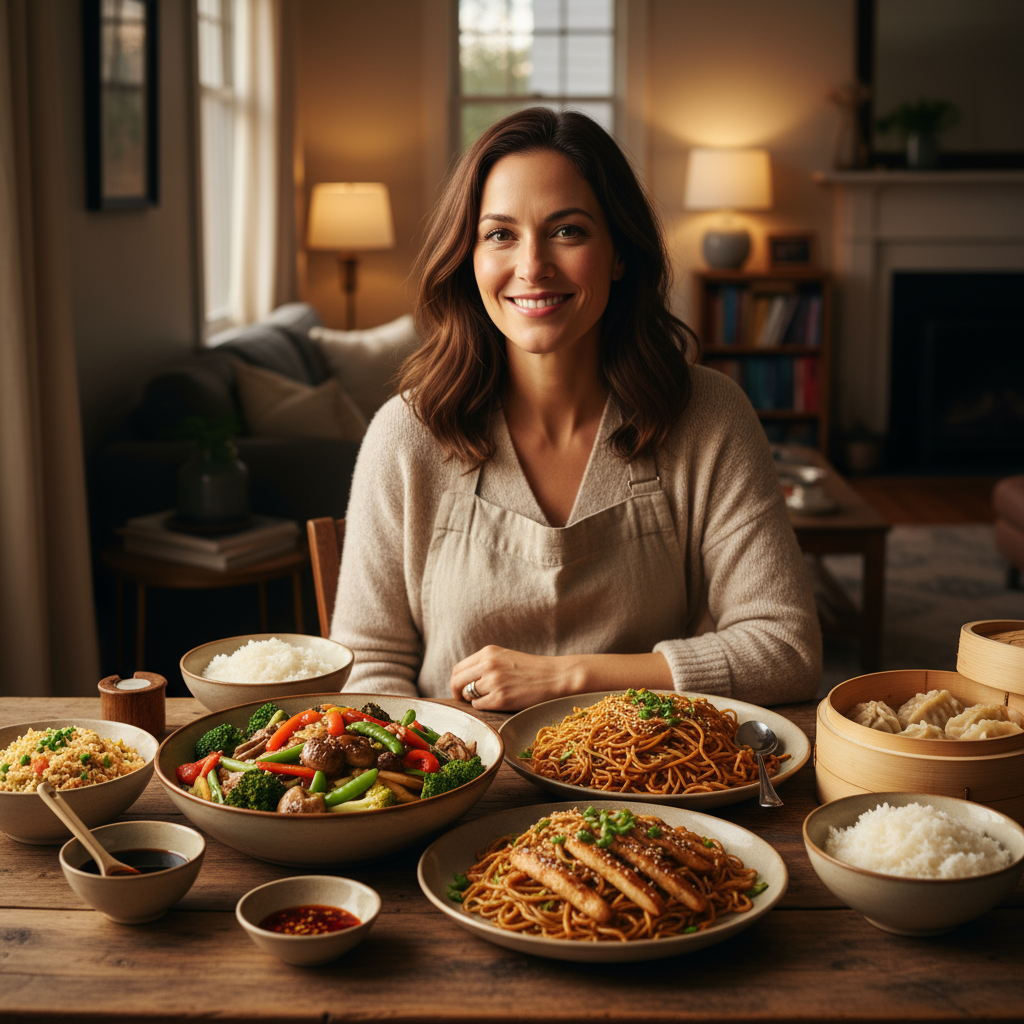
Here’s the thing about easy Asian dinner recipes—they’re absolute game-changers for busy weeknights. You get incredible flavors without spending hours in the kitchen, which honestly feels like magic sometimes. We’ve covered everything from quick stir-fries to comforting noodle dishes and satisfying rice bowls, and each one brings something special to your dinner table. Those essential ingredients we talked about? Soy sauce, oyster sauce, fresh garlic, and ginger—they’re like your secret weapons for creating authentic flavors that’ll make you wonder why you ever ordered takeout.
Once you nail the basics (like getting that wok screaming hot for stir-fries), you’ll be amazed at what you can create. These aren’t just tasty meals—they’re actually doing your body good too. Fresh vegetables, lean proteins, balanced seasonings… it’s like sneaking nutrition into dinner without anyone noticing. Your family wins, your health wins, and your wallet definitely wins.
Ready to take things up a notch? You’ve got the foundation—now let’s build on it. If you want to master the art of quick cooking, dive into our easy stir fry recipes where you’ll learn to create restaurant-quality dishes in minutes. Love seafood but intimidated by cooking it? Our simple seafood recipes will change that—they’re surprisingly foolproof and incredibly healthy. And if you’re curious about mixing things up with different grains, check out our guide on how to cook quinoa. Trust me, quinoa fried rice is a revelation you didn’t know you needed.
Look, cooking should be fun, not stressful. These Asian recipes give you permission to experiment, make mistakes, and discover what you love. Maybe you’ll become the person who can whip up perfect pad thai on a Tuesday night, or perhaps you’ll find your signature fried rice recipe that everyone begs you to make. The point is, you’re not just learning recipes—you’re building confidence in the kitchen. So grab your wok (or whatever pan you have), turn up the heat, and let’s make dinner exciting again. Your taste buds are about to thank you.
Frequently Asked Questions
-
What are the easiest Asian dinner recipes for beginners?
- Stir-fries, fried rice, and noodle stir-fry dishes are great starting points.
-
Can I use substitute ingredients in Asian recipes?
- Yes, many ingredients can be replaced with similar alternatives depending on availability.
-
How can I make my Asian dishes more flavorful?
- Use fresh aromatics and balance salty, sweet, sour, and spicy flavors.
-
Are Asian dinners generally healthy?
- Yes, especially when incorporating fresh vegetables, lean proteins, and minimal oil.
-
How long does it usually take to make an easy Asian dinner?
- Most recipes can be prepared within 30 minutes or less.