Table of Contents
Introduction
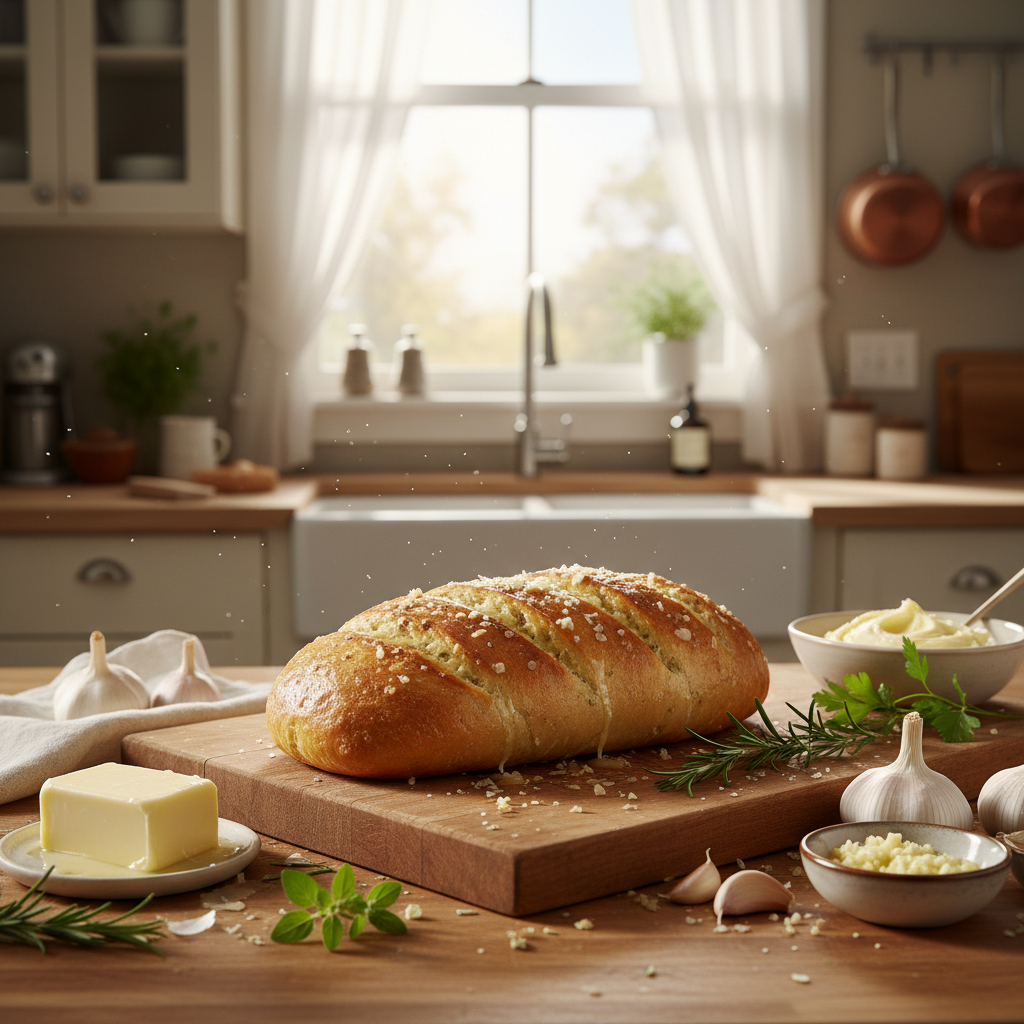
Close your eyes for a second. Can you smell that? The warm, yeasty aroma of fresh bread filling your kitchen, making your mouth water before you’ve even taken the first bite. That’s the magic we’re talking about here. Baking bread at home isn’t just cooking—it’s like creating edible comfort. And here’s the best part: you don’t need to be a master baker to pull this off.
Look, I get it. Store-bought bread is convenient. Grab a loaf, toss it in your cart, done. But have you ever actually read what’s in there? Half the ingredients sound like they belong in a chemistry lab, not your sandwich. When you make bread at home, you know exactly what’s going into your body. Plus, there’s something deeply satisfying about knowing those baking recipes for beginners can turn basic pantry staples into something extraordinary. Flour, water, yeast, salt—that’s pretty much it. Simple ingredients working together like old friends.
Now, let’s be honest. Your first loaf might not look like something from a fancy bakery window. Maybe it’ll be a little dense. Or lopsided. (Mine definitely was.) But here’s what I’ve learned: those “mistakes” teach you more than any perfect loaf ever could. Understanding how to fix common problems—like why your bread didn’t rise or came out too heavy—turns you from someone who follows recipes into someone who actually gets bread. And once you start experimenting with recipes and baking tips for different flavors and textures? Game changer.
While we’re focusing on bread here, your baking skills don’t exist in a vacuum. The confidence you build kneading dough carries over to other kitchen adventures. Whether you’re whipping up no bake dessert recipes for a quick treat or mastering homemade sauces to pair with your fresh bread, it all connects. Think of bread baking as your gateway drug to becoming more adventurous in the kitchen. (In the best possible way, of course.)
What You’ll Learn in This Guide
This isn’t going to be one of those guides that assumes you already know everything. We’re starting from the ground up, covering the essentials without making it complicated. By the time you’re done reading, you’ll have everything you need to start baking bread that actually tastes good.
- Basic Ingredients Overview: We’ll break down what each ingredient actually does—why bread flour works differently than all-purpose, when to use instant versus active dry yeast, and how simple additions can completely transform your loaf’s flavor and texture.
- Step-by-Step Recipes: Clear instructions that won’t leave you guessing, including foolproof no-knead bread (seriously, it’s almost too easy) and quick yeast bread recipes that work every single time.
- Common Issues and Solutions: What to do when your bread looks more like a hockey puck than a loaf, why sometimes it doesn’t rise, and how to fix these problems before they happen again.
- Expert Tips and Best Practices: The little details that make a huge difference—proper measuring techniques, oven quirks to watch for, and storage tricks that keep your bread fresh for days.
As you work through these recipes, something cool happens. You stop being afraid of the dough. You start understanding what it should feel like, smell like, look like at each stage. Before you know it, you’re tweaking recipes to match your taste, maybe adding herbs or trying different flour combinations. That’s when bread baking stops being intimidating and starts being fun.
We’re not just going to tell you what to do—we’ll explain why each step matters. Why does the dough need to rest? What’s actually happening during that first rise? Understanding the “why” behind the process means you’re not just following instructions blindly. You’re learning to bake with confidence and intuition.
Ready to fill your kitchen with that incredible smell of fresh-baked bread? Whether you’re working with basic measuring cups or you’ve got every gadget known to baking, this guide will help you create loaves that taste like they came from your favorite bakery. Let’s roll up our sleeves and dive into the wonderful, sometimes messy, always rewarding world of homemade bread. Trust me—your taste buds (and your family) will thank you.

So you’ve baked your first loaf and caught the bread bug—amazing! Now let’s talk about what actually makes those simple homemade bread recipes work their magic. It’s not rocket science, but knowing your ingredients (and how they play together) makes all the difference between ‘meh’ bread and the kind that makes your kitchen smell like heaven. We’re talking flour choices, yeast mysteries, the perfect water balance, and why salt is your secret weapon. Master these basics, and you’ll not only bake consistently great bread but also know exactly what to do when things go sideways. Trust me, that confidence turns baking from stressful to seriously fun.
Basic Ingredients for Homemade Bread and Their Roles
Here’s the beautiful truth about bread: you probably already have everything you need sitting in your kitchen right now. Flour is your foundation—think of it as the scaffolding that gives your bread structure. It contains gluten, which acts like tiny elastic bands that trap air and let your dough puff up beautifully. You’ve got options here: all-purpose flour works great for beginners, bread flour gives you that perfect chewy texture, and whole wheat adds a nutty flavor (though it’s a bit more demanding). Then there’s yeast—your bread’s best friend. Whether you grab active dry, instant, or fresh yeast, these little microorganisms are what make the magic happen, turning your dough into something alive and bubbly. Water seems simple, but it’s doing heavy lifting: hydrating the flour, waking up the yeast, and determining whether your dough feels just right or like a brick. And salt? It’s not just for flavor—it actually keeps your yeast in check so everything rises at the perfect pace. Some recipes call for sugar or oil too, which add sweetness and tenderness respectively. Want to explore how these ingredients work in practice? Check out baking recipes for beginners that walk you through each ingredient’s role step by step.
Now, here’s where it gets interesting—these ingredients have relationships with each other. Good flour means better gluten development, which gives you that perfect stretchy dough. Your yeast is picky about water temperature (think baby’s bath water—warm but not hot enough to kill those little guys). Salt doesn’t just make things taste better; it’s actually controlling your yeast like a gentle brake pedal, preventing your dough from going crazy and over-rising. Sugar feeds the yeast and gives you a gorgeous golden crust, while oils and fats make your bread tender and help it stay fresh longer. It’s like conducting an orchestra—every ingredient has its part to play. If you want to see how these principles work with different combinations, try looking at homemade pizza dough recipes where oils and flour blends create completely different textures.
Essential Ingredients and Their Characteristics
Let me break down what you really need to know about each ingredient:
- Flour Types: All-purpose flour is your reliable friend—it works for almost everything. Bread flour has more protein, which means stronger gluten and chewier, more professional-style bread. Whole wheat flour brings earthy, nutty flavors and extra nutrition, but it’s thirstier than white flour, so you’ll need a bit more liquid and some extra patience with kneading.
- Yeast Options: Active dry yeast needs a little wake-up call in warm water before you use it. Instant yeast is the lazy baker’s dream—just toss it right into your dry ingredients. Fresh yeast (if you can find it) gives incredible flavor but has a shorter shelf life. Each type changes your timing, so pick what fits your schedule.
- Water and Salt: Water controls how your dough feels—too little and it’s stiff, too much and it’s soup. Salt is your flavor enhancer and yeast manager rolled into one. Sea salt, table salt, whatever you have works fine, just don’t go overboard or you’ll put your yeast to sleep permanently.
- Additional Ingredients: Sugar feeds your yeast and creates that beautiful brown crust we all love. Oils (olive, vegetable, whatever’s handy) make bread softer and keep it fresh longer. Want to get fancy? Herbs, seeds, nuts, cheese—they all add personality to your loaves.
Once you understand how these ingredients work together, you’ll feel like you’ve unlocked a secret code. No more wondering why your bread turned out dense or why it’s dry as cardboard. You’ll know exactly what went wrong and how to fix it next time. Good ingredients and understanding their quirks—that’s what separates okay bread from the kind that makes people beg for your recipe.
Step-by-Step Easy Bread Recipes for Beginners
Alright, theory time is over—let’s get our hands floury! I’m going to share some beginner-friendly recipes that won’t stress you out or require fancy equipment. We’ll start with no-knead bread, which is basically bread making for people who think they can’t make bread. Seriously, it’s almost foolproof. The secret? Time does all the work for you instead of your arms. Then we’ll move to quick yeast breads for those moments when you want fresh bread but don’t want to wait until tomorrow. These recipes are forgiving, flexible, and designed to build your confidence. If you’re feeling nervous about jumping in, basic baking recipes for beginners can walk you through the fundamentals with plenty of hand-holding and encouragement.
What makes these recipes work is understanding a few key concepts. No-knead bread relies on a wetter dough and patience—lots of patience. The long fermentation (we’re talking 12-18 hours) develops gluten naturally and creates those gorgeous, irregular holes you see in artisan bread. Quick yeast breads take the opposite approach: warm water, a bit of sugar to feed the yeast, and sometimes oil or butter for richness. Both styles give you a solid foundation for experimentation. Want to add rosemary? Go for it. Cheese and olives? Absolutely. The beauty is in the variations you’ll discover. For inspiration on how simple ingredient swaps can transform basic recipes, check out simple seafood recipes—the same principles of building on basics apply whether you’re making bread or cooking fish.
Key Aspects of Easy Bread Recipes
Here’s what you need to know to nail these recipes every time:
- No-Knead Bread Preparation: Mix your ingredients gently (don’t overthink it), then walk away. The long fermentation—anywhere from 12 to 18 hours—does all the gluten development for you. No sore arms, no stress, just patience and a little planning ahead.
- Quick Yeast Bread Techniques: These recipes use instant yeast or properly proofed active dry yeast, involve some kneading (but not much), and rise in 1-2 hours. Perfect for weekend mornings when you want fresh bread with your coffee.
- Variations and Flavor Enhancements: This is where the fun begins. Rosemary and sea salt, sesame seeds, sunflower seeds, sharp cheddar and herbs, kalamata olives—your bread, your rules. Start with small amounts and taste as you go.
- Baking Tips: Preheat that oven with a baking stone or Dutch oven if you have one. Create steam with a pan of water (it makes the crust crispy). And please, please let your bread cool completely on a rack before cutting—I know it’s torture, but hot bread turns gummy when you slice it.
These recipes are your training wheels—they’ll give you confidence and teach you how bread feels and behaves. Once you’ve made a few successful loaves, you’ll start to understand the rhythm of bread making. The way dough should feel in your hands, how it sounds when it’s ready, what properly risen dough looks like. From there, the world of bread making opens up, and you’ll find yourself experimenting with different flours, techniques, and flavors. Before you know it, you’ll be that person whose house always smells amazing.

There’s something magical about baking homemade bread, isn’t there? The way simple ingredients—flour, yeast, water, salt—transform into something that fills your entire kitchen with the most incredible aroma. We’ve covered a lot of ground together in this guide, breaking down how each ingredient does its job to create that perfect loaf. And here’s the thing: once you understand what’s happening behind the scenes, bread baking stops feeling mysterious. Dense bread? Uneven rising? You’ll know exactly what went wrong and how to fix it next time. Even if you’re completely new to this, you’ve got everything you need to feel confident stepping into your kitchen.
Those step-by-step recipes we shared? They’re your training wheels. The no-knead bread is practically foolproof—seriously, it’s hard to mess up. Minimal work, maximum reward, with that gorgeous crust and pillowy interior that’ll make you feel like a baking genius. The quick yeast recipes give you faster gratification when you’re craving fresh bread (we’ve all been there). But here’s what I love most: these aren’t just recipes to follow blindly. They’re your foundation for getting creative. Want to add herbs? Go for it. Thinking about a touch of honey? Why not? Bread baking is as much about developing your instincts as it is about following directions.
Ready to keep this momentum going? Your bread skills are the perfect springboard for so much more. If you’re feeling ambitious, check out these baking recipes for beginners—they’ll keep building your confidence in the kitchen. And since you’ve mastered dough, why not try your hand at homemade pizza dough? Trust me, once your family tastes homemade pizza, there’s no going back to delivery. For those days when you want something sweet but don’t feel like turning on the oven, these no bake dessert recipes are absolute lifesavers. Oh, and while we’re talking about peace of mind—building an emergency fund is just as important as stocking your pantry. Financial security means you can enjoy your baking adventures without stress.
You’re officially ready to become the bread baker you never thought you could be. Remember this: it’s not about creating perfect loaves every single time. It’s about the joy of creating something with your own hands, the warmth that spreads through your home, and the smiles on people’s faces when they taste what you’ve made. So embrace the flour-dusted counters and the occasional wonky loaf (they usually taste amazing anyway). Your kitchen is about to become your happy place—filled with incredible smells, proud moments, and memories that stick around long after the last crumb is gone. Keep experimenting, stay patient with yourself, and most importantly, have fun with it. This ancient art of bread making? It’s yours now.
Frequently Asked Questions
-
Can I use gluten-free flour for these recipes?
- Yes, with some adjustments and specific gluten-free recipes. Gluten-free flours behave differently, so be prepared for changes in texture and rise when substituting.
-
Do I need special equipment to bake bread at home?
- No, basic kitchen tools and an oven are sufficient for easy recipes. Optional equipment like a Dutch oven can enhance results but is not required.
-
How long does homemade bread stay fresh?
- Generally 2-3 days at room temperature; it freezes well for longer storage. Proper cooling and storage help maintain freshness.