Table of Contents
Introduction
Picture this: you walk through the front door after a crazy day, and your stomach is practically growling at you. You want something delicious—something that actually tastes good and won’t leave you feeling guilty later. But who has time to slave over a complicated recipe? That’s where stir fry comes to the rescue. These dishes are like the superhero of weeknight dinners: quick, colorful, packed with good stuff, and surprisingly satisfying.
Here’s the thing about stir frying—it’s brilliant in its simplicity. Toss some fresh veggies in a hot pan, add your protein of choice, splash in a flavorful sauce, and boom. Dinner is served. We’re talking bell peppers that still have their crunch, broccoli that’s bright green (not mushy), and carrots that actually taste like carrots. Then there’s the protein game: chicken, beef, tofu, shrimp—whatever floats your boat. The high heat locks everything in, so you get maximum flavor with minimal fuss. And if you’re looking to build your basic cooking skills, checking out how to make pancakes from scratch can teach you some fundamental techniques that’ll make you more confident in the kitchen overall.
But stir fry isn’t just about speed—it’s about eating well without overthinking it. When you choose quality ingredients, you’re setting yourself up for meals that actually nourish you. (Novel concept, right?) If you want to dive deeper into making smart food choices, healthy food recipes has some great ideas that’ll complement your stir fry adventures. And here’s a bonus: stir frying is perfect for using up those vegetables sitting in your fridge before they go bad. Speaking of which, learning some food waste reduction tips can help you become a more efficient cook while saving money and helping the planet.
Want to expand your quick-cooking repertoire? Once you’ve got stir fry down, you might enjoy exploring low carb dinner recipes for more healthy options, or trying some simple seafood recipes to mix things up. The beauty of building these skills is that you start feeling more comfortable in the kitchen. And when you’re comfortable? That’s when you can really start making dishes your own.
What You’ll Learn in This Guide
We’re going to walk through everything you need to become a stir fry master. No complicated jargon or fancy techniques—just practical knowledge that’ll have you whipping up delicious meals in no time. Whether you’ve never touched a wok or you’re looking to up your stir fry game, we’ve got you covered.
- Essential Ingredients: Learn what vegetables, proteins, sauces, and seasonings to use for the perfect stir fry. Discover how ingredient quality affects flavor and nutrition.
- Basic Stir Fry Techniques: Understand the preparation and cooking methods that ensure delicious results. Tips include chopping evenly, managing heat, and timing for ideal texture.
- Popular Easy Stir Fry Recipes: Explore quick recipe ideas like chicken and vegetable stir fry, beef and broccoli, and tofu-based dishes that cater to various tastes and diets.
- Customization Tips: Get advice on how to personalize your stir fry meals by adjusting ingredients, spices, and sauces to match your preferences and dietary requirements.
Throughout this guide, you’ll pick up practical tips that actually work in real kitchens (not just perfect test kitchens). We’ll cover everything from prep work that saves you time to heat control that prevents your veggies from turning into mush. You’ll also learn how to mix and match ingredients so your dinners never get boring. And if you want to build your overall cooking confidence, baking recipes for beginners offers some great foundational skills that translate to all kinds of cooking.
By the time we’re done here, you’ll have everything you need to create satisfying stir fry meals that actually fit your life. No more staring into the fridge wondering what to make. You’ll know how to work with what you have, adjust flavors to your liking, and maybe even impress a few people along the way. (Trust me, there’s something pretty satisfying about tossing vegetables in a hot pan like you know what you’re doing.)
So let’s get started. We’ll begin with the building blocks—the ingredients that make stir fry work—then move into techniques that’ll have you cooking like a pro. You’ll learn how to prep efficiently, choose the right proteins, and create sauce combinations that make everything taste amazing. These aren’t just recipes you’ll try once; they’re skills that’ll make weeknight cooking something you actually look forward to.
Want to know the secret to amazing stir fry? It’s simpler than you think. Once you nail down the basics—the right ingredients and a few key techniques—you’ll be whipping up restaurant-quality dishes in your own kitchen. No more soggy vegetables or bland sauces. We’re talking crispy, colorful, absolutely delicious meals that come together in minutes. Ready to become a stir fry pro?
Essential Ingredients for Stir Fry Success
Here’s the thing about great stir fry: it starts way before you turn on the stove. You need the right players on your team—fresh vegetables that’ll stay crisp, proteins that won’t turn into rubber, and sauces that actually pack a punch. Think of stir fry as your kitchen’s greatest hits album. Vibrant veggies like bell peppers and broccoli bring the color and crunch. Your protein (whether it’s chicken, beef, tofu, or shrimp) adds substance. And those sauces? They’re the headliners that tie everything together.
Now, about those vegetables—fresh is everything. We’re talking snap peas that actually snap, carrots with a satisfying crunch, bok choy that stays bright green. When it comes to protein, size matters. Cut everything into bite-sized pieces so they cook evenly and nobody’s wrestling with a massive chunk of chicken. Exploring simple seafood recipes can give you some great ideas for mixing up your protein game—because variety keeps things interesting.
But let’s talk about what really makes or breaks your stir fry: the sauce. Soy sauce is your foundation, but don’t stop there. Oyster sauce adds richness, hoisin brings sweetness, and a touch of sesame oil? Pure magic. You know how mastering homemade pizza dough makes all the difference in your pizza? Same concept here—making your own sauce blend instead of relying on store-bought packets will completely transform your stir fry game. The goal is balance: salty, sweet, and that incredible umami depth that makes you go back for seconds.
Key Aspects of Stir Fry Ingredients
When you’re shopping for your next stir fry adventure, keep these essentials in mind:
- Fresh Vegetables: Go for a rainbow of colors—snap peas, bok choy, broccoli, bell peppers in every shade you can find. The crispier and more colorful, the better. These beauties provide that satisfying crunch and natural sweetness that makes stir fry so addictive.
- Protein Variety: Thin-sliced chicken breast, flank steak cut against the grain, firm tofu cubes, or plump shrimp—take your pick. Pro tip: a quick 15-minute marinade works wonders for flavor and tenderness.
- Sauces and Seasonings: Start with soy sauce, add some sesame oil, fresh garlic, ginger, and either oyster or hoisin sauce. Play with the proportions until you find your perfect flavor sweet spot—some like it salty, others prefer more heat.
- Complementary Ingredients: Don’t forget the finishing touches! Green onions, red pepper flakes, fresh herbs, toasted sesame seeds, or chopped peanuts can take your dish from good to unforgettable.
Getting your ingredients right is half the battle won. Keep this list handy for your next grocery run—you’ll be amazed how having quality ingredients makes everything else fall into place. Now, let’s talk about actually cooking this masterpiece.
Basic Stir Fry Techniques for Perfect Results
Here’s where the magic happens. You can have the best ingredients in the world, but without proper technique, you’ll end up with a disappointing mess instead of that restaurant-quality stir fry you’re craving. The good news? The techniques are surprisingly straightforward once you know what you’re doing. Think of it like driving—intimidating at first, but once you get the hang of it, it becomes second nature.
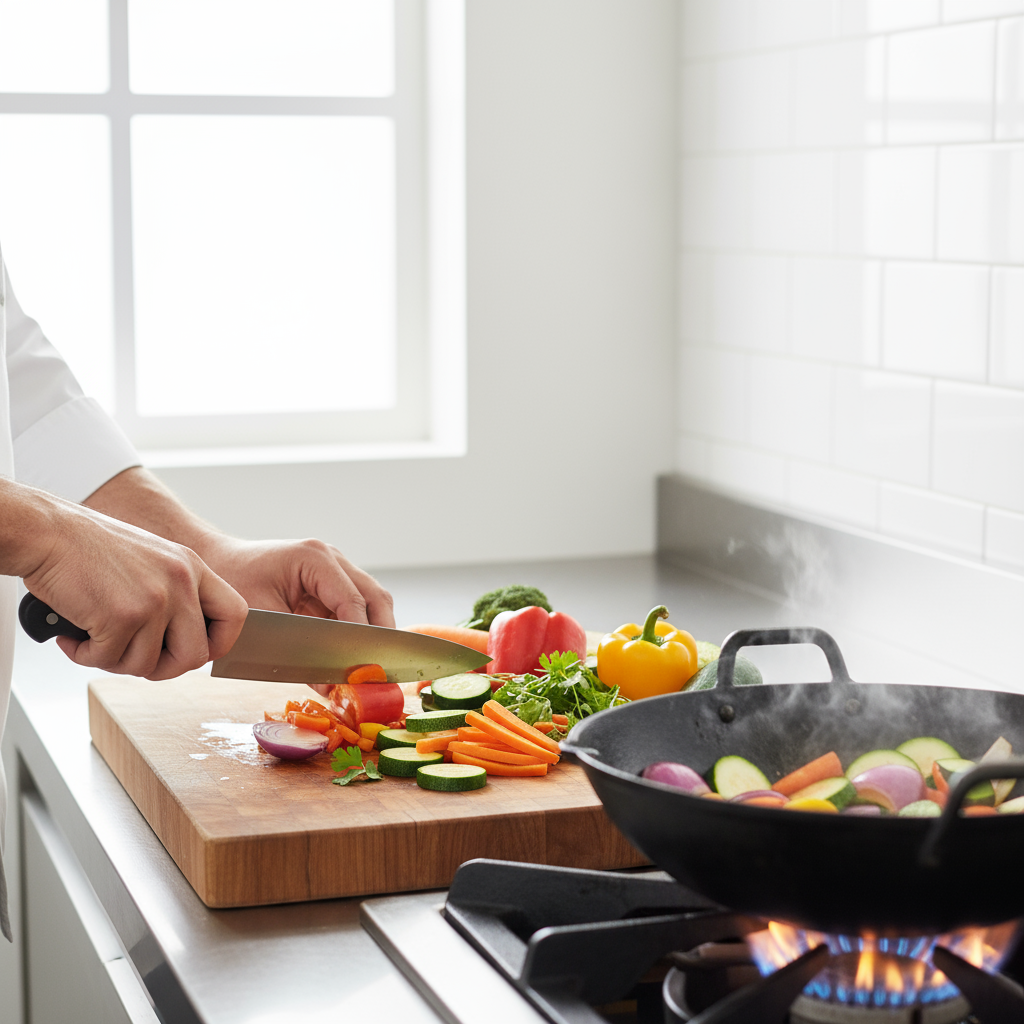
First rule of stir fry club: prep everything first. And I mean everything. Vegetables chopped, proteins marinated and ready, sauces mixed, rice cooking. Because once that pan gets hot, things move fast. Really fast. You won’t have time to dice an onion or hunt for the soy sauce. If you’re into low carb dinner recipes, you already know how valuable these quick-cooking methods can be—stir fry is your best friend for healthy, fast meals.
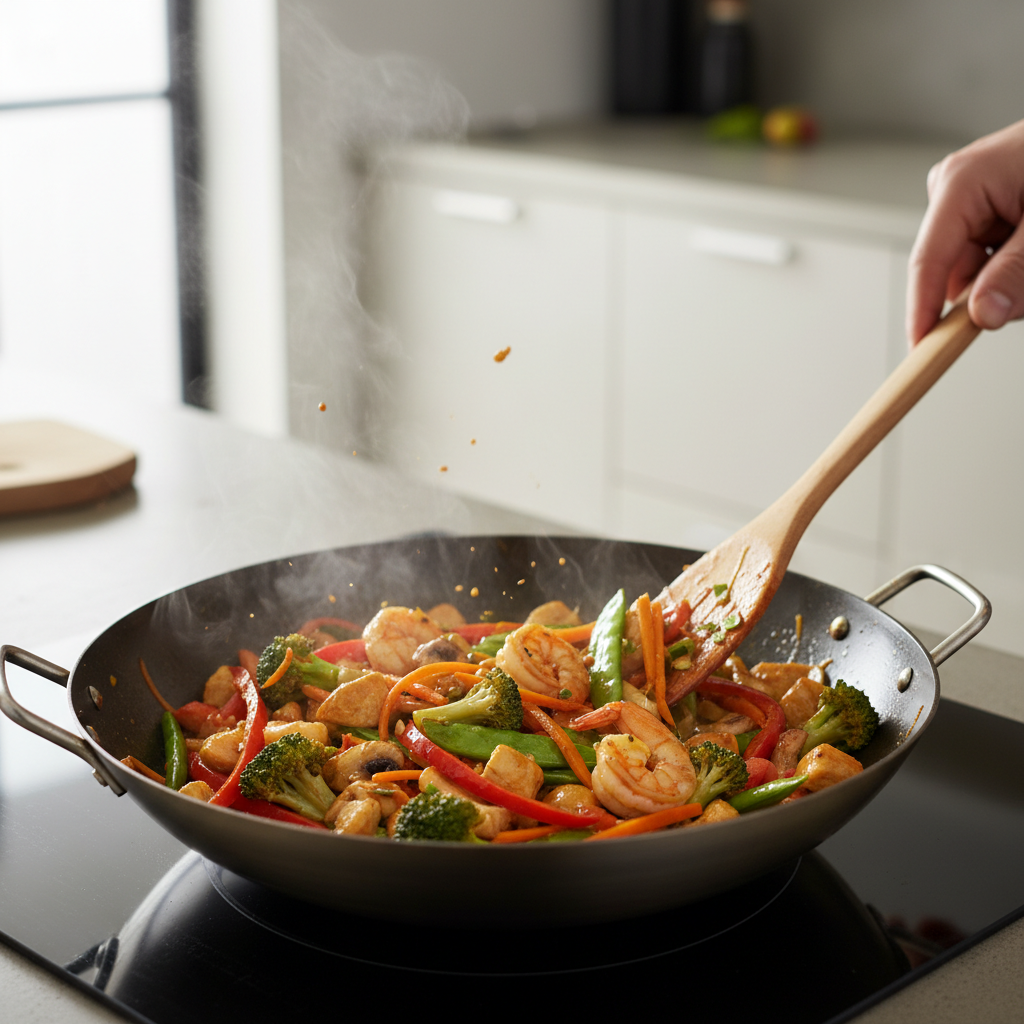
Heat control is everything. We’re talking screaming hot wok or large skillet—so hot that a drop of water sizzles and disappears instantly. This high heat is what gives you that perfect sear on proteins and keeps vegetables crisp-tender instead of mushy. Keep everything moving with a spatula or by literally tossing the pan (if you’re feeling brave). And please, be careful with that hot oil—burns are not part of the recipe.
Key Aspects of Stir Fry Techniques
Master these fundamentals and you’ll be stir frying like a pro:
- Preparation and Mise en Place: Everything—and I mean everything—should be prepped before you heat the pan. Ingredients chopped, sauces mixed, tools ready. Stir fry waits for no one, so neither should you.
- Chopping and Cutting Consistency: Cut everything roughly the same size so it cooks evenly. Nobody wants raw broccoli next to overcooked carrots. Aim for bite-sized pieces that’ll cook in the same amount of time.
- Heat Management and Stirring: Crank that heat to high and keep everything moving. This isn’t gentle sautéing—it’s fast, furious cooking that locks in flavors and maintains that perfect texture contrast.
- Safety and Handling Hot Oil: Hot oil plus high heat equals respect required. Use the right tools, keep pot handles turned inward, and don’t overcrowd the pan (it’ll lower the temperature and steam your food instead of searing it).
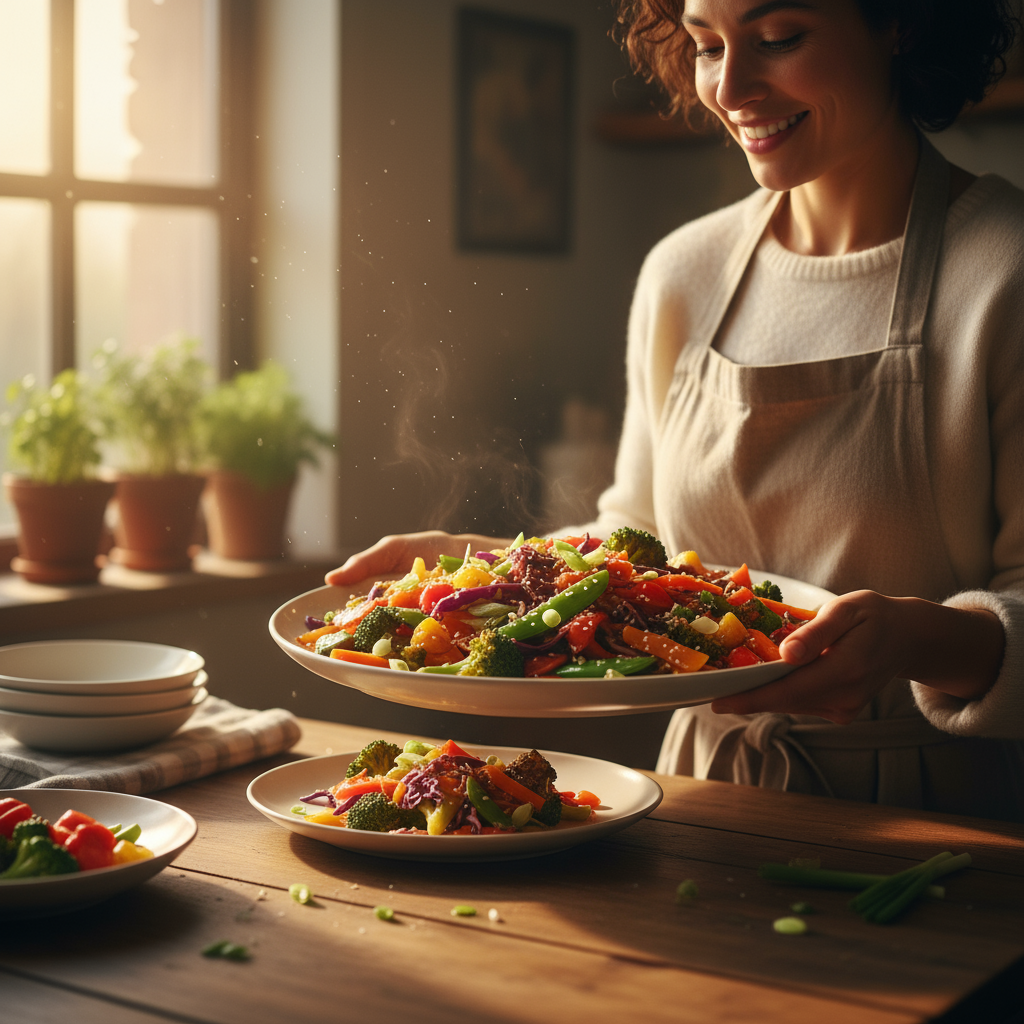
Here’s the thing about stir fry—it’s basically your kitchen superhero. Quick? Check. Nutritious? Absolutely. Delicious? You bet. When you toss together crisp vegetables, your favorite protein, and a sauce that makes everything sing, magic happens. And the best part? It works whether you’re team chicken, devoted to beef, obsessed with tofu, or can’t get enough shrimp. Once you nail the basics, you’ll be creating restaurant-quality dishes that look as amazing as they taste. That high-heat sizzle? It’s not just for show—it locks in all those textures and flavors, giving you that perfect bite every single time.
We’ve covered a lot of ground together. You now know how to pick the right vegetables (the colorful ones that stay crisp), prep your proteins like a pro, and create sauces that bring everything together beautifully. Those knife skills we talked about? The heat control tricks? The safe oil handling? These aren’t just random tips—they’re your foundation for cooking with confidence. And those recipes we explored—from classic chicken and veggie combos to hearty beef and broccoli, plus those satisfying vegetarian tofu creations—they’re proof that you can make stir fry work for literally anyone at your table. Weeknight dinners just got a whole lot more exciting (and healthy too).
But here’s something cool about stir fry that goes way beyond just cooking. When you understand quality ingredients and balanced nutrition, you’re not just making dinner—you’re making smart choices that actually fuel your body. Plus, stir fry is like the ultimate food waste warrior. Got some vegetables hanging out in your fridge that need to be used? Perfect. Want to save money while doing something good for the planet? Stir fry’s got your back. It’s amazing how something so simple can fit so perfectly into a lifestyle that actually makes sense.
Ready to take your cooking game to the next level? Let’s talk about building on what you’ve learned. Want to strengthen those fundamental cooking skills? Check out how to make pancakes from scratch (https://flavoradventurer.com/how-to-make-pancakes-from-scratch/)—seriously, those basic techniques will make your stir fry prep even better. Looking to keep your meals varied and healthy? The healthy food recipes guide (https://freshplatedaily.com/best-healthy-food-recipes-nutritious-and-delicious-meals-for-every-day/) is packed with ideas that’ll keep your taste buds happy. And those food waste reduction tips (https://freshplatedaily.com/food-waste-reduction-tips-how-to-save-more-and-waste-less/)? They’ll help you save money and feel good about not wasting food. If you’re into low-carb eating, these delicious low carb dinner recipes (https://flavoradventurer.com/delicious-low-carb-dinner-recipes-for-a-healthy-lifestyle/) will expand your options beyond stir fry. And don’t sleep on simple seafood recipes (https://flavoradventurer.com/simple-seafood-recipes-for-every-home-cook/)—they pair beautifully with quick cooking methods.
Speaking of keeping things balanced—your overall nutrition plan matters just as much as individual recipes. That’s where this healthy nutrition plan guide (https://nutrientspathway.com/healthy-nutrition-plan-a-guide-to-eating-well-for-life/) comes in. It’s all about creating eating habits that actually stick and support you for life, not just this week.
You’ve got everything you need now to make stir frying a regular part of your cooking routine. The beauty is in the flexibility—try new ingredients, play with different flavor combinations, and always go for the freshest, most wholesome ingredients you can find. This is just the beginning of your journey into quick, tasty, and nutritious cooking. Keep experimenting, keep learning, and most importantly? Keep enjoying every single delicious bite you create. Your future self (and your taste buds) will thank you.
Frequently Asked Questions
-
What are the best vegetables for stir fry?
- Vegetables like bell peppers, broccoli, snap peas, and carrots are excellent for stir frying because they maintain a crisp texture and vibrant flavor.
-
Can I make stir fry ahead of time?
- Stir fry is best served fresh to enjoy its crisp texture and bold flavors, but it can be quickly reheated within a day for convenience.
-
What’s the ideal cooking oil for stir fry?
- Oils with high smoke points such as vegetable, canola, or peanut oil are ideal to handle the high heat required for stir frying safely and effectively.
-
How can I make a stir fry vegetarian or vegan?
- Simply substitute meat proteins with tofu or tempeh and use plant-based sauces to create vegetarian or vegan stir fry dishes.
-
How long does it take to cook a stir fry?
- The entire stir frying process usually takes about 10 to 15 minutes from preparation to plating, making it perfect for quick meals.