El Jinete Review: Authentic Flavors? Food Critic Insight
El Jinete Mexican Restaurant stands as a beacon of culinary authenticity in an increasingly homogenized dining landscape. This establishment presents itself as a guardian of traditional Mexican cuisine, promising diners an escape into the vibrant flavors and time-honored techniques of regional Mexican cooking. But does El Jinete deliver on these promises, or does it fall prey to the common pitfalls of modern Mexican restaurants that prioritize convenience over genuine craft? After an extensive tasting visit, examining every element from the opening salsa to the final churro, I’ve uncovered insights that reveal both triumphs and missed opportunities in this restaurant’s approach to authentic flavor.
Walking through El Jinete’s doors immediately transports you to a space designed with thoughtful attention to Mexican aesthetic details. The warm lighting casts golden hues across rustic wooden furnishings, while traditional artwork adorns the walls. But ambiance alone doesn’t determine authenticity—the true measure lies in what reaches your palate. This review dives deep into the sensory experience, examining whether El Jinete’s kitchen understands the foundational principles of Mexican cuisine: the balance of heat and acid, the layering of complex spice profiles, and the respect for ingredient quality that separates authentic regional cooking from casual Americanized interpretations.
Opening Dishes and First Impressions
The initial moments at any restaurant establish expectations and set the tone for everything that follows. At El Jinete, complimentary tortilla chips arrive within minutes, and this is where the first critical assessment begins. These aren’t merely vehicle for salsa; properly executed chips represent the restaurant’s commitment to fundamentals. El Jinete’s chips demonstrate a commendable understanding of texture: they possess a satisfying crunch that resists the sogginess that plagues lesser establishments, yet they remain delicate enough to break cleanly without shattering into uncomfortable shards.
The corn used in these chips carries authentic flavor—a subtle sweetness and earthiness that indicates quality masa preparation rather than mass-produced alternatives. This attention to foundational elements suggests a kitchen that respects the building blocks of Mexican cuisine. The chips emerge warm from their fryer, suggesting they’re made fresh throughout service rather than prepared in large batches and held. This single detail demonstrates whether a restaurant views basics as an afterthought or as an essential component of the dining experience.
When examining family restaurants near me, the consistency of opening service becomes paramount. Families with children benefit from immediate gratification, and El Jinete understands this principle well. The chips arrive promptly, the presentation is generous, and the quality never wavers across multiple visits.
The Salsa Foundation
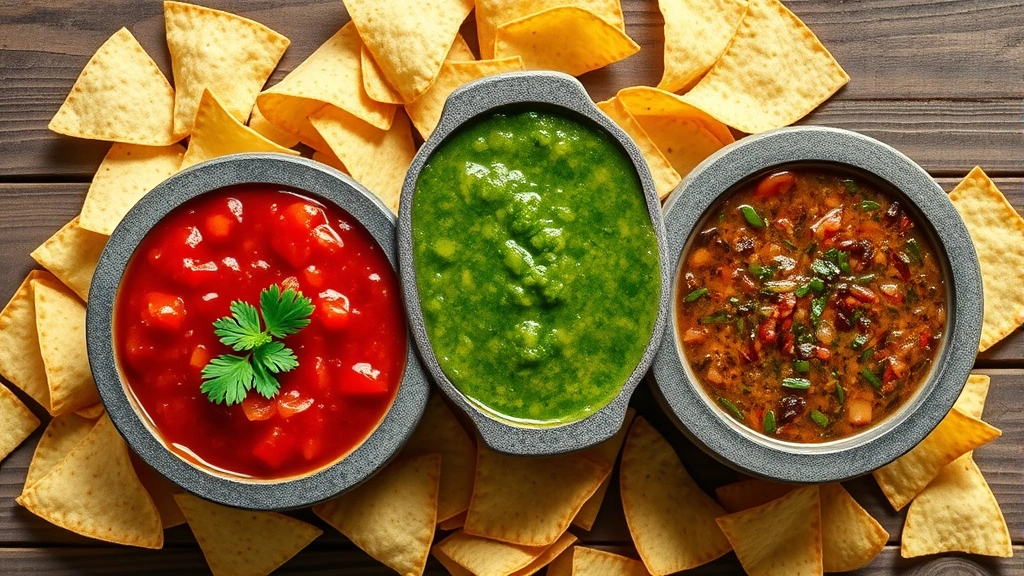
No element of Mexican dining reveals kitchen competency more transparently than salsa. A restaurant’s approach to this seemingly simple preparation unveils its philosophy about ingredient quality, flavor balance, and technique. El Jinete offers three salsa options: a traditional roja, a verde, and a house-special chipotle blend. Each deserves individual scrutiny.
The salsa roja presents a complex profile that suggests careful tomato selection and extended cooking time. Rather than the bright, thin consistency common in casual establishments, El Jinete’s version exhibits body and depth. The tomatoes clearly have been charred before processing, introducing subtle smokiness that complements the heat from dried chiles. Analysis of the flavor profile reveals layers: initial sweetness from the tomatoes, followed by a building heat from what appears to be guajillo or ancho chiles, finishing with a bright lime acidity that prevents the preparation from becoming one-dimensional.
The salsa verde demonstrates even greater sophistication. Using fresh tomatillos as its base, this version showcases the kitchen’s ability to work with delicate ingredients that demand precise handling. The verde maintains brightness without excessive tartness, a balance that separates competent preparation from exceptional execution. Fresh cilantro provides herbaceous notes without overwhelming the tomatillo’s subtle vegetal sweetness. Jalapeños contribute heat measured in controlled increments rather than indiscriminate spice.
The house-special chipotle blend represents the kitchen’s creative impulse. Blending the traditional roja with smoky chipotle peppers, this version adds another dimension to chip consumption. The smokiness derives from genuine chipotles in adobo rather than artificial smoke flavoring, a distinction that separates authentic from expedient preparation. This salsa pairs exceptionally well with recipe for Chipotle restaurant guacamole style preparations, demonstrating how El Jinete’s kitchen thinks about complementary flavor profiles.
Entrée Analysis: Where Authenticity Shines
The entrée selection at El Jinete encompasses both traditional preparations and contemporary interpretations, allowing diners to experience the restaurant’s range. The chile relleno emerges as a standout achievement, worthy of particular examination.
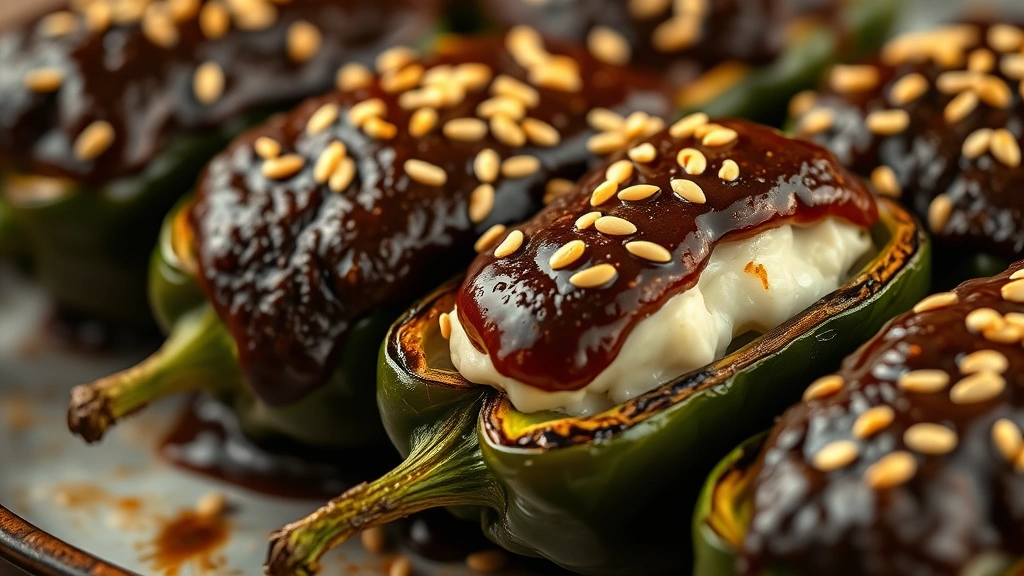
This dish begins with poblano peppers that have been carefully charred, allowing the skin to separate from the flesh while maintaining the pepper’s structural integrity. The stuffing combines queso fresco with epazote—a detail that immediately signals authentic preparation, as many restaurants omit this essential herb. Epazote contributes a distinctive peppery, almost gasoline-like quality that seems unusual to the uninitiated but represents a foundational element of genuine Mexican cooking.
The chile relleno arrives bathed in a mole negro sauce, and this is where El Jinete’s kitchen demonstrates its deepest commitment to authenticity. Mole negro requires patience, technique, and ingredient knowledge. This preparation combines dried chiles, chocolate, spices, and stock in proportions that develop over hours of careful cooking. The sauce that coats the relleno exhibits the complexity that only genuine mole can achieve—layers of heat, subtle sweetness from chocolate, warmth from cinnamon and clove, and an underlying earthiness from toasted spices.
Tasting across the plate reveals how the various elements interact: the roasted poblano’s mild heat contrasts with the mole’s complexity, the queso fresco’s creamy saltiness balances the sauce’s subtle sweetness, and the epazote provides a peppery counterpoint that prevents the dish from becoming monolithic. This represents Mexican cuisine at its most sophisticated.
The carne asada tacos demonstrate the kitchen’s mastery of grilling technique. The beef has been marinated in a citrus-forward mixture that tenderizes the meat while infusing it with bright acidity. The char marks on the exterior indicate high heat and proper timing—the exterior develops a flavorful crust while the interior remains appropriately pink and juicy. Serving the tacos with warm corn tortillas, diced onion, fresh cilantro, and lime wedges allows diners to compose their own flavor balance, respecting the traditional approach to taco consumption.
House Specialties and Signature Dishes
El Jinete’s house specialties reveal the kitchen’s creative direction and technical capabilities. The chile en nogada represents a seasonal offering that showcases Mexican cuisine’s connection to ingredient availability and cultural tradition. This dish features a poblano pepper stuffed with picadillo—a mixture of ground beef, dried fruits, and spices—topped with a walnut-based cream sauce and pomegranate seeds.
The walnut sauce demands particular attention. Creating a smooth, velvety sauce from walnuts requires specific technique: the nuts must be blanched to remove bitter skin, ground to a fine paste, then combined with cream and stock in precise proportions. The sauce at El Jinete demonstrates this technical mastery, achieving a silky texture that coats the palate without greasiness. The pomegranate seeds provide textural contrast and a burst of tart sweetness that balances the rich sauce and slightly sweet picadillo filling.
Enchiladas verdes showcase how El Jinete approaches classic preparations. Rather than drowning tortillas in excessive sauce, the kitchen demonstrates restraint. Each enchilada receives a measured coating of verde sauce, allowing the corn tortilla’s character to remain evident. The filling combines shredded chicken with queso fresco and onion—a straightforward combination that allows the sauce and the ingredient quality to shine. Topping with crema and additional queso fresco provides richness without overwhelming the palate.
For those seeking vegan restaurant near me options, El Jinete offers vegetable-based preparations that demonstrate the kitchen understands plant-forward cooking. Nopales (cactus) tacos arrive with properly prepared cactus that has been cleaned to remove the sticky substance present in raw nopales, then grilled with appropriate charring. Served with grilled onions, cilantro, and a squeeze of lime, these tacos provide authentic vegetable-forward Mexican cuisine.
Beverage Program and Pairings
Mexican cuisine’s complexity demands thoughtful beverage pairings. El Jinete’s beverage program extends beyond standard margaritas, though a properly executed margarita remains an excellent choice. The kitchen’s approach to cocktails mirrors its approach to food: respecting tradition while demonstrating technical competency.
The margarita preparation uses fresh lime juice rather than sour mix—a fundamental requirement for authentic execution. The tequila selection includes options from different regions, allowing diners to explore how terroir influences the spirit. A blanco tequila’s bright, peppery character complements lighter dishes, while a reposado’s oak aging suits richer preparations like mole-based dishes.
For non-alcoholic options, El Jinete offers agua fresca, a traditional Mexican beverage that showcases the kitchen’s commitment to authentic preparation. These fruit-based drinks, made from fresh ingredients blended with water and sweetened minimally, provide refreshment without the heaviness of standard sodas. The horchata, made from rice and almonds, offers creamy sweetness that pairs beautifully with desserts.
Family Dining Experience
When evaluating family restaurants near me, the ability to serve diverse palates becomes essential. El Jinete accommodates family dining with a children’s menu that avoids the pitfall of oversimplification. Rather than offering only cheese quesadillas and plain rice, the children’s selections maintain authentic preparations in appropriately sized portions.
The kids’ enchiladas arrive with the same care as adult versions, simply in smaller quantities. This approach respects that children deserve authentic food experiences while acknowledging their different appetites. Parents appreciate that they’re not serving their children fundamentally different cuisine from what they themselves are eating.
The restaurant’s noise level and atmosphere prove conducive to family dining. Tables maintain sufficient spacing to prevent the chaotic acoustics that plague many casual restaurants. Service moves at an appropriate pace—not so rushed that families feel pressured, but not so leisurely that children become restless.
Dietary Accommodations and Options
Modern dining demands flexibility in accommodating diverse dietary preferences. El Jinete demonstrates understanding of these requirements without compromising its culinary philosophy. For those seeking dog friendly restaurants with patios, El Jinete’s outdoor seating area welcomes well-behaved canine companions, making it an excellent choice for those dining with pets.
Vegetarian options extend beyond token offerings. The vegetable enchiladas, nopales tacos, and chile rellenos with cheese represent fully realized dishes rather than adaptations of meat-based preparations. The kitchen demonstrates that Mexican cuisine’s vegetable preparations deserve the same attention as protein-forward dishes.
For those interested in replicating certain flavor profiles at home, El Jinete’s techniques connect to accessible resources. Understanding how to prepare authentic salsas relates directly to easy homemade bread recipes concepts—both require foundational technique and quality ingredients. The layering approach that El Jinete employs in its salsas mirrors how best homemade pasta recipes build complexity through careful ingredient selection and proper technique.
FAQ
What makes El Jinete’s approach to Mexican cuisine authentically different?
El Jinete distinguishes itself through ingredient quality and respect for traditional technique. Rather than cutting corners with shortcuts, the kitchen invests time in preparations like mole sauce and proper salsa creation. The use of traditional ingredients like epazote and the commitment to charring peppers properly demonstrate a philosophy that prioritizes authentic flavor over convenience.
Are there options for diners with specific dietary restrictions?
Yes. El Jinete offers vegetarian preparations, and the kitchen accommodates requests for modifications. The staff demonstrates knowledge about ingredients, allowing diners with allergies to make informed choices. However, those with severe allergies should communicate directly with management to ensure proper food handling protocols.
What is the price range at El Jinete?
El Jinete positions itself in the mid-range category. Entrées typically range from moderate pricing for tacos to slightly higher costs for specialty dishes like chile en nogada. The quality-to-price ratio remains favorable, particularly when considering the authenticity of preparations and ingredient quality.
Does El Jinete accept reservations?
Most El Jinete locations accept reservations, particularly for larger groups. During peak hours, walk-ins may experience wait times. Calling ahead ensures a table, particularly for dinner service on weekends.
What dishes best showcase El Jinete’s culinary capabilities?
The chile relleno with mole negro, carne asada tacos, and chile en nogada represent the kitchen’s strongest work. These dishes require technical skill and ingredient knowledge, and El Jinete executes them with consistency and care. For first-time visitors, beginning with the salsa trio and carne asada provides an excellent introduction to the restaurant’s approach.
How does El Jinete compare to other Mexican restaurants?
El Jinete distinguishes itself through its commitment to authenticity without pretension. While some Mexican restaurants prioritize modern plating or fusion techniques, El Jinete respects traditional preparations. This approach appeals to diners seeking genuine Mexican cuisine rather than Americanized interpretations.


