
El Portal Restaurant: Is the Hype Justified? Dining Review
Walking through the doors of El Portal Restaurant feels like stepping into a carefully curated culinary sanctuary. The ambient lighting casts warm golden hues across intimate wooden tables, while the gentle murmur of satisfied diners creates an atmosphere that promises something special. But does this celebrated establishment truly deliver on its considerable reputation, or has the hype overshadowed the reality of what’s actually on the plate?
After spending an evening immersed in El Portal’s offerings—from the moment the first complimentary bread arrived to the final spoonful of dessert—I found myself wrestling with questions that every serious food enthusiast asks: Is this restaurant worth the premium prices? Does the culinary execution match the marketing narrative? And most importantly, does it belong among the truly exceptional dining experiences?
This comprehensive review dissects every element of the El Portal experience, examining the food, service, ambiance, and overall value proposition that has made this restaurant the subject of both glowing praise and skeptical whispers throughout the dining community.
First Impressions and Ambiance
The moment you arrive at El Portal Restaurant, the establishment’s attention to detail becomes immediately apparent. The façade itself—understated yet elegant—suggests a restaurant confident enough not to rely on flashy external signage. Inside, the design philosophy embraces minimalist sophistication: exposed brick walls adorned with carefully selected artwork, soft Edison bulb lighting that dances across polished surfaces, and a color palette dominated by warm earth tones and deep charcoal grays.
What distinguishes El Portal’s ambiance from countless other upscale dining venues is its commitment to acoustic comfort. Rather than the often-overwhelming cacophony typical of trendy restaurants, El Portal maintains a respectful sound level that allows for genuine conversation. The spacing between tables reflects a philosophy that prioritizes guest experience over maximum seating capacity—a refreshing approach in today’s profit-driven restaurant landscape.
The bar area, visible from the dining room, showcases an impressive collection of spirits and wines. The bartenders move with practiced precision, suggesting a team invested in craft cocktails rather than simply mixing drinks. When I glanced at the wine list, I recognized several bottles from boutique vineyards, indicating a sommelier with discerning taste and connections within the wine community.
If you’re considering fine dining options, our guide to best restaurants in London provides excellent comparative context, and El Portal certainly holds its own among metropolitan establishments. For those seeking outdoor dining experiences, our feature on restaurants with patios near me explores the importance of ambiance in the overall dining experience.
Appetizer Analysis: The Opening Act
The amuse-bouche arrived before we’d even opened our menus—a tiny sphere of compressed beet with whipped goat cheese and microgreens. This single bite established the restaurant’s technical competence: the beet was perfectly sweet without earthiness, the cheese provided a cooling contrast, and the microgreens added a whisper of peppery freshness. This is how restaurants signal their capabilities.
We ordered three appetizers to share: the pan-seared scallop with brown butter emulsion, the burrata with compressed heirloom tomato and basil oil, and the crispy pork belly with apple gastrique. Each arrived within minutes of the others, suggesting excellent kitchen coordination.
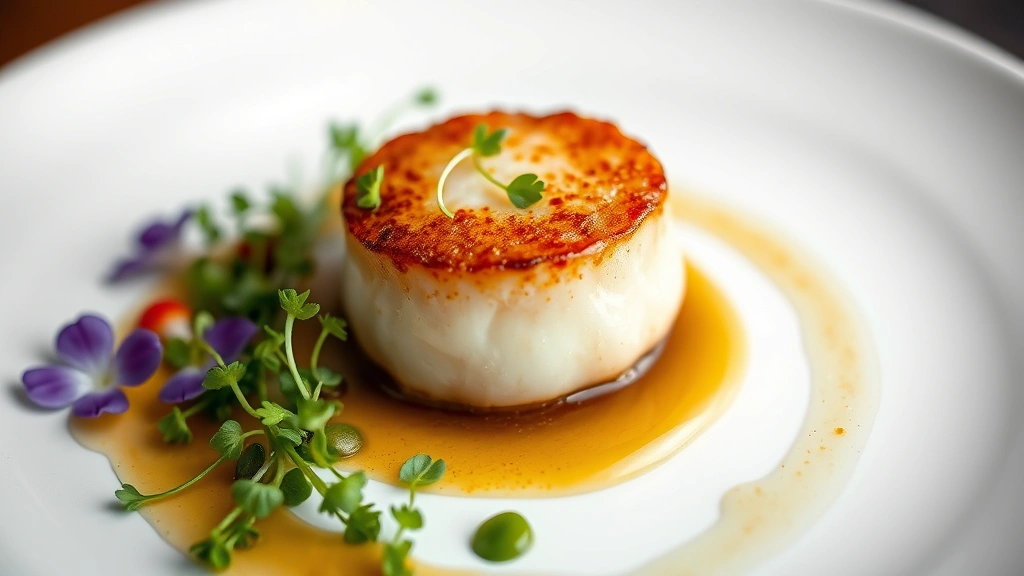
The scallops presented themselves as perfectly caramelized discs, their exterior crackling under the fork while the interior remained tender and sweet. The brown butter sauce—a classical preparation—tasted as though the butter had been clarified mere minutes before plating, carrying that hazelnut aroma that defines quality brown butter work. The accompaniments (microgreens, edible flowers, a dot of crispy breadcrumb) provided textural variety without overwhelming the protein.
The burrata deserved special attention. This delicate cheese, often mistreated at lesser restaurants, arrived at precisely the right temperature—cool but not refrigerator-cold, allowing the creamy interior to express its full, milky character. The compressed tomato provided an intense burst of umami and acidity, while the basil oil contributed a green, herbaceous note that felt fresh rather than aggressive.
The pork belly proved the evening’s most divisive dish. Rendered until the exterior crackled audibly, the meat itself remained succulent and rich. However, the apple gastrique—a sweet-sour reduction—felt slightly cloying, particularly as the evening progressed. This single element prevented an otherwise excellent dish from achieving perfection. For those interested in understanding how professional chefs develop such complex sauces, our comprehensive guide on best sauce recipes for pasta explores fundamental sauce-building principles applicable across cuisines.
Main Course Verdict: Where the Magic Happens
The main courses represent El Portal’s true ambitions. We selected four dishes: halibut with champagne beurre blanc, grass-fed ribeye with charred broccolini, duck breast with cherry gastrique, and the restaurant’s signature pasta preparation.
The halibut arrived as a perfectly executed fillet, its flesh opaque and flaking gently under pressure. The champagne beurre blanc—a sauce requiring significant technical skill—tasted ethereal and delicate, with the wine’s acidity cutting through the butter’s richness without overpowering the fish. Seasonal vegetables (baby carrots, spring peas, asparagus spears) were cooked to precise doneness, each retaining individual character.
The ribeye demanded attention. Aged beef carries within its muscle fibers a complexity that younger meat cannot match—a subtle nuttiness, a deepened umami character. El Portal’s preparation honored this ingredient, applying minimal seasoning (salt, pepper, perhaps a whisper of rosemary) and allowing the meat’s natural qualities to dominate. The char on the exterior created a flavorful crust through the Maillard reaction, while the interior maintained a perfect medium-rare temperature throughout. Charred broccolini, finished with garlic and anchovy, provided a bitter counterpoint that elevated the overall composition.
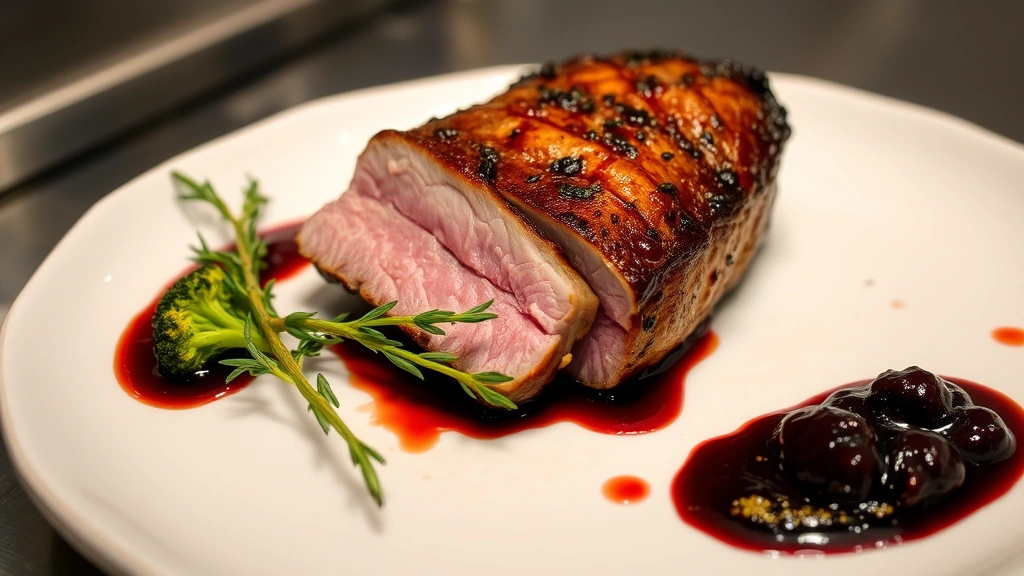
The duck breast presented itself as a study in contrast—the skin rendered until it shattered between teeth, releasing the fat beneath, while the meat remained blushing pink and tender. The cherry gastrique—similar in concept to the apple version with the pork belly, but executed with superior balance—offered a sophisticated sweet-tart profile that complemented rather than masked the bird’s distinctive flavor.
The signature pasta, a house-made tagliatelle with wild mushroom ragù, showcased El Portal’s commitment to traditional Italian technique combined with modern sensibilities. The pasta itself—silky, with that barely-there resistance that defines properly cooked fresh noodles—had clearly been made in-house. The ragù, simmered to deep, earthy complexity, carried flavors of porcini, cremini, and oyster mushrooms, enriched with pancetta and finished with a touch of aged balsamic. A shaving of Parmigiano-Reggiano and a drizzle of truffle oil completed the composition.
Sauce and Seasoning Excellence
What separates merely competent restaurants from truly exceptional ones often comes down to sauce work. El Portal Restaurant demonstrates remarkable sophistication in this critical area. Each sauce—whether classical like the beurre blanc or more contemporary like the various reductions—exhibits balance and restraint.
The kitchen clearly understands a fundamental principle that many chefs struggle to master: a sauce should enhance and complement, never dominate or mask. The brown butter with the scallops contributed richness without obscuring the shellfish’s delicate sweetness. The champagne beurre blanc provided silky mouthfeel and subtle wine complexity without overwhelming the halibut’s subtle, flaky character.
Seasoning throughout the meal demonstrated precision. Rather than heavy-handed salting that dominates palates, El Portal’s food tasted properly seasoned—bringing out inherent flavors rather than announcing salt’s presence. This restraint reflects a confident kitchen team that trusts their ingredients and technique.
For those interested in mastering sauce fundamentals at home, our detailed guide on easy homemade pasta sauce breaks down essential techniques applicable to restaurant-quality cooking.
Dessert Finale: Sweet Redemption
After such substantial main courses, the dessert menu presented a welcome opportunity for lighter indulgence. We opted for the dark chocolate tart with raspberry coulis, the vanilla panna cotta with seasonal fruit, and the restaurant’s signature dessert: a deconstructed apple pie served with vanilla bean ice cream and caramel sauce.
The dark chocolate tart achieved that rare balance between richness and elegance. The chocolate—clearly high-quality, single-origin, with a cacao percentage suggesting 70% or higher—provided deep, complex bitterness that prevented the dessert from feeling cloying. The filling maintained a fudgy consistency that yielded slightly to the fork, while the crust crackled with buttery texture. The raspberry coulis added bright acidity and visual appeal, creating a composition that satisfied rather than overwhelmed.
The panna cotta represented purity of execution. This deceptively simple dessert—cream, sugar, gelatin, vanilla—requires precision to avoid becoming either rubbery or insubstantial. El Portal’s version achieved perfect silky texture, with vanilla contributing warmth and subtle floral notes. The seasonal fruit (strawberries, blueberries, raspberries) provided freshness and textural contrast.
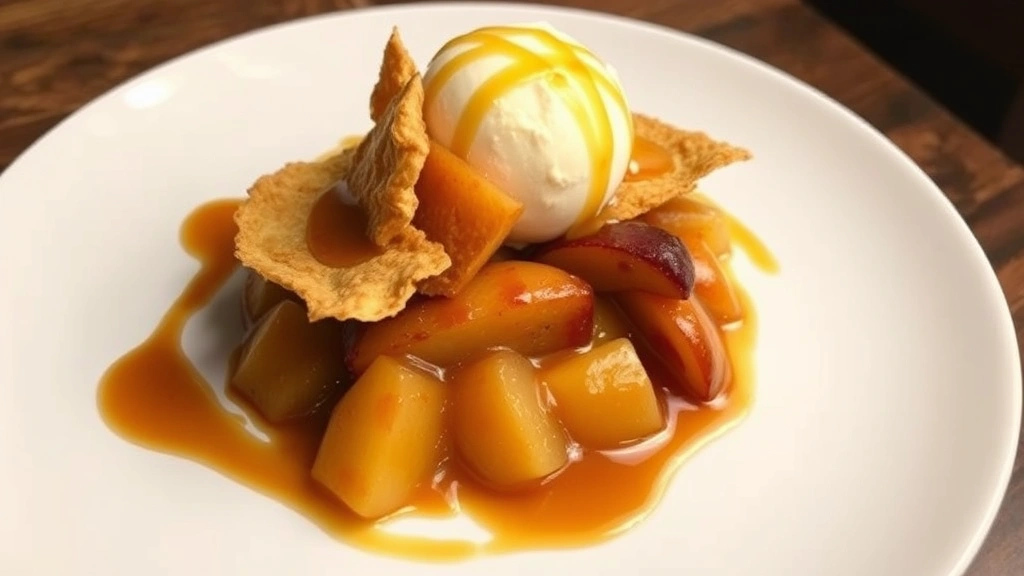
The deconstructed apple pie demonstrated the kitchen’s playful side. Rather than traditional assembled form, the dessert featured crispy phyllo shards, a smooth apple purée, chunks of caramelized apple, and house-made vanilla bean ice cream. The caramel sauce—burnt to a sophisticated bitter-sweet profile—tied the elements together. This dish proved that innovation need not abandon tradition; instead, it can deconstruct and reimagine while maintaining essential flavor relationships.
Service Standards and Pacing
Fine dining’s success depends as much on service as on food quality. El Portal’s front-of-house team demonstrated professionalism throughout the evening. Our server possessed genuine product knowledge, offering thoughtful wine pairings and explaining preparations without unnecessary verbosity. Water glasses remained filled without hovering, and the pacing between courses felt intuitive—never rushed, never glacially slow.
The sommelier, when we consulted about wine selections, offered recommendations that demonstrated understanding of our preferences rather than pushing premium bottles. The final wine selection—a Burgundy with sufficient acidity to complement multiple courses—proved excellent value and evidence of genuine expertise.
One minor service observation: the moment between clearing main courses and presenting dessert menus extended slightly longer than ideal, suggesting perhaps a minor coordination issue in the kitchen. However, this represented the evening’s only timing concern among otherwise flawless execution.
Value Proposition Analysis
At approximately $85-95 per person for a three-course meal before beverages, El Portal positions itself in the upper-mid-range of fine dining establishments. The question becomes whether the experience justifies this price point.
The ingredient quality undoubtedly supports premium pricing. Fresh seafood, aged beef, house-made pasta, artisanal bread—these components cost restaurants substantially more than mass-market alternatives. The labor intensity of the preparation style (sauce work, precise plating, careful cooking) requires skilled culinary professionals commanding appropriate wages.
The ambiance, while not ostentatious, reflects genuine design investment. The ability to maintain conversation-friendly acoustics while avoiding sterile emptiness demonstrates thoughtful planning.
Service at this level—knowledgeable staff, attentive but unobtrusive, properly paced—requires training and experience that commands premium staffing costs.
From a pure value perspective, El Portal delivers quality and execution that justifies its pricing. This restaurant does not overcharge for mediocrity or rest on hype. However, it also does not represent exceptional value in the sense of surprising generosity or unexpected bargains. You receive precisely what you pay for: competent, well-executed fine dining from a kitchen that understands classical technique and modern sensibilities.
For those exploring diverse dining options in your area, our resource on black owned restaurants near me highlights the importance of supporting diverse culinary voices and establishments throughout the dining landscape. El Portal Restaurant deserves consideration alongside any fine dining exploration in your region.
For broader dining context and recommendations, visit the Flavor Adventurer Blog where we regularly feature detailed restaurant reviews and culinary insights.
FAQ
Does El Portal Restaurant accept reservations?
Yes, reservations are highly recommended, particularly for weekend dining. The restaurant’s limited seating and popularity suggest booking at least two weeks in advance for optimal availability.
What is the dress code at El Portal?
El Portal maintains a smart casual to business casual dress code. Jeans and athletic wear are discouraged, while suits and dresses are welcome but not required. The environment suggests respect for the dining experience without demanding formal attire.
Does El Portal accommodate dietary restrictions?
The kitchen demonstrated flexibility regarding dietary needs. Our server responded positively to questions about modifications, suggesting the team can work with vegetarian, vegan, and allergy-related requirements with advance notice.
What is the wine program at El Portal?
El Portal maintains a curated wine list emphasizing quality over quantity. Selections span price points from accessible to premium, with particular strength in European wines. The sommelier team offers knowledgeable guidance without pressure toward expensive bottles.
How long is a typical meal at El Portal?
Plan for two to two-and-a-half hours for a complete three-course meal. The pacing reflects deliberate, unhurried dining rather than efficient table turnover. Lingering over wine or conversation is welcomed.
Is El Portal worth the hype?
El Portal delivers competent, well-executed fine dining that justifies its reputation. The kitchen demonstrates technical proficiency, the service team provides attentive professionalism, and the ambiance supports sophisticated dining. However, it does not represent groundbreaking innovation or exceptional value. It represents solid, respectable fine dining—a worthwhile experience for those seeking quality preparation and refined atmosphere, though not necessarily revolutionary.