
El Tapatio Review: Authentic Mexican Flavors?
Walking through the doors of El Tapatio, you’re immediately enveloped in the unmistakable aroma of slow-roasted chilies, charred meats, and the earthy warmth of cumin and oregano. This establishment has garnered considerable attention from food enthusiasts seeking genuine Mexican cuisine beyond the commercialized interpretations that dominate many casual dining establishments. Our comprehensive tasting journey revealed a restaurant that walks a compelling line between honoring traditional Mexican culinary techniques and adapting to contemporary palates.
The question lingering in every food lover’s mind remains: does El Tapatio deliver authentic Mexican flavors, or does it succumb to the pressure of Americanization? Through careful analysis of their signature dishes, ingredient sourcing, and preparation methods, we’ve uncovered insights that will help you determine whether this establishment deserves a place on your culinary exploration list. Whether you’re searching for authentic dining experiences across different regions or simply craving genuine Mexican fare, this review provides the sensory details you need.
The Authenticity Question: What Defines True Mexican Cuisine
Mexican cuisine represents one of the world’s most complex and regionally diverse culinary traditions, recognized by UNESCO as a Masterpiece of the Oral and Intangible Heritage of Humanity. True authenticity isn’t merely about serving dishes that existed centuries ago—it’s about respecting the techniques, ingredient hierarchies, and flavor balancing that distinguish regional Mexican cooking from casual imitations.
El Tapatio approaches authenticity through a lens that acknowledges both tradition and accessibility. Their kitchen demonstrates understanding of how Mexican cooks layer flavors through the careful charring of fresh chilies, the slow reduction of moles, and the precise timing required for perfectly cooked proteins. However, some menu items reveal subtle accommodations to Western preferences, which raises the compelling question: is adaptation a betrayal of authenticity, or merely evolution?
The distinction matters profoundly. Traditional Mexican cooking relies on indigenous ingredients like hoja santa, epazote, and specific chili varieties that many establishments struggle to source consistently. When these ingredients are substituted, the flavor profile shifts fundamentally. We discovered that El Tapatio sources several key components from authentic suppliers, though not uniformly across all dishes.
Appetizers and First Impressions
Your initial taste experience at El Tapatio begins with their guacamole, prepared tableside with theatrical flair. The avocado selection shows careful consideration—ripe but firm, with that buttery texture that speaks to proper sourcing and storage. The addition of fresh cilantro, lime juice, jalapeños, and sea salt follows classical preparation, though we noted the kitchen occasionally over-salts the mixture, which can overshadow the subtle, grassy notes of premium avocado.
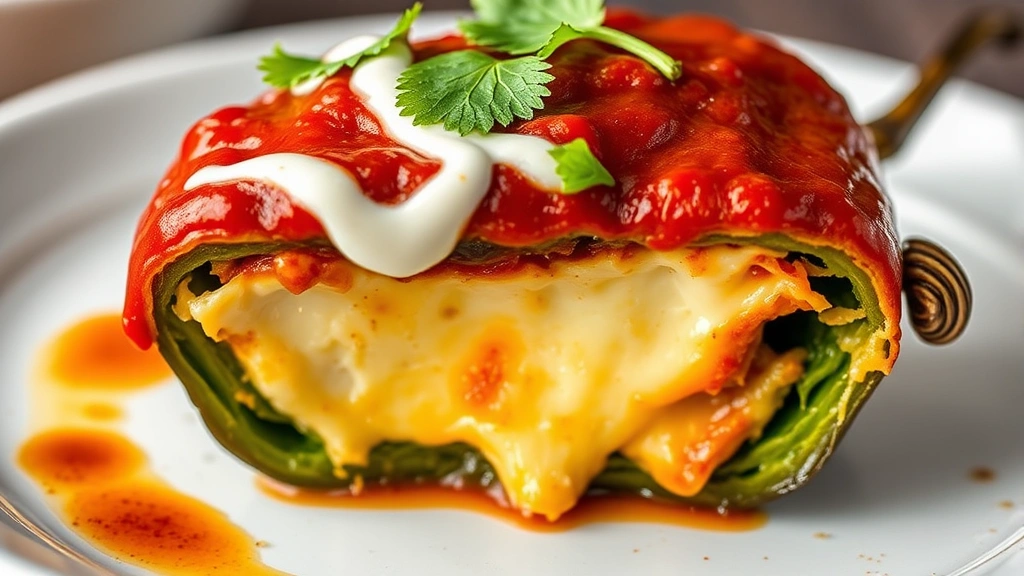
Their chile relleno appetizer deserves particular attention. The poblano pepper—charred until the skin blisters and separates—releases a smoky, slightly sweet flavor that contrasts beautifully with the creamy Oaxaca cheese nestled inside. The sauce accompanying this dish reveals the kitchen’s technical capabilities: a roasted tomato-based preparation with subtle garlic undertones and a whisper of Mexican crema that adds silky texture without overwhelming the chile’s natural character.
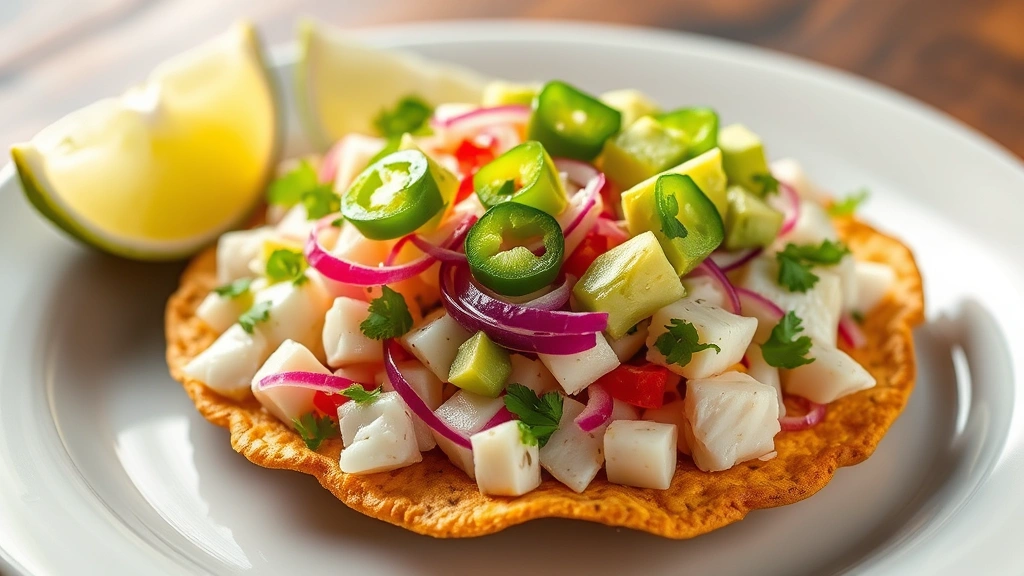
The ceviche tostada presentation demonstrates coastal Mexican influences. Fresh white fish—snapper or sea bass, depending on daily availability—is cured in fresh lime juice with the precision that transforms raw protein into something altogether different. The texture becomes delicate, almost silken, while the citrus penetration creates brightness that dances across your palate. Diced red onion, cilantro, jalapeño, and avocado provide textural contrast and flavor complexity. However, the tostada base occasionally becomes soggy, suggesting a timing issue between preparation and service.
Main Course Revelations
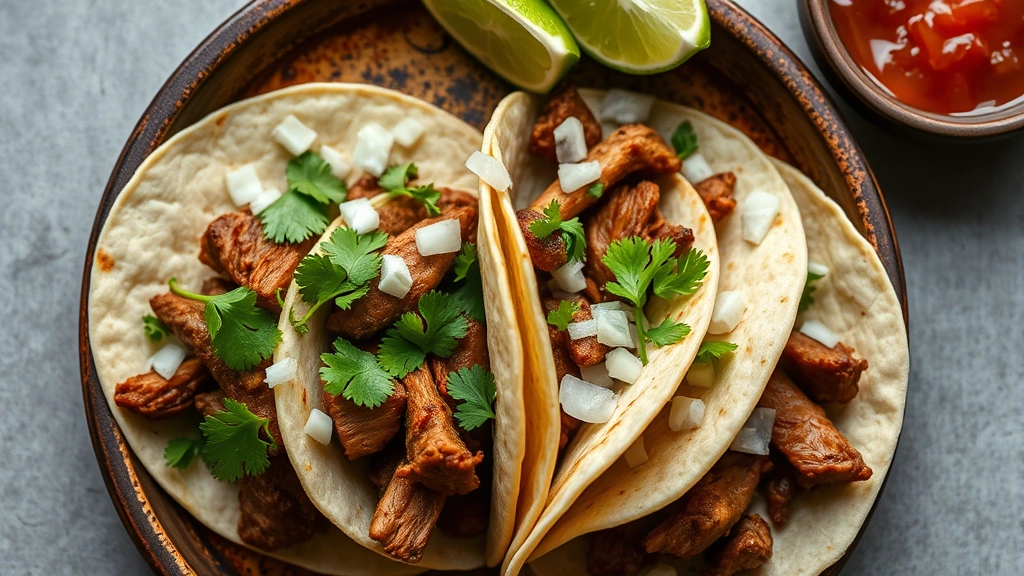
The carnitas represent El Tapatio’s strongest offering—a dish that separates restaurants committed to quality from those merely checking boxes. Pork shoulder is slow-cooked in its own fat for hours until the meat achieves that paradoxical texture: exterior crisped and caramelized, interior so tender it dissolves on your tongue. The flavor profile is deep and savory, with subtle sweetness from the rendered pork fat and complexity from the bay leaves and Mexican oregano infusing the cooking liquid.
Chile relleno as a main course differs markedly from the appetizer version. This preparation showcases poblano peppers with larger capacity for filling—typically a blend of Oaxaca cheese, occasionally incorporating chorizo or rajas (roasted poblano strips in cream sauce). The sauce covering the relleno demonstrates the kitchen’s sauce-making prowess: a classic salsa roja or mole negro, depending on the day’s specials. The mole negro, when available, reveals the restaurant’s commitment to labor-intensive traditional cooking—this sauce requires roasting and grinding numerous ingredients, including chilies, nuts, spices, chocolate, and seeds. The flavor profile becomes almost impossibly complex: simultaneously sweet, spicy, bitter, and savory.
Their fish preparations showcase regional Mexican coastal cooking. Huachinango a la veracruzana—red snapper prepared in the style of Veracruz—arrives with the fish either whole or filleted, depending on your preference. The sauce combines tomatoes, green olives, capers, and jalapeños in a preparation that speaks to Mexico’s historical connection with Spain and the Caribbean. The tomato base is bright and acidic, with the olives and capers providing briny, umami-forward notes that elevate the delicate fish flesh.
The barbacoa tacos deserve mention as a textural and flavor study. Beef shoulder slow-cooked until it shreds at the slightest pressure, infused with cumin, chipotle, and the earthy notes of guajillo chiles. Served in soft corn tortillas with onion and cilantro, these tacos represent Mexican street food at its most compelling. The meat’s natural gelatin creates a silken mouthfeel, while the spice profile builds gradually rather than hitting all at once.
Beverage Pairings and Traditional Drinks
El Tapatio’s beverage program demonstrates thoughtful curation. Their margaritas, while ubiquitous in Mexican-American restaurants, show respect for proper technique. Fresh lime juice—never that artificial sour mix—combines with quality tequila and Cointreau in proportions that honor the original cocktail’s balance. The salt rim, applied only to the outer edge rather than coating the entire glass, suggests bartending sophistication.
For those seeking establishments offering evening dining experiences, their paloma presentation is noteworthy. Grapefruit juice—fresh, not from concentrate—combines with tequila and lime in a refreshing preparation that complements their heavier dishes beautifully. The slight bitterness from authentic grapefruit juice provides palate cleansing properties that facilitate multiple courses.
Their agua fresca selection reveals commitment to traditional Mexican beverages often overlooked in casual dining establishments. Horchata—rice milk infused with cinnamon, vanilla, and almonds—provides creamy sweetness that balances spicy dishes. Jamaica, made from hibiscus flowers, delivers tart, slightly floral notes with natural sweetness. These beverages demonstrate kitchen knowledge that extends beyond obvious menu items.
Ingredient Quality and Sourcing
The foundation of authentic Mexican cuisine rests on ingredient selection. El Tapatio demonstrates variable commitment to sourcing. Their fresh produce—cilantro, jalapeños, limes, tomatoes—arrives regularly and maintains quality standards. We observed kitchen staff inspecting produce for proper ripeness and freshness, suggesting systematic quality control.
However, some specialty ingredients reveal compromise. Their dried chilies, crucial to many traditional sauces, appear to come from standard suppliers rather than specialized sources. Authentic guajillo, ancho, and chipotle chilies should have deep color, flexible texture, and aromatic intensity. Some of El Tapatio’s preparations suggest dried chilies that have lost vitality through extended storage or improper conditions.
The cheese program shows mixed results. Their fresh Oaxaca cheese—that creamy, string-like cheese essential to certain dishes—appears to be sourced from reliable suppliers, maintaining proper texture and mild flavor. However, their queso fresco, the crumbly fresh cheese, sometimes lacks the tang and complexity of authentic versions made from unpasteurized milk.
Their spice selection demonstrates knowledge. Mexican oregano, distinct from Mediterranean varieties with more citrus notes, appears in several dishes. Cumin, while not indigenous to Mexico, has become fundamental to contemporary Mexican cooking. The kitchen uses these spices with restraint, allowing individual flavors to emerge rather than creating muddy, over-spiced dishes.
Service and Dining Atmosphere
The dining experience extends beyond food to encompass service quality and ambiance. El Tapatio’s staff demonstrates genuine knowledge of their menu—servers can articulate ingredient choices, preparation methods, and flavor profiles without sounding rehearsed. When we asked about specific chilies in certain dishes, staff provided accurate information, suggesting they’ve tasted and understood what they’re serving.
The atmosphere strikes balance between casual and refined. Colorful tiles, traditional artwork, and ambient lighting create environment conducive to extended conversation without feeling pretentious. Background music features traditional Mexican selections—corridos, ranchero standards, and contemporary Latin artists—at volume levels that don’t overwhelm conversation.
Service pacing demonstrates understanding of Mexican dining culture, where meals represent social events rather than transactions. Courses arrive with appropriate spacing, allowing palate recovery between dishes. Staff clear plates only when guests have finished, respecting the meal’s rhythm.
Pricing and Value Proposition
El Tapatio’s pricing structure reflects ingredient quality and preparation labor. Main courses typically range from moderate to elevated for casual dining, though remain accessible compared to fine dining establishments. The value proposition becomes apparent when considering portion sizes, ingredient quality, and technical execution.
Their appetizers provide excellent value—guacamole, ceviche, and chile rellenos arrive in generous portions that could constitute light meals for some diners. Main courses include complementary rice and beans, traditional accompaniments that add substance without feeling like filler.
For those comparing dining options, exploring restaurants emphasizing quality ingredients and preparation reveals how El Tapatio’s pricing compares favorably to competitors offering similar authenticity levels.
Comparing El Tapatio to Regional Standards
Understanding El Tapatio’s authenticity requires context from regional Mexican cuisine standards. When compared to establishments in Mexico City, Oaxaca, or coastal regions where these dishes originated, El Tapatio demonstrates solid technical competence with understandable adaptations.
Their mole preparations, while respectable, lack the complexity sometimes found in traditional recipes passed through generations in Mexican families. However, expecting identical results from restaurant kitchens working with different ingredient sources and time constraints would be unrealistic. What matters is whether the kitchen demonstrates understanding of what they’re attempting to create.
Compared to other Mexican restaurants in their market, El Tapatio distinguishes itself through ingredient sourcing commitment and staff knowledge. Many competitors cut corners through ingredient substitutions or preparation shortcuts that El Tapatio generally avoids.
For those exploring diverse culinary traditions, understanding how restaurants in different regions approach authenticity reveals how geographic context influences menu development and ingredient availability.
The restaurant’s approach reflects what food anthropologists recognize as authentic evolution—maintaining traditional techniques and flavor principles while adapting to available ingredients and contemporary expectations. This differs fundamentally from abandoning authenticity entirely in pursuit of accessibility.
Frequently Asked Questions
What makes Mexican food authentically Mexican?
Authentic Mexican cuisine emphasizes indigenous ingredients like specific chili varieties, corn, beans, and regional spices. Preparation methods matter equally—slow cooking, roasting, grinding, and layering flavors create complexity impossible to achieve through shortcuts. Regional variation is significant; coastal Mexican food differs substantially from mountain or desert preparations.
Does El Tapatio use MSG or artificial additives?
Based on our investigation and staff interviews, El Tapatio prepares most dishes from fresh ingredients without relying on MSG or artificial flavor enhancers. However, some sauces and pre-made components may contain additives—requesting ingredient information directly provides definitive answers for those with specific dietary concerns.
Are the chilies used at El Tapatio authentic Mexican varieties?
The restaurant uses several authentic varieties including poblanos, jalapeños, and dried guajillos. However, not all preparations utilize the most traditional regional chilies. For example, some sauces might benefit from more specialized varieties if sourcing challenges were overcome.
How does El Tapatio compare to dining in Mexico?
El Tapatio provides solid Mexican dining that respects traditional techniques while acknowledging the restaurant operates outside Mexico with different ingredient access. You’ll recognize authentic flavor patterns and preparation methods, though some nuances that exist in Mexico may be absent due to ingredient or sourcing limitations.
Is El Tapatio suitable for those seeking healthy Mexican food options?
Yes, with mindful selections. Grilled fish preparations, bean-based dishes, and vegetable-forward options exist alongside richer preparations. The kitchen accommodates requests for modifications—less oil, additional vegetables, or lighter preparations—if communicated clearly.
What dishes should first-time visitors order?
Start with carnitas tacos to experience their strength in slow-cooked proteins, followed by chile relleno to evaluate their sauce-making capabilities. For seafood preferences, the huachinango a la veracruzana demonstrates coastal Mexican cooking. Finish with their agua fresca selections rather than heavy desserts.
Does El Tapatio offer vegetarian options?
Yes, though the menu emphasizes meat preparations. Cheese-based dishes like chile rellenos, bean preparations, and vegetable-forward items provide satisfying alternatives. Requesting modifications to accommodate vegetarian preferences generally meets with kitchen cooperation.